
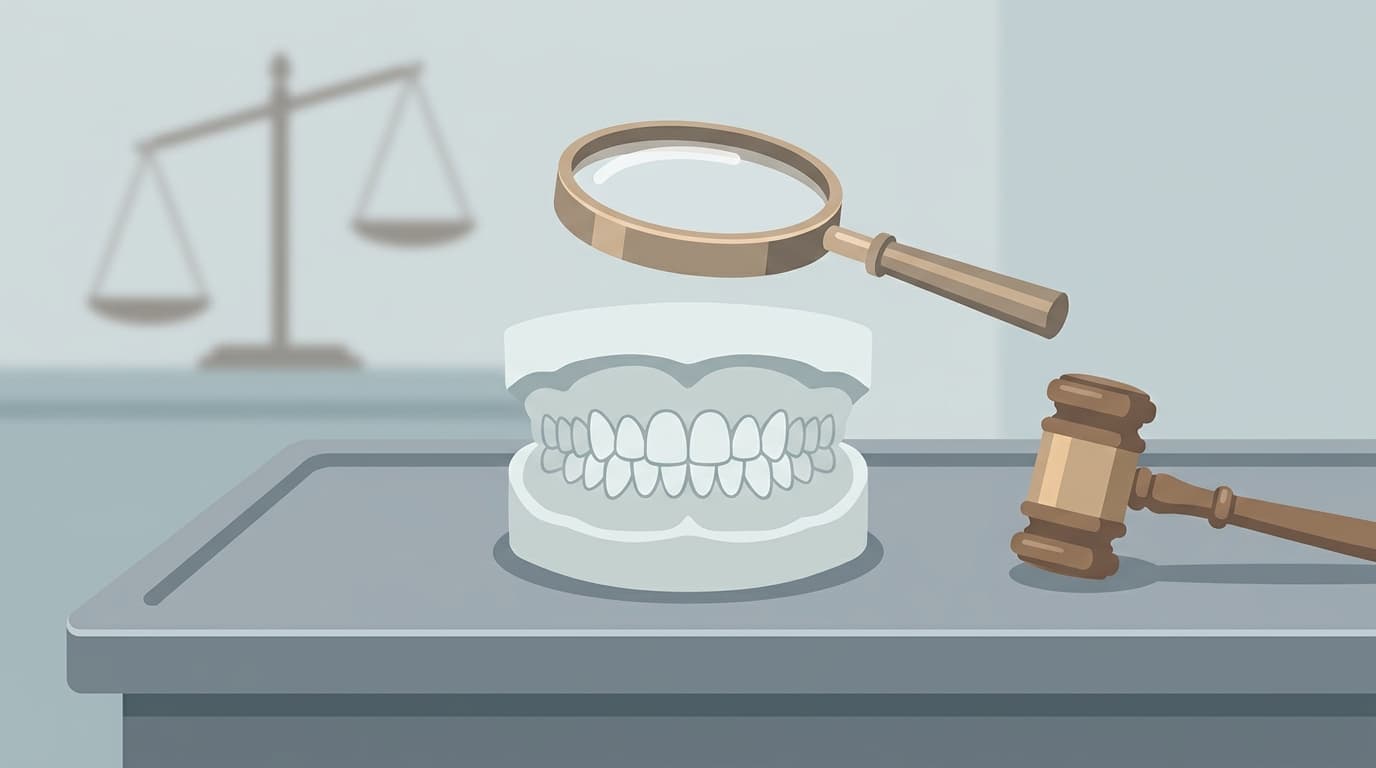
A man who spent nearly 30 years on death row in the United States was released on bail last November after the bite mark analysis that had been the key evidence against him lost credibility in court.
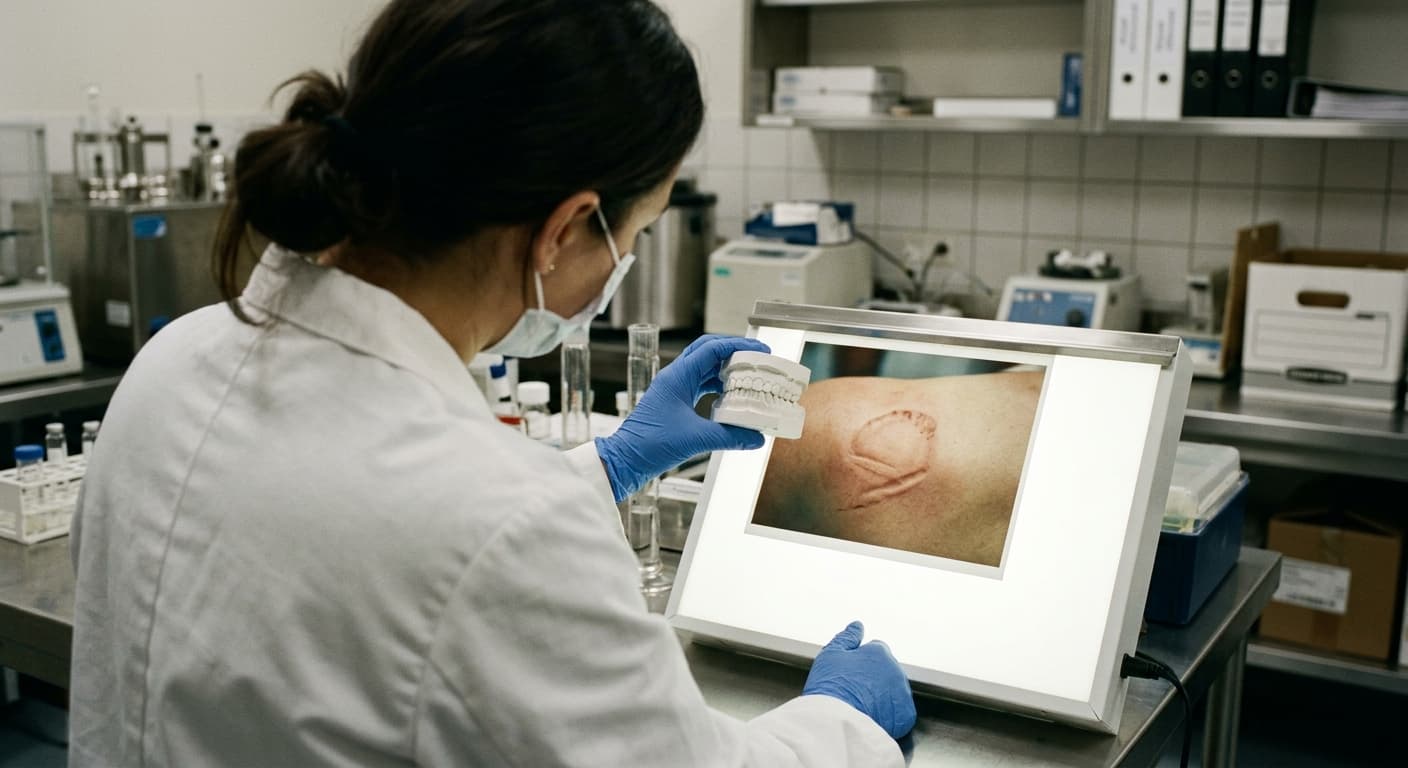
According to the Associated Press, the man is Jimmie Duncan, who was convicted of first-degree murder and sentenced to death in 1998 for allegedly raping and drowning his then-girlfriend's 23-month-old daughter in a bathtub. Prosecutors presented as the key evidence for conviction an analysis finding that a bite mark, as such marks are called in forensic dentistry, left on the victim's body matched Duncan's teeth.
A Bite Mark Pressed From a Mold
The analysis was conducted by Mississippi-based forensic dentist Michael West and pathologist Steven Hayne. But a video submitted to the court by the Innocence Project, the nonprofit legal organization representing Duncan, showed West forcibly pressing a mold of Duncan's teeth directly into the child's body to create the bite mark. Unaware of this, another expert who testified in court said the bite mark matched Duncan's teeth, and this testimony became the decisive basis for the conviction.
In April last year, Judge Alvin Sharp of the Fourth Judicial District Court in Louisiana overturned the conviction based on newly submitted expert testimony. Forensic expert Adam Freeman, who testified in court, said the underlying premise of bite mark analysis was no longer valid and called it scientifically indefensible. The court also found that the child's death appeared to have resulted from an accidental drowning in the bathtub, rather than rape and murder. The evidence submitted also included a recantation by an inmate witness and claims that Duncan's trial counsel had provided inadequate representation.
Bail After 30 Years
In November last year, Duncan posted a $150,000 bond and was released from Louisiana's Angola prison. Allison Layton Statham, the victim's mother and Duncan's girlfriend at the time, testified at the bail hearing. She said her daughter had a history of seizures. Her daughter "wasn't killed," Statham said, according to court records. "Haley died because she was sick." The case, however, is not yet over. Prosecutors have appealed in an effort to reinstate the conviction, and the Louisiana Supreme Court is reviewing the case. Louisiana Attorney General Liz Murrill, who has pushed to hasten executions, also opposed Duncan's release on bail.
A Credibility Already in Question for Years
This is not the first case West and Hayne worked on together. Their analyses are known to be linked to at least 10 other wrongful convictions. In Mississippi, Levon Brooks and Kennedy Brewer were each convicted of murdering young girls, only to be cleared decades later by DNA testing. A 2013 Associated Press investigation found at least two dozen wrongful convictions or charges based on bite mark evidence since 2000. Hayne died in 2020, and while West has acknowledged that DNA testing has made bite mark analysis obsolete, he still defends the validity of other cases he worked on.

In Korea, too, using bite marks to identify a suspect is not an unfamiliar practice. According to the National Forensic Service, forensic dental analysis was first used in 1968, when a bite mark left on a deceased body was cast directly and compared against a plaster mold of a suspect's teeth. The method established at the time, comparing a mark on a victim's body with a plaster mold of a suspect's teeth, operates on the same basic principle as the bite mark analysis that has now lost credibility in the United States.
However, unlike in the United States, it is difficult to find a case in Korea where the scientific validity of bite mark analysis itself was publicly questioned, resulting in an old conviction being overturned. The reality in Korea today is that there has not even been a discussion of whether this method is still in use, or, if it is, by what standard its reliability would be verified.