
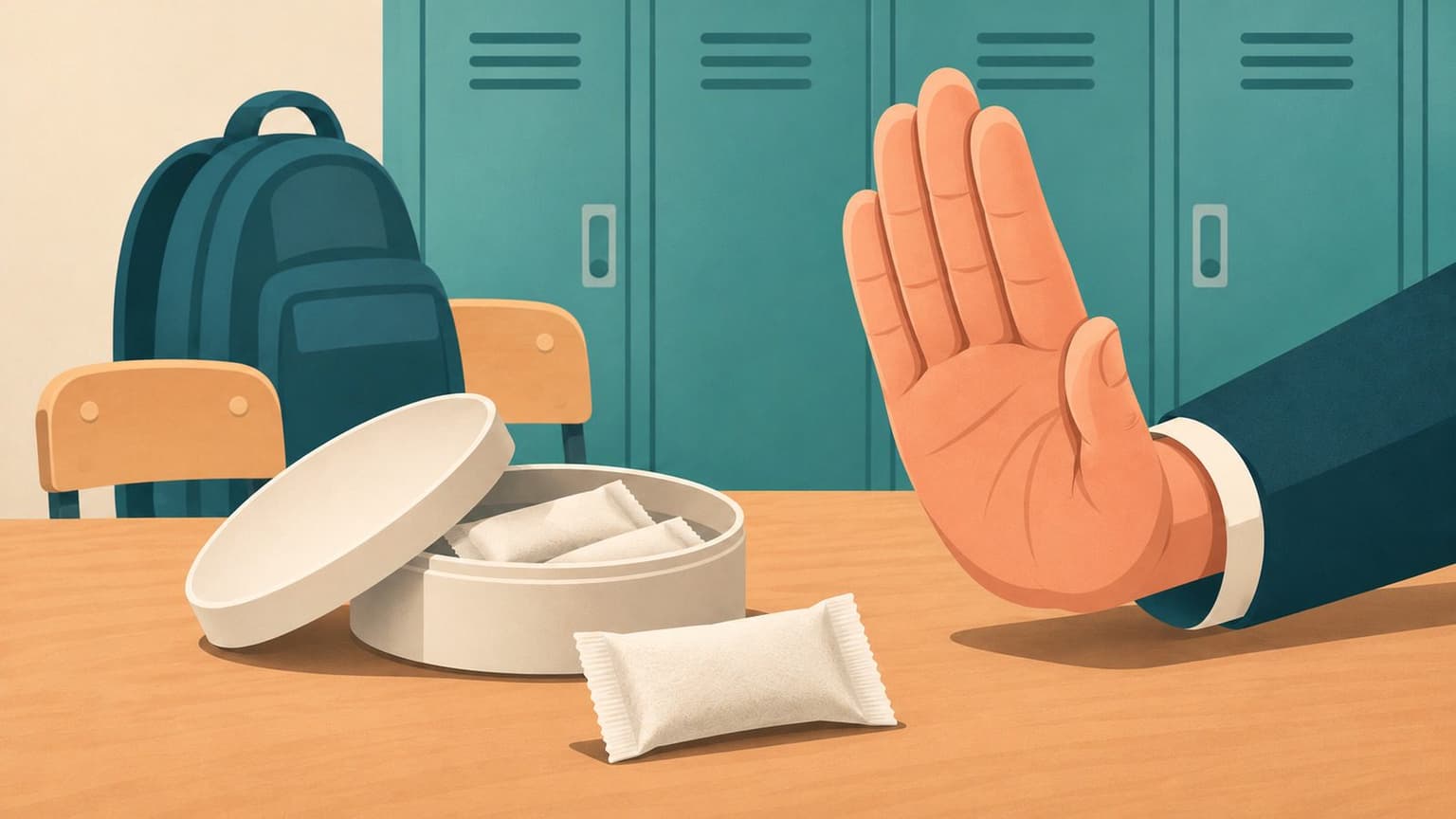
Small pouches placed between the lip and gum to absorb caffeine are being banned in some U.S. schools over health concerns and confusion with nicotine products.
According to an October 22 report by The Associated Press, some school districts in New York, Kansas, Pennsylvania and Missouri have included caffeine pouches in student codes of conduct or banned their use on campus. The report does not, however, mean these were new measures introduced all at once. In New York's Peru school district, the issue had already been raised at a school board meeting in May 2025.
Small Pouches That Resemble Nicotine Products
Schools say the difficulty lies in identifying the contents. Holton High School in Kansas applies its policy banning tobacco and imitation tobacco products because staff cannot reliably determine what substance a pouch contains. With no federally established minimum age for purchasing caffeine pouches in the United States, schools have introduced their own restrictions.
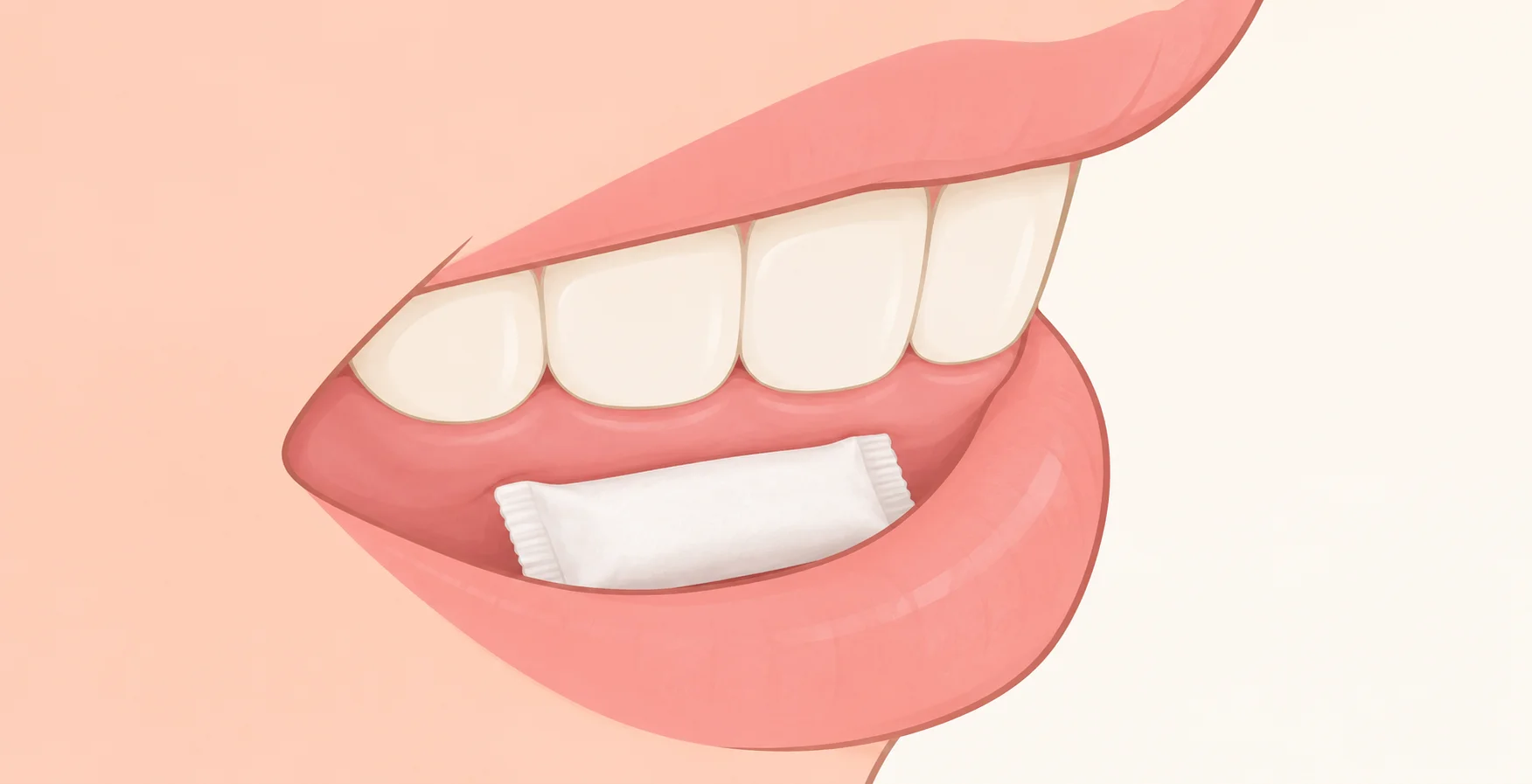
Caffeine pouches are small bags designed to deliver caffeine through the tissues inside the mouth. They do not require spitting and are sold in various flavors, including mint and fruit. They can be used more discreetly than drinks, and some health officials also worry that young consumers could mistake them for candy or gum.
Some Products Contain 200 mg of Caffeine per Pouch
According to the American Academy of Pediatrics, some products contain 200 mg of caffeine per pouch. The amount is not the same in every product. Experts point out that adolescents can easily lose track of their total daily intake when they also consume energy drinks or other foods containing caffeine.
Concerns about excessive intake cited by medical organizations in the report include tremors, anxiety, sleep disturbances and seizures. The American Academy of Pediatrics considers avoiding caffeine the best choice for children. Increased alertness and improved concentration are marketing claims for these products; they do not mean that benefits for adolescents' learning have been established.
Whether Use Is Increasing Remains Unclear
Some schools have reported seeing the products more often on campus, but whether use is increasing among U.S. students overall remains unclear. School bans alone cannot establish the scale of a nationwide trend. AP reported that relevant consumer industry groups and manufacturers did not respond to its requests for comment.
In South Korea, the Ministry of Food and Drug Safety recommends a maximum daily caffeine intake of no more than 2.5 mg per kilogram of body weight for children and adolescents. For someone weighing 50 kg, that amounts to 125 mg a day. The 200 mg contained in some U.S. pouches exceeds this amount. However, this is a comparison of product content with a recommended intake, rather than a measurement of how much caffeine is actually absorbed. The high-caffeine labeling requirements described in the Ministry of Food and Drug Safety guidance apply to liquid foods above a specified concentration, so this explanation alone cannot establish whether pouches are subject to labeling requirements in South Korea.