
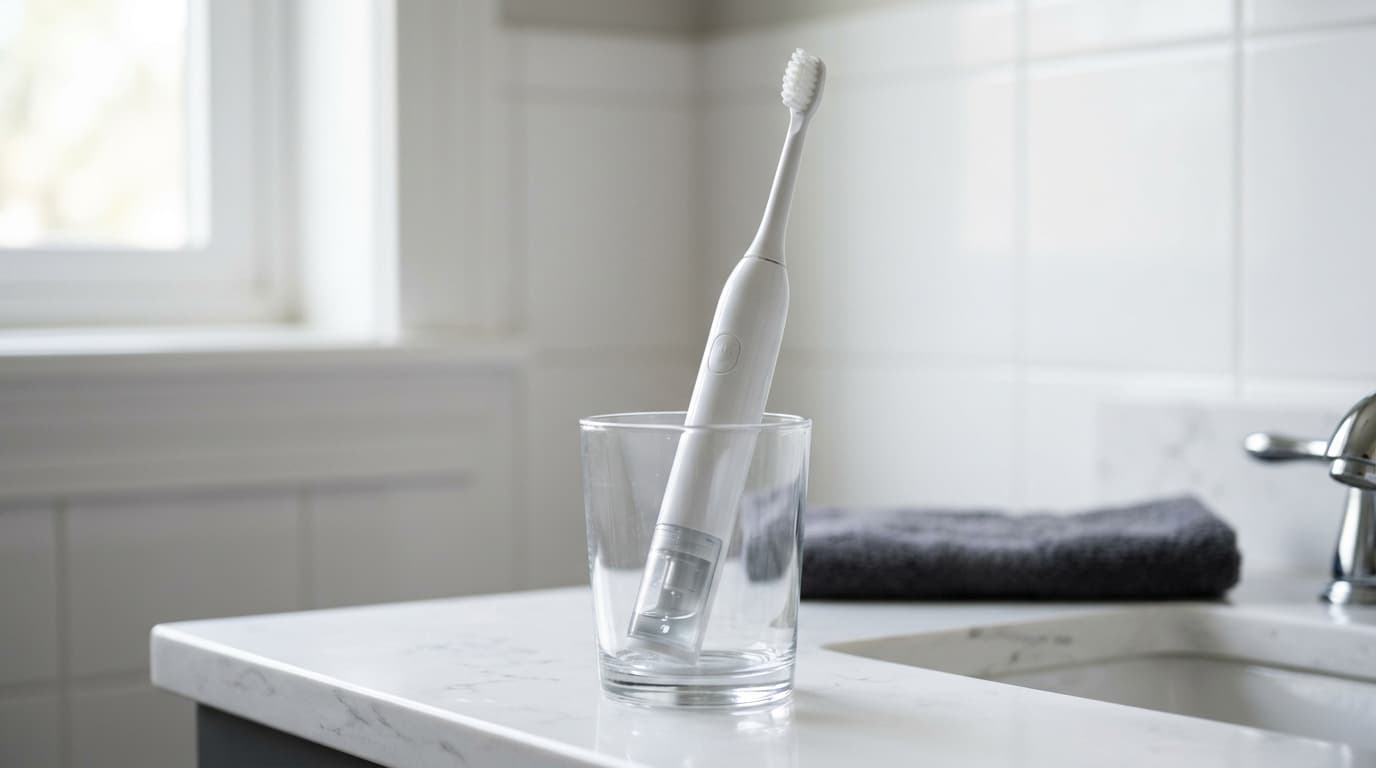
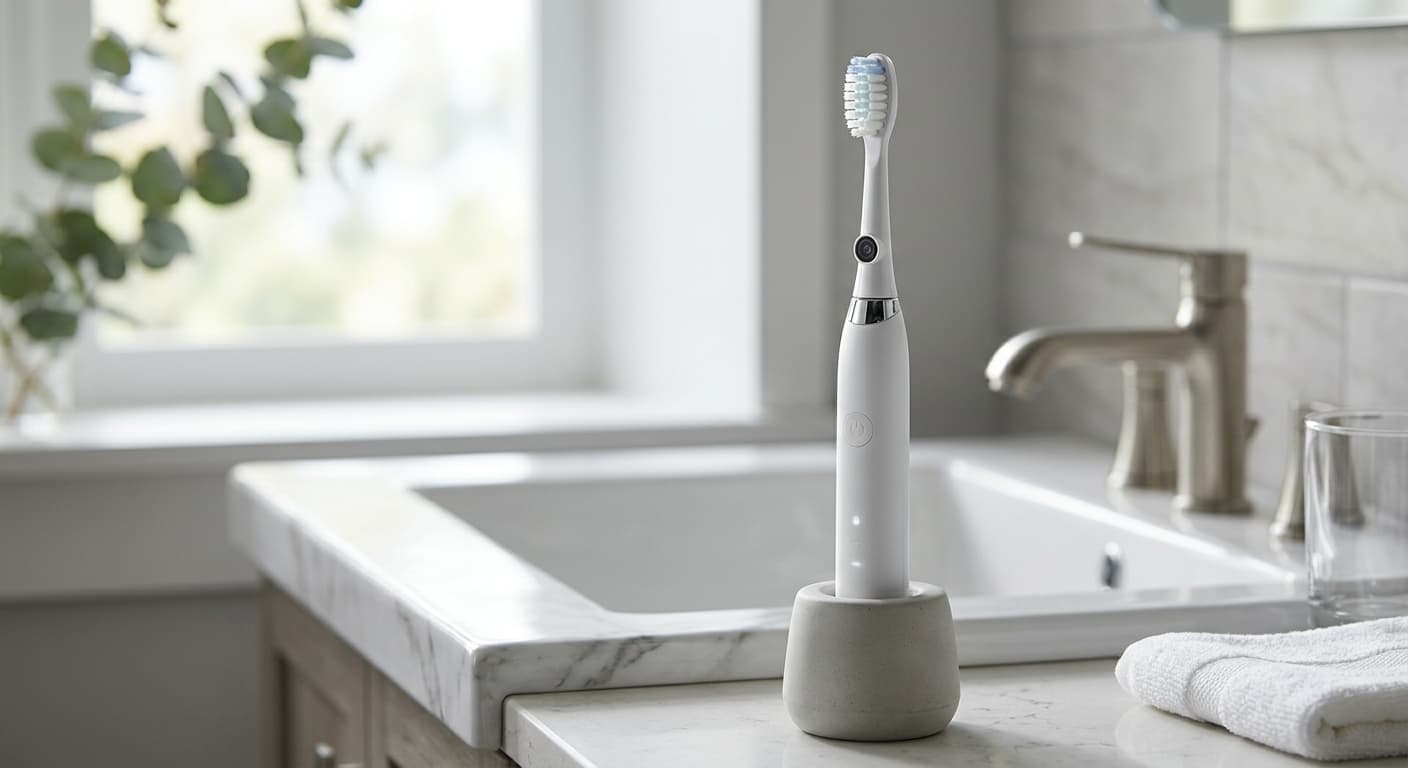
Dyson's 750,000-won artificial intelligence (AI) toothbrush, which sold out in Korea on the very first day of preorders on Sept. 1, has vanished from store shelves in the US. A manufacturing defect let water seep into the device, causing some units to stop working within mere tens of seconds of being switched on.
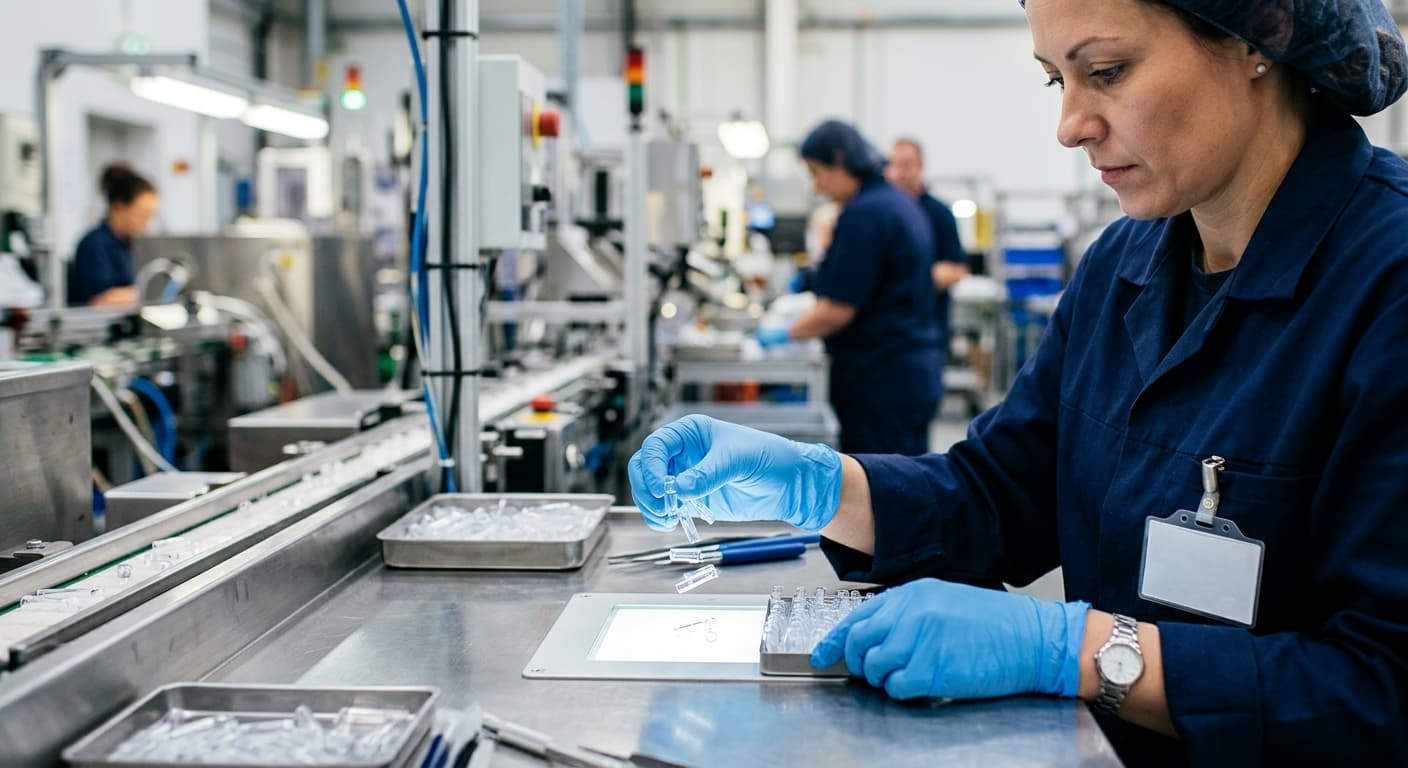
According to Bloomberg, Dyson said in a statement on Sept. 29 (local time) that a manufacturing process issue in one batch of "jet tubes," the component that sprays cleaning fluid, created the potential for water to seep into the device. The company said only a small number of units had their performance affected by the defect.
This outlet reported on the CameraJet's launch and its sellout on preorder day in Korea on the 16th, a toothbrush that uses a camera to detect gaps between teeth and spray water at them. About two weeks later, problems began surfacing among the very consumers who got their hands on the device.
A Toothbrush That Died After 20 Seconds
The trouble surfaced on social media soon after US sales began on Sept. 1. Some buyers said their units stopped working after just minutes, or even a few tens of seconds, of use. Geoff, a shopper from Birmingham, England, who asked that his last name not be published, said in an interview with Bloomberg that his unit died within the first 20 seconds of use. He said the replacement Dyson's customer service sent the next day showed the same problem within a minute, and that he had to go back and forth over email with the company for two weeks before getting a refund. Major retailers including Best Buy pulled the product from their websites.
A Belated Explanation
Earlier this month, Dyson had only referenced "reliability" issues and inventory shortages in a statement, without disclosing a specific cause. This latest statement marks the first time the company has revealed the actual cause of the defect. The company said it isolated the affected units and is now shipping newly produced stock after resuming normal production.
Bloomberg reported that some employees inside the company were frustrated that certain executives, who had been quick to tout the launch on social media on the day it debuted, went quiet as consumer complaints mounted. Dyson said, "We are sorry that we have let down our loyal customers and we will do all we can to support them." Dyson has previously exited other product categories, discontinuing washing machines in 2005 and abandoning its electric car project in 2019, but after finding success with its Supersonic hair dryer in 2016, it had marked oral care as its next major battleground.
The CameraJet drew a similarly hot reception in Korea, where its entire preorder stock sold out on day one. Given that the problem originated in one batch of early production, it's hard to say that Korean buyers who ordered early are entirely unaffected. As of this writing, however, no matching defect cases have been reported in Korea, nor has Dyson Korea issued a separate statement on the matter.