
Tooth fossils have turned up evidence suggesting that Homo erectus, a distant human relative that lived in East Asia around 400,000 years ago, may indeed have exchanged genes with the now-extinct Denisovans.
According to The Associated Press, a study analyzing enamel proteins (the hard tissue covering the surface of teeth) from six 400,000-year-old Homo erectus teeth unearthed at several sites in China was published in the journal Nature this past May. The research was led by Professor Qiaomei Fu of the Institute of Vertebrate Paleontology and Paleoanthropology (IVPP) under the Chinese Academy of Sciences.
Six Teeth, Two Clues
Homo erectus is an ancestral human lineage that arose in Africa around 2 million years ago and spread across Asia and into parts of Europe. Fossils have been found in Indonesia, Spain, China and Georgia, among other places, but genes and proteins break down and disappear over time, making it difficult to learn much about these early humans' inner biology.
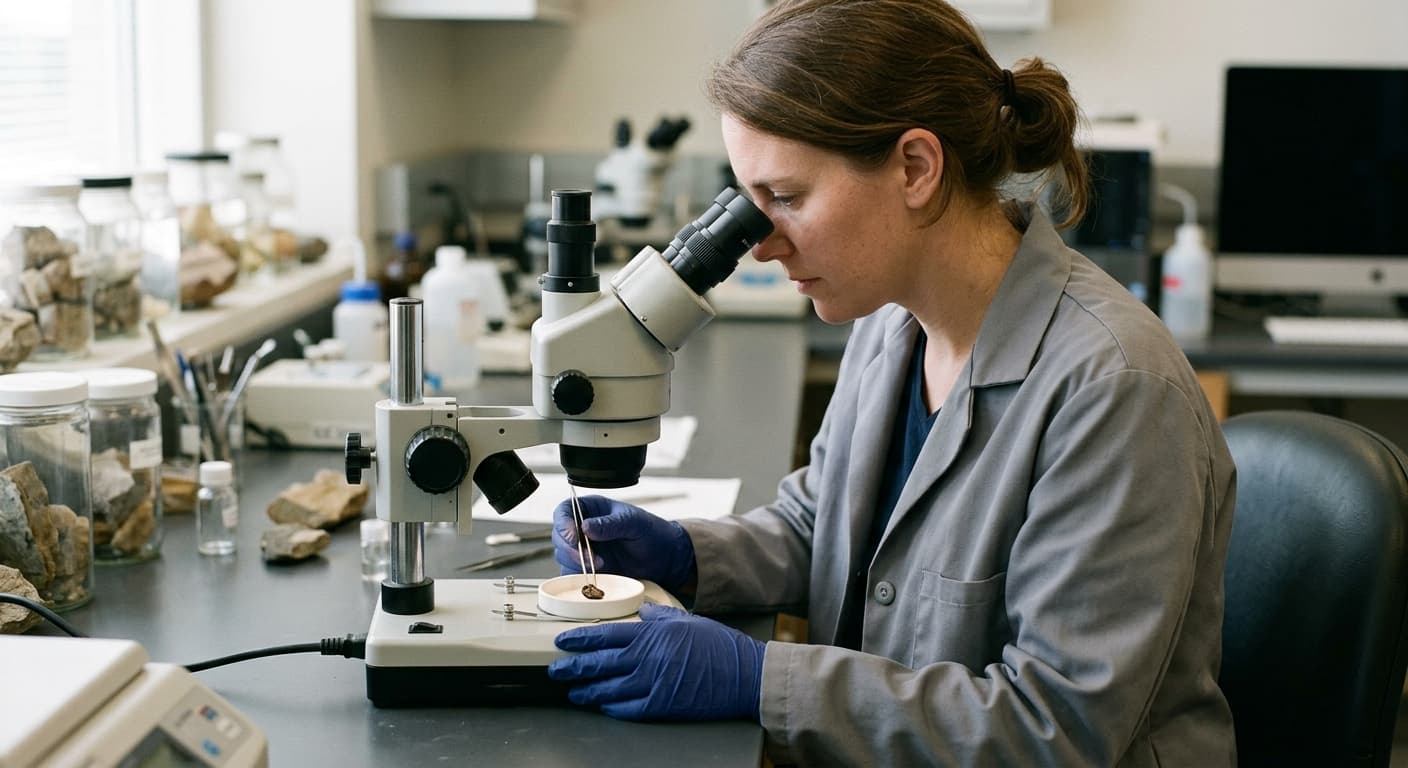
The research team extracted enamel proteins preserved in the teeth of five men and one woman, recovered from several locations in China. All six teeth carried two mutations together in a single protein that makes up tooth enamel. One of these had never been reported before and may be a marker unique to the East Asian members of Homo erectus.
Denisovans, and a Trace That Reached Us
The other mutation is more intriguing. This variant was also confirmed in Denisovans and in a small fraction of modern humans. Based on this, the research team believes Homo erectus may have mated with Denisovans in the past and passed the gene on to them. They suspect the path by which this gene reached us today ran through a later period, when our own ancestors interbred with Denisovans once again.
Ryan McRae, a paleoanthropologist at the Smithsonian National Museum of Natural History who was not involved in the study, told the AP, "This traces who we are now back to our ancestors in a really cool and exciting way, using new methods." He added, however, that the exact relationship remains uncertain, since it is also possible that Homo erectus did not interbreed with the Denisovans but was instead simply an ancestor of the Denisovans to begin with.
A Puzzle That Fossils Haven't Yet Filled In
Professor Qiaomei Fu, who led the study, said that more DNA and fossil fragments are needed to pin down exactly how Homo erectus connects to other human groups. Because so little genetic information survives in bone or teeth, today's conclusions remain a provisional picture that could shift with new fossil finds.
The Korean Peninsula also holds traces from this same period. According to the Jeongok Prehistory Museum, human habitation on the Korean Peninsula is generally thought to date back as far as 1 million years ago, based on fossils and sites in northeastern China, and the early humans of this period are classified at the same Homo erectus stage as in this study. Geomeunmoru Cave in Sangwon County, Pyongyang, considered the oldest known site on the Korean Peninsula, is estimated to date to 400,000 to 500,000 years ago, roughly the same period as the Chinese teeth analyzed in this study.
However, no human bones or teeth from that exact period have yet been found on the Korean Peninsula. The oldest confirmed human bone fossils on the peninsula all come from caves in North Korea, and even these date to the Homo sapiens stage, much later than Homo erectus. The Korean Peninsula simply does not yet have the material needed to analyze proteins in teeth and search for traces of interbreeding, the way this study did.