
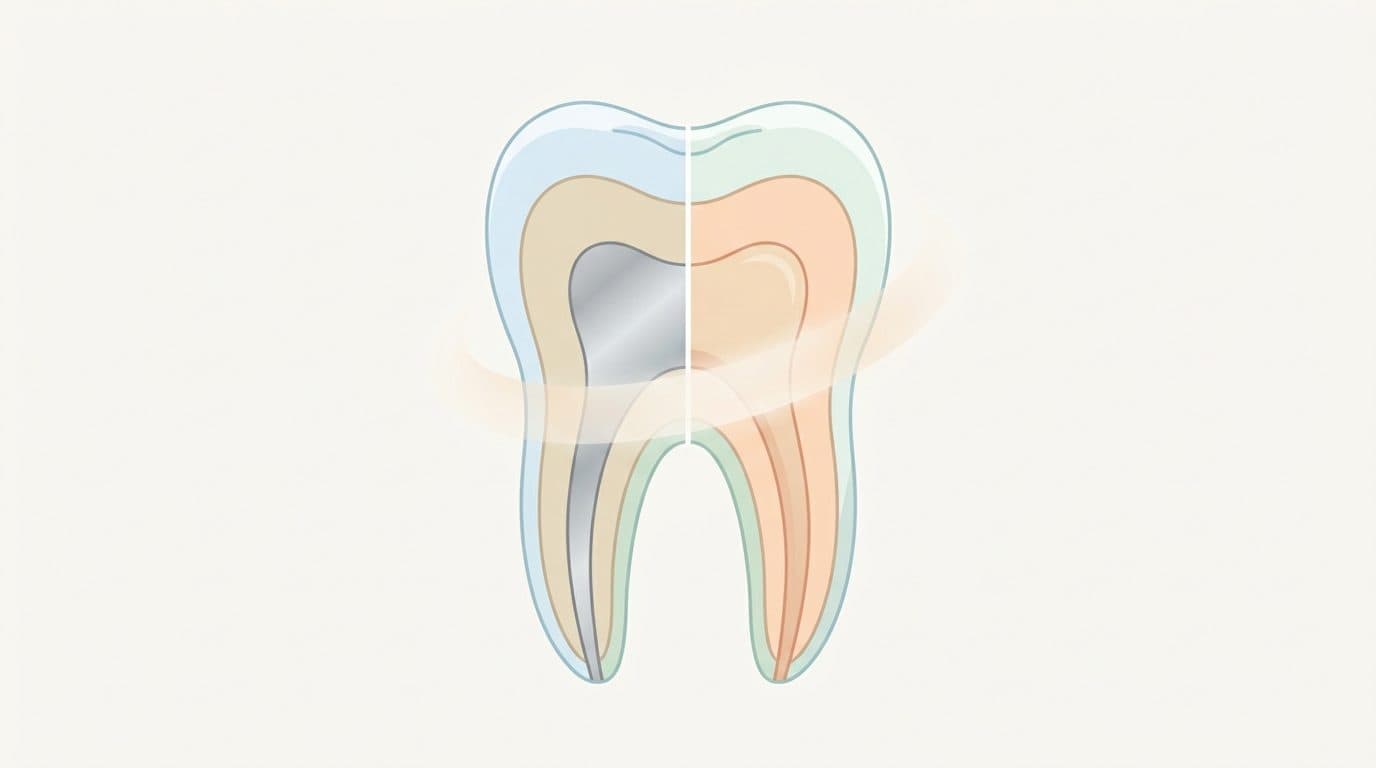
A federal health agency responsible for the care of Native Americans and Alaska Natives has decided to completely phase out the mercury amalgam fillings it has long used to treat tooth decay, doing so by 2027. Critics have long pointed out that a material private dentistry has largely abandoned still lingers in the public dental clinics that many low-income patients rely on.
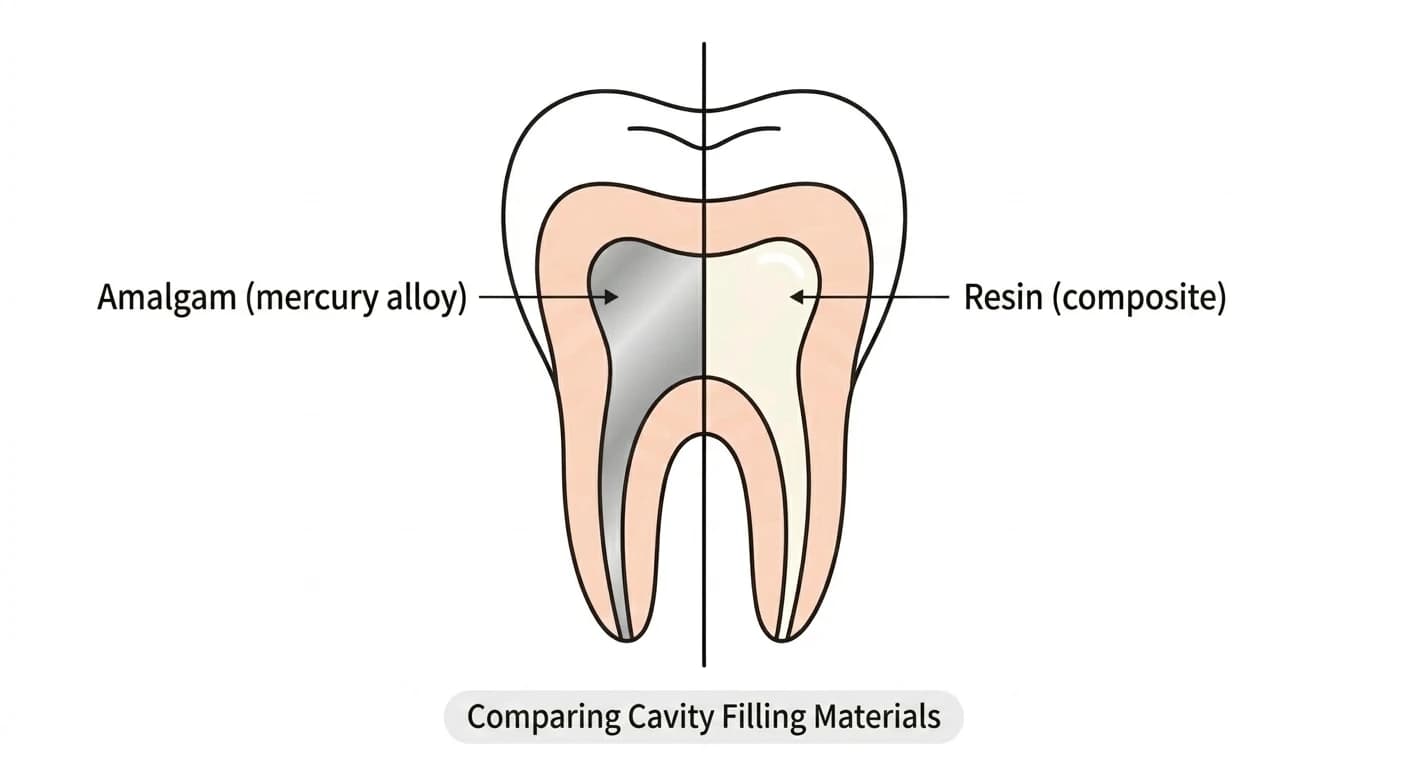
According to The Associated Press, the U.S. Indian Health Service (IHS) announced in February that it would phase out the use of mercury-containing amalgam fillings, often called "silver fillings," and switch to alternatives such as resin. IHS is the federal agency responsible for roughly 2.8 million Native American and Alaska Native patients.
Declining Amalgam Use After the FDA's Reclassification
Amalgam use had been steadily declining across the United States. After the U.S. Food and Drug Administration (FDA) reclassified amalgam fillings from low to moderate risk in 2009, the industry rapidly shifted toward tooth-colored resin fillings. IHS internal data show the share of patients receiving amalgam fillings fell from 12% in 2005 to 2% in 2023. Still, the FDA and the American Dental Association (ADA) maintain there is no evidence that amalgam causes long-term health harm.
The Minamata Convention's 2034 Phase-Out Agreement
Behind the decision is an international treaty on mercury. The World Health Organization has recommended that countries phase out the use of dental amalgam. Parties to the Minamata Convention, which the U.S. and other countries have joined, agreed in November to phase out the use of mercury-containing dental amalgam entirely by 2034, according to the AP. IHS's 2027 target is seven years ahead of that international timeline. U.S. Health and Human Services Secretary Robert F. Kennedy Jr. said in a statement, "This is a commonsense step that protects patients and prevents harm before it starts."
Public Care Still Using Amalgam and Mercury Management in Korea
Medicaid and IHS Patients Without a Choice
Even so, the policy's effects won't be felt evenly across the country. Rochelle Diver, U.N. environmental treaties coordinator for the International Indian Treaty Council, said "The rest of the world is light years ahead of us," adding that IHS patients should not receive treatment considered antiquated in the private sector, according to the AP. Charles Brown, president of the World Alliance for Mercury-Free Dentistry, noted that many state Medicaid programs still cover amalgam fillings, pointing out, "If you're on Medicaid, if you are stuck in the Indian Health Service, if you were stuck in a prison or other institution, you just don't have any choice."
Amalgam Mercury Emissions and Waste Management in Korea
In South Korea, too, amalgam removal treatment is still covered by national health insurance. A research team led by Professor Kang So-hee of the Department of Dentistry at Yeungnam University College of Medicine combined 2014-2018 treatment data from the Health Insurance Review and Assessment Service with the average weight of a single amalgam filling (0.2g, 50% mercury content), and estimated that grinding down amalgam fillings releases about 93.4 kg of mercury into the environment in Korea every year. That is roughly equivalent to the mercury contained in 9 million to 18 million fluorescent lamps.
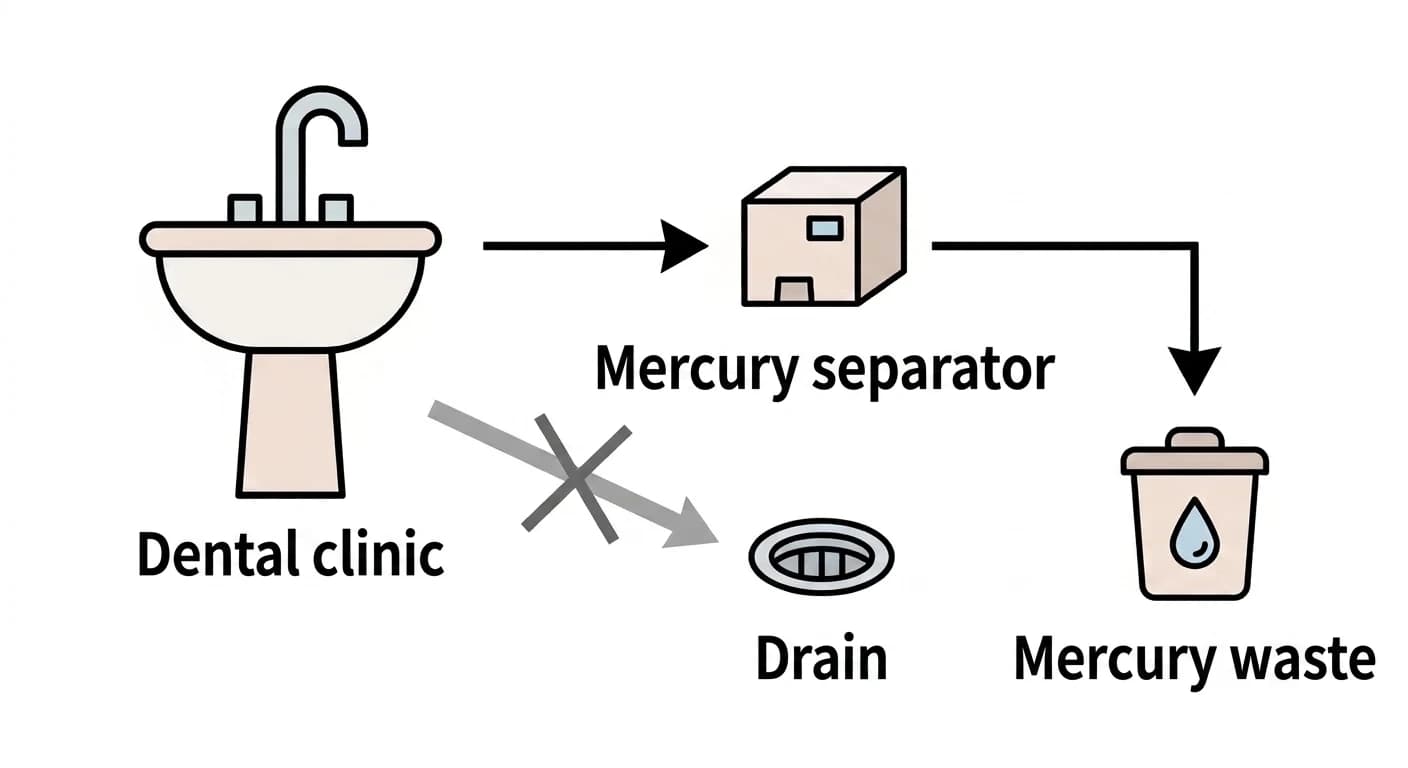
Even so, amalgam waste is not subject to Korea's extended producer responsibility recycling system, and there are no separate disposal standards for it. Compared with the U.S. Environmental Protection Agency, which mandates the installation of mercury separators, or the European Union, which bans amalgam use in children and pregnant women, South Korea remains only at the stage of reducing use, with disposal-stage management just beginning to be discussed. The research team proposed that collecting and processing waste at regional hubs could cut costs by more than 96% compared with individual disposal.