
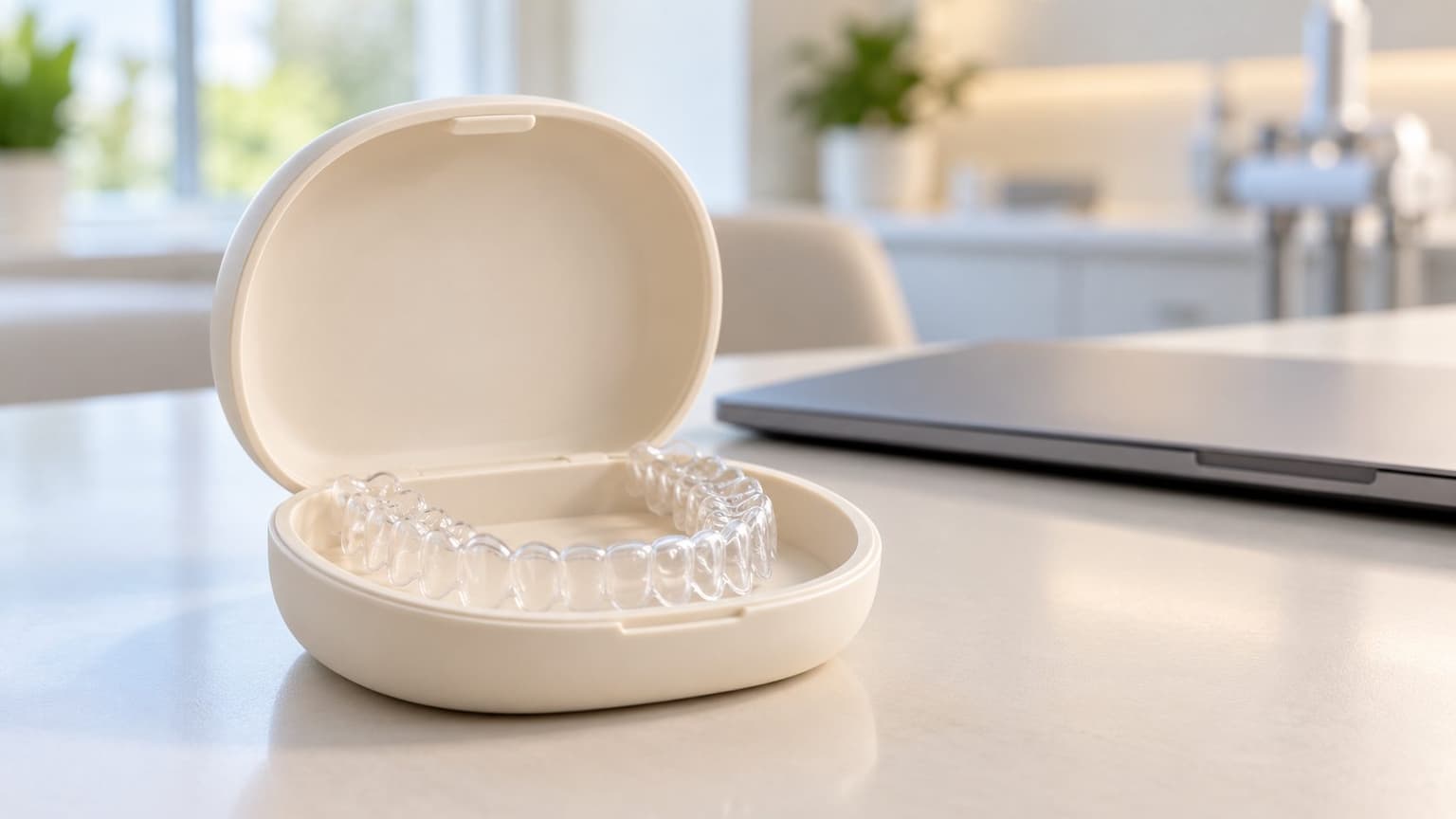
Spanish clear aligner company Impress has secured a loan from the European Investment Bank (EIB) as it expands into Germany and other markets.
According to a draft bank statement reported by Bloomberg on October 27, the loan amounts to €40 million. The funding is intended for expansion beyond southern Europe and forms part of the European Union's (EU) policy to support healthcare and technology companies. The report did not specify the date of the loan's approval.
Expanding Its Clinic Network into Germany and the Netherlands
Founded in 2019, Impress is based in Barcelona. It currently operates 110 clinics across 10 countries, including 22 in Spain. It has raised €280 million through five funding rounds.
The company is focusing on Germany and the Netherlands. It sees growth opportunities in demand centered on traditional orthodontic appliances and a market fragmented among multiple providers. It also plans to expand its US business. In 2024, it grew through the acquisition of Dr. Smile from Straumann.
Relying on Remote Monitoring to Reduce Costs
Impress co-founder and chief executive Vladimir Lupenko explained that advances in AI have made it easier to manage and monitor treatment remotely. The idea is to reduce spending on clinical staff and facilities by scheduling clinic visits only when needed.
Lupenko said this approach allows a small number of clinics to serve a wide area. He put treatment costs at around €3,000, compared with €4,500 for traditional orthodontic treatment. This price comparison was provided by the company's chief executive. The report did not include comparative data matched for patient condition or treatment scope, making it difficult to interpret the figures as showing the same cost difference for every patient.
Expansion Strategy After Its First Profit
Impress made its first profit in 2025, with revenue rising 40% from the previous year to €102 million. Lupenko set a goal of maintaining this growth rate. Results already achieved should be distinguished from future targets.
Marketing also plays a major role in the expansion. The company spends around 20% of revenue on marketing, mainly using digital platforms such as TikTok. Clinic and staffing costs, and the cost of orthodontic appliances, each also account for around 20% of revenue. Alongside remote monitoring, the cost of acquiring customers is another pillar of its business model.
Readers in South Korea should consider the company's stated prices separately from the scope of health insurance coverage. When revising the relevant rules in 2021, South Korea's Ministry of Health and Welfare clarified that orthodontic coverage applies to cases specified by the minister among treatments intended to improve chewing and speech functions impaired by congenital anomalies. An overseas company's funding or explanation of its prices does not mean that insurance coverage for orthodontic treatment in South Korea has expanded.