
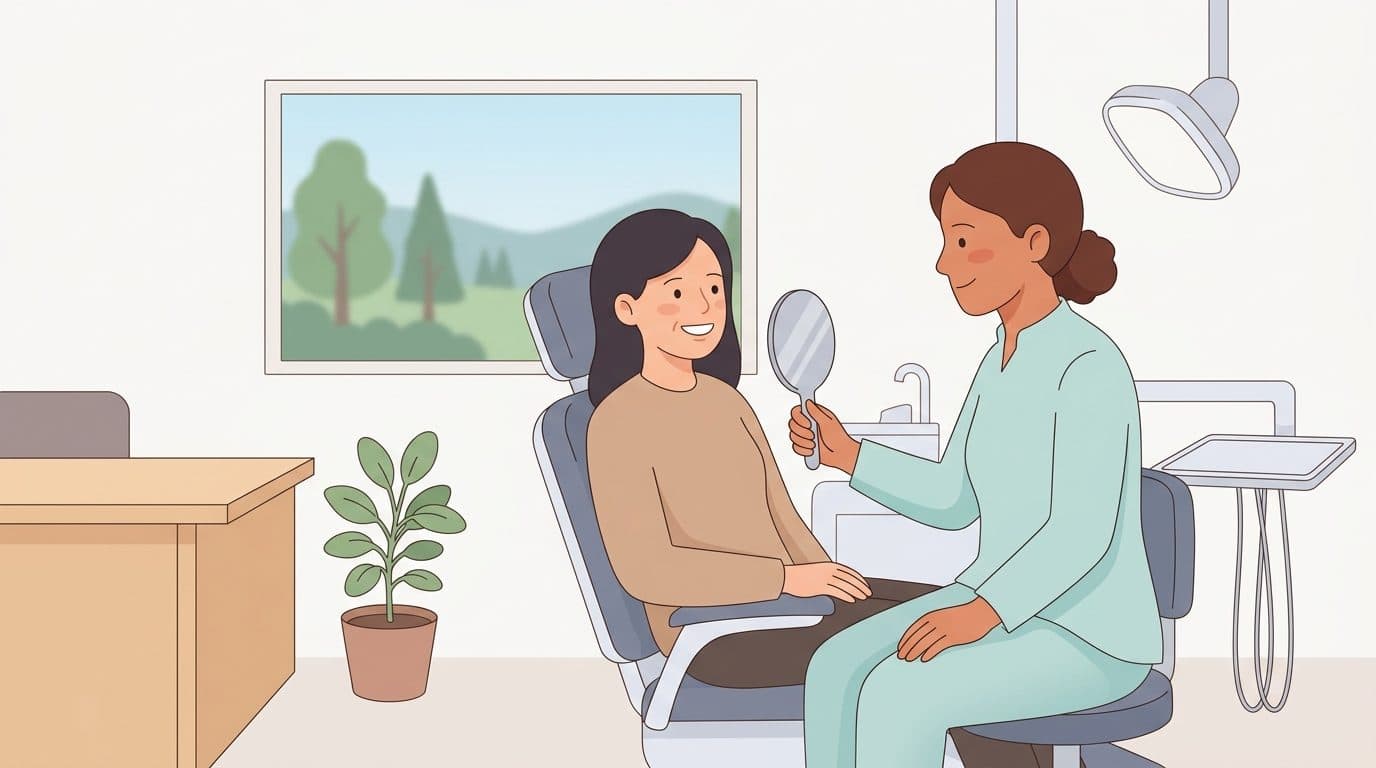
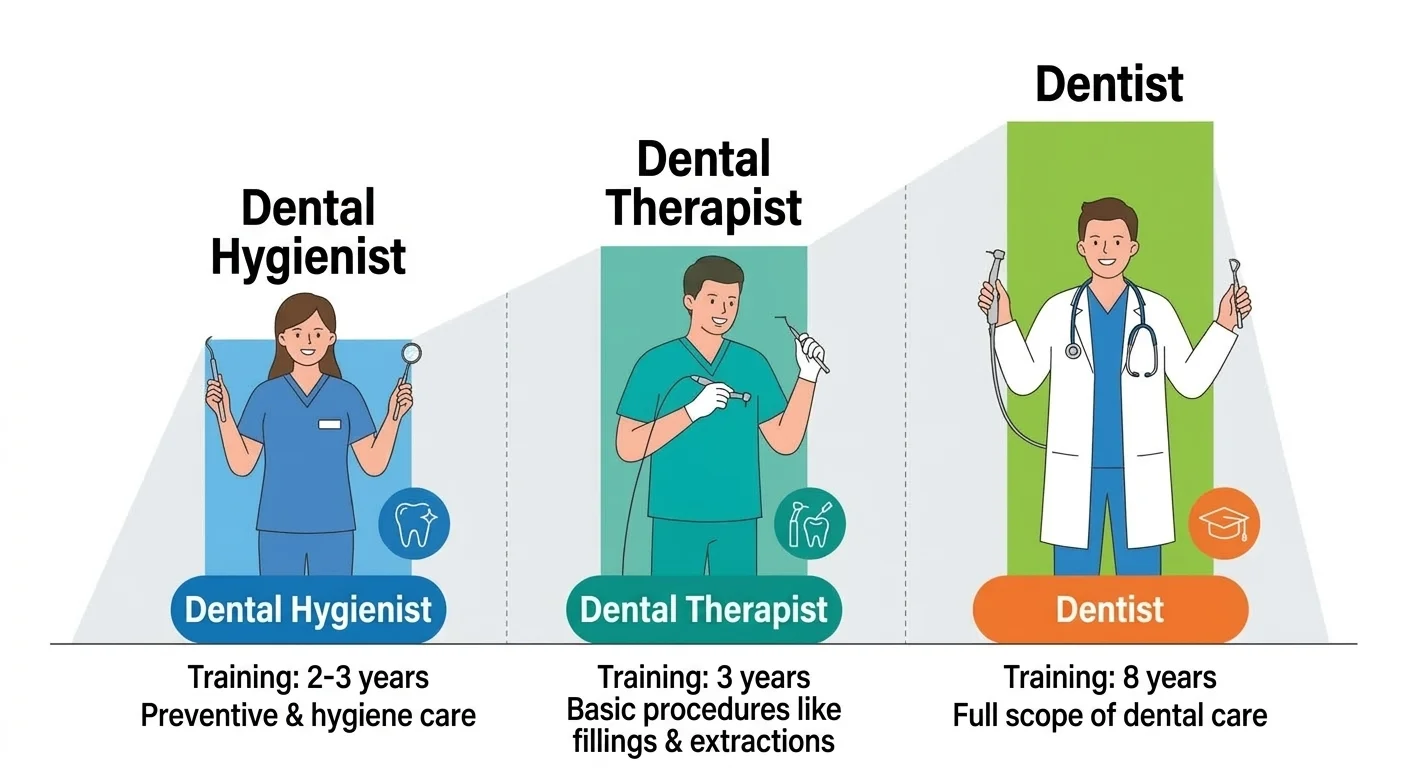
Michigan has created a new profession for areas that lack dentists: the "dental therapist," a role that requires less than half the schooling of dental school, just three years, and can perform basic care like fillings and extractions.
According to the Associated Press, Michigan is weighing several fixes as it faces a broader shortage of health care workers, including doctors, nurses and dentists. Alongside proposals to expand nurse practitioners' prescribing authority and grant temporary licenses to doctors trained abroad, the state chose to address the dental gap by creating a new role that sits between dentists and dental hygienists.
Trained for Three Years, Already Treating Patients: Michigan's First Dental Therapist
Michigan's first dental therapist is Dana Obey. In her late 30s and raising infant twins, she moved from being a dental assistant to a dental therapist, and with a scholarship from the Michigan Primary Care Association, she completed a three-year program in Washington state. Since last September, Obey has been treating low-income and uninsured patients at Bay Mills Health Center, a community health clinic in the Upper Peninsula.
The Michigan legislature approved the role by law in 2018, but it took seven years just to write the administrative rules and rework the Medicaid payment system for low-income coverage. Ferris State University will host the state's first formal training program for dental therapists, but it won't open its doors for a few more years.
Dentists' Student Debt and Avoidance of Rural Areas
Becoming a dentist requires eight years of study, and graduates carry roughly $300,000 in student debt on average, according to the research organization Education Data Initiative. "They are just finishing school with so much debt, and then you want them to go and work for pennies?" Obey said. As a result, dentists flock to profitable practices in urban areas, while regions with smaller, lower-income populations keep struggling to find dentists.
The Debate Over Dental Therapists and Korea's Staffing Shortage
Misty Davis, who oversees the placement of dental therapists at the Michigan Primary Care Association, said, "If we are trying to open pathways for people in communities that need (to be) better served, we have to do something differently." The Michigan Dental Association's president, Dr. Cheri Newman, has argued instead that it would be better to train more existing dentists and dental hygienists and expand outreach to high school students, rather than create a new profession. Physician and dentist groups have also raised concerns that adding more "mid-level" roles could confuse patients about who can provide what kind of care.
Korea has no such mid-level role between dentists and dental hygienists; only these two professions are legally recognized. But the circumstances differ. 77.4% of Korean dental clinic owners posted hiring notices last year, and the most common reason cited for the workforce crunch, at 35.5%, was a shortage of dental hygienists. The perceived severity of the shortage averaged 8.16 out of 10, and it was actually higher in the Seoul metropolitan area, where dental clinics are concentrated, at 8.42, than in other regions, at 7.75. Unlike the United States, where dentists themselves are in short supply, Korea's problem is closer to the opposite: clinics can't find enough dental hygienists to assist the dentists they already have.