
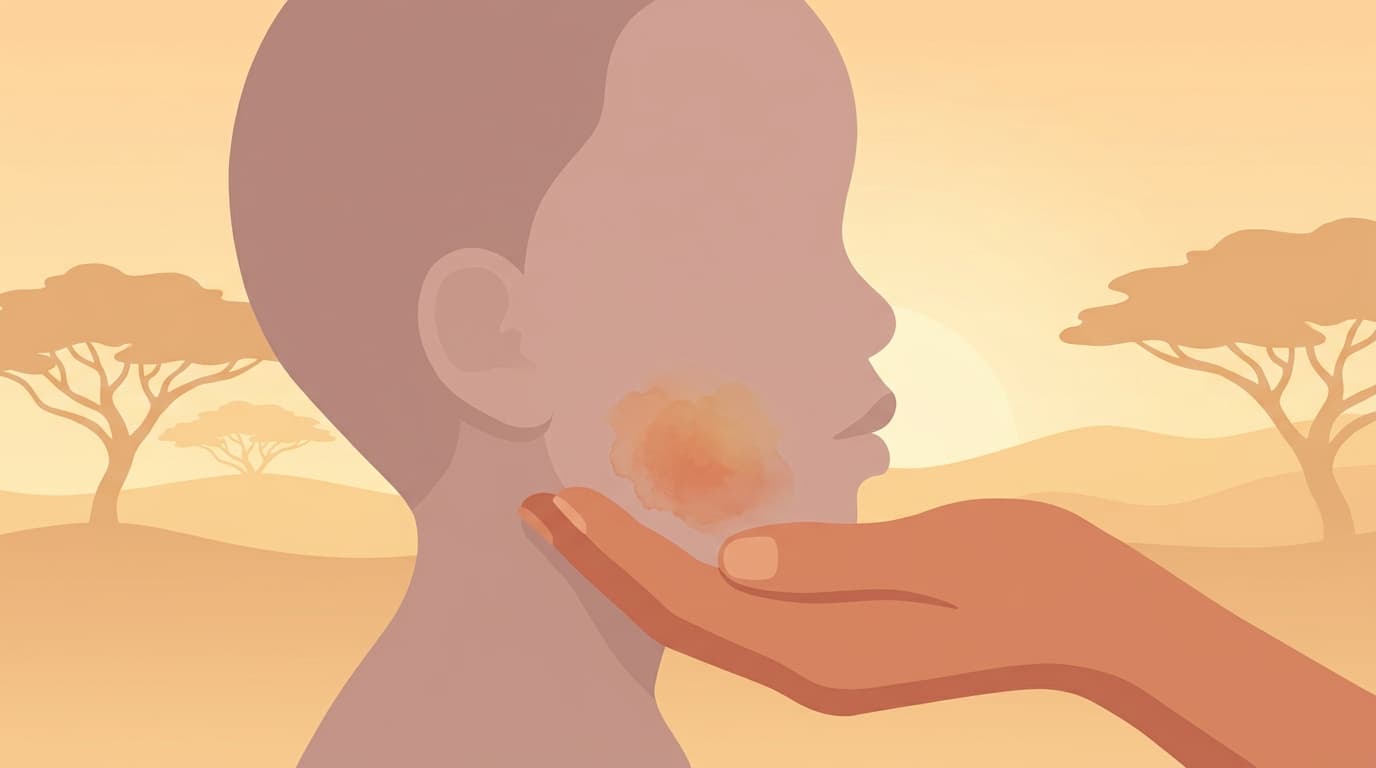
Cases of noma, an infection that begins with gum inflammation and destroys facial tissue and bone within weeks, are rising again in Nigeria. Doctors Without Borders (MSF) is responding with free facial reconstructive surgery.
According to the Associated Press, Ibrahim Dalhatu, who contracted noma at age 3, has undergone six operations since 2021 at the Noma Children Hospital in Nigeria's northwestern Sokoto state. Now 8, Ibrahim can eat and speak normally again after surgery to remove a nasal fistula.
Gum Inflammation That Destroys a Face Within Two Weeks
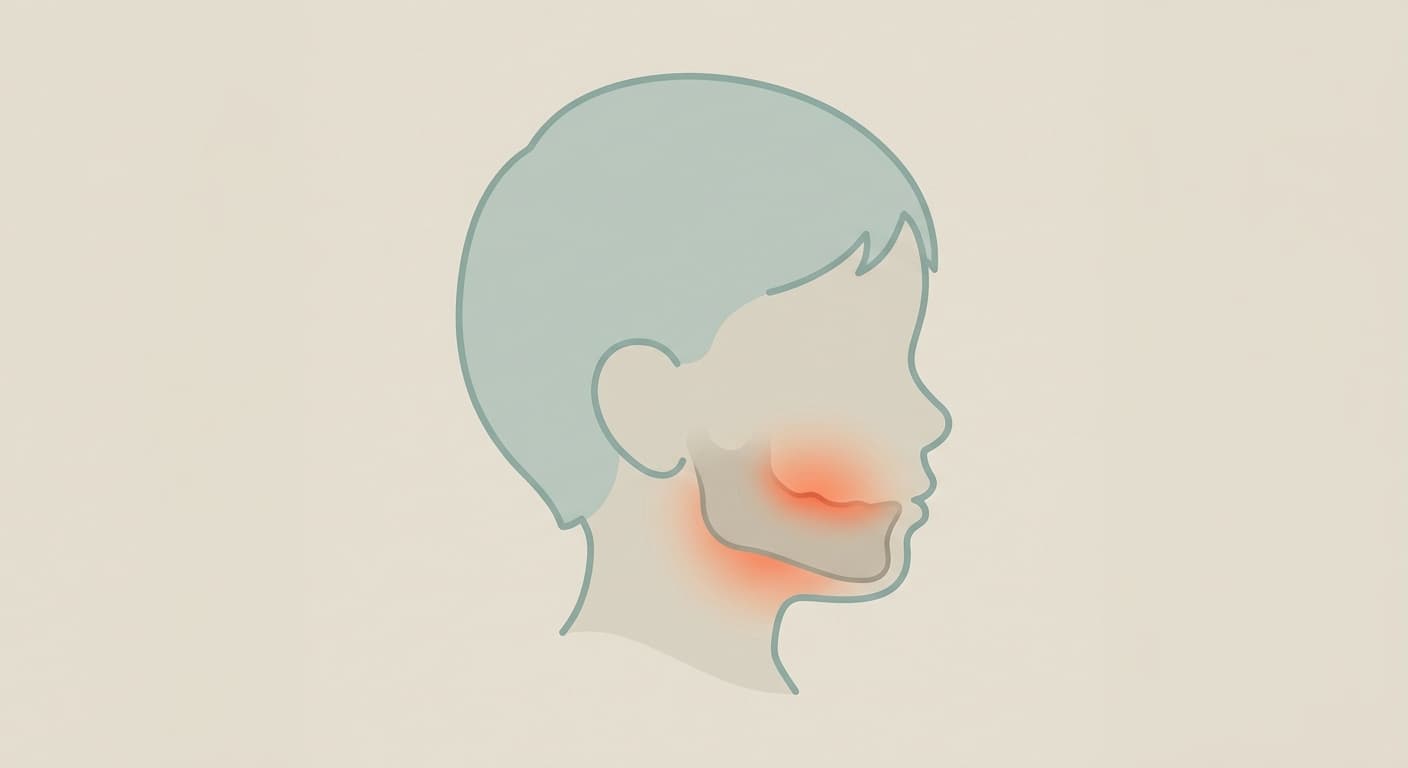
Noma mostly affects malnourished children ages 2 to 6 living in polluted environments. It begins as mild gum inflammation but quickly spreads to destroy the soft tissue and bone around the mouth. "The disease damages the mouth tissues within a short period," said Dr. Abubakar Abdullahi Bello, chief medical director of the Noma Children Hospital in Sokoto. "It eats up the tissue within two weeks of onset if the patient does not receive treatment."
The World Health Organization (WHO) has not updated its data since a 1998 estimate that put annual noma cases at 140,000, with a fatality rate of 90% among those who go untreated. However, a study published this year in The Lancet Global Health, based on data from the Sokoto hospital, estimated more than 50,000 noma cases across 12 northern Nigerian states between 1999 and 2024. The disease is so concentrated across a stretch of Africa from Senegal and Mauritania to Ethiopia that the region is known as the "noma belt."
Free Surgery Gives Children a Reason to Smile Again
The trend of rising noma cases is clear in Nigeria. Doctors Without Borders is responding by running multi-stage free reconstructive surgeries three times a year. "Before, I was worried about the cost of the treatment, but when I was told it was free of charge, I was so happy," said Muhammad Dalhatu, Ibrahim's father and an Islamic teacher.
More than 500 children passed through the Sokoto hospital between 2023 and 2025 alone, but many more are still waiting for surgery. Maryam Sabiu's 4-year-old son contracted noma in 2024, leaving a hole in his left cheek that extends toward his left eye, but he is too young to undergo surgery, she said. Nigeria has only two hospitals that specialize in treating noma: the one in Sokoto and another in Abuja, which opened in 2023.

A Name After Decades of Being Overlooked
The World Health Organization officially recognized noma as a neglected tropical disease in December 2023. Neglected tropical diseases are those that have long received insufficient global attention and research funding. The WHO calls noma "a marker of absolute poverty" and has said evidence shows it can be greatly reduced by early treatment. "We are seeing more acute noma cases, and we are veering toward awareness for the community so they can bring their children earlier to prevent tissue loss and require reconstructive surgery later in years," said Bukola Oluyide, MSF's Nigeria medical coordinator. Yuka Makino, a technical officer for oral health at the WHO's Africa office, explained that noma is an opportunistic, polymicrobial infection that research has shown can be caused by 117 different microorganisms. Experts point to extreme poverty and severe malnutrition as the biggest risk factors.
Noma existed in 19th-century Europe, but as nutrition, access to health care, and living conditions improved, the disease is known to have largely disappeared from industrialized countries over the course of the 20th century. Reports on noma are difficult to find even in Korean medical databases. MSF Korea used the term "noma" when it reported the WHO's 2023 neglected tropical disease designation, but the disease remains little known in Korea.