
In the US state of Ohio, baby teeth that children naturally lose are being used as data to check exposure to contaminants. Researchers at Ohio State University have reportedly been collecting donated baby teeth from children, toenail clippings from adults, and soil samples to find out how much residents have been exposed to radioactive oilfield wastewater sprayed on roads.
According to the Associated Press, this exploratory study is led by Dr. Arbor Quist, an environmental epidemiologist at Ohio State University, and began this summer, covering residents of three counties: Licking, Coshocton, and Ashtabula.
Radioactive Wastewater Sprayed on Roads
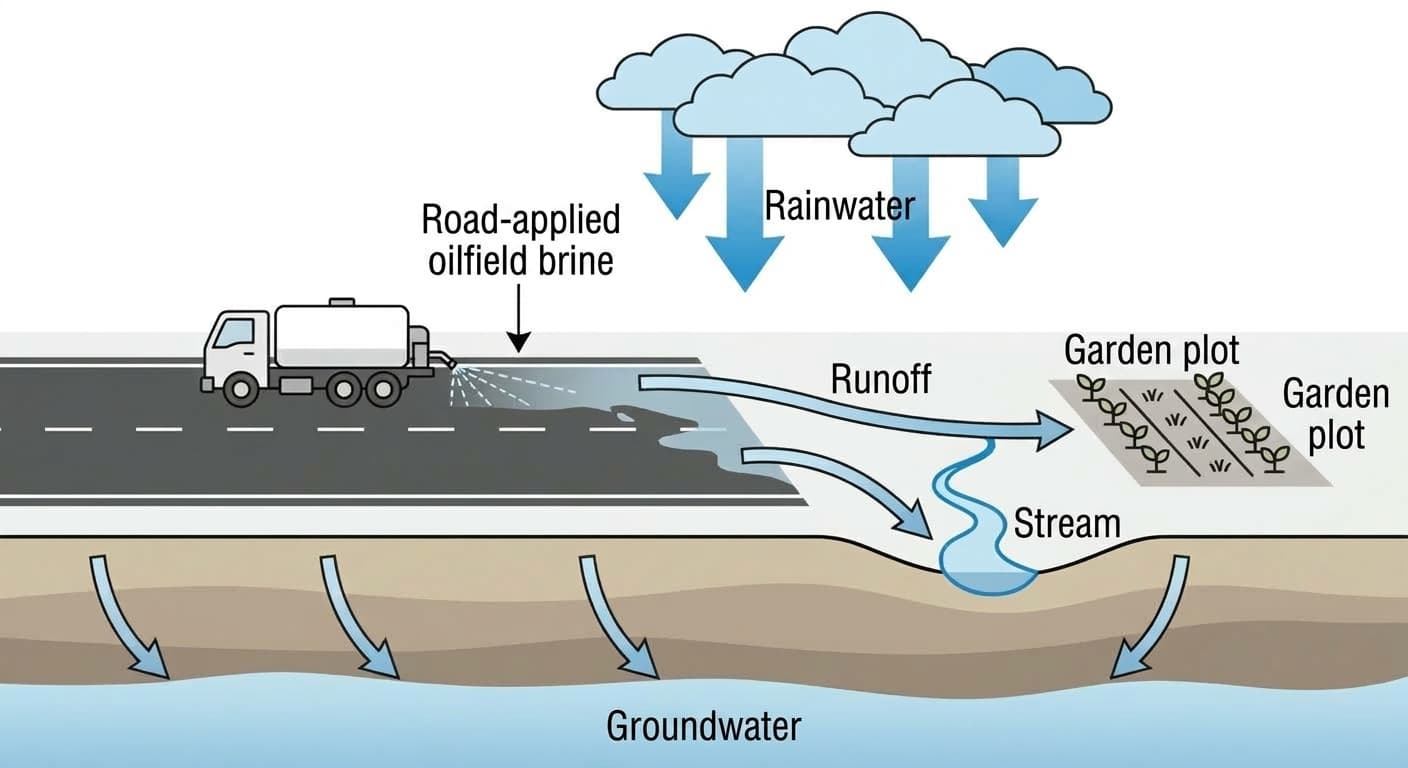
For more than 40 years, some areas of Ohio have sprayed oilfield brine, the salty wastewater that comes up along with crude oil and gas during extraction, onto roads. It is used to prevent icing in winter and to keep dust down. The practice has been legal in Ohio since 1985, and it continues today because it lets oil and gas companies hand off waste they would otherwise have to dispose of, free of charge, to local governments.
The Ohio Department of Natural Resources examined brine from 107 wells across 26 counties and 10 different rock formations, and found all of it too radioactive to discharge directly into the environment. Radium in the brine is chemically similar to calcium, so when it enters the body it accumulates in bones just like calcium. As radium decays, it produces radon, a colorless, odorless gas that is the second-leading cause of lung cancer in the United States after smoking. Jacque Morgan, a local resident who has campaigned against brine spraying, said, "Rain washes radium into people's gardens, seeps into the soil where they grow vegetables for their kids to eat, and flows into streams and groundwater."
The Record Left by Baby Teeth and Toenails
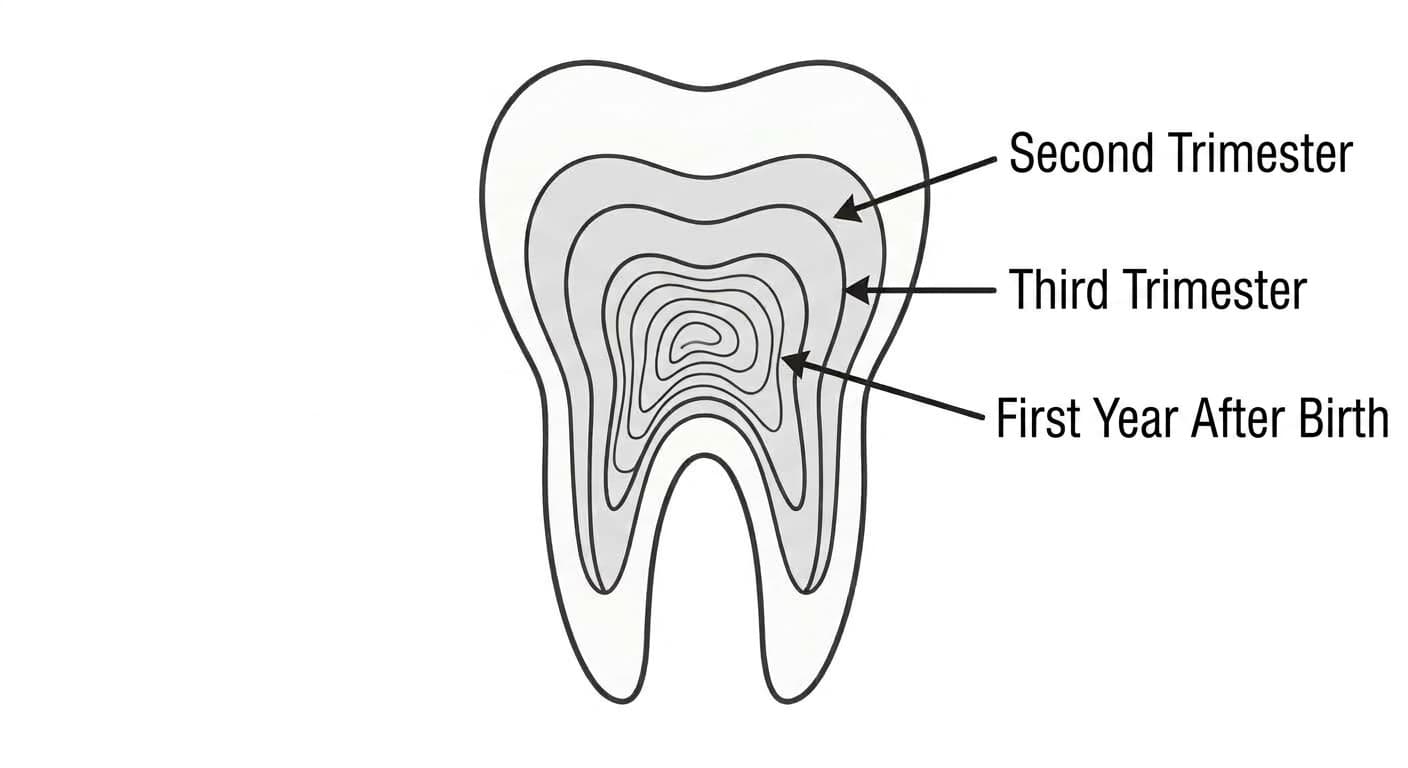
There are eligibility requirements for the samples the researchers collect. To donate toenail clippings, a person must have lived in Licking County for the past year; to donate a baby tooth, the child from whom it came must have lived in the county through the second and third trimesters of pregnancy and the first year after birth. Participants receive gift cards.
These requirements reflect the study's goal. Blood tests only reveal exposure from the past few days to a few weeks, but teeth grow while retaining, in their tissue, traces of whatever entered the body as they formed. That makes a single baby tooth that has already fallen out a record that can be used to trace what a child was exposed to, from the fetal period through early childhood. "This project is just starting this summer," Professor Quist said, "but people seem interested and curious."
The Stalled Ban Bill
There is also a movement to stop brine spraying. Ohio Senate Bill 329, which would ban the practice, was introduced, and the Senate Agriculture and Natural Resources Committee held a second hearing on it in February, but there has been no significant progress since. Morgan met with the state senator for her district who introduced the bill and said, "He gave us plenty of time, listened to what we had to say, and asked questions." Granville Township, meanwhile, has already switched from brine to its own de-icer made by mixing water and road salt, managing its roads without the contaminant.
South Korea has no such practice of spraying radioactive wastewater on roads. Domestic crude oil and gas extraction is nowhere near the scale of Ohio's, and de-icing mainly relies on salt and calcium chloride. Still, radon is not an unfamiliar substance in Korea. The enforcement rules of the Ministry of Environment's Indoor Air Quality Control Act recommend keeping indoor radon concentrations in newly built apartment buildings at 148 Bq/m³ or below. Because this standard governs concentrations in the air of homes where adults live, it differs in nature from Ohio's approach of using baby teeth to trace fetal and early-childhood exposure. Domestic studies of children's contaminant exposure are generally conducted through blood or urine tests, and no case of using baby teeth to trace a history of exposure could be found.