
Supply Chain Disruptions Reach Tap Water
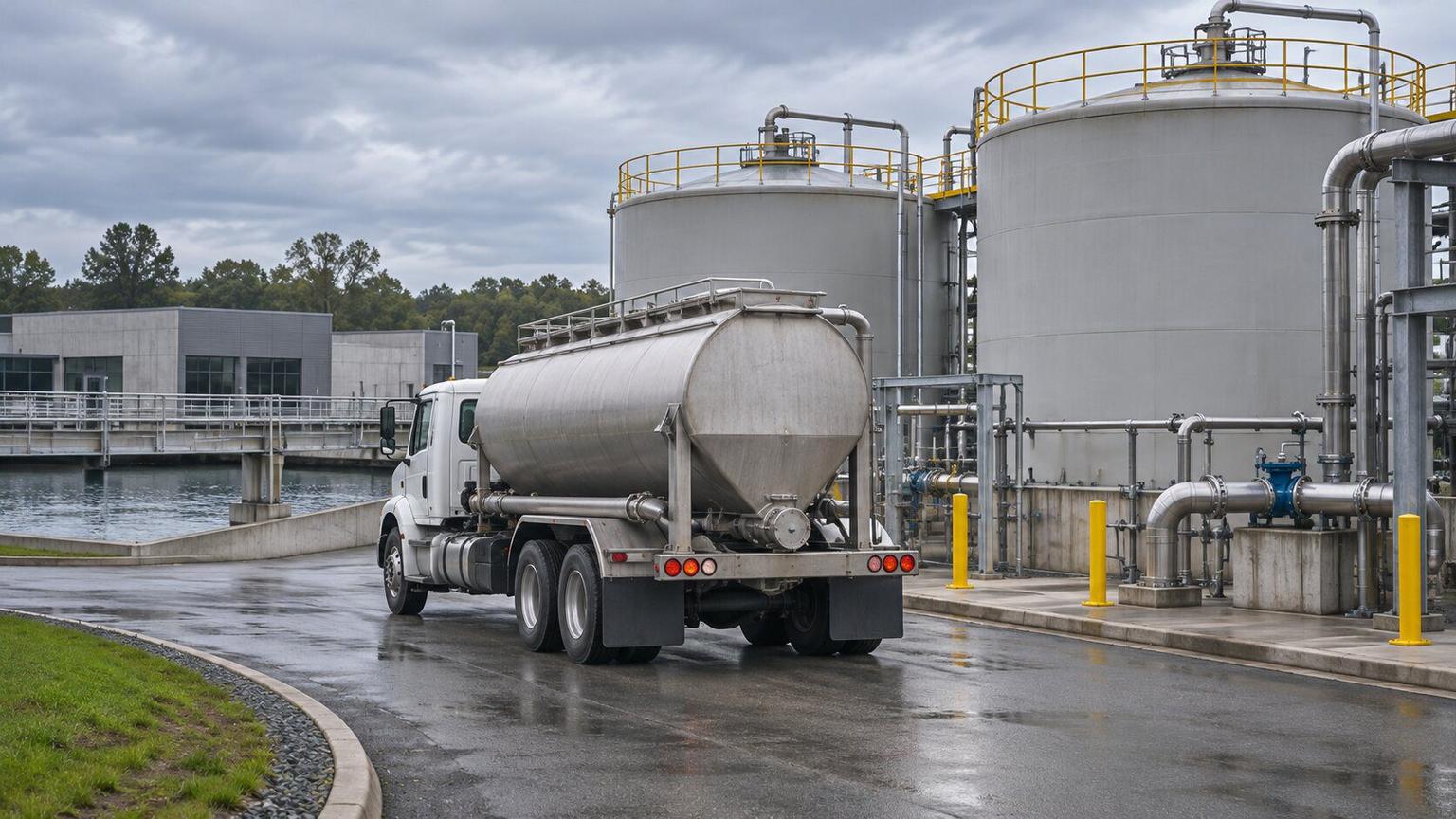
As supplies of fluoride materials are disrupted by the war in the Middle East, fluoride levels in tap water have fallen in some parts of the United States. Fluoride added to public water supplies is a public health measure for preventing cavities, and adjustments have begun in areas unable to receive materials on time.
The Associated Press reported on April 13, 2026, that US water utilities were facing supply disruptions. Israel is a major exporter of fluorosilicic acid used for water fluoridation, and Dan Hartnett, chief policy officer of the Association of Metropolitan Water Agencies, said supplies to the US market had declined because local suppliers were facing a shortage of production workers.
Areas Falling Below the Recommended Level
WSSC Water in Maryland lowered fluoride in tap water on April 7 from the recommended level of 0.7 milligrams per liter to 0.4 milligrams per liter. The utility supplies water to about 1.9 million people. Officials said they expected their stockpile to last for several more months, but they did not know when supplies would recover.
In Lititz, Pennsylvania, fluoridation was suspended for several weeks last month because of supply problems. So far, only some water utilities have been affected, but hundreds of thousands of people are impacted. There have also been projections that shortages could spread to other areas if the war continues.
Lower fluoride levels do not make the water itself less safe. However, Scott Tomar, an adviser to the American Dental Association, said the cavity prevention effect may be insufficient below about 0.5 milligrams per liter.
Short-Term Fluctuations and Risks for Children
Tomar said that lower fluoride levels for several months may not be a major concern for most people. However, studies of areas where fluoridation was suspended for several years have found changes in cavity risk.
Children whose permanent teeth are developing may be affected first. Fluoride helps strengthen enamel while teeth are forming and after they erupt. Experts advised residents in areas affected by supply disruptions to brush twice a day with fluoride toothpaste and continue regular dental care. They added that people should consult a dentist about whether to take separate fluoride supplements.
Understanding the Supply Chain Issue in South Korea
In South Korea, the Korea Disease Control and Prevention Agency also recommends using toothpaste with an appropriate amount of fluoride and receiving topical fluoride treatment to prevent cavities. The National Health Information Portal introduces tap water fluoride adjustment programs as one area of oral health services, showing that fluoride is addressed not only through personal products but also through community health systems.
Apart from debates over fluoride's effectiveness, this case in the United States shows that materials used in public health can be affected by international supply chains and war. US water utilities are making short-term adjustments, and whether long-term changes in cavities emerge will depend on how long supplies are interrupted and on preventive care in each area.