
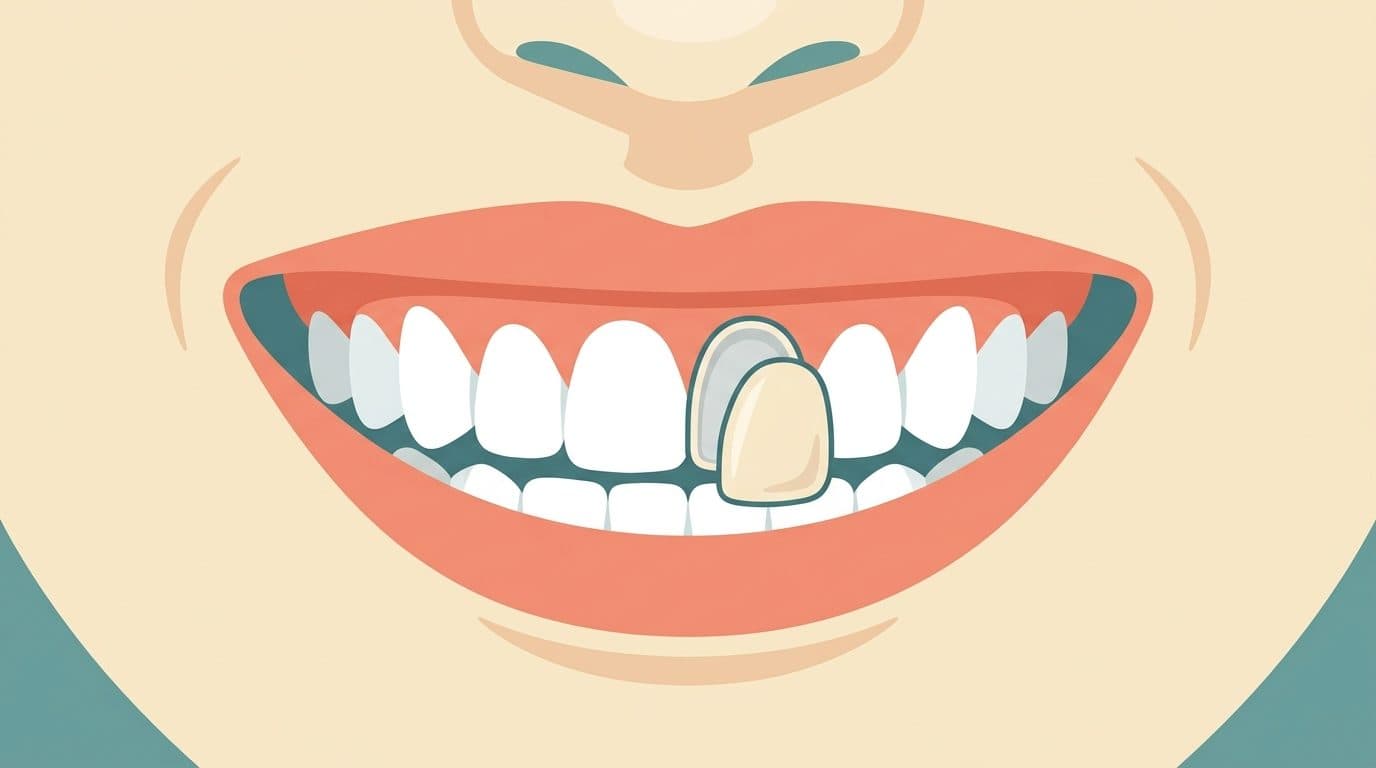
The big, white teeth that have dominated social media in recent years, the so-called 'veneer look,' are showing signs of losing their appeal. High-end dental practices in the US say more clients now want natural-looking teeth that don't betray the fact they've had veneers done.
According to Bloomberg, when the film The Odyssey premiered, actor and rapper Travis Scott's oversized veneers became a meme on social media. Separate from the critical praise the film received, the jokes about his teeth were read as a sign that people are growing weary of the 'artificially perfect' looks of influencers and celebrities.
An Influencer's Veneer Regret and a Preference for Natural Teeth

Mega-influencer Alix Earle made headlines last year with a video in which she said she regretted getting veneers. She explained that her dentist had encouraged her to have more teeth shaved down than she'd originally wanted, and she filmed herself filing down one of her fake teeth with a nail file. Bloomberg reports that even among high-end practitioners, more clients are asking for veneers that don't look like veneers, and more Botox clients are asking injectors to leave a few wrinkles intact. In the UK, big, white veneers gotten cheaply overseas have even picked up a mocking nickname: 'Turkey teeth.'
Cosmetic Procedure Data and Korea's Preference for No-Prep Laminates
The statistics, however, don't yet show a clear reversal. According to the International Society of Aesthetic Plastic Surgery (ISAPS), the number of nonsurgical cosmetic procedures performed worldwide rose more than 50% between 2019 and 2024, while face-lift surgeries climbed 64% over the same period. The broader pursuit of physical perfection remains as strong as ever. Bloomberg's analysis suggests that early adopters, the people who set trends rather than follow them, are already showing signs of moving on to the next thing. The reasoning: once a single look has dominated social media for close to 15 years, the industries that pushed it tend to eventually swing back toward allowing a few imperfections.
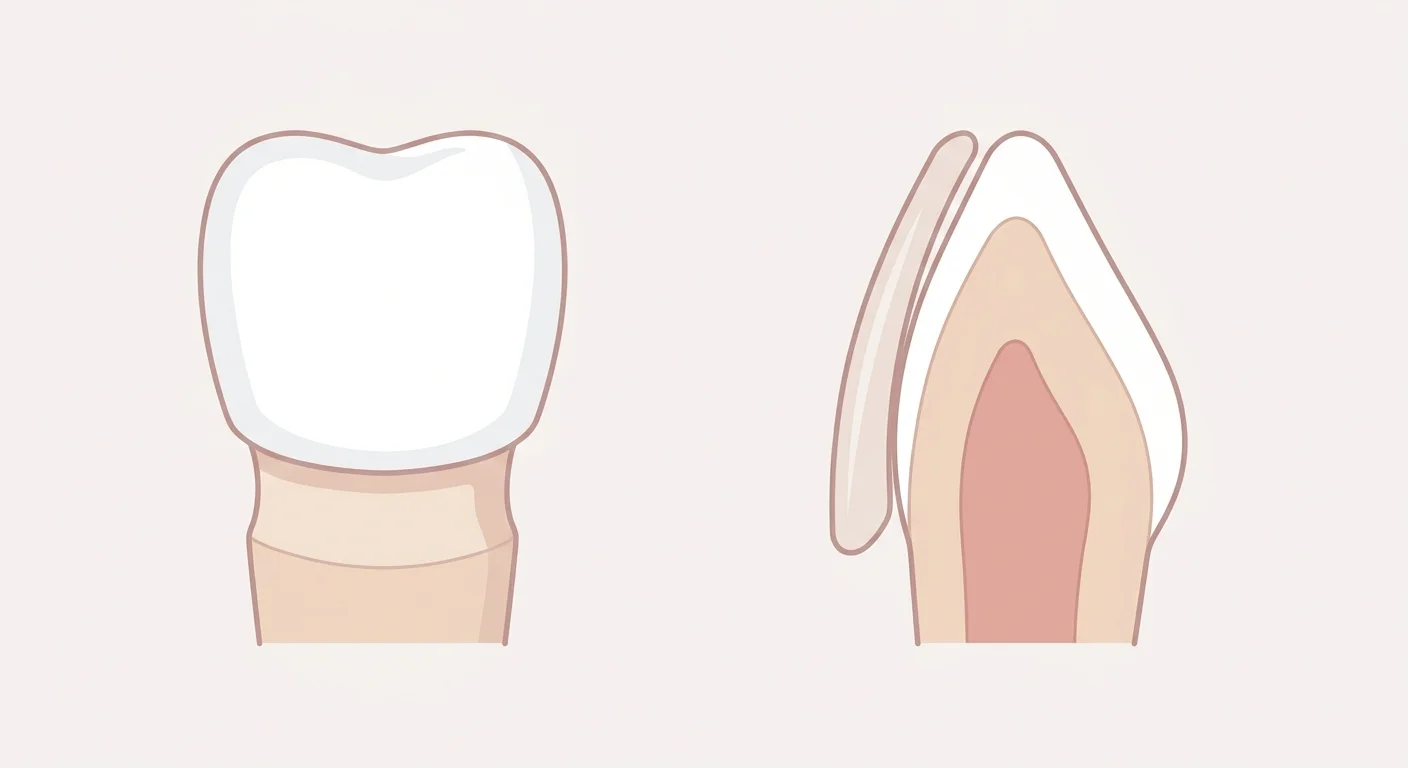
In Korea, the conversation around veneers, more commonly called 'laminates' there, is taking a somewhat different shape. Singer Jo Jjazz recently revealed on a broadcast that she'd had eye and nose surgery in high school and, more recently, dental laminates, saying the procedure shaved down almost none of her natural teeth. Among Korean dental practices too, demand is clearly rising for laminates that preserve as much of the natural tooth as possible, with little or no shaving. It's not quite the same aversion to veneers themselves seen in the US, but the desire to avoid procedures that remove a lot of tooth structure reads as similar. Last month, we covered a case in the US in which a patient suffered irreversible tooth damage after seeing a social media ad and visiting an unlicensed practitioner, a story that connects to this same current of 'shave less, show less.'