
Overview and Causes
Loss of the Blood Clot and Exposed Bone
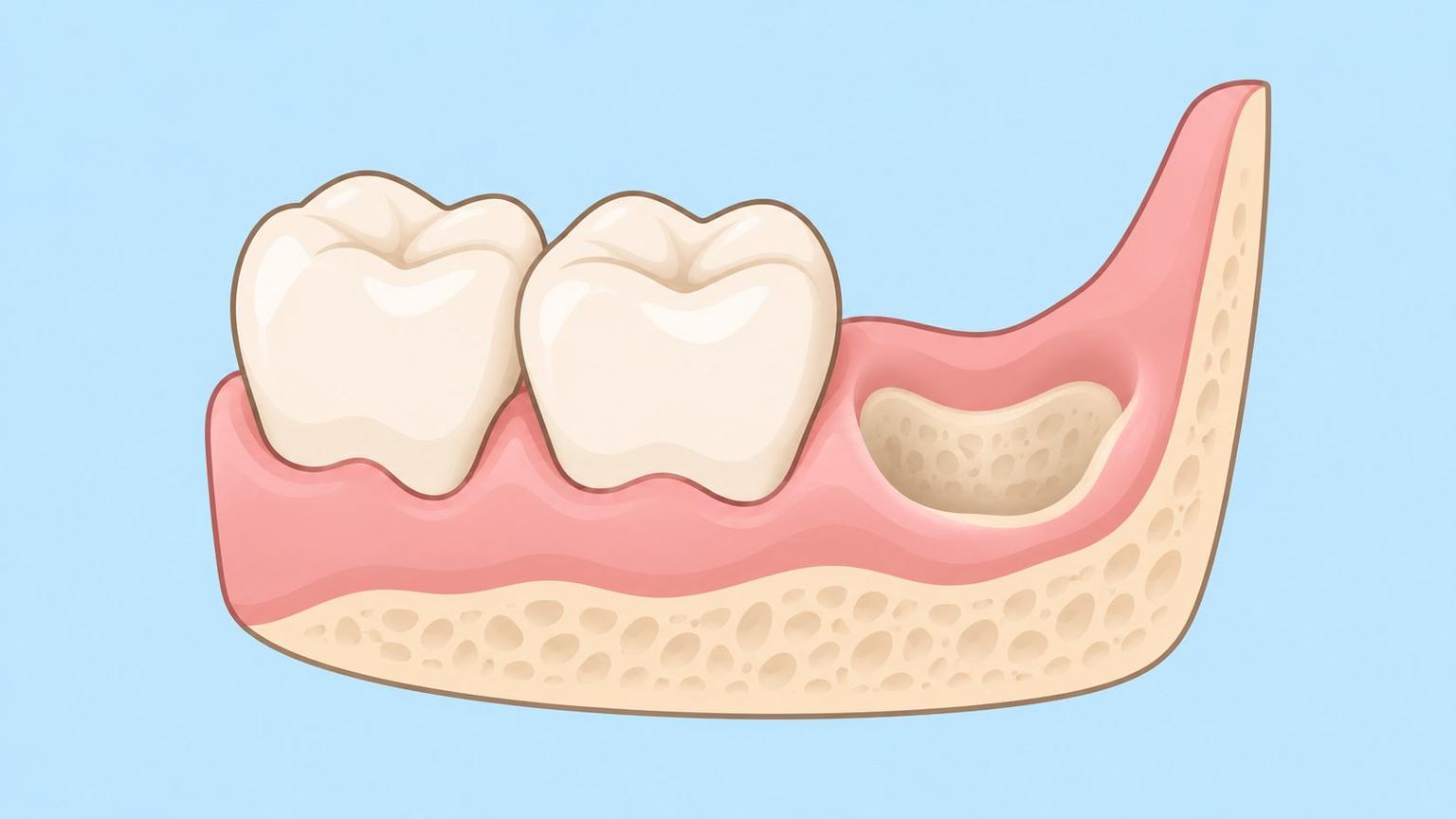
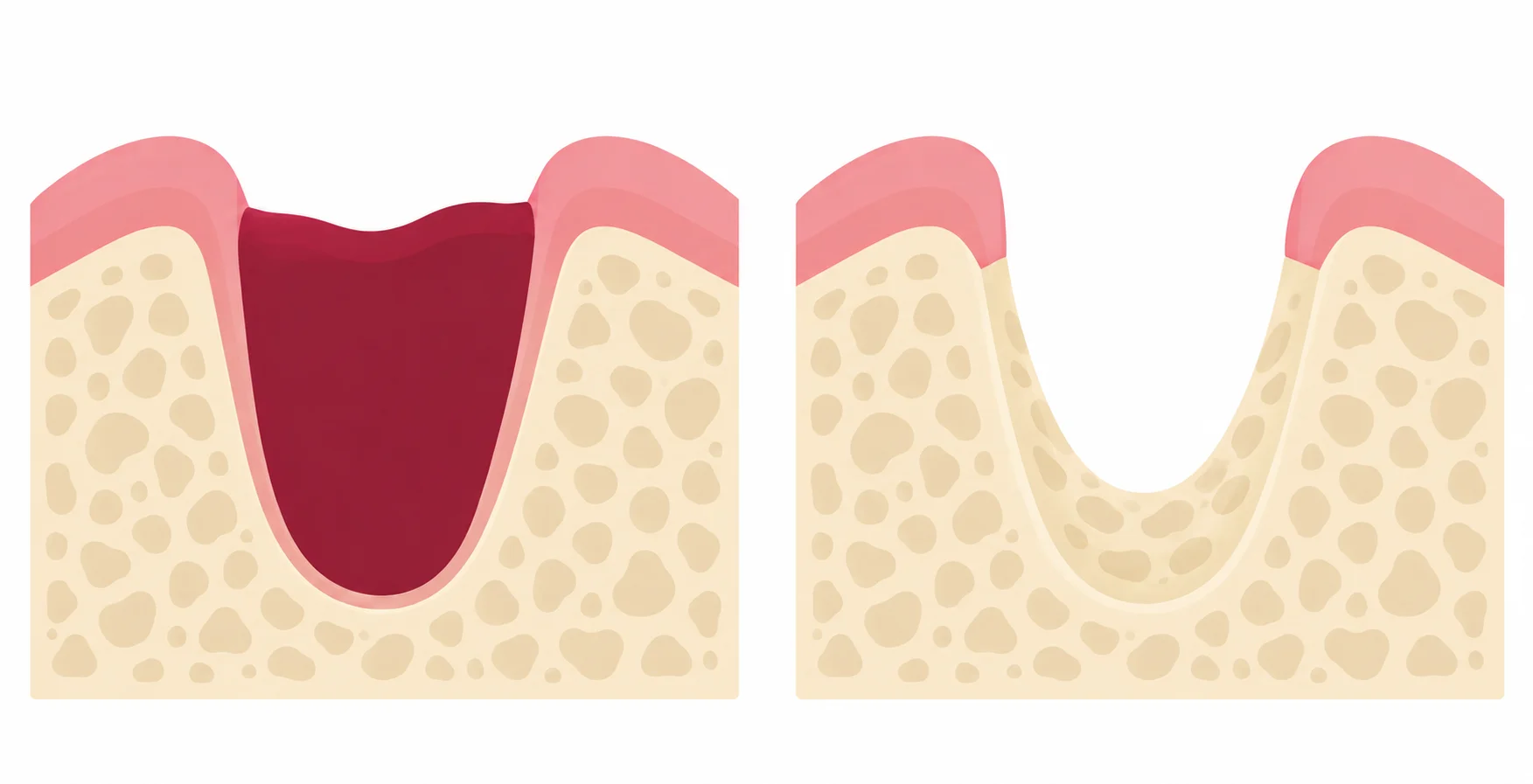
Dry socket is a complication in which a blood clot (a mass of clotted blood) fails to form properly or is lost early at the site of a tooth extraction, leaving bone exposed. It is also called alveolar osteitis. If severe pain and bad breath develop after an extraction, have the site checked at the dental clinic where the tooth was extracted.
The clot may fail to form properly in the first place, or it may break down or become dislodged prematurely after forming. Dry socket is particularly common after lower wisdom tooth extraction. It can also occur in children, but is uncommon.
Diagnosis and Treatment Path
Examination and Irrigation of the Extraction Site
The condition is assessed by considering pain and bad breath after extraction together with loss of the blood clot and exposed bone at the extraction site. Pain alone does not confirm dry socket. Start by having the site checked at the dental clinic where the tooth was extracted. Dentists who perform oral and maxillofacial surgery provide related specialist care.
At the dental clinic, the extraction site is gently irrigated with saline. A pain-relieving dressing and pain medication may be used if needed. Antibiotics are usually unnecessary for dry socket alone; they are considered when there is a spreading infection, systemic symptoms, or similar concerns.
Symptoms and Precautions
Severe Pain and Bad Breath
Severe pain and bad breath are the main symptoms, and the pain may radiate to surrounding areas. Pain typically worsens 2-5 days after extraction or may spread toward the ear or temple. If a fever develops or facial swelling progressively increases, other causes, such as infection, also need to be checked. If these symptoms occur after extraction, do not dismiss them as minor discomfort. Contact the dental clinic where the tooth was extracted and seek care.
Biting on Gauze and Protecting the Blood Clot
Why should you bite on gauze after a tooth extraction? It helps a blood clot form and stay in place at the extraction site. Bite firmly on the gauze for the time advised by your dental clinic, and avoid rinsing your mouth, spitting, and using straws for the first 24 hours after extraction. Avoid smoking during recovery, and do not touch the extraction site with your tongue or fingers. While the anesthetic is still working, take care not to bite your lips or tongue or burn yourself with hot food.