
Overview and Causes
Acute damage to the gums between teeth
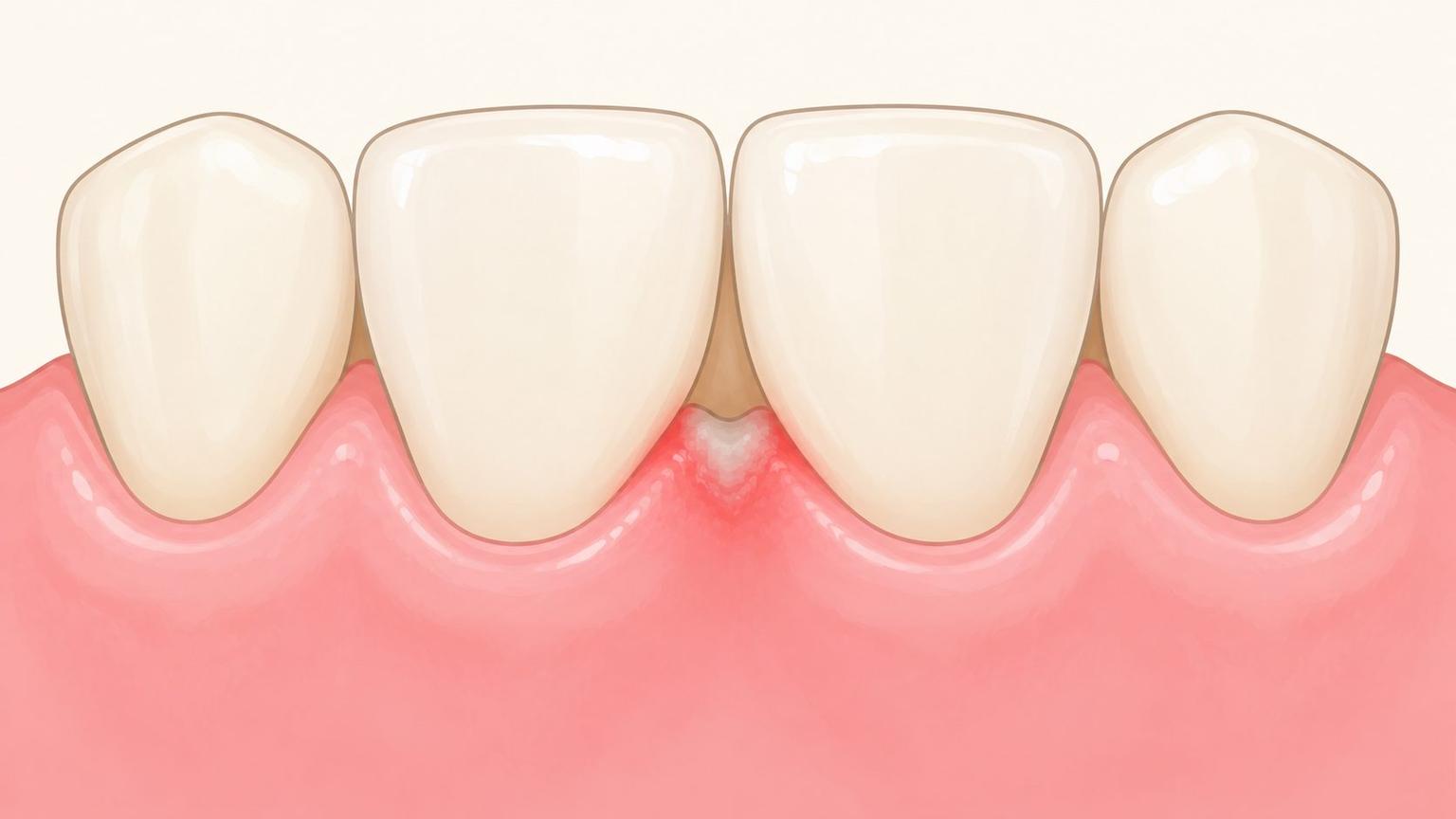
Necrotizing gingivitis is an acute condition in which ulcers and necrosis (tissue death) develop in the interdental papillae, the pointed gum tissue between teeth. It was previously also called (acute) necrotizing ulcerative gingivitis. If severe gum pain and bleeding occur together, a dentist should examine the affected areas and provide treatment.
Necrotizing gingivitis involves both associated bacteria in dental plaque and the body's defensive response to them. Poor oral hygiene, smoking, severe stress, poor nutrition, and reduced immune function can increase the risk of developing it, so both oral and general health are assessed.
Diagnosis and Treatment Path
Distinguishing whether the supporting bone is damaged
During the examination, the dentist checks for pain, bleeding, crater-like depressions in the interdental papillae, and a grayish-white membrane. Stress, smoking, nutritional status, and reduced immune function are also assessed. Gum pain alone is not enough to make the diagnosis.
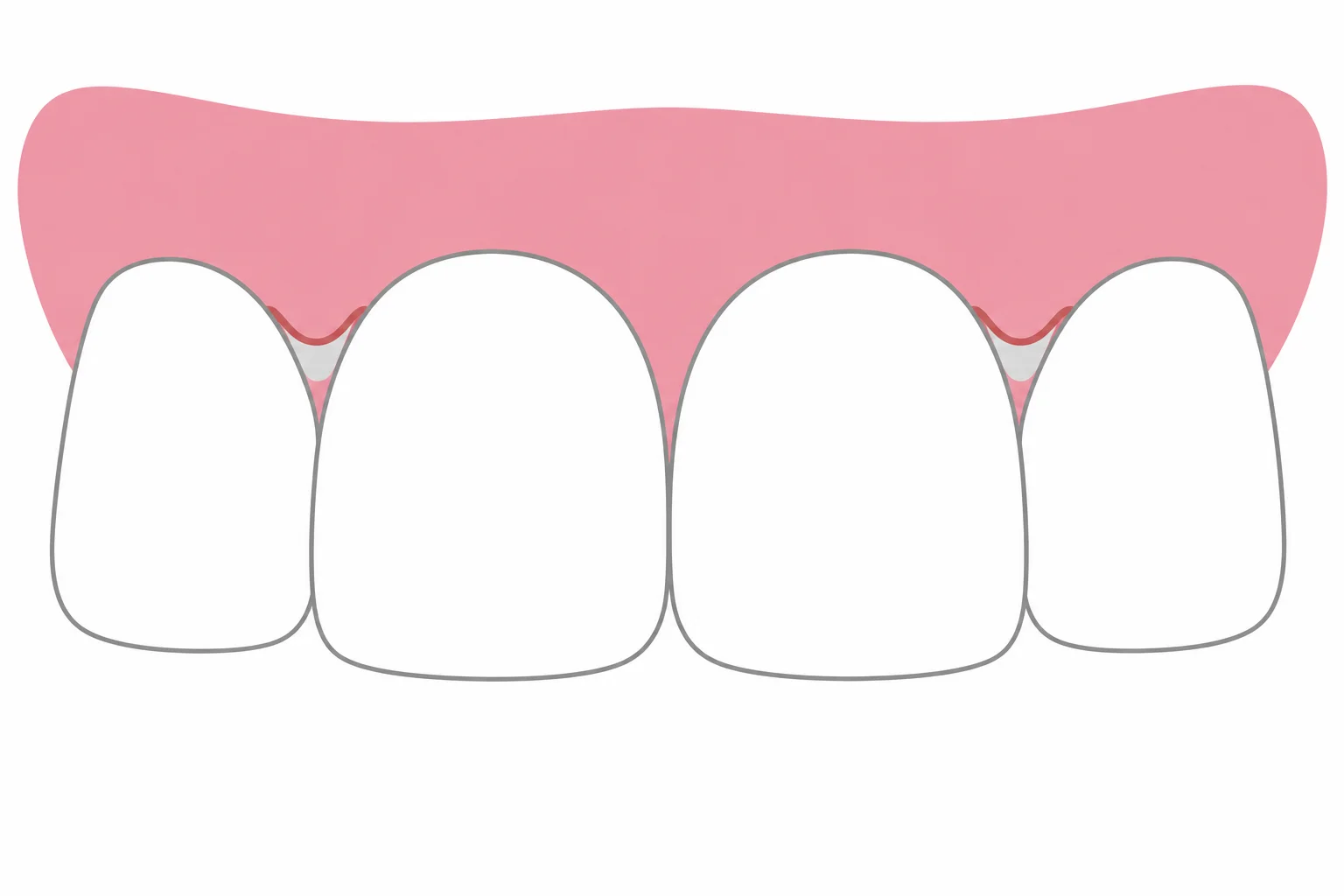
In necrotizing gingivitis, the necrotizing lesions are confined to the gums. If these lesions also destroy the tissues and bone supporting the teeth, the condition is classified as necrotizing periodontitis. The dentist also assesses whether damage from pre-existing periodontitis is present.
Plaque removal and antimicrobial treatment
Care is usually provided by a dentist who treats gum disease. At the first visit, the dentist confirms the diagnosis and assesses general health, then carefully removes plaque, tartar, and deposits on the lesions as far as the patient can tolerate while controlling pain. An antimicrobial mouth rinse is used for a limited period as directed by the dentist. Antibiotics are added when needed, such as when systemic symptoms like fever or general weakness are present, or when the condition does not improve after local treatment. Antibiotics alone do not replace plaque and tartar removal. During the acute phase, when pain is severe, oral hygiene methods are adjusted, for example by using a soft toothbrush. Flossing and interdental brushing in painful areas may be temporarily limited as directed by the dentist.
Pain, bleeding, and improvement in the ulcerated and necrotizing lesions are usually reassessed 48-72 hours after the first visit. At a follow-up visit within 2-7 days of the first visit, additional treatment, such as removal of remaining plaque and tartar, is provided according to the condition. These two visit timings may overlap, and there is no requirement to wait until day 7. After the acute inflammation subsides, pre-existing gingivitis or periodontitis is treated, and contributing factors such as smoking, poor nutrition, and stress, as well as remaining gum defects, are managed. Visit intervals and the extent of treatment are adjusted according to symptom severity, immune status, and response to treatment.
Symptoms and Precautions
Severe pain and spontaneous bleeding
The gums may be very painful and may bleed even without being touched. The gums between teeth may develop crater-like depressions and become covered with a grayish-white membrane. Bad breath may worsen, and fever and general weakness may also occur.
If you have severe gum pain, bleeding, or crater-like changes in the gums, seek prompt dental assessment without delaying care. If fever or general weakness is also present, mention it when requesting an appointment.
Care after treatment and possible progression
Necrotizing gingivitis has a good prognosis when plaque and systemic contributing factors are effectively controlled. After treatment, continue improving oral hygiene and managing factors such as smoking, poor nutrition, and stress. With appropriate treatment, pain and inflammation generally improve, but the shape of the gum tissue lost between teeth through necrosis may not recover completely. The need to manage remaining defects or provide additional treatment is assessed after the acute inflammation subsides.
If tissue destruction deepens, the condition can progress to necrotizing periodontitis. Not every patient develops damage to the bone supporting the teeth, but it is important not to delay treatment.