
Overview and Causes
Damage extending beyond the gums to supporting tissues
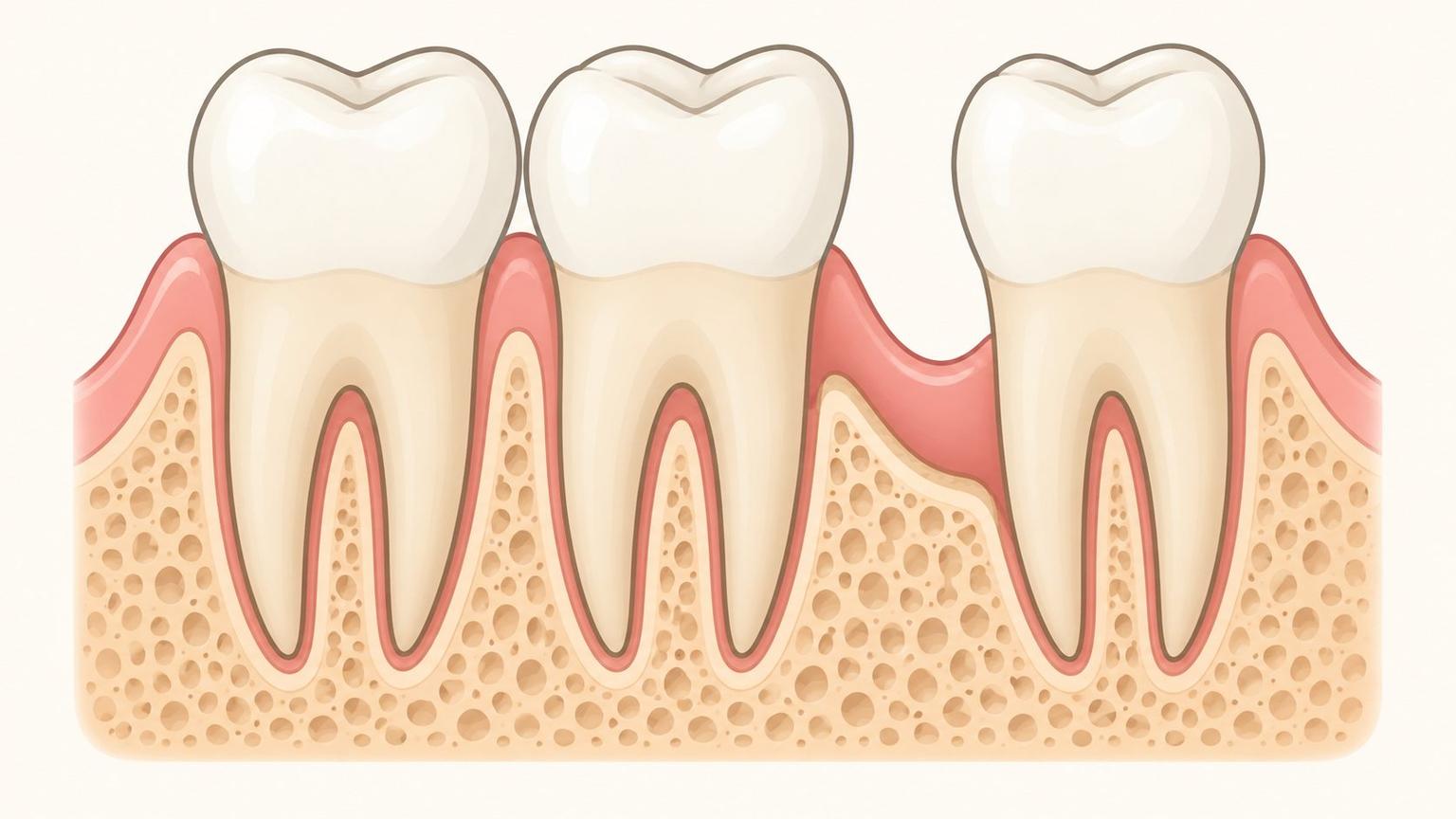
Necrotizing periodontitis is an acute periodontal disease in which gum tissue undergoes necrosis (tissue death) and the tissues anchoring the teeth and the alveolar bone (the bone supporting the teeth) are rapidly destroyed. It can develop when necrotizing gingivitis progresses into deeper tissues or occur at a site with existing periodontitis.
Immune status and lifestyle factors
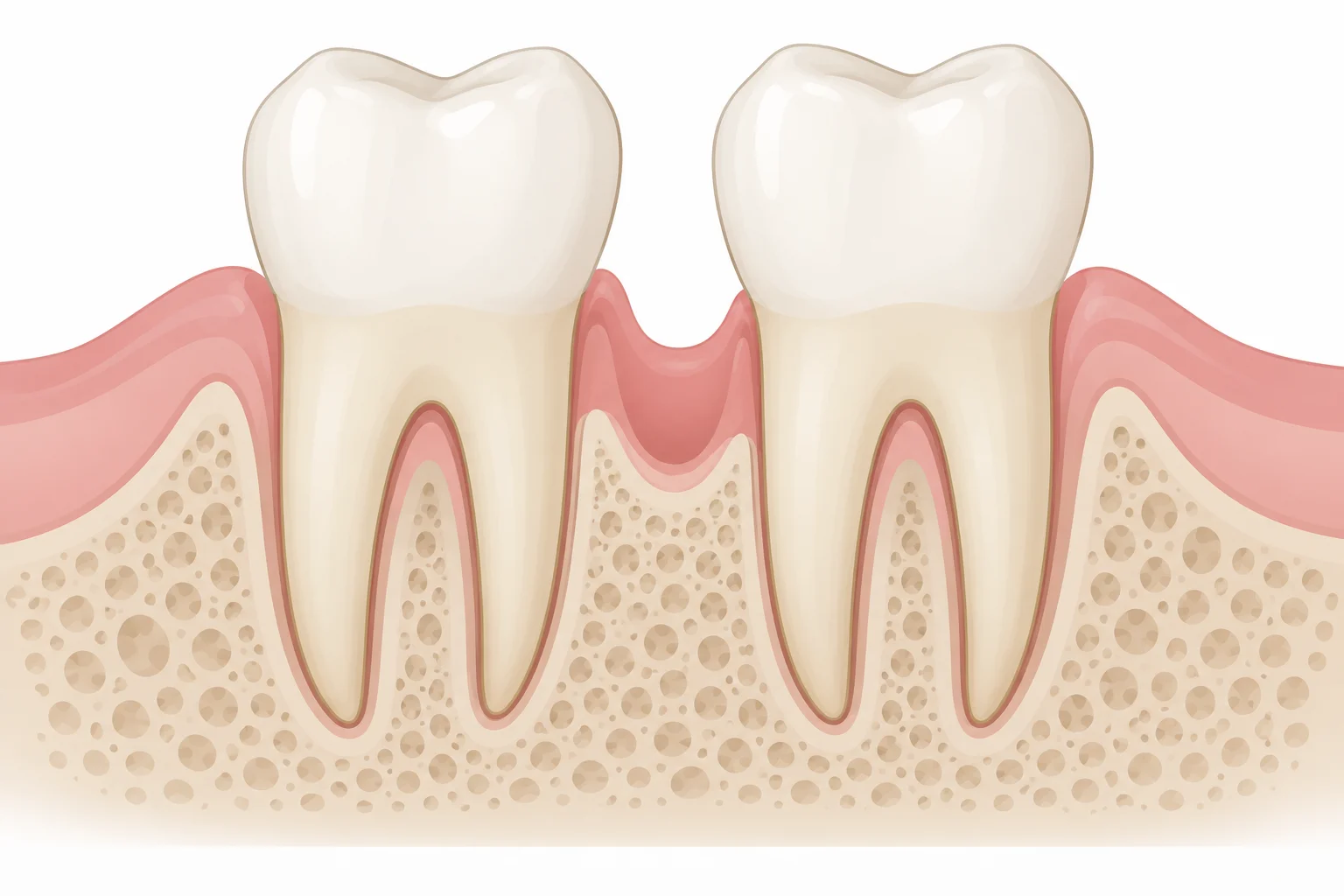
Along with bacterial plaque, smoking, stress, nutritional deficiencies, and reduced immunity contribute to its development. It is especially common in people with reduced immunity due to severe malnutrition or HIV infection, but it can also occur in people who are otherwise healthy. Having this disease alone does not mean that a person has HIV infection.
Diagnosis and Treatment Path
Loss of supporting tissues distinguishes it from gingivitis
An important distinction is whether there is loss of the tissues anchoring the teeth and bone, in addition to gum ulceration and necrosis. Pain or bleeding alone does not establish the diagnosis. Because tissue is destroyed as the gums recede, substantial damage can occur even when the space between the gums and teeth is not deep. The dentist examines the gums and teeth and uses X-rays to assess the extent of bone damage. If severe pain prevents a thorough examination, a detailed periodontal examination is completed after acute-phase treatment.
Treatment by stage and management of systemic health
1. Initial visit and acute phase - pain control and local treatment During the acute phase, the priorities are to reduce pain and stop tissue destruction. Local anesthesia is used if needed, and necrotic debris on the lesion surface and plaque and calculus attached to the teeth are carefully removed as tolerated. If pain is severe, treatment is divided across several visits. Antibiotics are added when there are systemic symptoms such as fever or malaise, spreading infection, or inadequate control with local treatment alone, among other circumstances. For patients with severely reduced immunity, the decision takes their systemic health and risk of complications into account. Antibiotics do not replace local treatment. When needed, care is coordinated with internal medicine or other medical services, combining dental treatment with management of systemic health.
2. Within a few days of initial treatment - reassessment and further treatment A return visit usually takes place within 2-7 days of initial treatment to check whether pain, bleeding, and necrosis are decreasing and to remove additional plaque and calculus that could not be fully removed on the first day. Earlier assessment is needed if the condition is severe or worsening. If there is no improvement, remaining sources of infection, the diagnosis, and systemic health are reassessed, and further treatment or specialist care is provided.
3. After the acute phase subsides - treatment of remaining periodontitis Once pain and acute inflammation subside, a detailed periodontal examination assesses remaining inflammation and damage to supporting tissues. Nonsurgical periodontal treatment continues, including removal of plaque and calculus below the gums and root planing (treatment to remove plaque and calculus from tooth root surfaces) as needed. If periodontitis or tissue defects that are difficult to clean remain, the need for further nonsurgical treatment or surgery is assessed. Surgery is not decided on solely because lost bone does not recover immediately.
4. After treatment - recurrence prevention and maintenance Regular checks assess plaque and calculus, gum inflammation, and further tissue damage. Smoking cessation, improved nutrition, stress management, and management of systemic diseases continue. The interval between visits depends on recurrence risk and periodontal condition. Progression through treatment stages is guided by the degree of inflammation control and how well the patient can tolerate treatment, rather than by fixed dates alone.
Symptoms and Precautions
Severe pain and spontaneous bleeding
Symptoms include severe gum pain, spontaneous bleeding, swelling, and bad breath. The gums between teeth may develop crater-like depressions and become covered with a grayish-white membrane, or bone may be exposed. Fever or swollen lymph nodes may also occur. Seek same-day dental care if severe pain and bleeding occur together with rapid gum breakdown. If breathing or swallowing becomes difficult, or swelling spreads rapidly across the face or neck, seek immediate assessment in an emergency department.
Oral care during the acute phase and precautions after pain subsides
During the acute phase, gently clean the areas you can with a soft toothbrush. Temporarily adjust the use of dental floss and interdental brushes in painful areas as directed by your dentist. While brushing is difficult, a prescribed antimicrobial mouth rinse may be used as a short-term aid. Mouth rinse does not replace professional plaque and calculus removal. Once symptoms settle, resume cleaning between the teeth using the method recommended by your dentist. Do not end treatment simply because pain has decreased. Even when pain and bleeding subside, the tooth-supporting tissues and bone already damaged have not necessarily fully recovered. Remaining inflammation and gum defects that are difficult to clean must be checked, and treatment and maintenance to prevent further damage must continue. In patients with reduced immunity, bone damage can progress particularly rapidly, so the course of tissue damage needs to be monitored alongside symptoms.