
Overview and Causes
Destruction of supporting tissues, unlike gingivitis
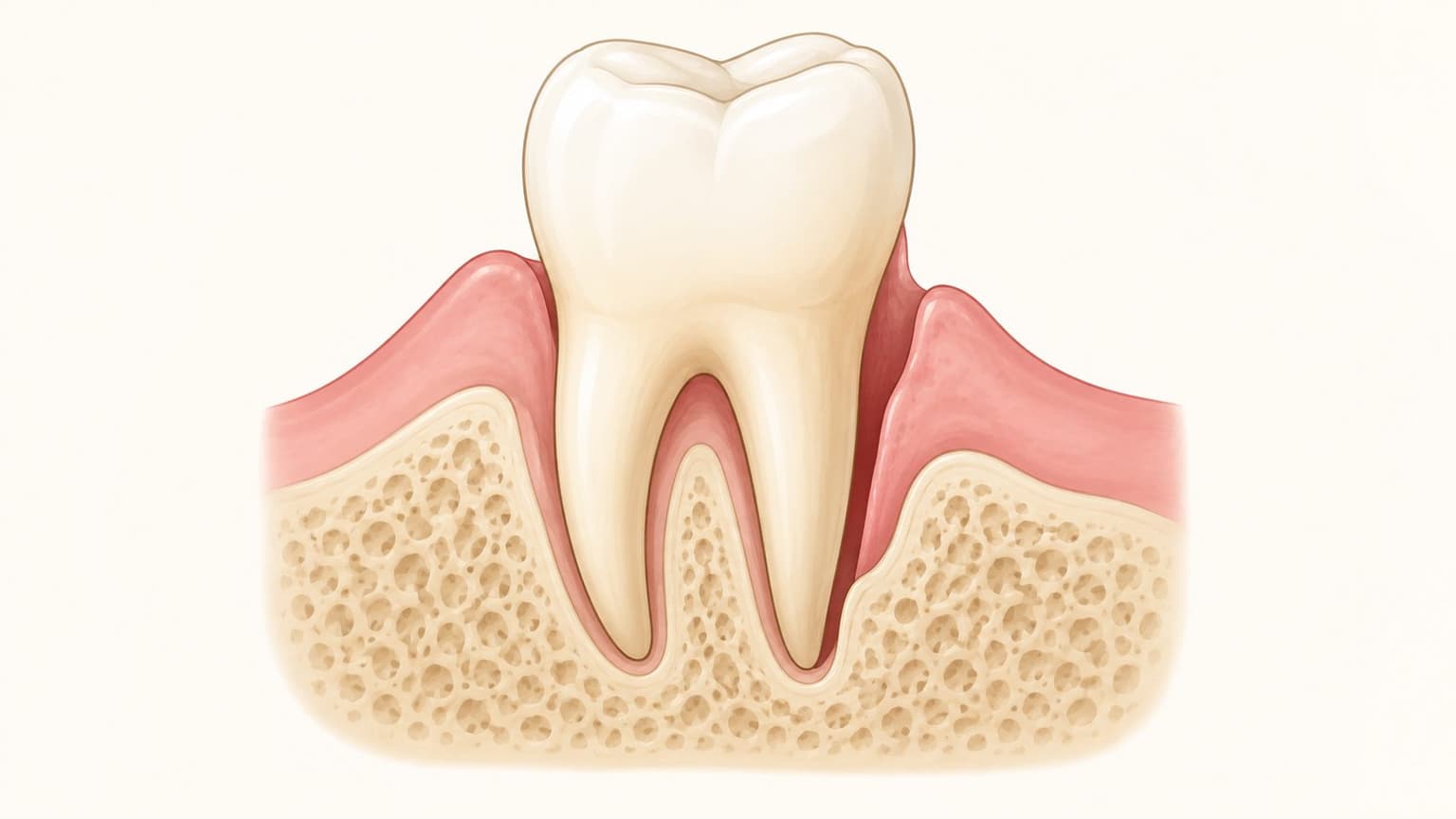
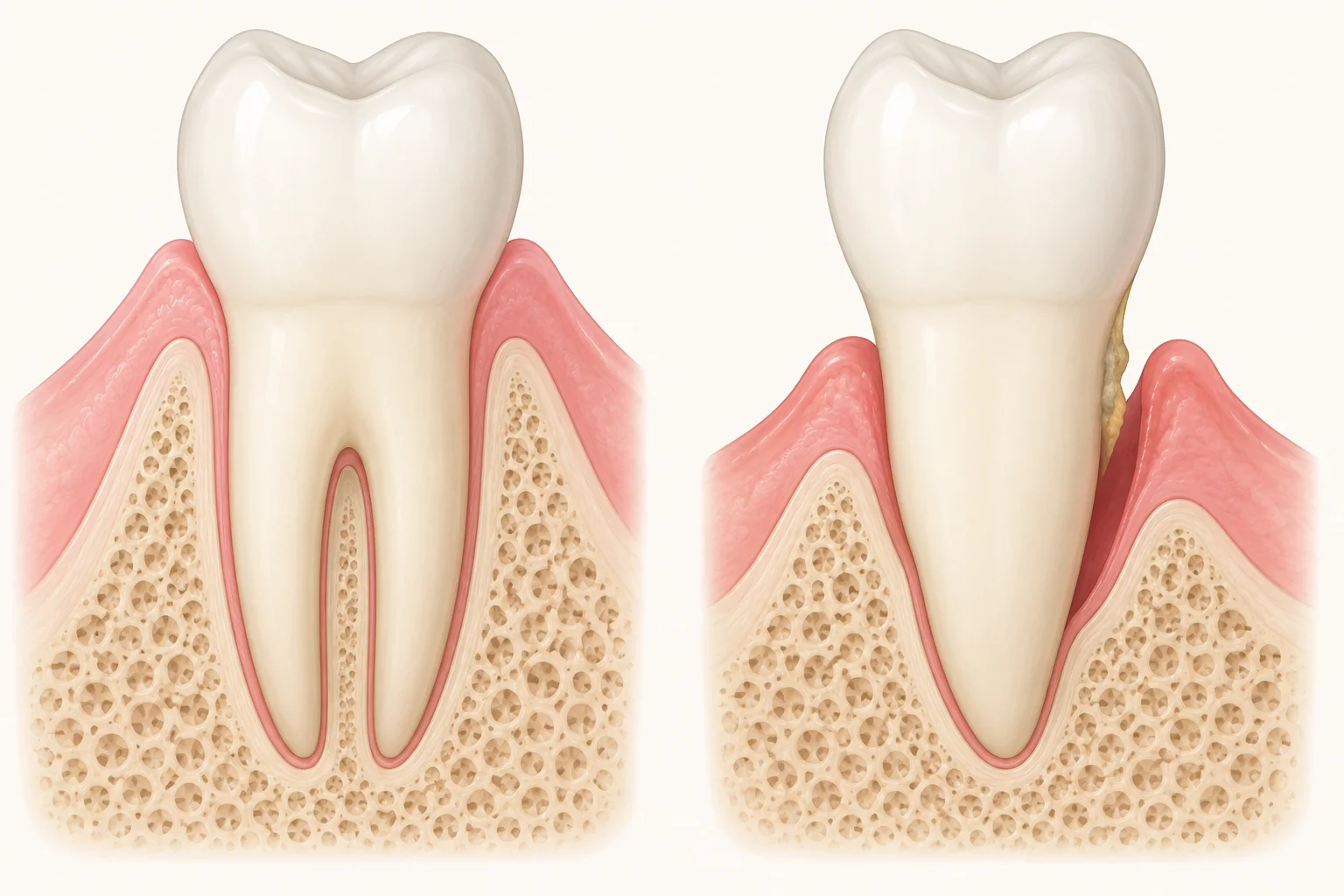
Periodontitis is a chronic inflammatory disease that destroys the tissues holding the teeth in place and the alveolar bone (the bone around the teeth). Bacteria in plaque (the bacterial film on teeth) initiate inflammation, and the body's immune response to the bacteria and their byproducts causes tissue damage.
In plaque-induced gingivitis, inflammation is confined to the gums and can resolve with plaque control and scaling. Periodontitis involves loss of the attachment of the tissues supporting the teeth, as well as bone loss. Resolving the inflammation alone therefore does not restore the tissues to their condition before the damage.
Factors affecting the onset and progression of periodontitis
Periodontitis involves an interaction between plaque biofilm and the body's immune and inflammatory responses to it. Oral conditions that allow plaque to accumulate easily, such as tooth alignment or the shape of restorations, as well as genetic predisposition, overall health, and lifestyle affect its onset and progression. Associations with stress and obesity have also been reported. Among these factors, smoking and poor blood glucose control in diabetes are particularly important risk factors. Smoking increases the risk of periodontitis developing and progressing and interferes with healing after treatment. Poor blood glucose control can worsen periodontal tissue destruction and adversely affect treatment outcomes. Periodontitis can also make blood glucose harder to control, so smoking cessation and blood glucose management are important alongside periodontal treatment.
Diagnosis and Treatment Path
A comprehensive assessment of gum spaces and bone
At the dental clinic, the dentist reviews the medical history and checks for loose teeth, gum recession, and bleeding. An abnormally deep space between the gum and tooth is called a periodontal pocket. A marked instrument called a periodontal probe is used to measure pocket depth and attachment loss. However, the two measurements can vary with the degree of gum swelling or recession, so depth alone does not determine the extent of damage (the severity of periodontitis). Measurements and radiographs are used to assess the extent and pattern of bone loss.
Reassessing inflammation remaining after nonsurgical treatment
Initial treatment consists of scaling and root planing (removing bacterial film and tartar from root surfaces), together with personal plaque control. If deep periodontal pockets and bleeding persist or attachment does not improve after treatment, repeat nonsurgical treatment and surgical periodontal treatment are considered. Care is mainly provided by dentists who treat gum disease. The remaining supporting tissues, the response to treatment, and management of underlying factors such as blood glucose control and smoking are also considered.
Bone loss around the teeth does not mean treatment is impossible. Treatment aims to control inflammation and further destruction. For some bone defects, periodontal regenerative treatment may be considered to help restore supporting tissues.
Symptoms and Precautions
Bleeding and loose teeth
Periodontitis may involve bleeding gums, loose teeth, pain, and bad breath, but these symptoms alone cannot confirm the diagnosis. In particular, some cases can progress without pain or obvious symptoms. If bleeding or loose teeth develop, a periodontal examination is recommended to identify the cause. Without treatment, destruction of the supporting tissues can progress and lead to tooth loss.
Sudden pain and swelling
A periodontal abscess, in which pus typically accumulates in a deep periodontal pocket, can cause rapid tissue destruction. Sudden severe pain, gum swelling or discharge of pus, and increased tooth looseness require dental care that day.
Regular care after treatment
Reduced bleeding and swelling do not mean treatment is complete. Plaque control and regular supportive periodontal therapy continue to prevent recurrence and further damage. Visit intervals are based on risk, and findings are compared with previous examination records to identify areas that need further treatment.