
Overview and Causes
Trauma That Knocks Out the Entire Tooth
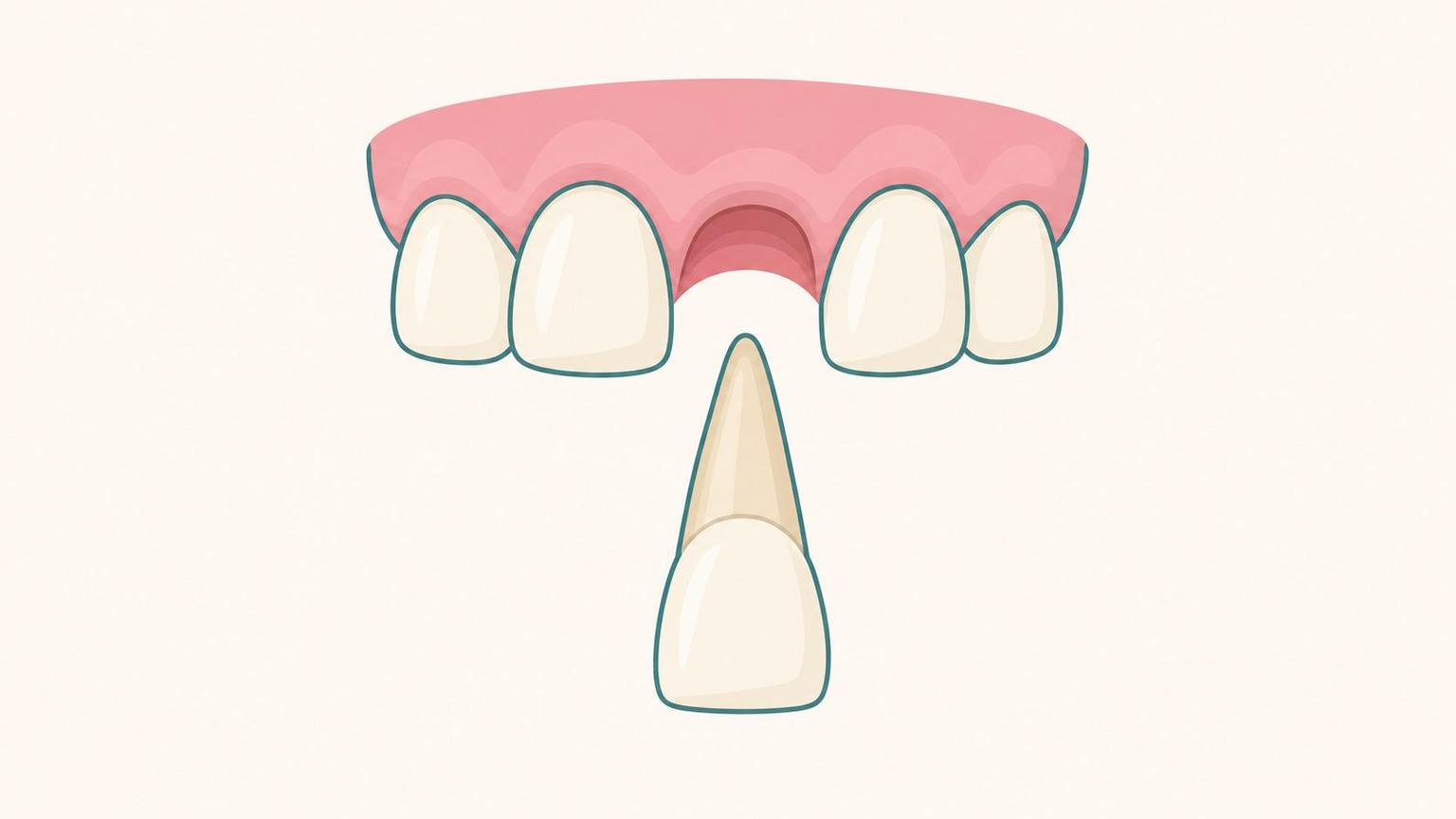
Permanent tooth avulsion occurs when an external impact completely knocks a permanent tooth, including its root, out of its socket. Emergency care differs for avulsed permanent teeth and baby teeth. Replantation, which means putting the tooth back into its original socket, should be considered as soon as possible for permanent teeth. Completely knocked-out baby teeth should not be replanted. Replanting a baby tooth may damage the developing permanent tooth beneath it or pose a risk of the tooth entering the airway. Immediate dental care is needed for replantation of the knocked-out tooth. Unlike a fracture involving only part of a tooth, avulsion damages both the periodontal ligament that holds the tooth in place and the blood supply to the pulp, the tissue inside the tooth containing nerves and blood vessels.
The upper front teeth are a common site of traumatic avulsion in children and adolescents.
Diagnosis and Treatment Path
How Replantation and Splinting Are Decided
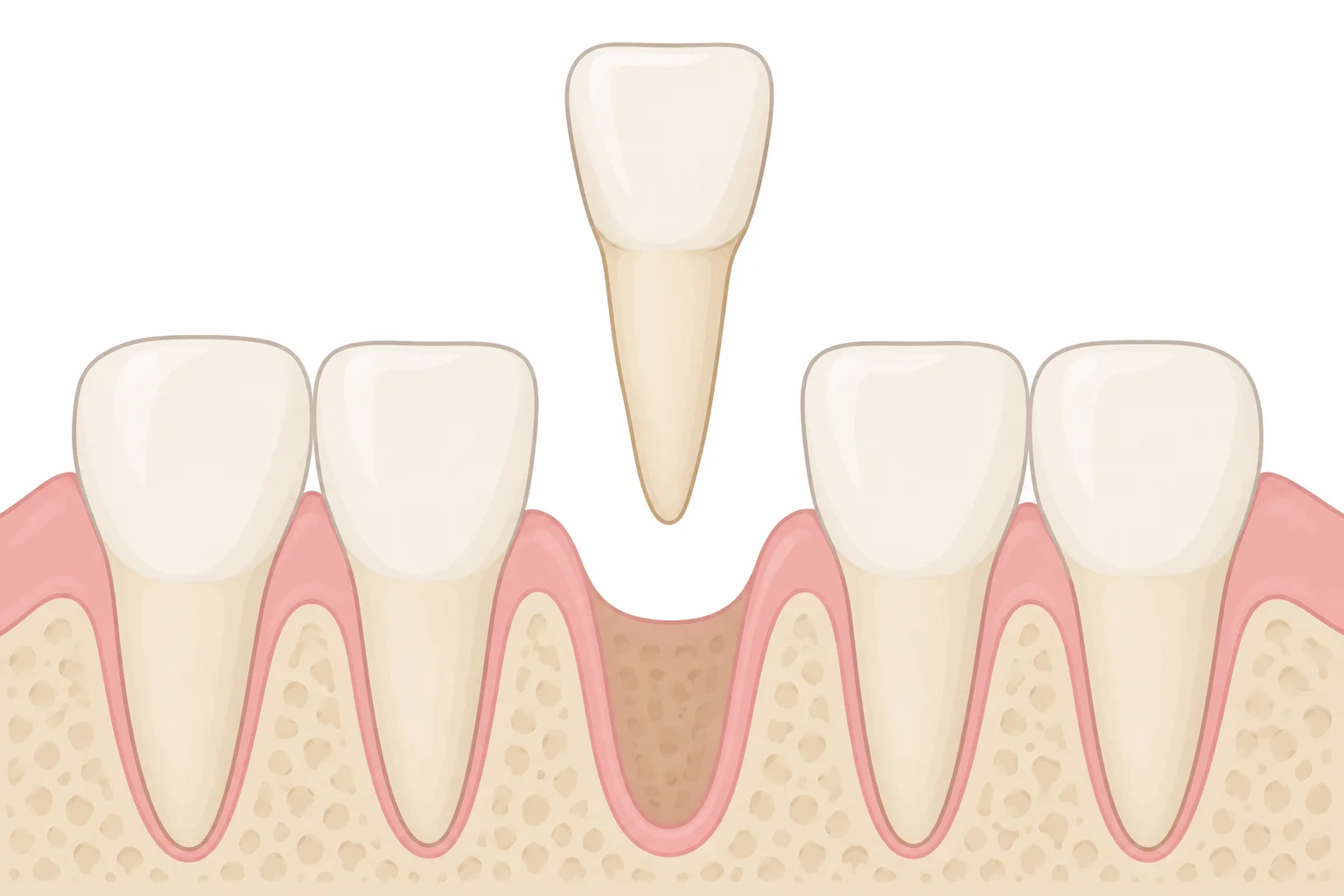
Treatment and prognosis depend not only on the total time since the tooth was knocked out, but also on how long it has been dry, its storage conditions, and root maturity. After about 30 minutes of dry storage, periodontal ligament cell viability drops sharply. Beyond 60 minutes, the risk of ankylosis and root resorption after replantation increases. Even if time has passed, do not decide on your own that replantation is no longer possible. Seek immediate assessment. Treatment does not end simply by putting the tooth back. After replantation, a flexible splint connects the tooth to neighboring teeth to help the periodontal ligament heal. Splinting usually lasts about 2 weeks, but may last about 4 weeks if there is an associated fracture of the surrounding tooth-supporting bone or jawbone. After replantation, the dentist also checks the need for an antibiotic prescription and the person's tetanus vaccination status. A dentist who provides tooth-preserving care and root canal treatment can advise on preserving the tooth after replantation and on root canal treatment.
Root Maturity and Root Canal Treatment
Whether root canal treatment is necessary depends on root maturity. For permanent teeth with fully developed roots, root canal treatment begins within 2 weeks after replantation. This treatment cleans, disinfects, and seals the inside of the tooth. The treatment plan for mature teeth is not applied unchanged to permanent teeth whose roots are still developing. Recovery of the pulp's blood supply is monitored, but prompt treatment is needed if pulp necrosis and infection are confirmed.
After replantation, healing is assessed by examining tooth mobility, the response to tapping, and radiographs together. If inflammatory resorption develops, causing inflammation-related loss of root structure, treatment is needed to eliminate infection inside the root canal. Replacement resorption, in which the root is replaced by bone, follows a different course and must be distinguished from inflammatory resorption.
Symptoms and Precautions
Storing the Knocked-Out Tooth and Seeking Immediate Care
If trauma knocks out an entire tooth and leaves a visible empty socket, do not use the level of pain to decide whether to wait. Immediate replantation is ideal. Hold the tooth by its crown rather than its root. If it is dirty, rinse it gently with milk or saline. If the person is unconscious or at risk of swallowing the tooth, do not attempt replantation yourself. Place the tooth in a storage liquid and seek immediate care. If the tooth cannot be replanted right away, keep it from drying out by storing it in milk or saline and taking it straight to a dentist. Do not delay the visit because the tooth is in a storage liquid. The longer the tooth remains dry, the greater the damage to the periodontal ligament and the risk of complications after replantation.
Long-Term Monitoring After Replantation
Having the replanted tooth back in place does not mean healing is complete. Root ankylosis, in which the root attaches directly to bone, or changes involving root resorption may develop later, so follow-up assessment is needed. During growth, an ankylosed tooth may appear lower than the surrounding teeth. Inflammatory resorption can progress rapidly and lead to tooth loss. Seek prompt reassessment if the tooth becomes loose or appears raised after replantation.