
Overview and Causes
Hormonal changes and the response to plaque
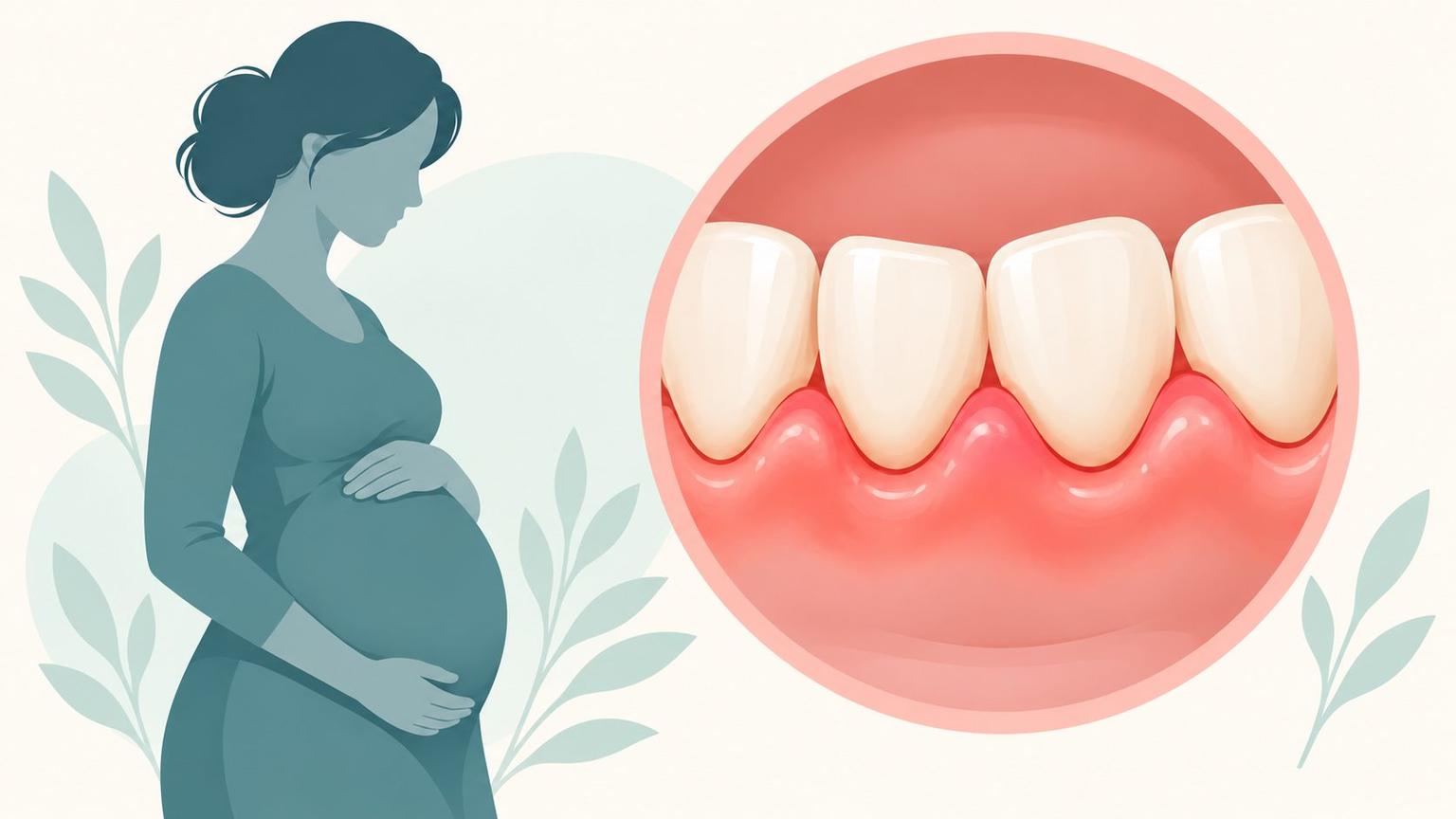
Pregnancy gingivitis is a condition in which hormonal changes during pregnancy increase the gums' inflammatory response to plaque. Plaque is a bacterial film that adheres to tooth surfaces. Gum bleeding that develops during pregnancy also requires plaque control and treatment.
As estrogen and progesterone levels rise, fluid leaks more readily from the small blood vessels in the gums, and immune responses and tissue remodeling change. The composition of bacteria around the gums also changes, so inflammation can worsen even without an increase in plaque.
Diagnosis and Treatment Path
Distinguishing inflammation confined to the gums
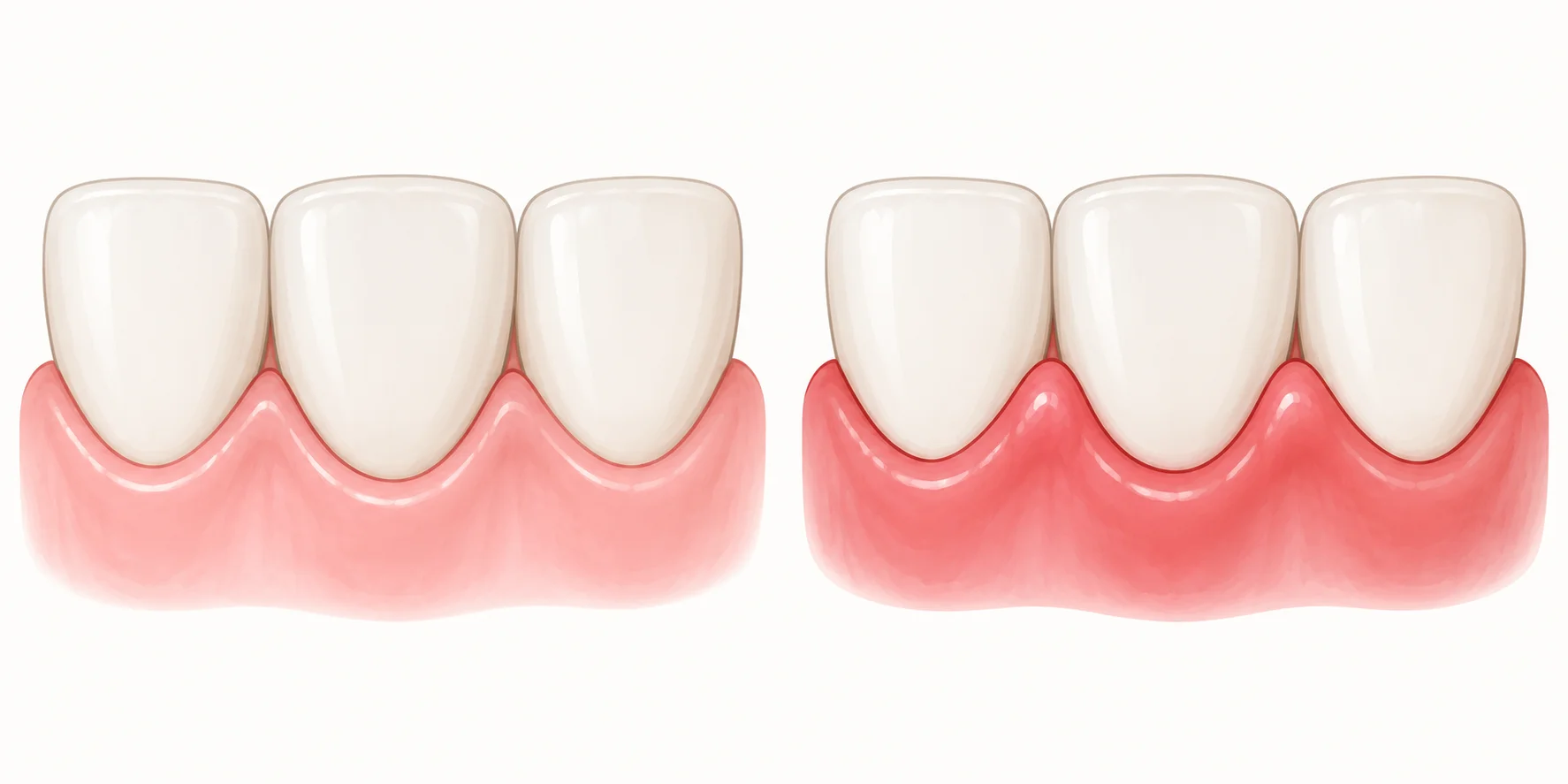
Swollen gums during pregnancy do not always mean pregnancy gingivitis. Gingivitis is inflammation confined to the gums and is distinguished from periodontitis, which involves destruction of the tissues and bone supporting the teeth. At the dental visit, the dentist checks plaque and tartar, gum swelling and bleeding, the depth of the spaces between the teeth and gums, and any damage to the tissues supporting the teeth.
Planning treatment during pregnancy
Scaling can be performed throughout pregnancy. The second trimester is presented as the safest time for planned scaling and root planing. This corresponds to weeks 14-27 of pregnancy.
Basic treatment consists of personal plaque control and professional removal of plaque and tartar where needed. If periodontitis is also diagnosed, additional treatment may be needed, such as root planing to remove deposits from tooth root surfaces below the gums. Personal plaque control continues alongside treatment. If bleeding persists after treatment, a dentist who provides periodontal care reassesses the gums and the need for further treatment.
During dental care, prolonged periods lying completely flat and lengthy, stressful treatment sessions are avoided.
Symptoms and Precautions
Gum swelling and bleeding
The gums may turn bright red or bluish red, swell, or bleed easily. Symptoms tend to begin in the second or third month of pregnancy and worsen during the second and third trimesters. If bleeding recurs when brushing or the gums become swollen, it is advisable to have them checked by a dentist.
Changes after childbirth and plaque control
You may wonder whether the condition will resolve on its own after childbirth. Pregnancy-related gum inflammation tends to decrease after childbirth, but the timing and extent of recovery vary from person to person. If bleeding or swelling persists, see a dentist to identify the cause rather than waiting for it to improve on its own. Plaque control is still necessary while waiting for improvement after childbirth. Remove plaque along the gumline by brushing, and continue oral hygiene care after treatment. In addition to brushing, clean between the teeth using floss, interdental brushes, or another method suited to you.