
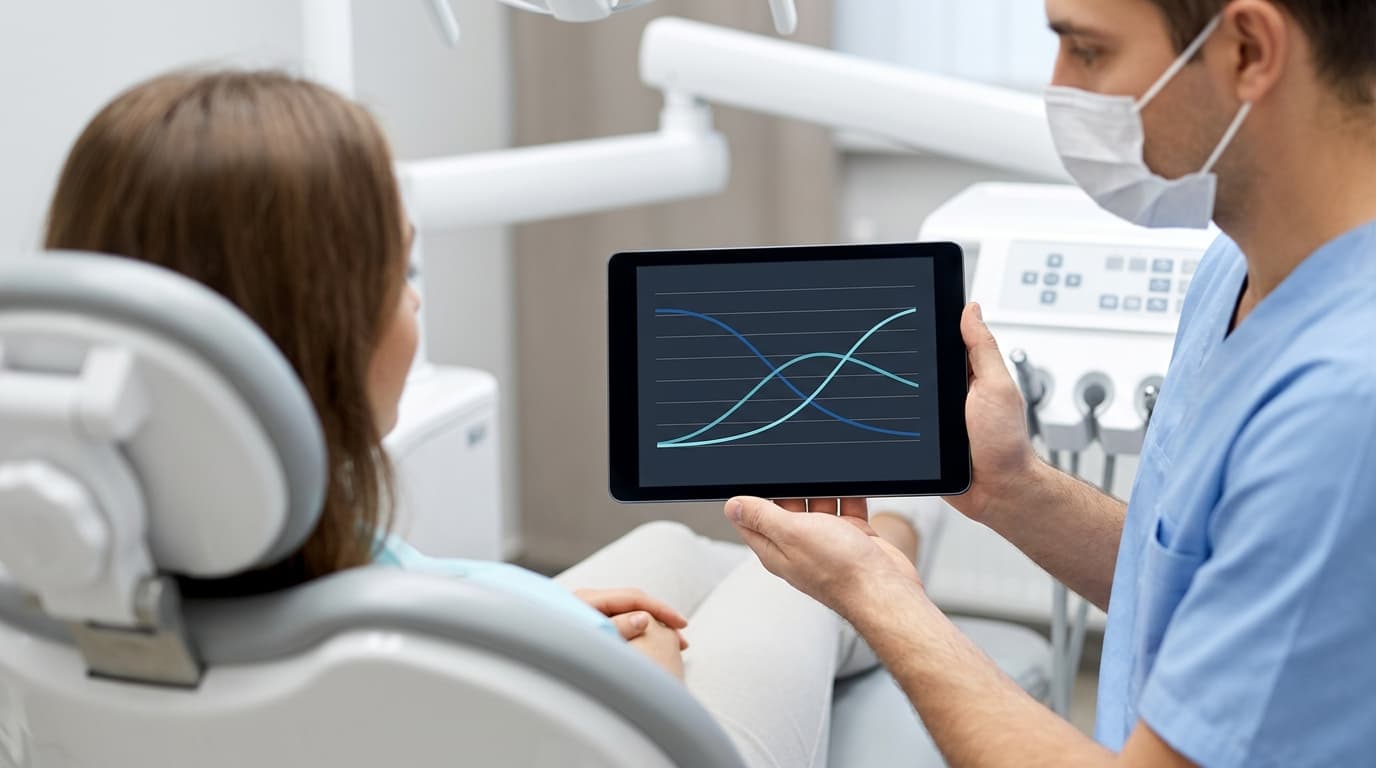
During clear aligner treatment, patients typically need to visit the dentist every few weeks to confirm that their teeth are moving as planned. French startup DentalMonitoring has raised $100 million for AI software that turns that check-up into a single smartphone photo. What stands out most about this round is that the software works no matter which company's clear aligners a patient is using.
A $100 Million Round Led by Lazard Elaia
According to Orthodontic Products, the round was led by Lazard Elaia Capital with participation from ISALT and was announced on February 10, 2026. Founded in Paris in 2014, DentalMonitoring uses AI to analyze photos of patients' teeth that patients take and upload from home, telling dentists whether treatment is progressing as planned. The company says it now serves more than 2 million patients and turned its first profit last year. The funding will go toward strengthening its position in Europe, the United States, Australia, and Japan, while expanding into Brazil, Turkey, Southeast Asia, and the Middle East, and toward building a new software development center to grow its AI research capabilities.
A Brand-Agnostic Model
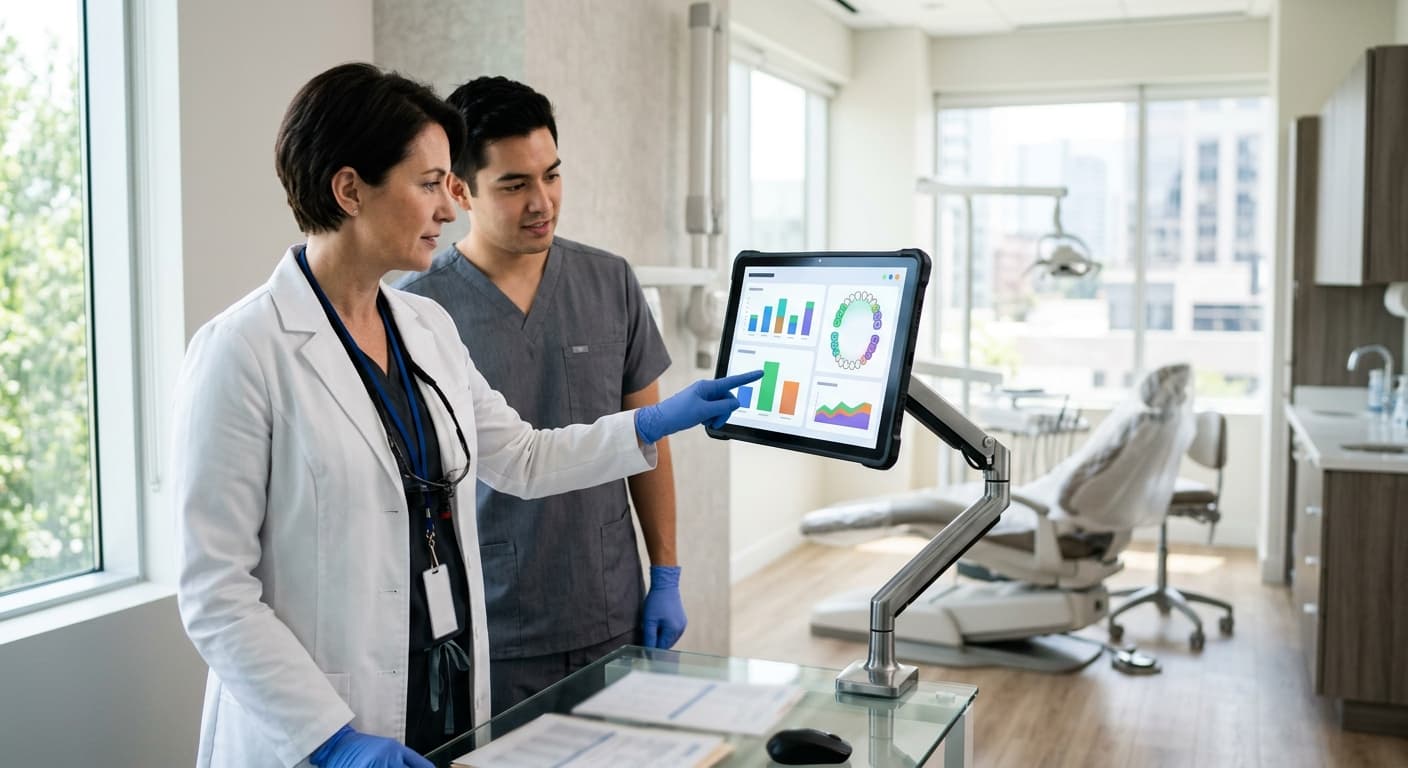
Alexandre Margolin, a managing partner at Lazard Elaia Capital, cited as the reason for the investment that DentalMonitoring's AI remote monitoring platform is expanding worldwide on a model that is agnostic to both treatment and device, usable across every clinic and every manufacturer. That is the exact opposite of Align Technology, which bundled its own intraoral scanner with its Invisalign aligners and, as a result, is again facing an antitrust lawsuit. Where that earlier piece on Align showed how tightly one company can lock down its own ecosystem, this is a company on the opposite end, growing by keeping its ecosystem open. DentalMonitoring says it plans to use the funding to expand integrations with device manufacturers, practice management software, and intraoral scanner companies.
Monitoring That Works Without a Scanner
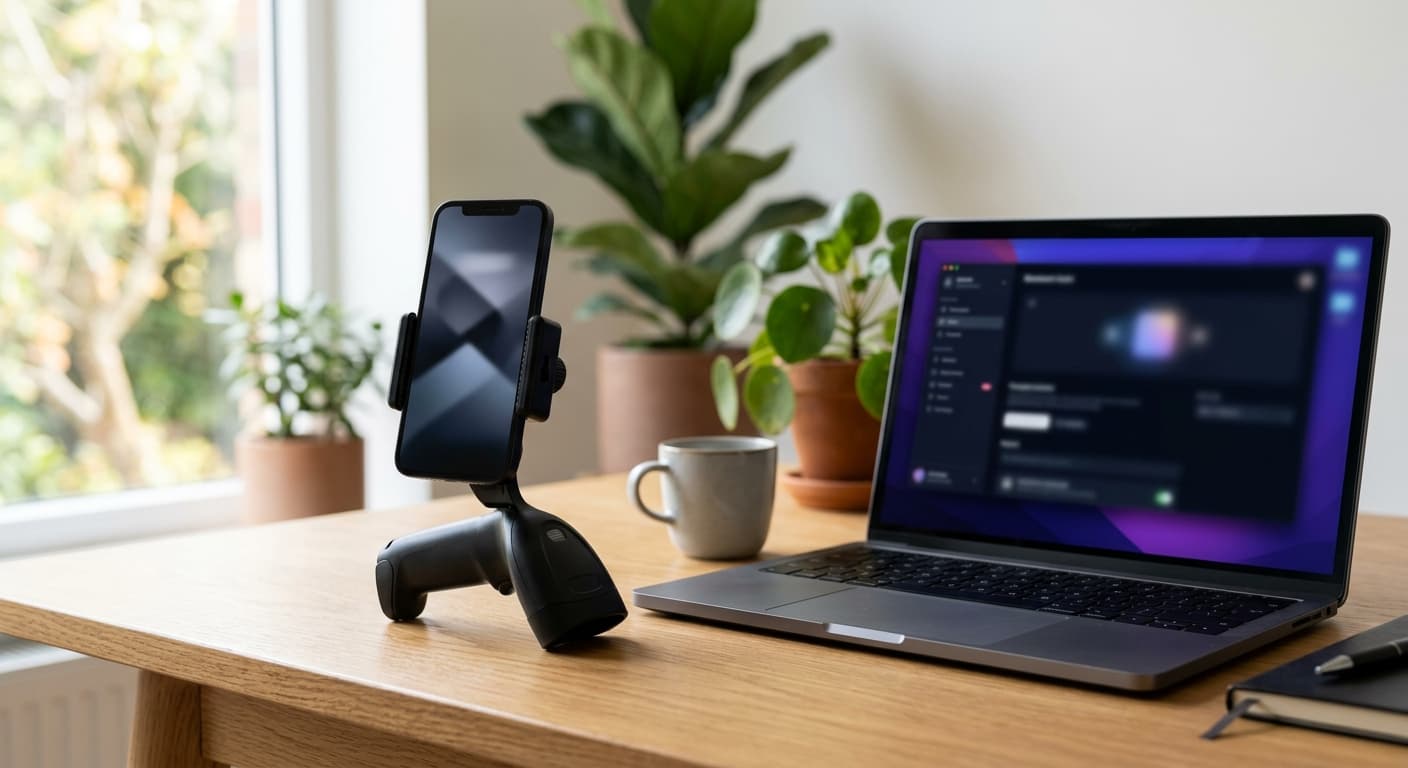
DentalMonitoring's approach doesn't require clinics to invest in an expensive intraoral scanner. Patients attach a cheek retractor and their smartphone to a dedicated mount, take photos inside their mouth, and upload them; AI then analyzes the images and tells them whether to move on to the next stage or to see a dentist. That's a different path from Medit, the world's top intraoral scanner maker, which expanded into clear aligner manufacturing by acquiring an orthodontics training institute. Where Medit added device manufacturing on top of its scanners, DentalMonitoring has kept its distance from both devices and scanners, focusing on a single layer: monitoring.
How Far This Reaches Local Clinics
It hasn't been confirmed whether DentalMonitoring has a domestic branch or contracts with dental clinics here. But if its claim of working regardless of device or scanner holds, it means the service could in principle be adopted no matter whether a clinic uses Invisalign or aligners made by a domestic company. Invisalign itself has offered similar remote monitoring through its own app in various markets around the world, so checking treatment progress through photos is not an unfamiliar idea for patients here either. The timing and pricing of any domestic rollout are not yet known.