Author

Noh Ha-jin
Reporter
Covers the things you weigh before a treatment. Whether it really has to be now, whether there is another way. Wants to answer the questions that are still there once the consultation ends.
Articles written 39
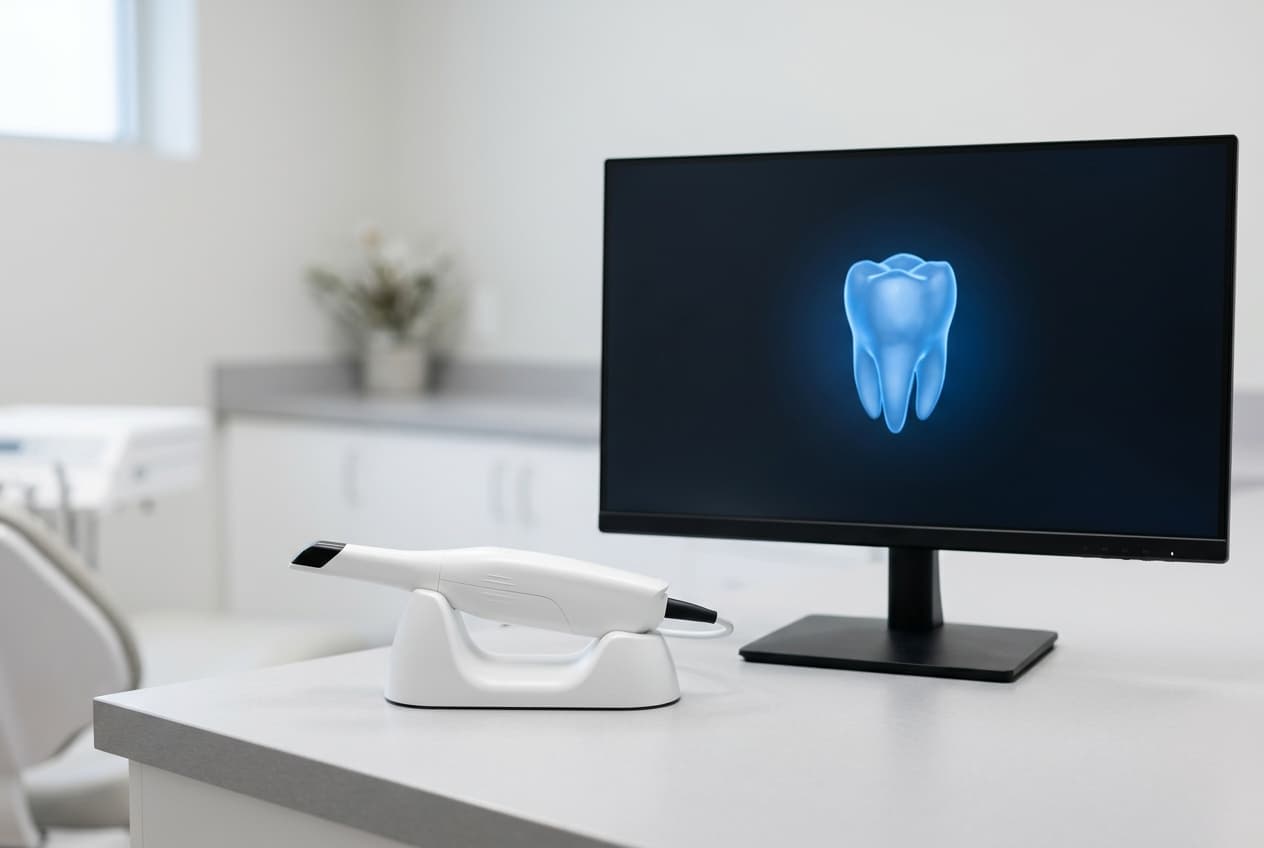
Invisalign Maker Align Faces Renewed Antitrust Suit Over Scanner Tying
Align Technology, maker of the clear aligner Invisalign, must face renewed antitrust litigation over allegations it cut off rival scanner compatibility and tied its own scanner to aligner sales. We look at why the Ninth Circuit reversed a lower-court ruling that had favored Align, and how the case compares to clinics in Korea.
3 min read
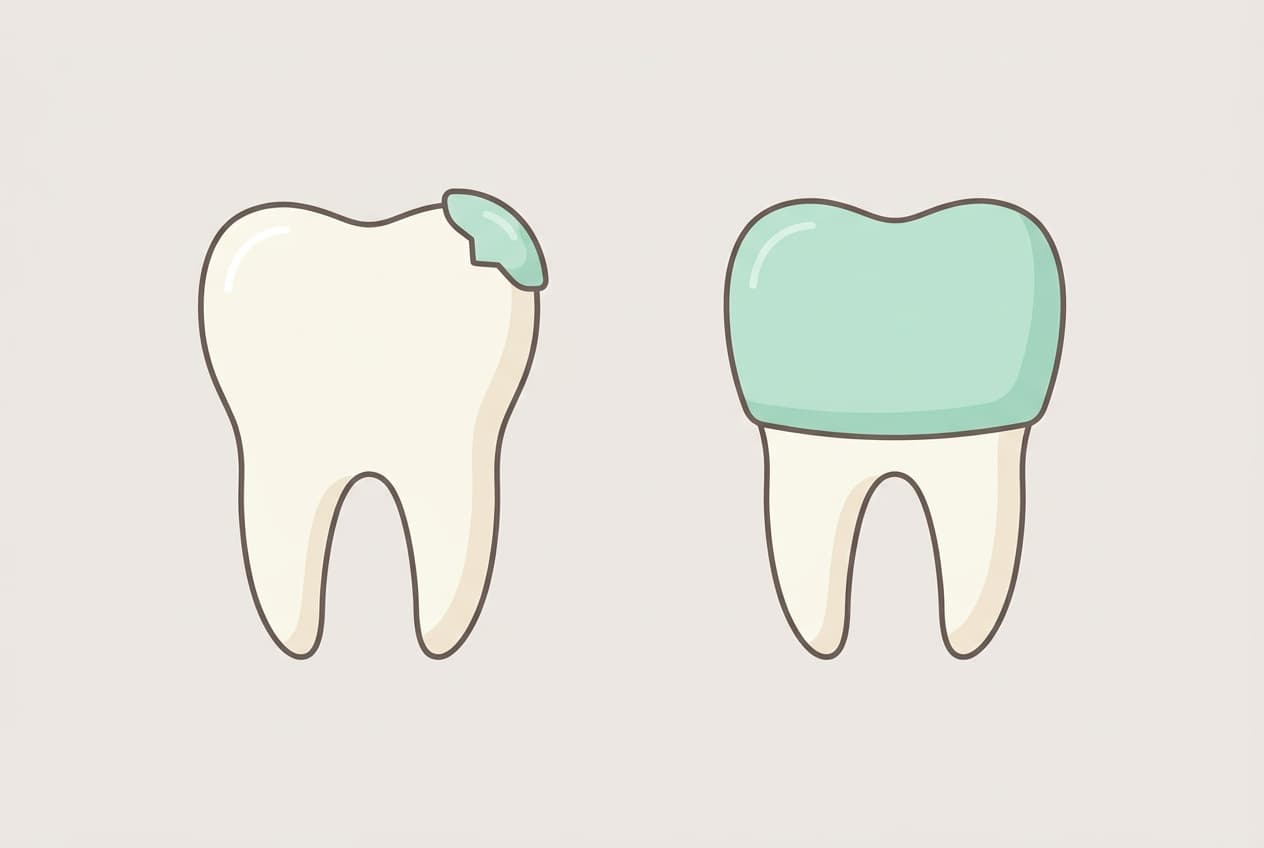
How Do You Choose Between an Onlay and a Crown for a Broken Molar?
When a molar breaks, the choice between an onlay and a crown depends on the extent of the fracture, the remaining tooth walls, and the available bite space. This article explains how the two restorations differ and how that difference shapes treatment.
5 min read
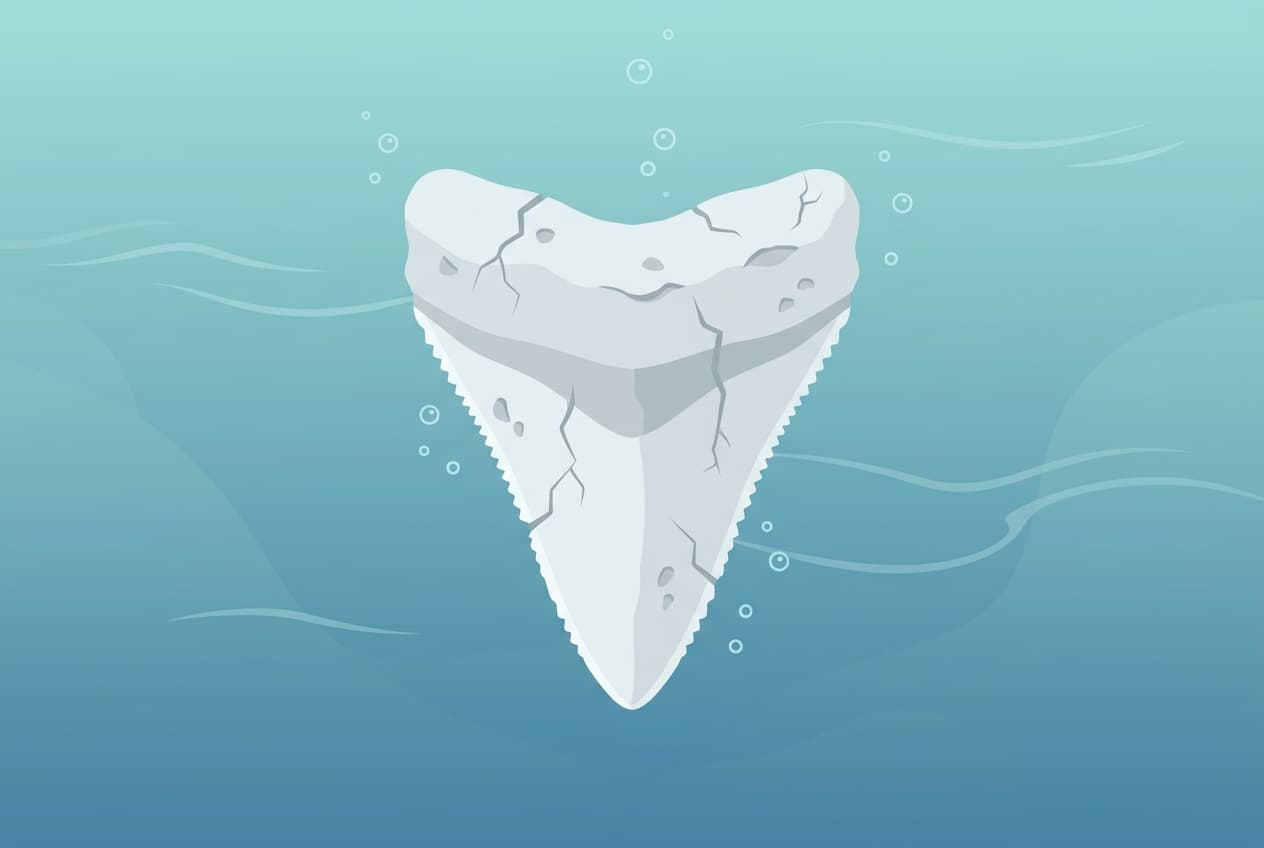
Shark Teeth Crack More Easily as the Ocean Grows More Acidic
Researchers at Heinrich Heine University Düsseldorf in Germany soaked more than 600 shark teeth in seawater matching today's acidity and the acidity projected for the year 2300. The more acidic water left the teeth cracked, pitted, and corroded down to the root. The article also covers experts' differing interpretations and the parallel with human dental erosion.
3 min read
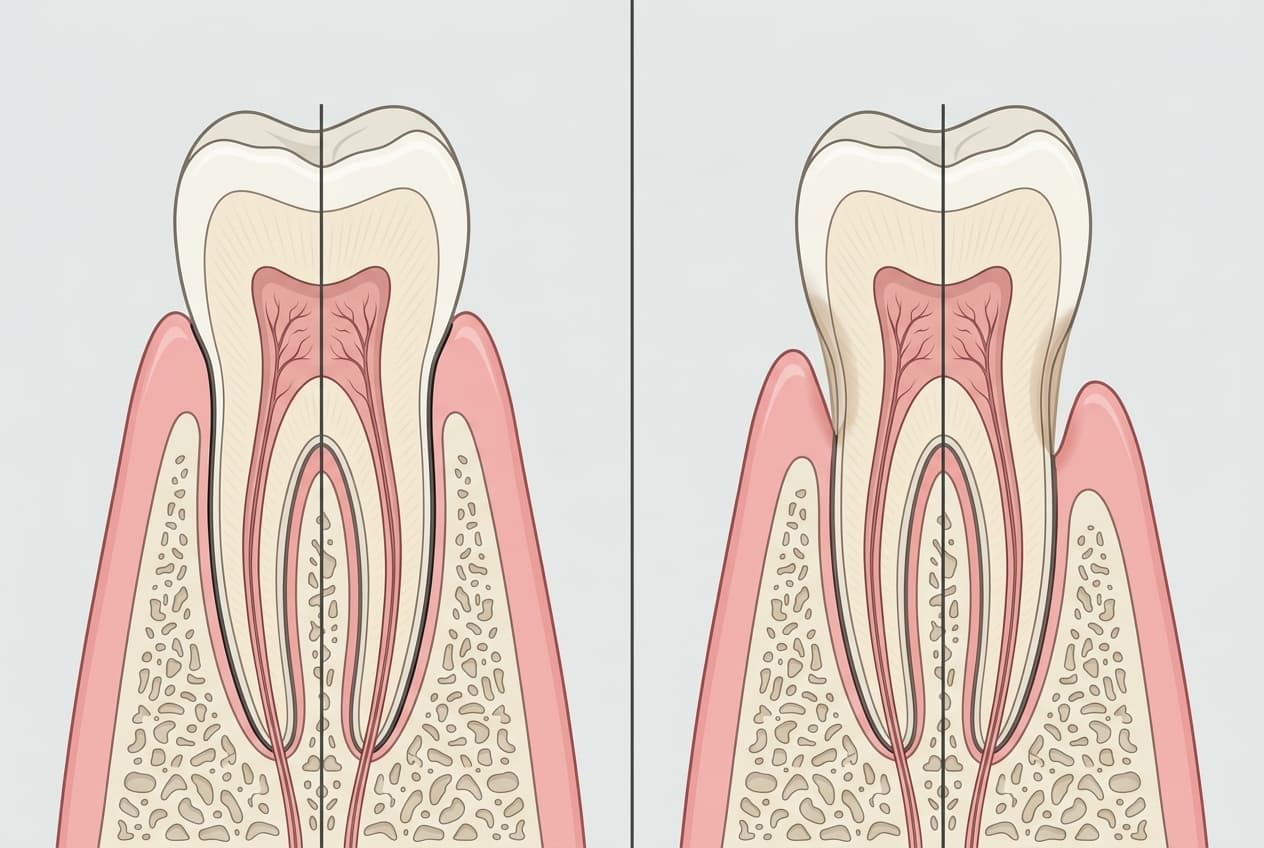
Does a Change in Crown Color or Gum Margin on a Front Tooth Mean It Needs Replacing?
Explains why a change in the color or gum margin of a front-tooth crown doesn't by itself determine whether it needs replacing, and covers how checking the margin, gum condition, and presence of secondary caries distinguishes a local repair from a full replacement.
4 min read
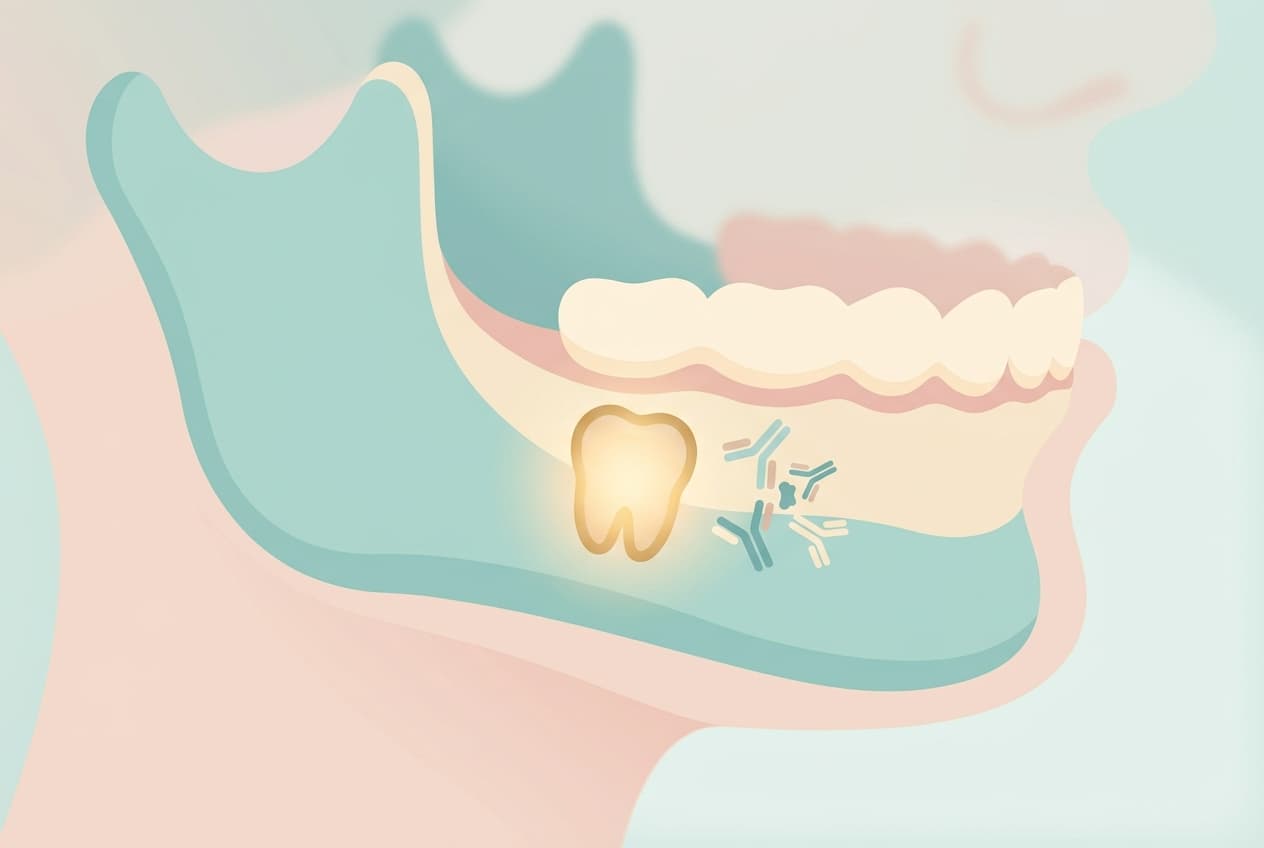
Tooth-Regrowth Drug Clears Phase 2 Review Hurdle in Japan
Japanese biotech venture Toregem BioPharma's tooth-regeneration antibody drug TRG035 has passed Japan's regulatory document review to begin a Phase 2 trial in children. We look at how the drug works by blocking the USAG-1 protein to wake up dormant tooth buds, the clinical progress so far, and what remains before commercialization.
2 min read
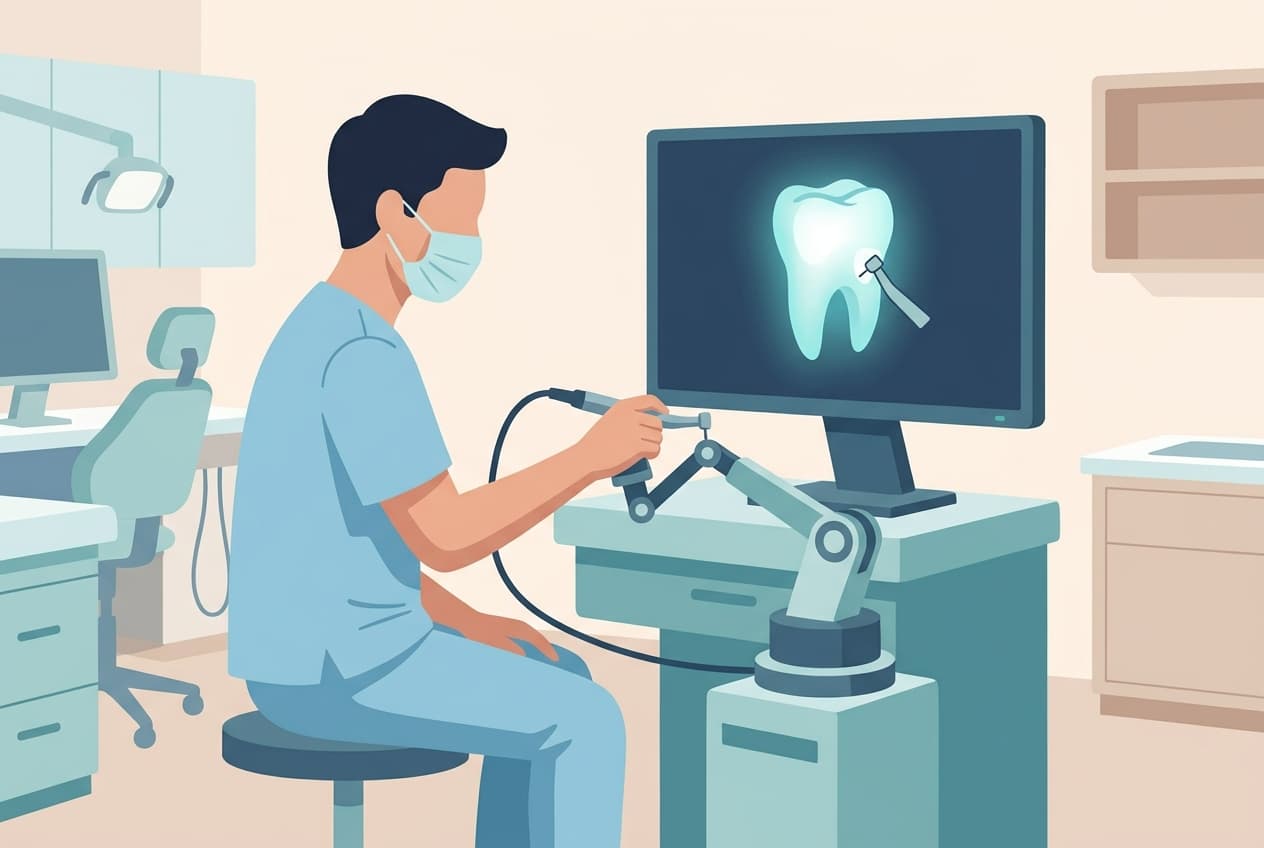
Dental Students Who Practiced With Haptic VR Improved Only Some Endodontic Skills
Haptic virtual reality simulators that give touch feedback are entering preclinical dental training. Recent randomized controlled trials show these devices don't improve every hand skill evenly. Here's a look at which movements showed clear gains and which didn't.
3 min read
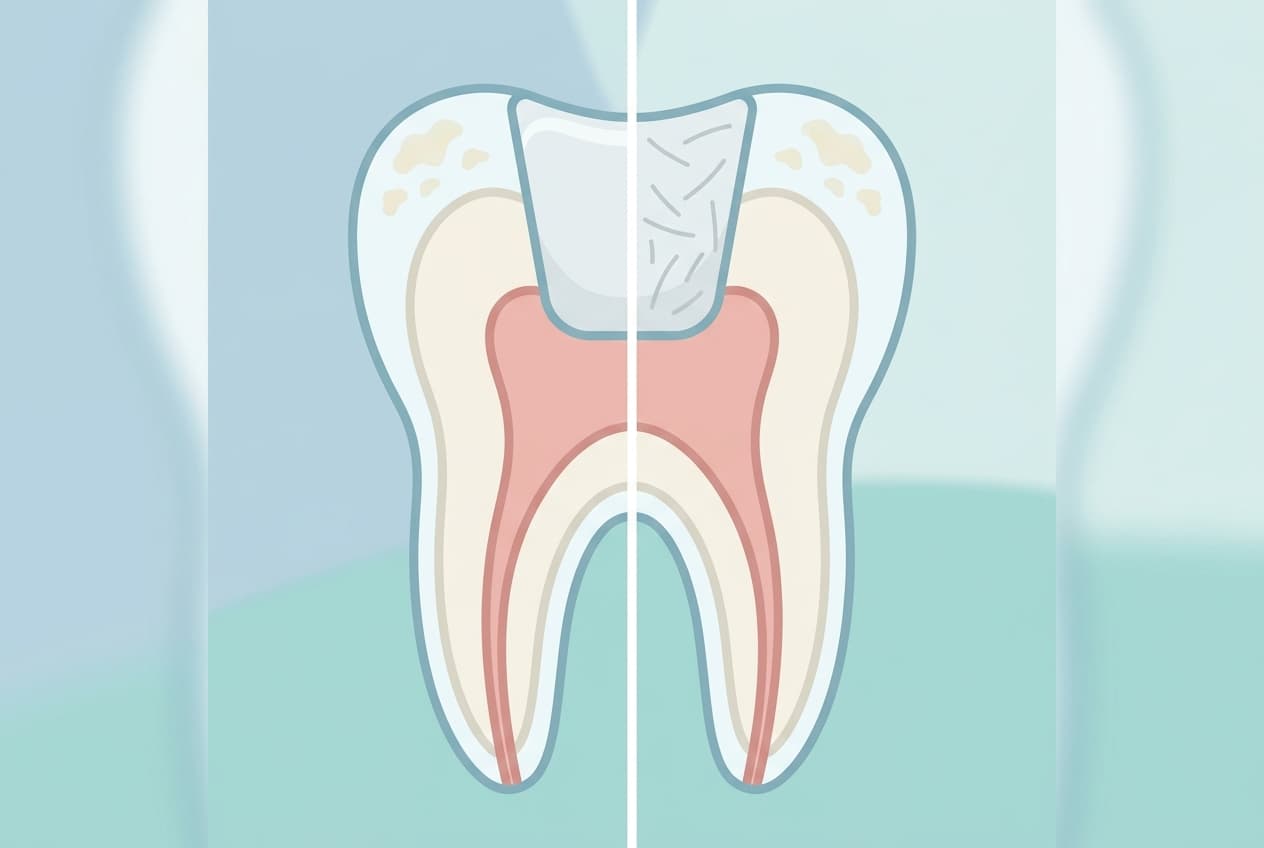
MIH Molar Fillings: 5-Year Survival Was Higher for Fiber-Reinforced Composite
In a 5-year clinical trial that filled first permanent molars weakened by molar incisor hypomineralization (MIH) with either glass hybrid or fiber-reinforced composite, both materials looked similar on clinical exams, but fiber-reinforced composite restorations survived at a higher rate. The trial also points to a problem that switching materials alone doesn't fix.
3 min read
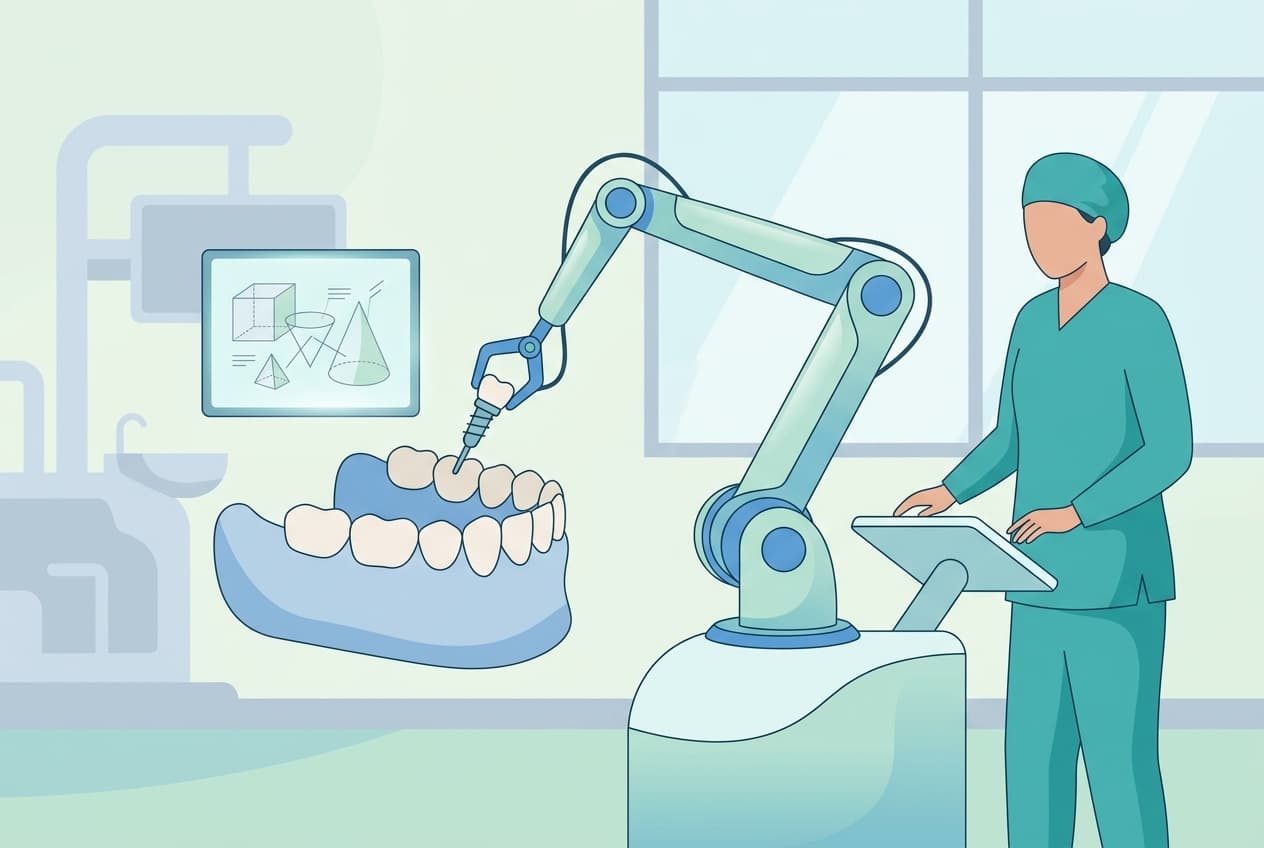
Robot-Assisted Implant Surgery: Skill Improved Speed, Not Accuracy
A study of robot-assisted implant surgery, where a robotic arm places the implant itself, found that dental trainees with no surgical experience showed stable placement accuracy from the very first day. What decreased with repetition was not accuracy but the time it took. This piece examines why the robot handles accuracy while the operator learns speed.
4 min read
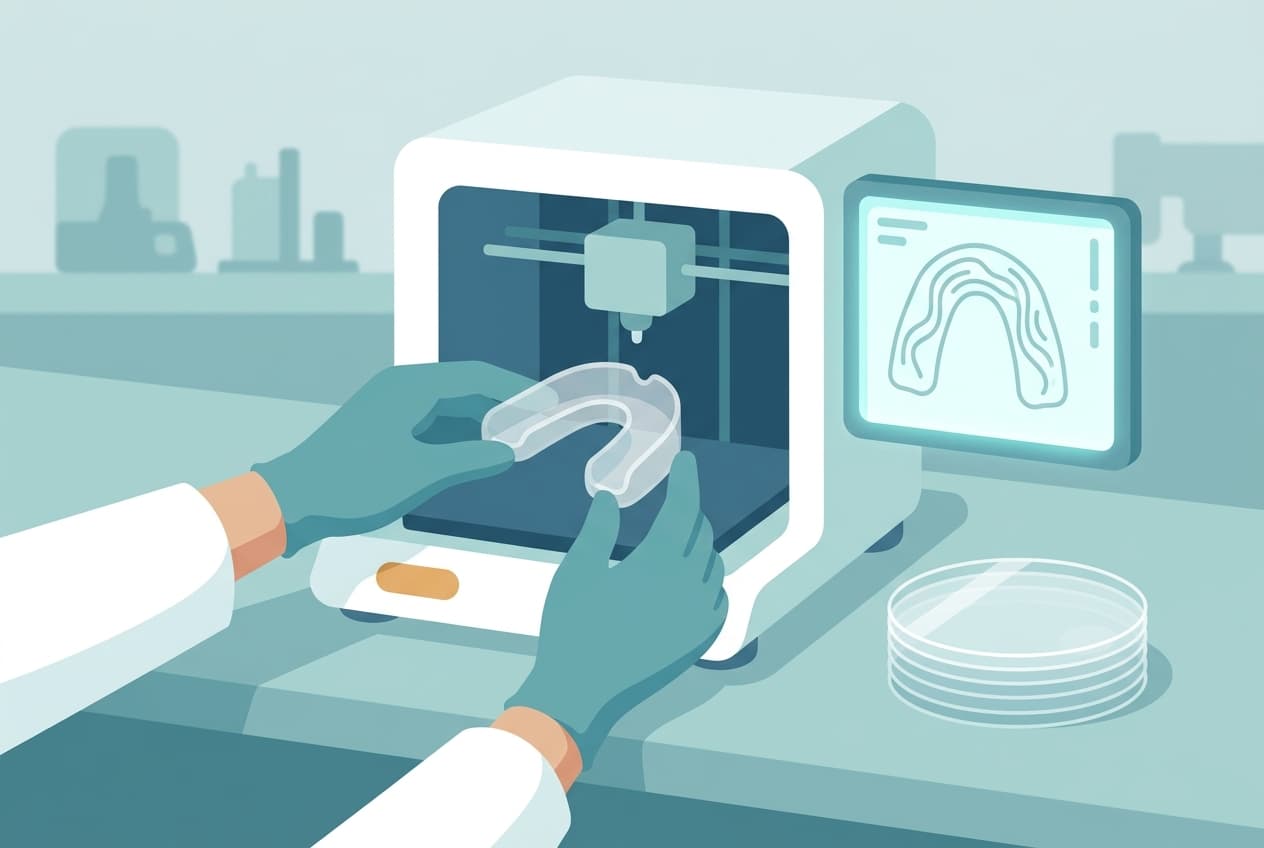
Digital Mouthguard Impressions Were Easier, But Handmade Ones Still Fit Better
More dentists are trying to make mouthguards with intraoral scanners and 3D printing instead of alginate impressions. The process now takes less time and is less uncomfortable, but the finished fit still hasn't caught up with handmade versions. In experiments that 3D-print the mouthguard material itself, impact resistance varied sharply by material.
4 min read
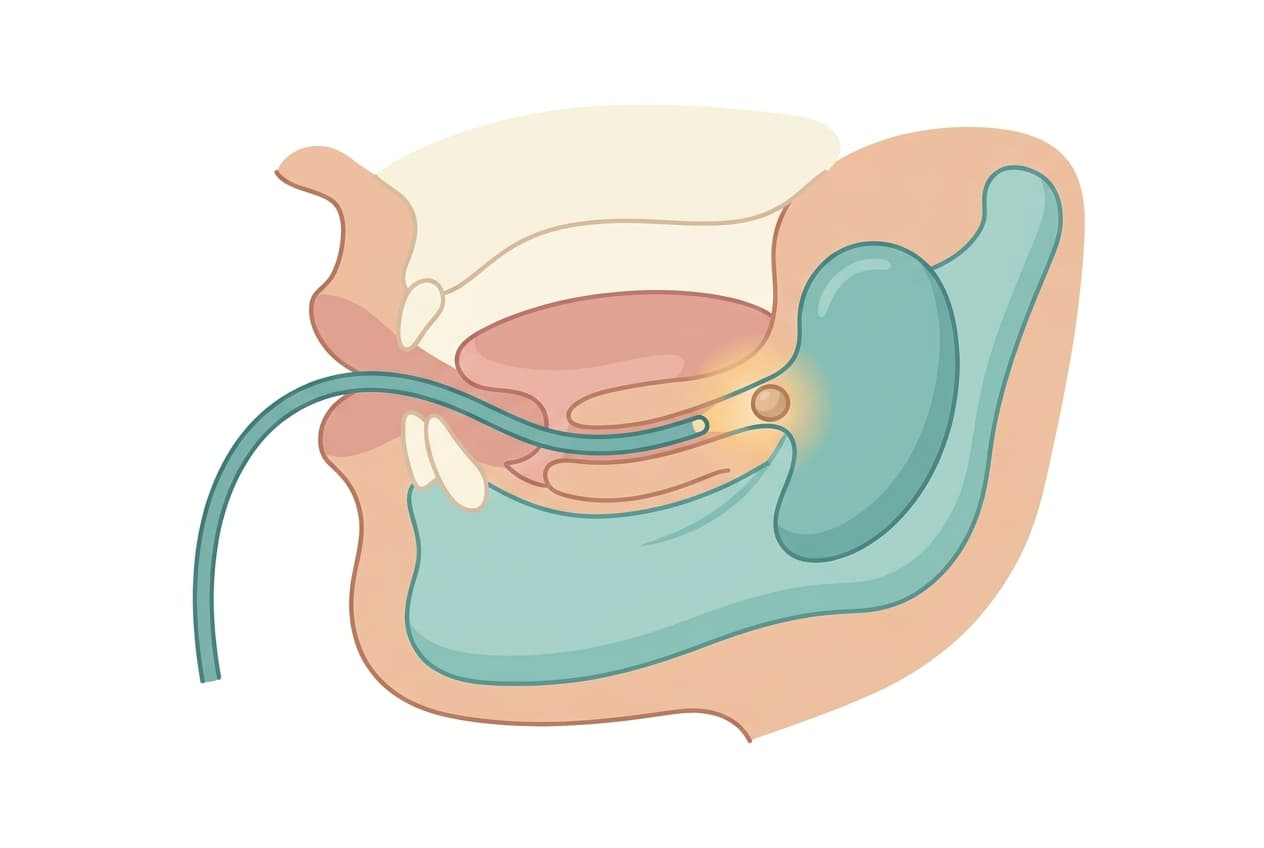
Salivary Stones: Sialendoscopy Breaks Them Up Without Removing the Gland
Salivary stones were long treated by surgically removing the entire gland. More recently, treatment has shifted toward threading a thin endoscope through a natural opening in the mouth to view the stone and break it apart with a laser or air pressure before removing it. This piece reviews the differences in removal rates and side effects between two lithotripsy methods confirmed in a 2025 comparative trial, along with the cases where this treatment does not work.
3 min read
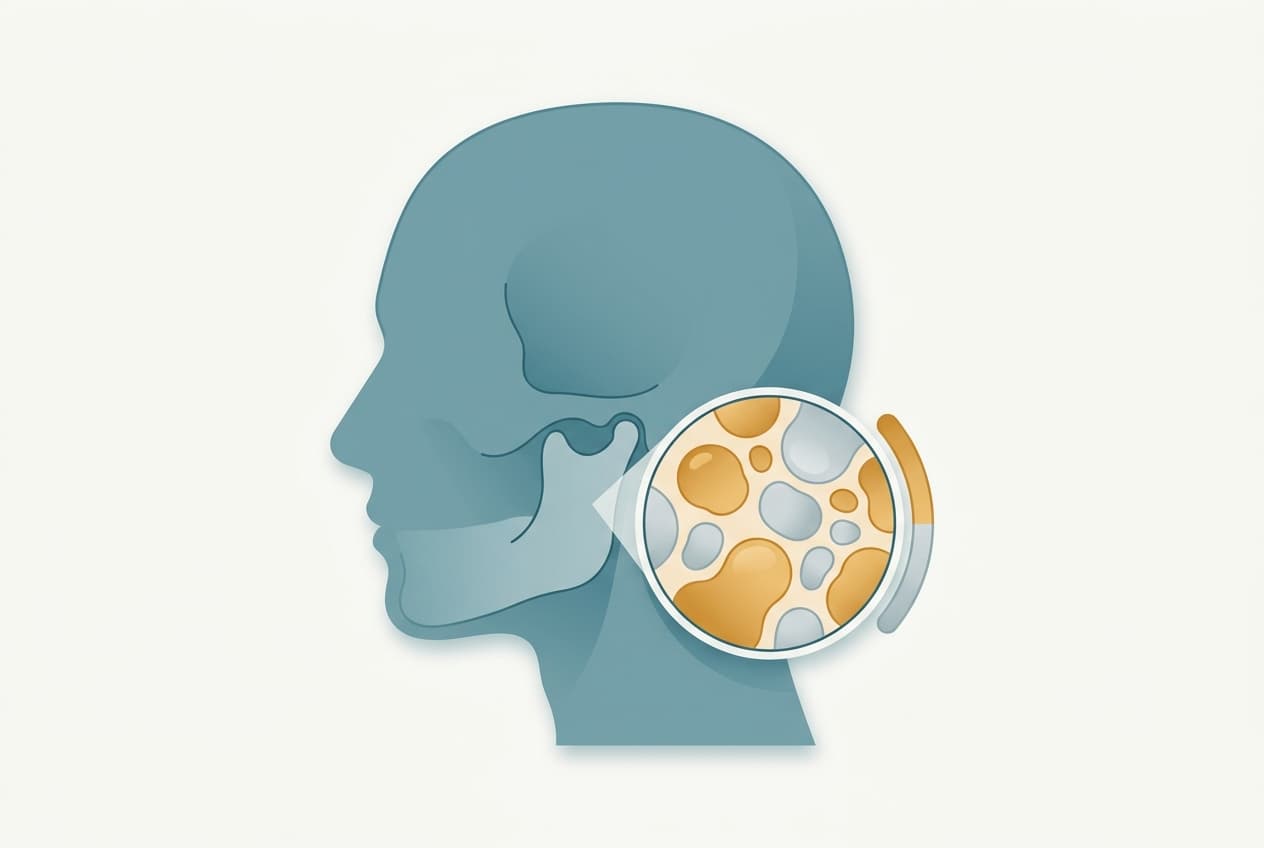
TMJ MRI Uses Marrow Fat Fraction to Distinguish Osteoarthritis Stages
A Chinese research team used an MRI technique that quantifies fat fraction inside temporomandibular joint bone to distinguish osteoarthritis from healthy joints, and even its subtypes. This article explains how it differs from conventional visual reading and how the Dixon technique separates fat from water.
3 min read
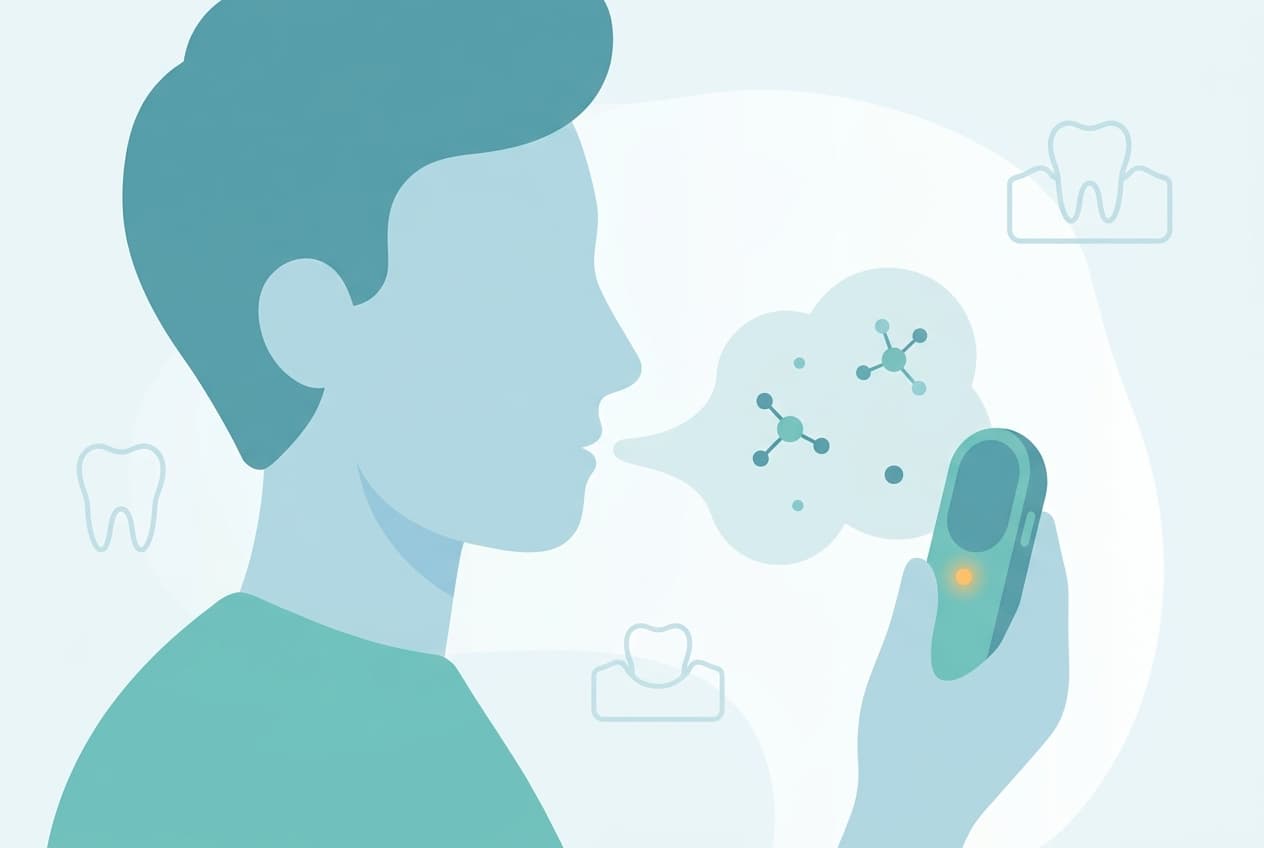
Breath-VOC Nanosensor Screens Oral Disease, Catches Periodontitis but Misses Cavities
A new study tested a nanosensor that reads chemicals in exhaled breath to screen for oral diseases ranging from periodontitis to cavities. It accurately distinguished periodontitis and healthy implants, but still struggled to catch early-stage changes like cavities or gingivitis. Here is what sets this approach apart from existing diagnostic methods and how far the evidence goes.
3 min read
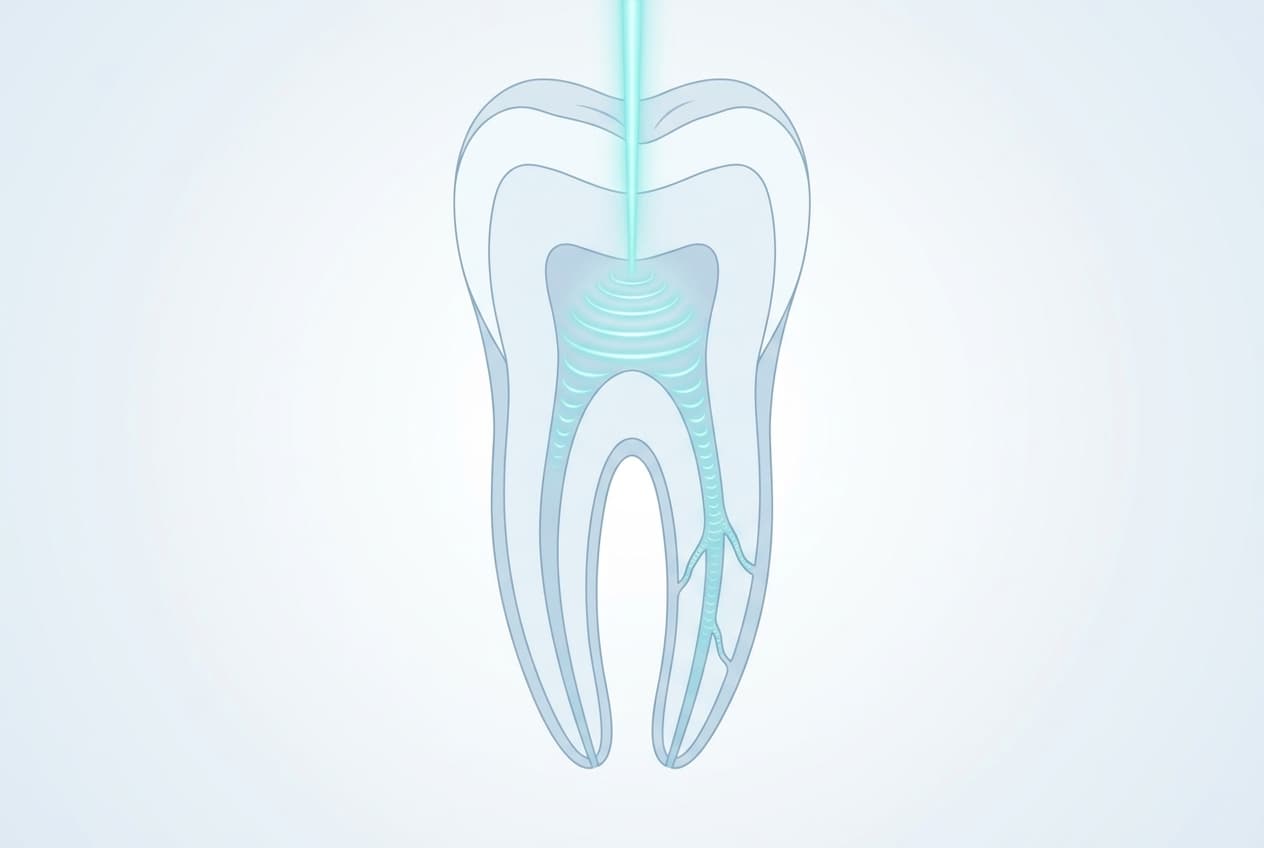
Laser Root Canal Irrigation (PIPS) Caused Less Early Pain Than Ultrasonic Irrigation
PIPS, a laser-based approach to the irrigation step that flushes bacteria from the root canal, has been put through clinical trials. Recent systematic reviews report that it causes less pain than ultrasonic irrigation during the first two days after treatment, while also finding it pushes more debris past the root tip.
3 min read
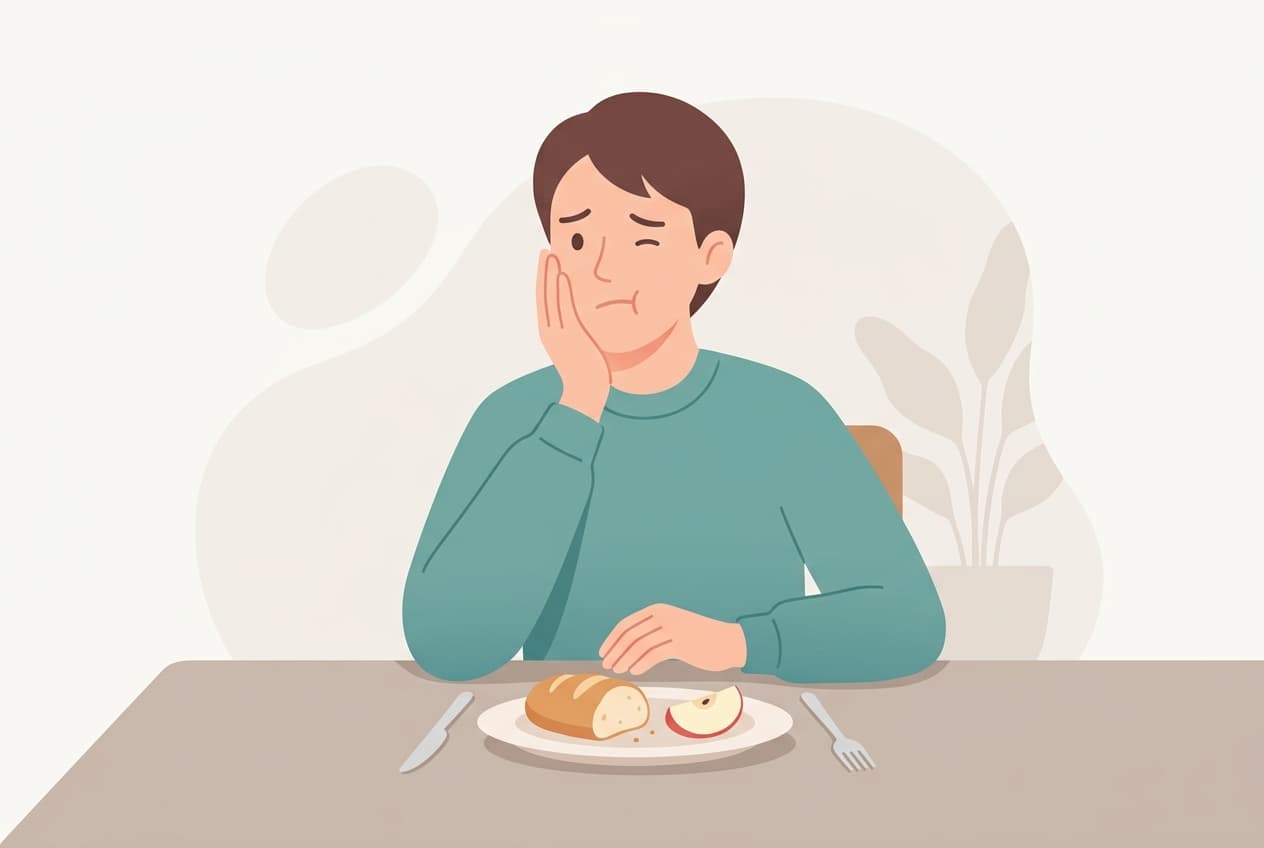
Cracked Tooth (Tooth Crack)
A cracked tooth is a tooth with a crack along the chewing surface that hasn't broken all the way through, causing brief pain when chewing. This article covers its causes and symptoms, diagnosis with bite tests and transillumination, and the treatment path from monitoring with a temporary crown to a full-coverage crown or root canal treatment.
3 min read
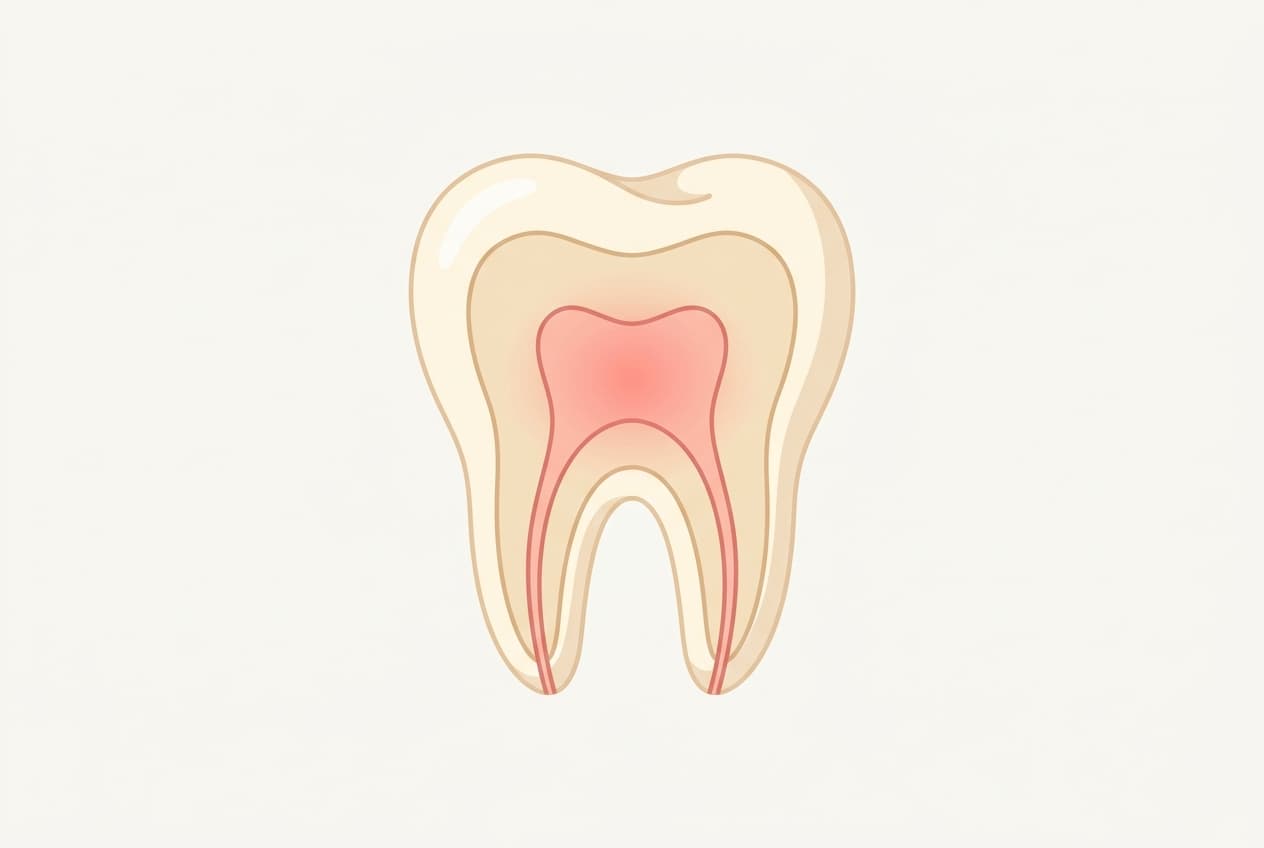
Pulpitis (Nerve Inflammation)
Pulpitis is inflammation of the pulp, the nerve tissue of the tooth. This article summarizes how it progresses from mild reversible pulpitis, through irreversible pulpitis that no longer recovers on its own, to pulp necrosis, along with the differences in pain at each stage, diagnosis, and treatment methods.
4 min read

What Should I Do If My Resin Filling or Inlay Feels Like It Has Come Off?
If a resin filling or inlay seems to have come off, you should not handle it yourself: a dentist needs to check the extent of the damage and whether new decay has formed underneath. This explains why localized damage can be fixed with a partial repair, while extensive damage or secondary caries requires complete replacement.
5 min read
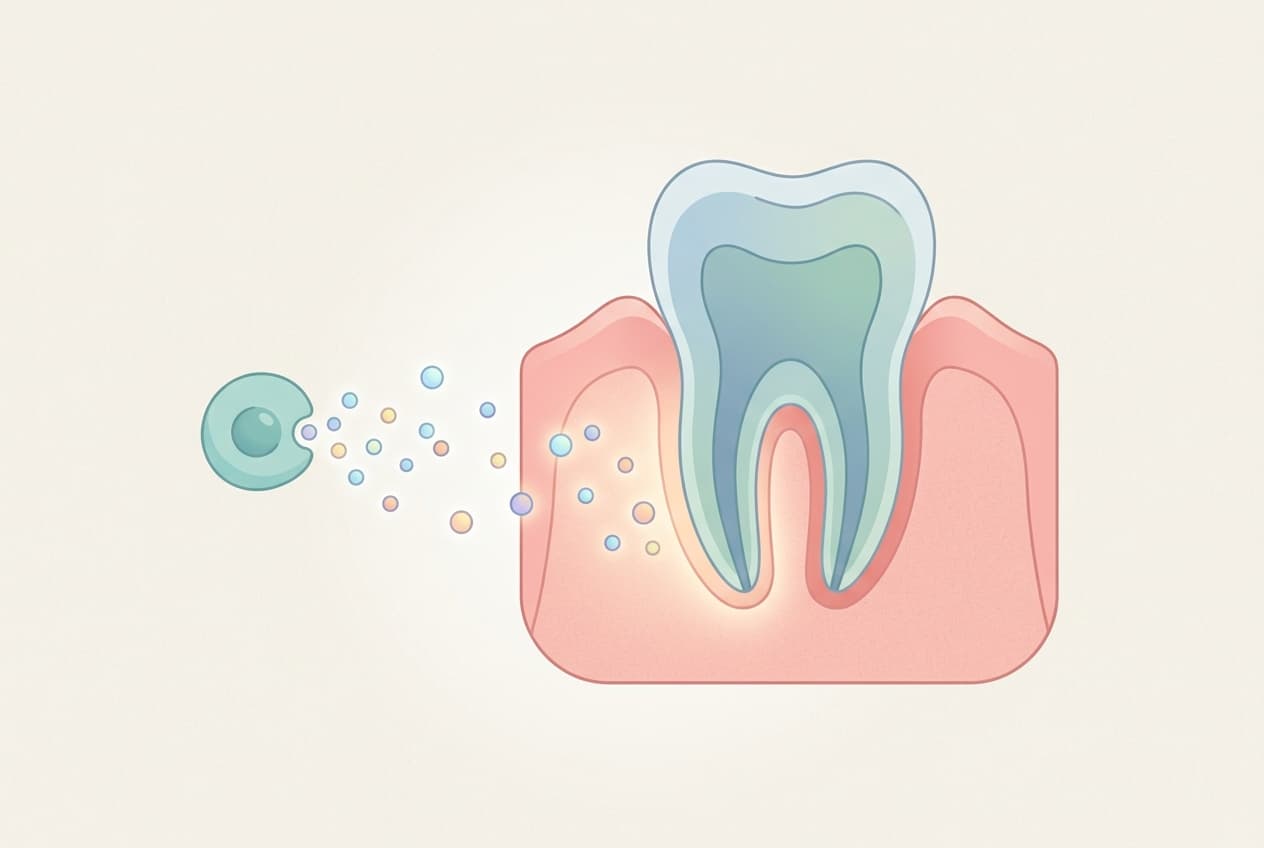
Exosomes Regenerate Alveolar Bone: First Human Study Results Reported
A therapy that uses exosomes, the signaling sacs cells release rather than the cells themselves, to regenerate alveolar bone and periodontal tissue has been tried in humans for the first time. In a case of bone grafting for an implant and a preliminary study treating 13 periodontitis patients, bone grew and pocket depth decreased without adverse events, but whether exosomes alone caused this effect has not yet been confirmed.
3 min read
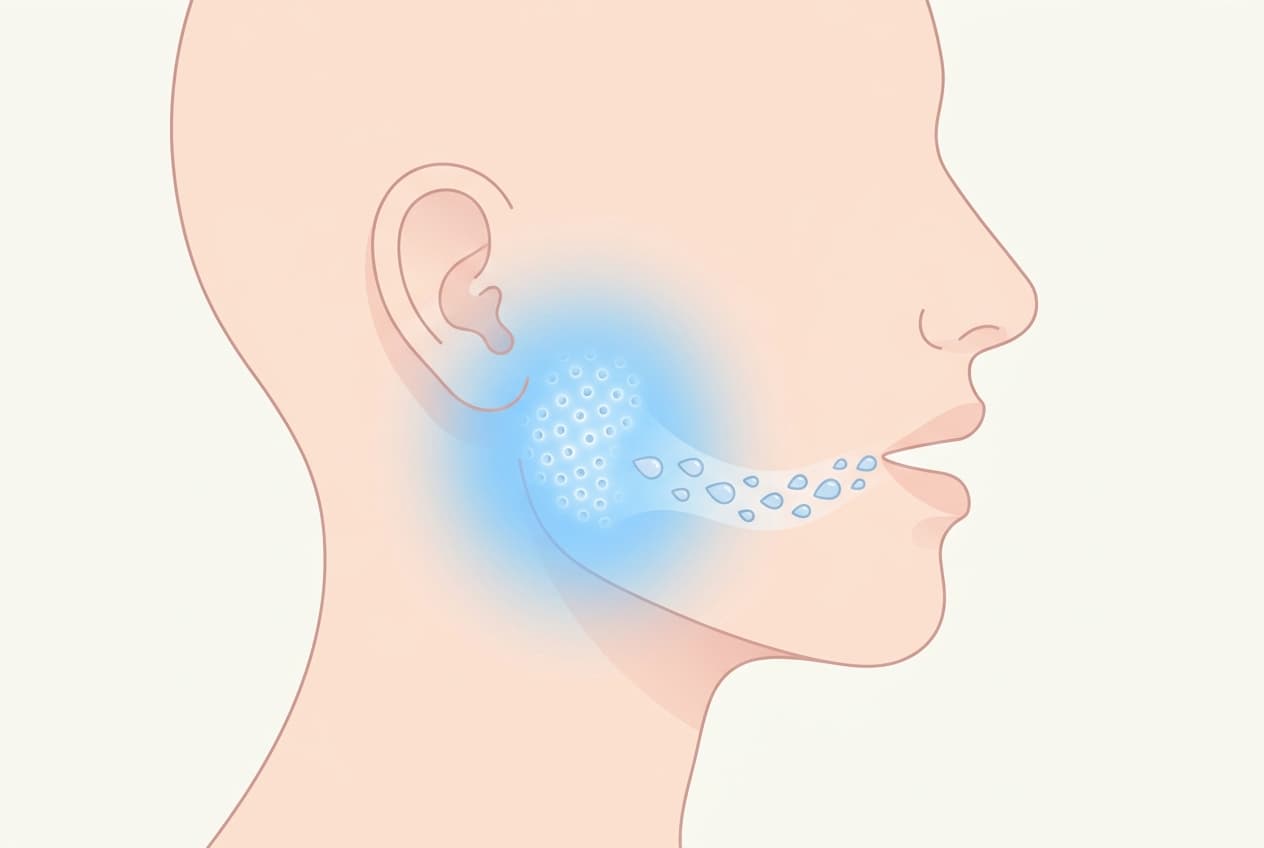
Radiation-Induced Dry Mouth: A Water-Channel Gene Got Salivary Glands Flowing Again
This article summarizes Phase 1 clinical trial results for a therapy that inserts a gene encoding a water-channel protein into salivary glands damaged by radiation therapy. Over a 12-month follow-up of 24 patients, saliva output more than doubled on average.
4 min read
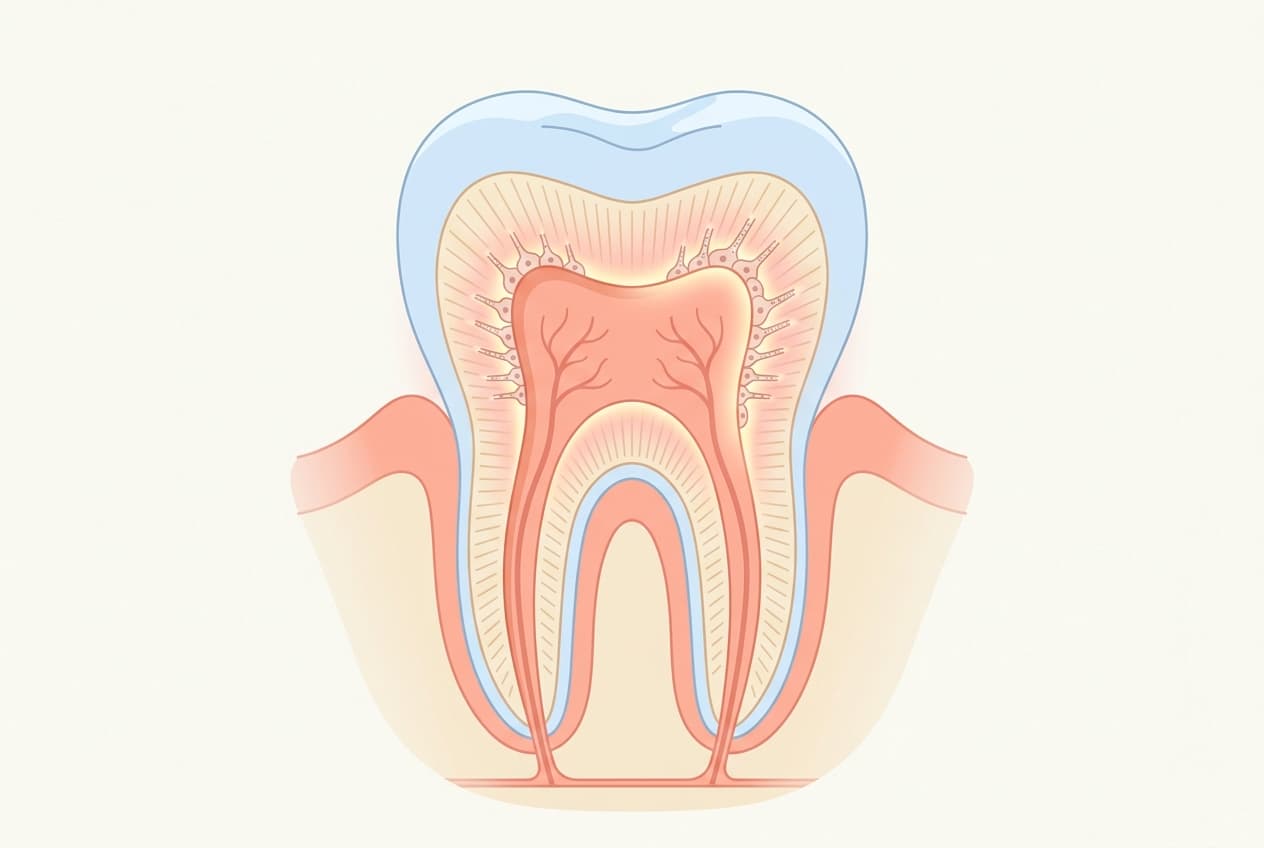
A New Treatment for Tooth Sensitivity Regenerates Dentin Instead of Just Blocking It
This article looks at the results of the first clinical trial to test in humans whether selcopintide, a peptide developed by a Korean research team, reduces tooth sensitivity by reactivating odontoblasts to regenerate the dentin itself, rather than plugging the dentinal tubules like conventional treatments.
3 min read
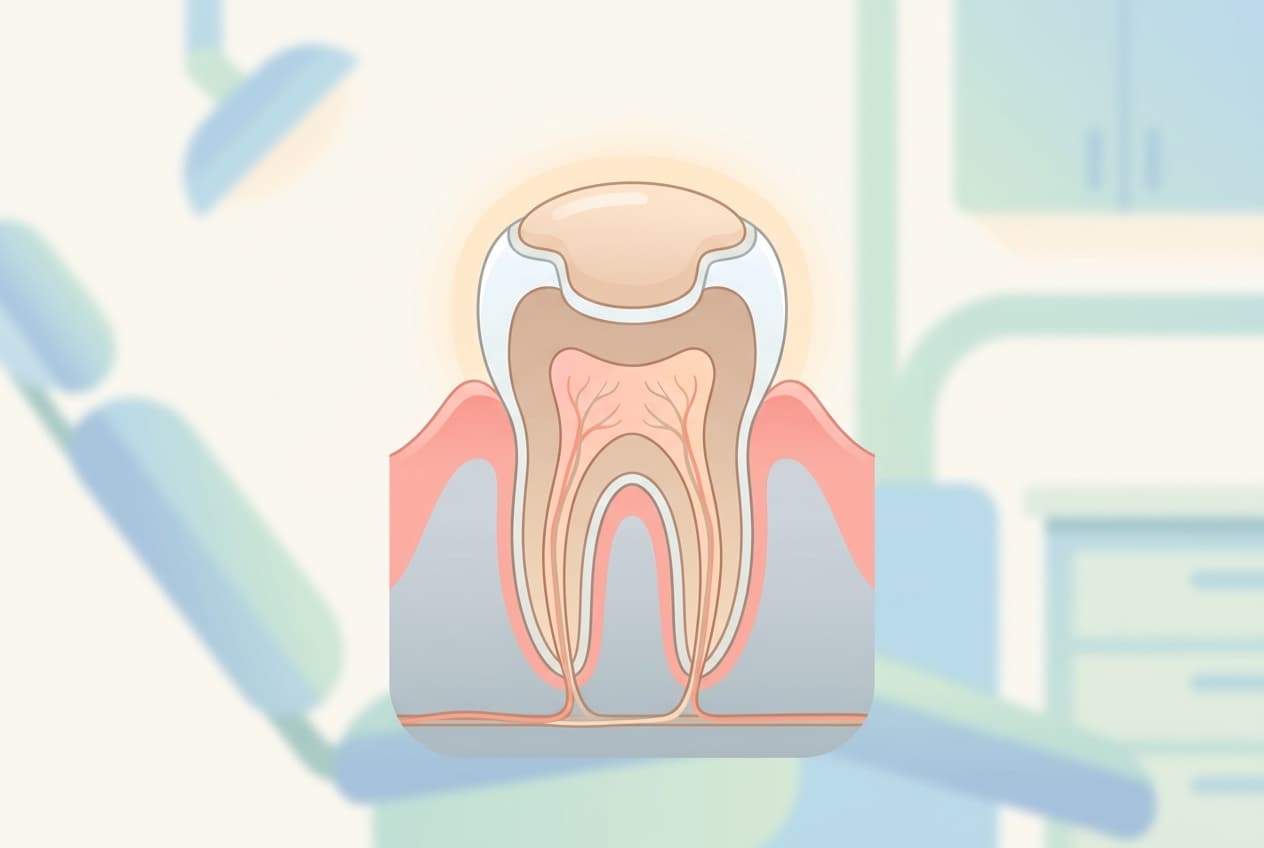
Why Do You Need a Temporary Filling While Waiting for an Inlay or Crown?
Explains why the temporary restoration placed during the lab fabrication period for an inlay or crown protects the prepared tooth's dentin and nerve and holds its position, and why a poor seal or a dislodged temporary should be checked again.
4 min read