
For a long time, there were only two ways to fill a missing tooth: dentures or implants. Now a tooth-regeneration antibody drug under development by Japanese biotech venture Toregem BioPharma has cleared Japan's regulatory document review to begin a Phase 2 trial in children, giving a third option, teeth that regrow on their own, a concrete timeline for the first time.
Toregem said in August that Japan's Pharmaceuticals and Medical Devices Agency (PMDA) had completed its review of the Phase 2 clinical trial notification for its drug TRG035, the UK dental trade publication Dentistry.co.uk reported. Approval from the institutional review board of the hospital that will run the trial is still pending, however, so the date dosing will actually begin has not yet been set.
One Antibody Wakes a Dormant Tooth Bud
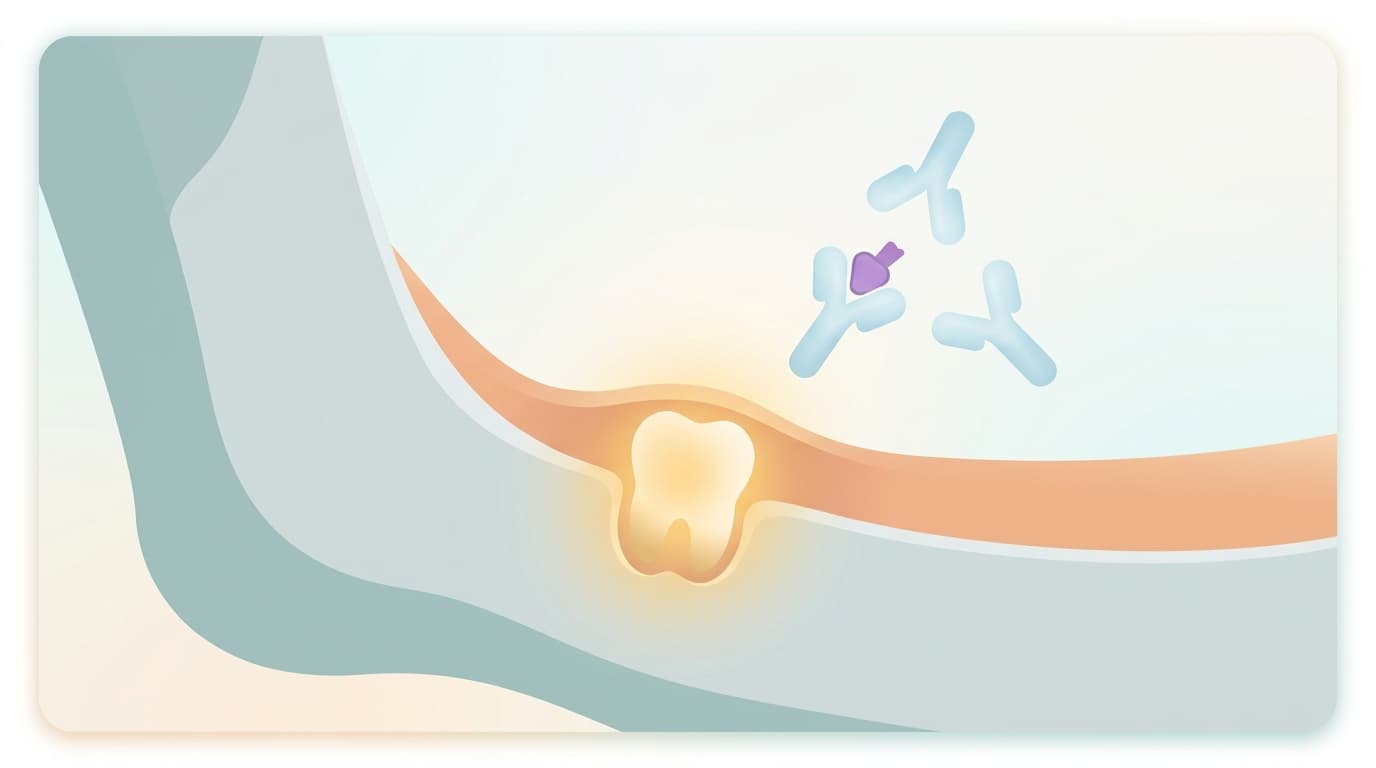
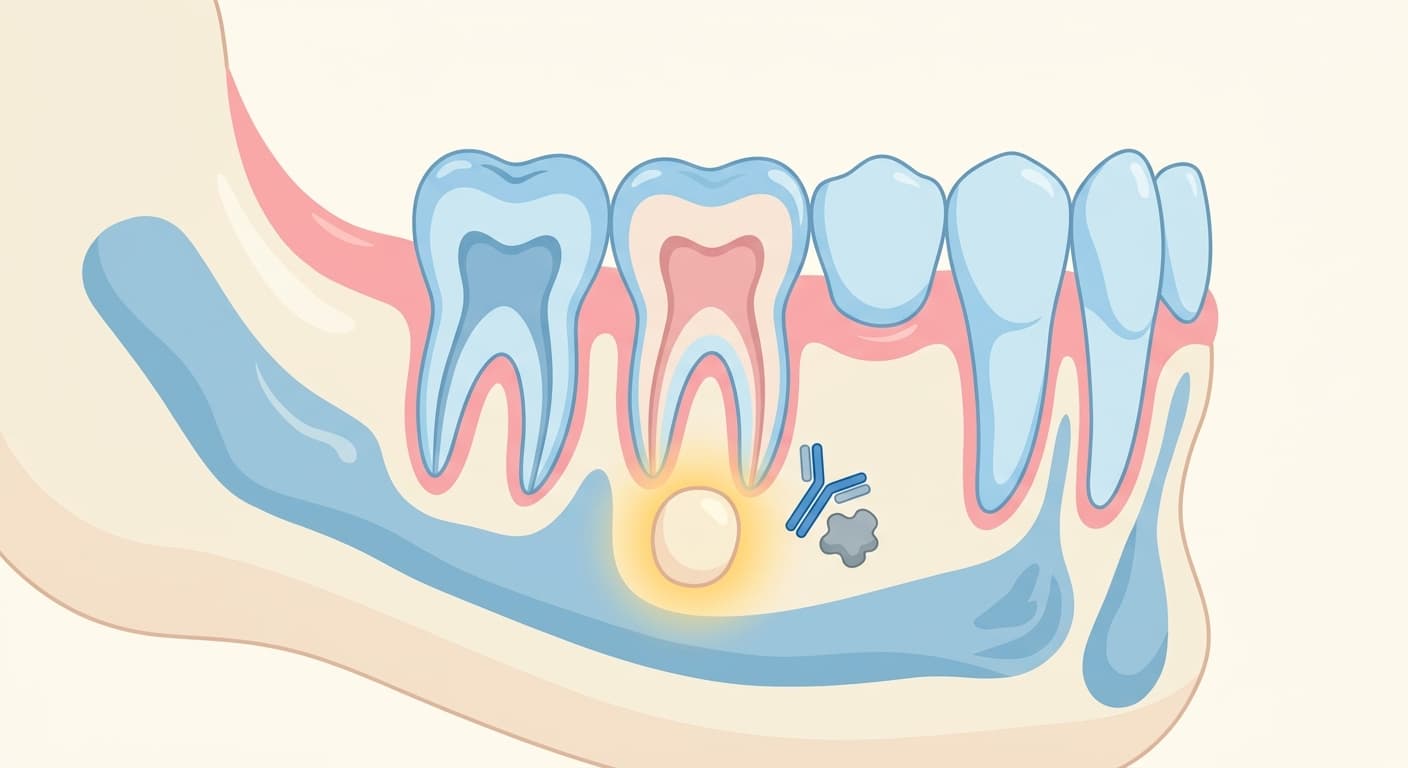
TRG035 is an antibody that blocks the action of a protein called USAG-1. This protein normally works to stop teeth from growing further, but humans also retain a dormant tooth bud behind their permanent teeth that stopped developing early on. Takahashi Katsu, head of dentistry and oral surgery at Kitano Hospital, part of the Osaka Medical Research Institute, who is leading the drug's development, hypothesized that blocking USAG-1 in this dormant tooth bud could make the stalled tooth start growing again, and has spent nearly 20 years developing the drug since 2005 based on that idea.
From 30 Adults to 24 Children
The clinical trial began in October 2024 at Kyoto University Hospital, dosing 30 men aged 30 to 64 who were missing at least one molar. That Phase 1 trial, aimed at confirming safety, has ended, and Toregem has said only that safety was confirmed; detailed results have not yet been released. The Phase 2 trial that just cleared document review broadens the scope, dosing 24 children who are born with several missing permanent teeth to gauge the drug's effectiveness.
A 'Third Option' After Dentures and Implants
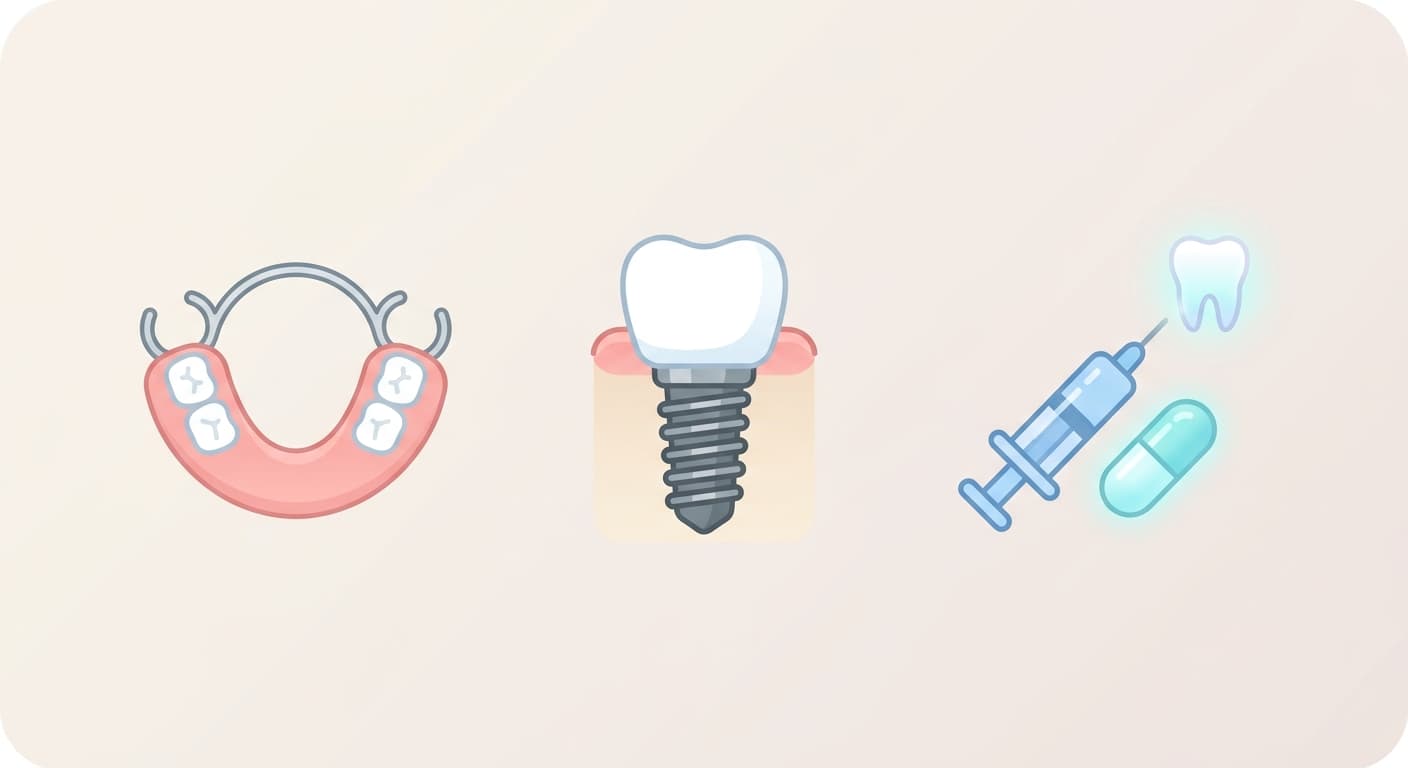
Toregem raised an additional $5.3 million in May, bringing its total funding, including grants, past $29 million. Takahashi said he hopes tooth-regeneration drugs will eventually become a third option alongside dentures and implants. The company has set a commercialization target of 2030, but at this stage, before Phase 2 dosing has even begun, that figure remains tentative.
Nothing changes in Korean dental clinics right now. The drug's target population is also still limited to patients born with multiple missing teeth, so expanding it to cover teeth lost to cavities or accidents remains far in the future. No clinical trial plans for this drug have been confirmed in Korea, and even children with congenital tooth agenesis must, for now, manage the gap with existing methods and wait until their jawbone finishes growing.