
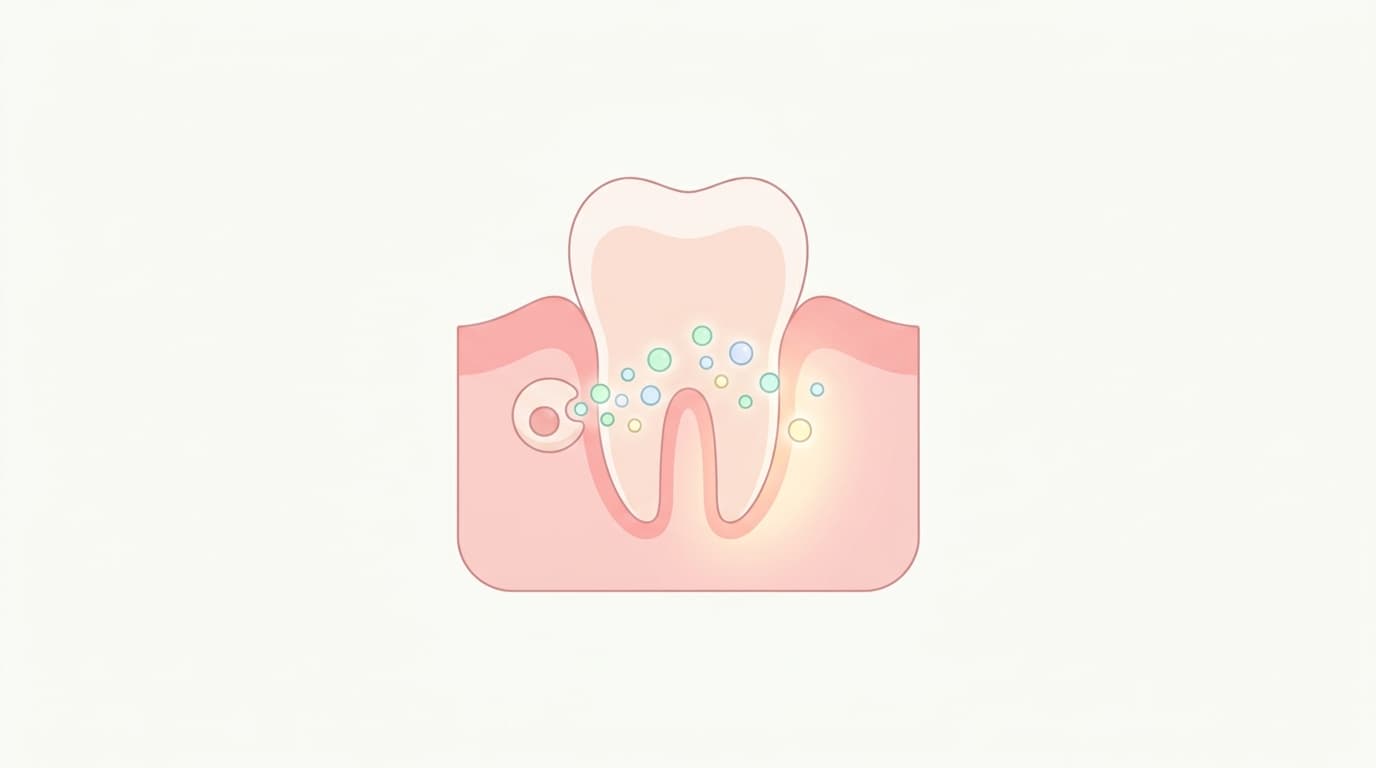
Instead of implanting whole stem cells into the body, a regenerative therapy that uses only the tiny signaling sacs those cells release has been applied to human alveolar bone and periodontal tissue for the first time. These signaling sacs, called 'exosomes,' carry RNA and proteins that alter the behavior of other cells. A case report describing the use of exosomes to build up insufficient alveolar bone before implant placement and a preliminary study treating 13 periodontitis patients were published together, offering the first evidence that dental therapies capable of regenerating bone without transplanting living cells have begun to be used in actual patients.
Sending Signals Instead of Cells
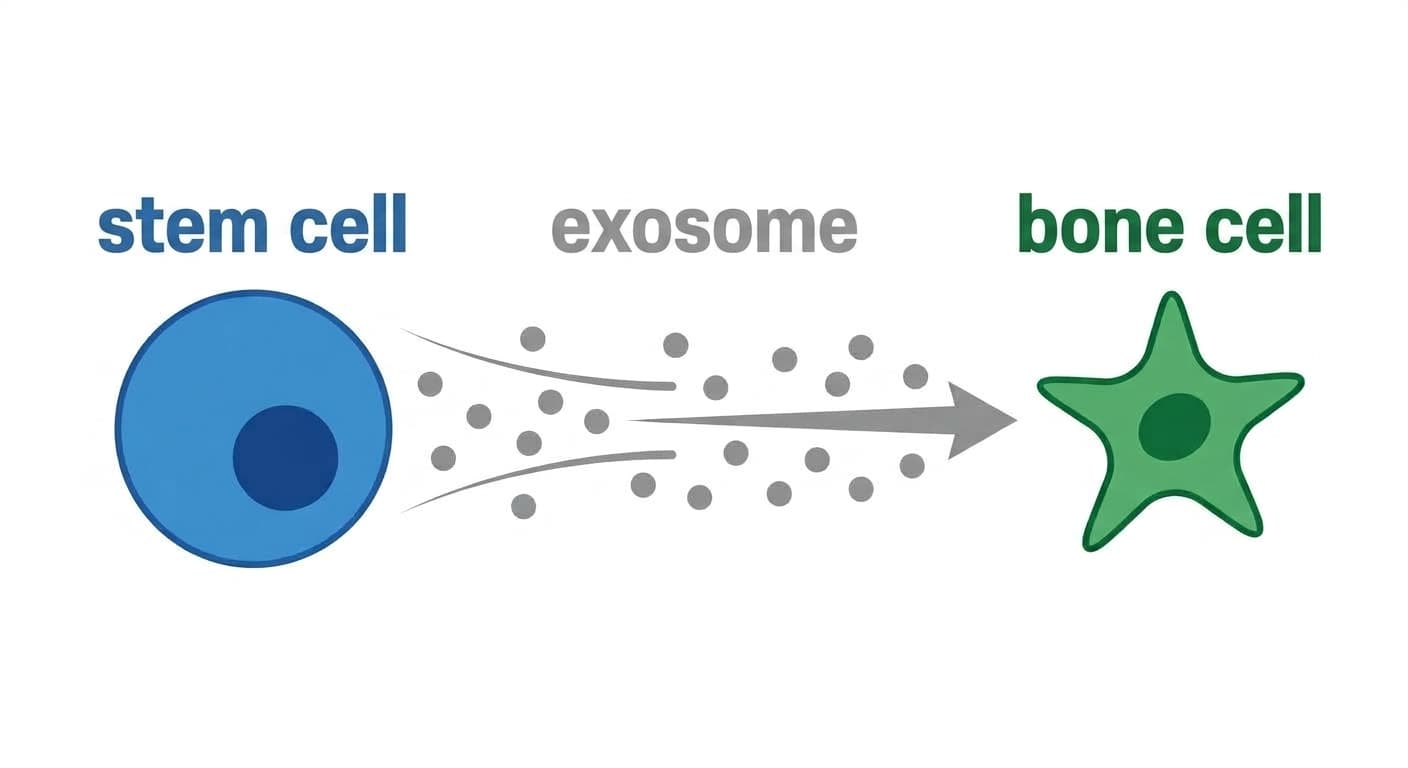
Stem cells send signals telling the cells around an injury to build new tissue, and exosomes are what carry those signals. These small sacs, 50 to 150 nanometers in diameter and enclosed by a cell membrane, contain RNA and proteins that alter the gene activity of any cell they reach. Because exosomes are not living cells, they cannot multiply on their own inside the body and lack the markers (MHC proteins) that trigger immune rejection. That is the core of this therapy: it extracts only the regenerative signal a cell sends out, without the safety concerns that come with transplanting stem cells directly.
Until now, therapies for regenerating periodontal tissue have mainly combined bone graft material with platelet-rich fibrin (PRF) or growth factors. As shown in a study comparing platelet-rich fibrin (PRF) with enamel matrix derivative (Emdogain), such growth-factor preparations and recombinant bone morphogenetic protein (BMP-2) are also used, but in some countries, including in Europe, their use is restricted over safety concerns, and they are expensive. Stem cell therapy that directly transplants cells is likewise rarely used clinically because of safety concerns. Exosomes are an attempt to fill that gap.
The First Case of Growing Implant Bone with Exosomes
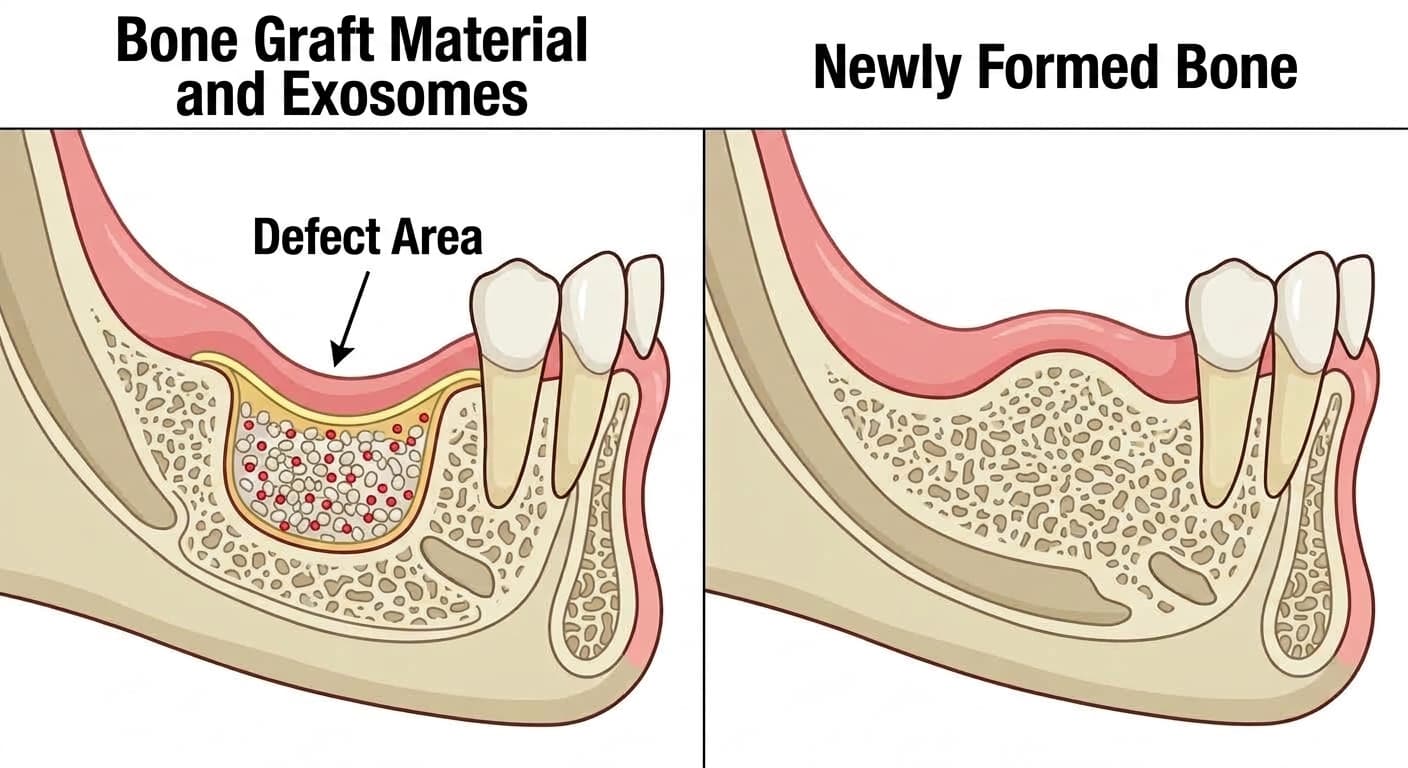
In a case report published by a U.S. research team, a patient with insufficient horizontal alveolar bone underwent a ridge augmentation procedure combining allogeneic bone graft material, PRF, and an exosome preparation derived from placental tissue (Periosomes). CT scans taken at 1, 2, 3, and 6 months after the procedure showed steady bone growth, and a tissue sample taken during implant placement at 3 months, examined under a microscope, also showed newly formed bone tissue. The research team stated that this is the first recorded case of using exosomes for human alveolar bone regeneration.
In 13 Periodontitis Patients, Pocket Depth Dropped by More Than Half
A follow-up preliminary study by the same research team involved 13 patients with severe stage III periodontitis, severe enough that their teeth had become mobile while chewing, covering 23 alveolar bone defect sites. After adding Periosomes to bovine-derived bone graft material (Bio-Oss Collagen) and PRF and following patients for 6 months, periodontal pocket depth fell from an average of 8.5mm to 3.1mm in one-wall defects and from 7.6mm to 3.2mm in two-wall defects. At 6 months, 96% of all defects had pocket depths below 5mm, and 92% showed more than 3mm of improvement in clinical attachment level (how firmly the gum had reattached to the tooth). No adverse events were reported after the procedure.
Whether Exosomes Alone Made the Difference Is Still Unclear
However, both studies only added exosomes alongside bone graft material or PRF, without a control group that isolated the effect of exosomes alone. This means these studies alone cannot determine whether the bone growth and pocket reduction were due to the exosomes or could have been achieved with bone graft material and PRF alone. The research teams themselves noted at the end of their papers that controlled clinical trials and longer follow-up are needed to confirm the standalone effect of exosomes.
Even so, these two studies were the first to show that human alveolar bone and periodontal tissue can be regenerated using only signaling molecules, without transplanting living cells. The task of confirming whether bone can be regenerated with signaling molecules alone, without cell transplantation, now moves to controlled studies in humans.