Category·Articles
Dental Technology
What has actually changed in dental technology in recent years, read from the research
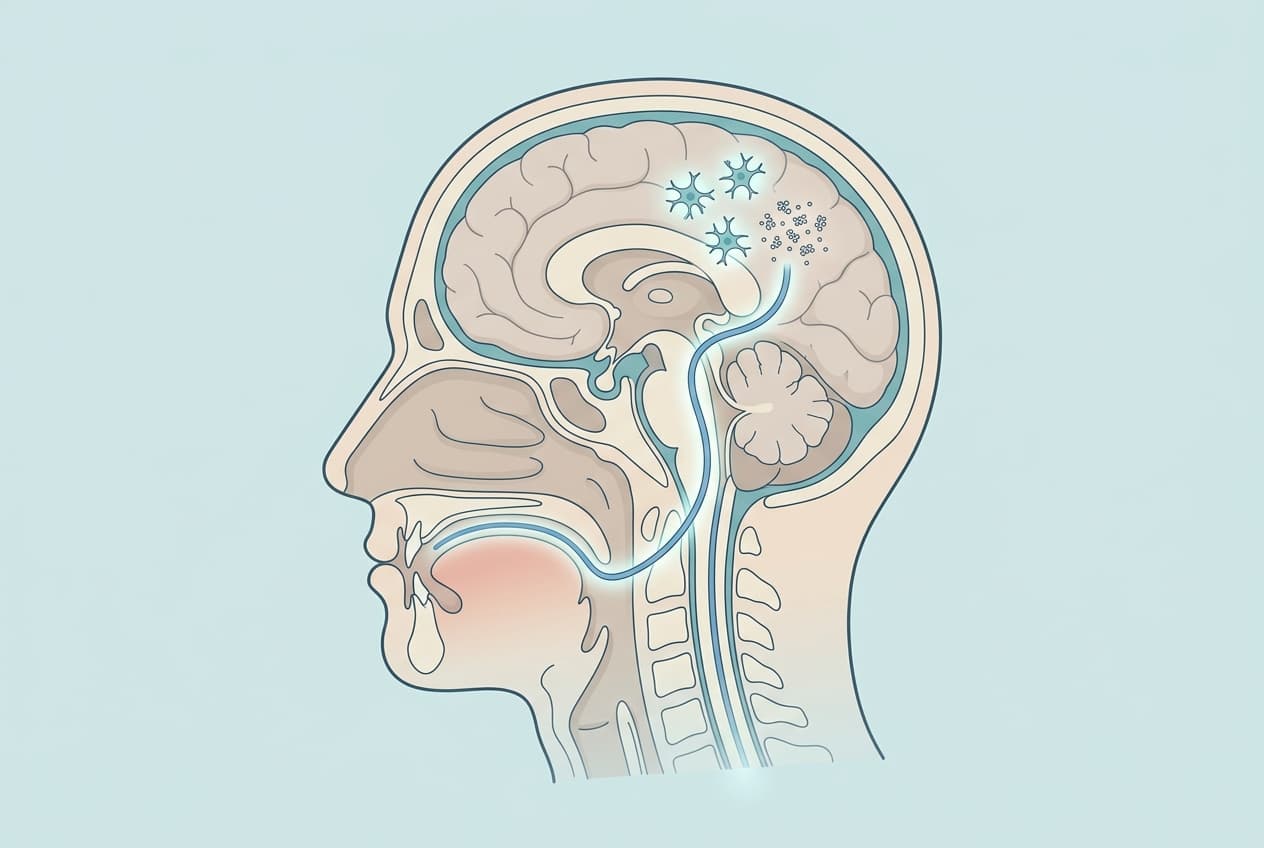
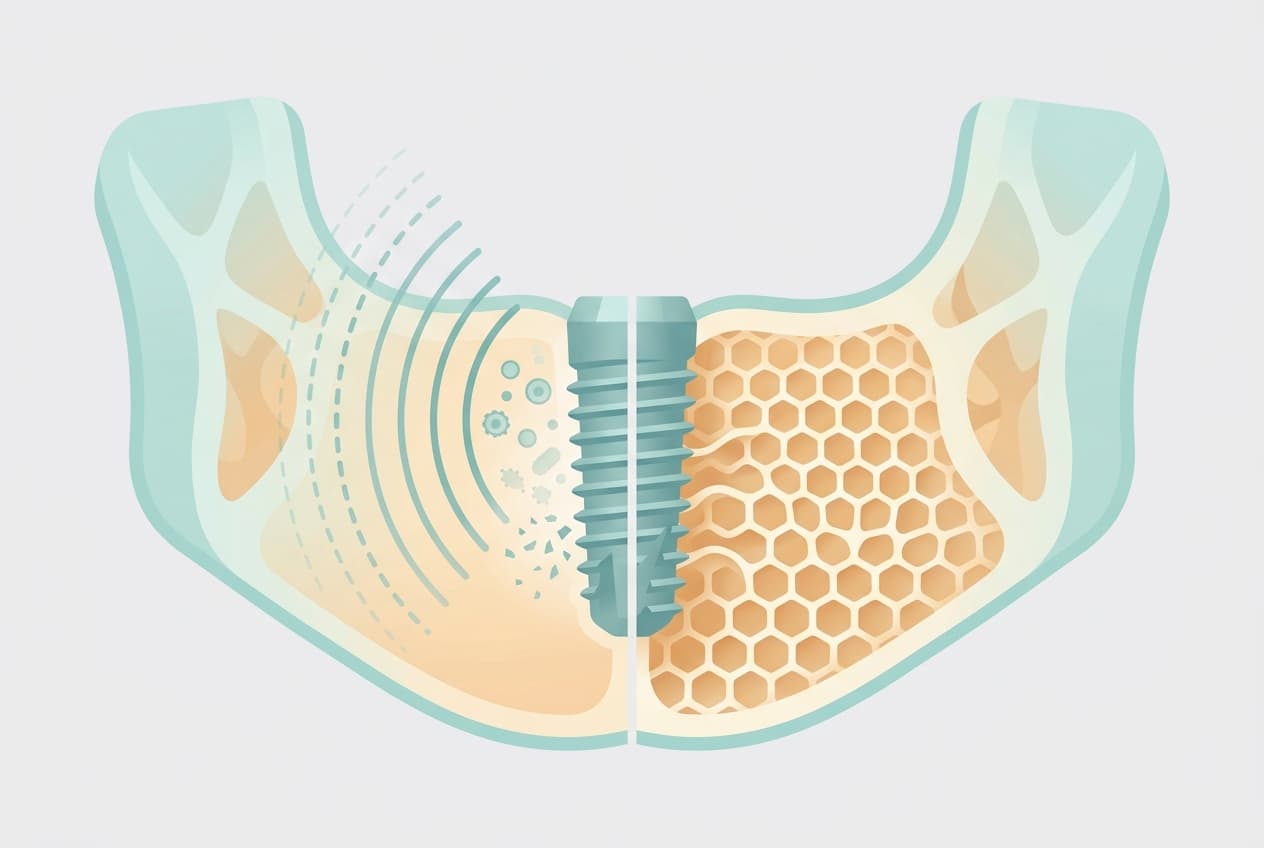
Ferroelectric Implant Surface Uses Ultrasound On/Off Switching to Sequence Bacterial Clearance and Bone Integration
A ferroelectric material coated onto titanium implants generates an electrical signal that clears bacteria when exposed to ultrasound, and a different electrical signal that promotes bone attachment when the ultrasound is turned off. This article explains the mechanism, confirmed in mouse experiments, and how it differs from existing antibacterial coatings.
4 min read

For TMJ Osteoarthritis Injections, Stem Cell-Derived Therapy Outperformed Hyaluronic Acid
Intra-articular injections for temporomandibular joint (TMJ) osteoarthritis have expanded beyond hyaluronic acid alone to include platelet-rich plasma (PRP) and stem cell-derived therapies. A 2025 systematic review found that PRP performed similarly to hyaluronic acid, while stem cell-derived therapy showed better improvements in both pain and maximum mouth opening.
3 min read
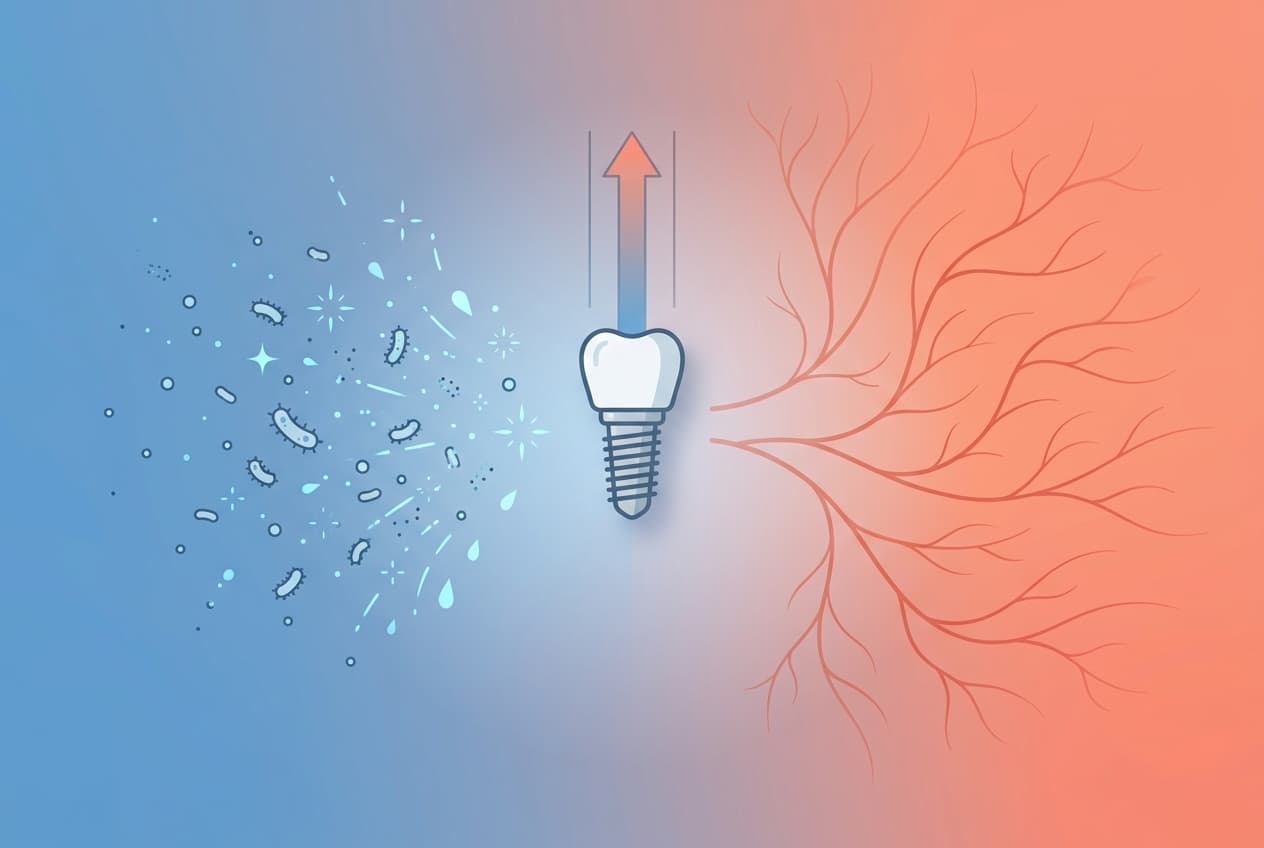
Plasma-Activated Water Switches Between Killing Bacteria and Regrowing Vessels by Voltage in Peri-Implantitis
A research team at Nanjing Medical University in China created plasma-activated water by adjusting voltage between 33 and 46 kV, and confirmed in the lab that on implant surfaces, high voltage sharply reduces periodontitis-causing bacteria while low voltage promotes blood vessel regeneration. A single device may be able to switch between biofilm removal and vascular regeneration, the two core tasks in peri-implantitis treatment, though the evidence is still limited to cells and bacteria.
3 min read
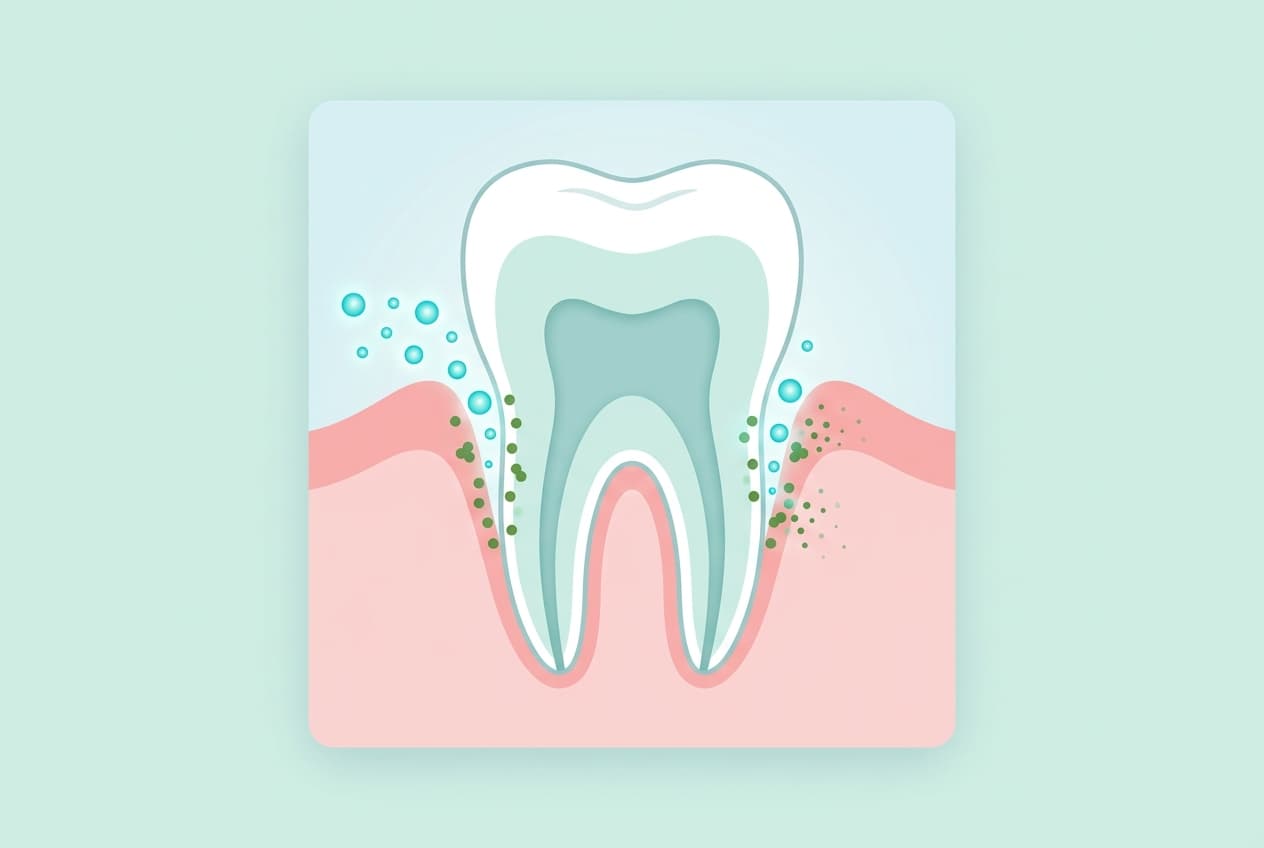
Adding Ozone Gas to Periodontitis Scaling Shrank Pockets Further, but Bleeding Stayed the Same
In a split-mouth clinical trial comparing both sides of the mouth in 39 periodontitis patients, adding ozone gas to scaling produced greater improvement in pocket depth and attachment level, along with a sharp drop in anaerobic periodontal bacteria. However, there was no difference in bleeding or plaque, and the conclusions of accumulated meta-analyses remain mixed, so it is still too early to adopt ozone therapy as standard treatment.
4 min read
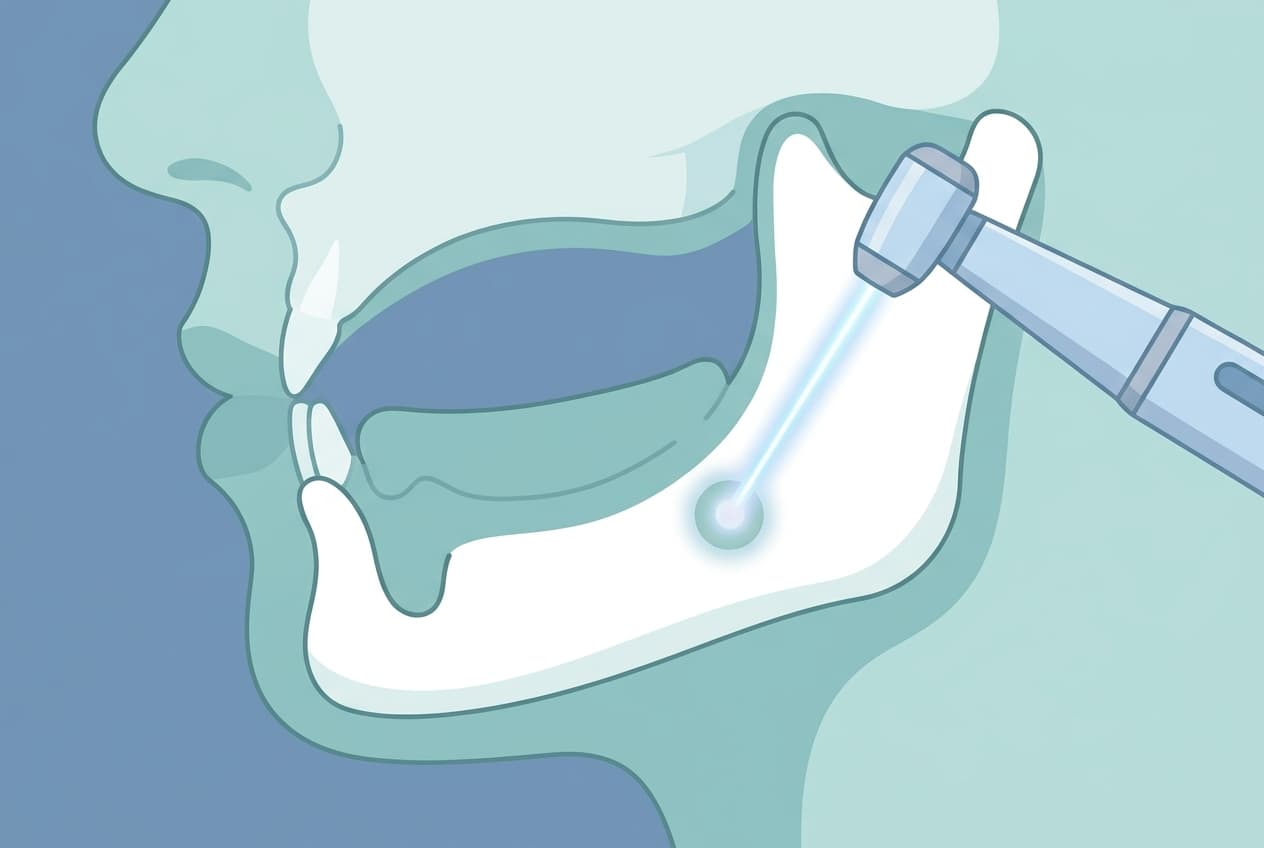
Medication-Related Osteonecrosis of the Jaw: Laser-Assisted Surgery Brought Fewer Complications and Better Recovery
A randomized controlled trial added an Er:YAG laser to surgery for medication-related osteonecrosis of the jaw, a side effect of drugs such as osteoporosis medications, and found large differences in complications and recovery. Here is what the laser does differently and how much evidence has accumulated so far.
3 min read
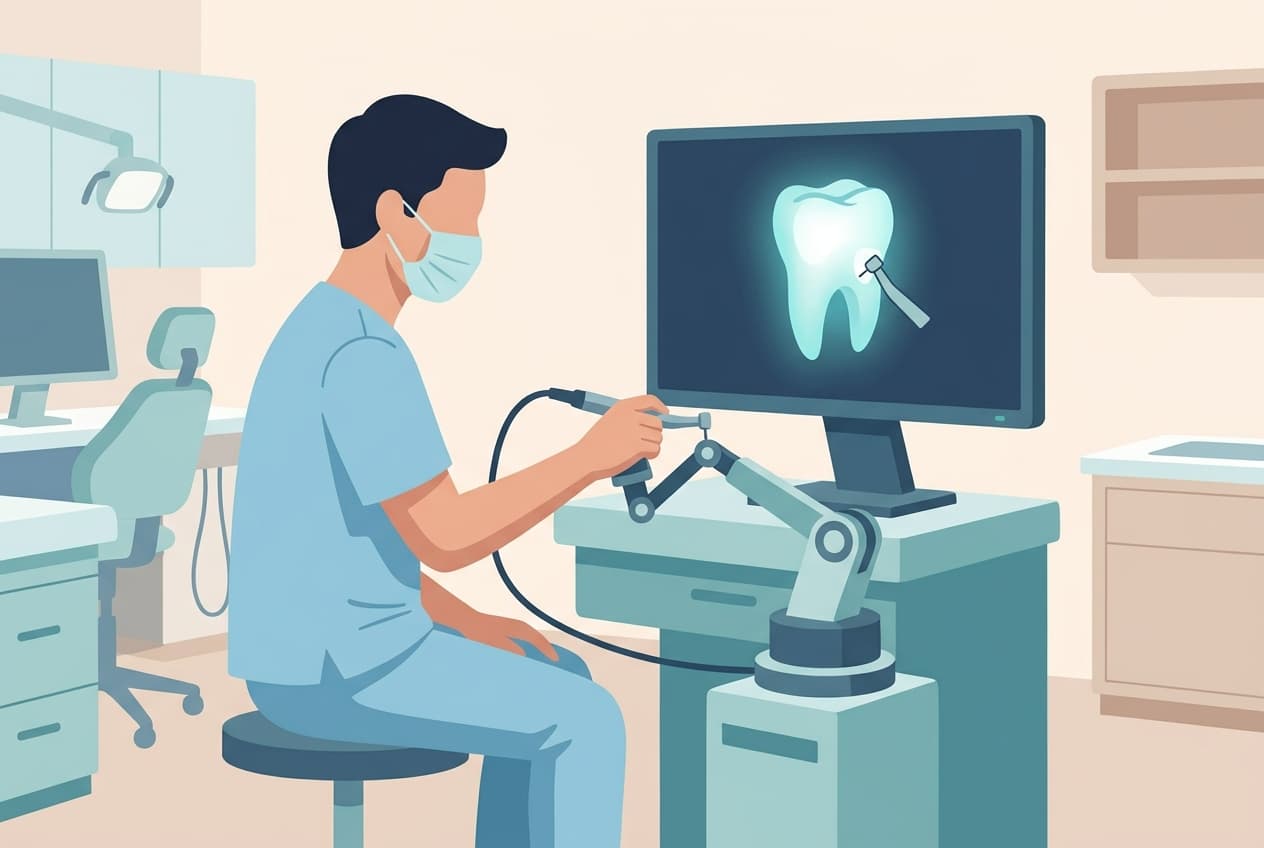
Dental Students Who Practiced With Haptic VR Improved Only Some Endodontic Skills
Haptic virtual reality simulators that give touch feedback are entering preclinical dental training. Recent randomized controlled trials show these devices don't improve every hand skill evenly. Here's a look at which movements showed clear gains and which didn't.
3 min read
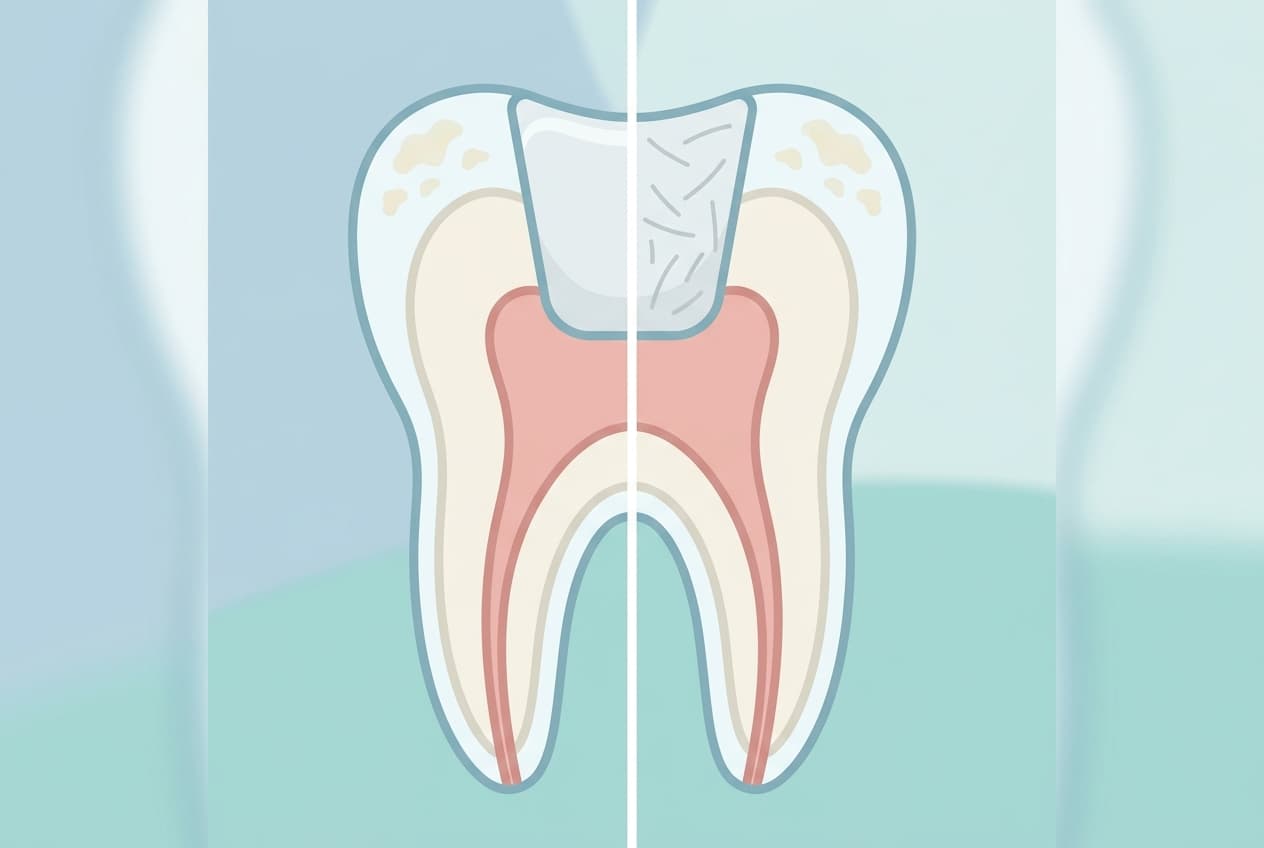
MIH Molar Fillings: 5-Year Survival Was Higher for Fiber-Reinforced Composite
In a 5-year clinical trial that filled first permanent molars weakened by molar incisor hypomineralization (MIH) with either glass hybrid or fiber-reinforced composite, both materials looked similar on clinical exams, but fiber-reinforced composite restorations survived at a higher rate. The trial also points to a problem that switching materials alone doesn't fix.
3 min read
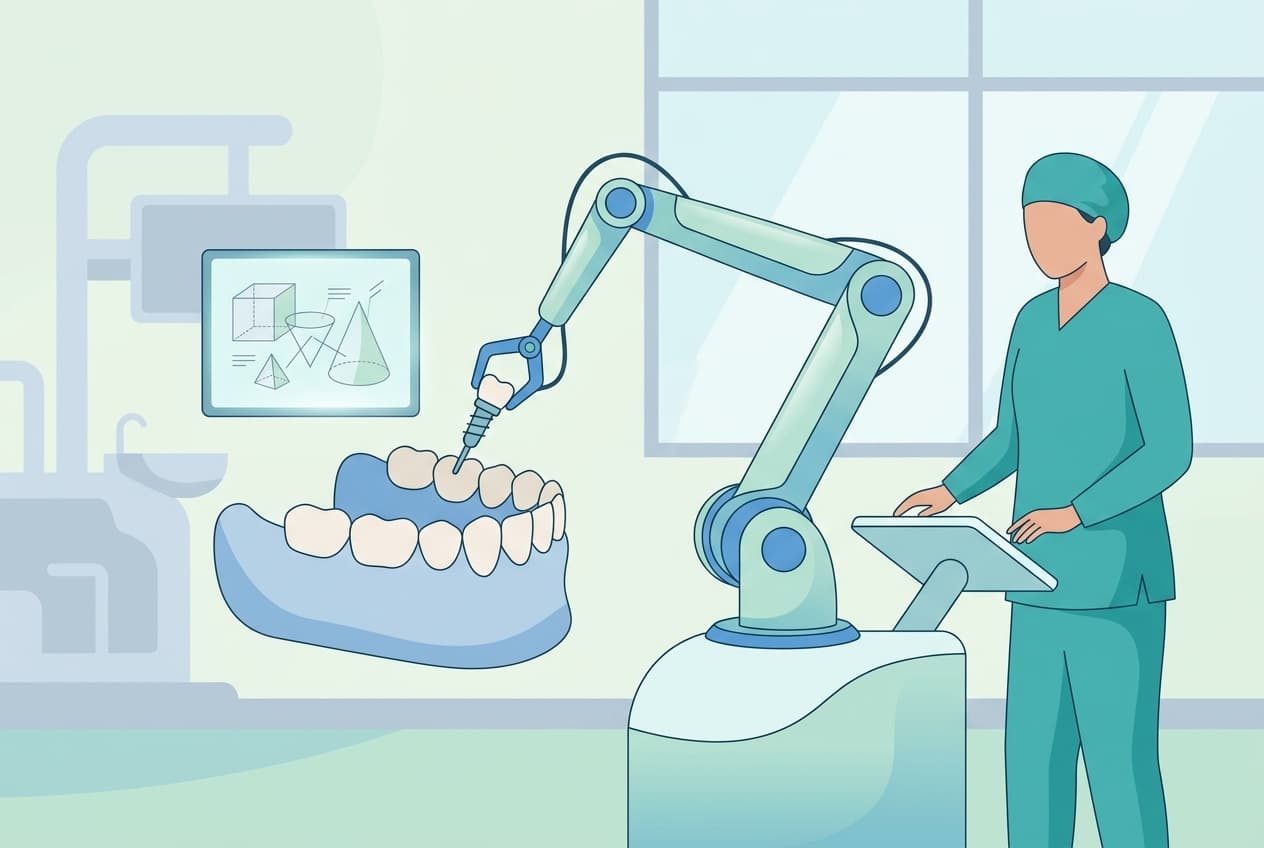
Robot-Assisted Implant Surgery: Skill Improved Speed, Not Accuracy
A study of robot-assisted implant surgery, where a robotic arm places the implant itself, found that dental trainees with no surgical experience showed stable placement accuracy from the very first day. What decreased with repetition was not accuracy but the time it took. This piece examines why the robot handles accuracy while the operator learns speed.
4 min read
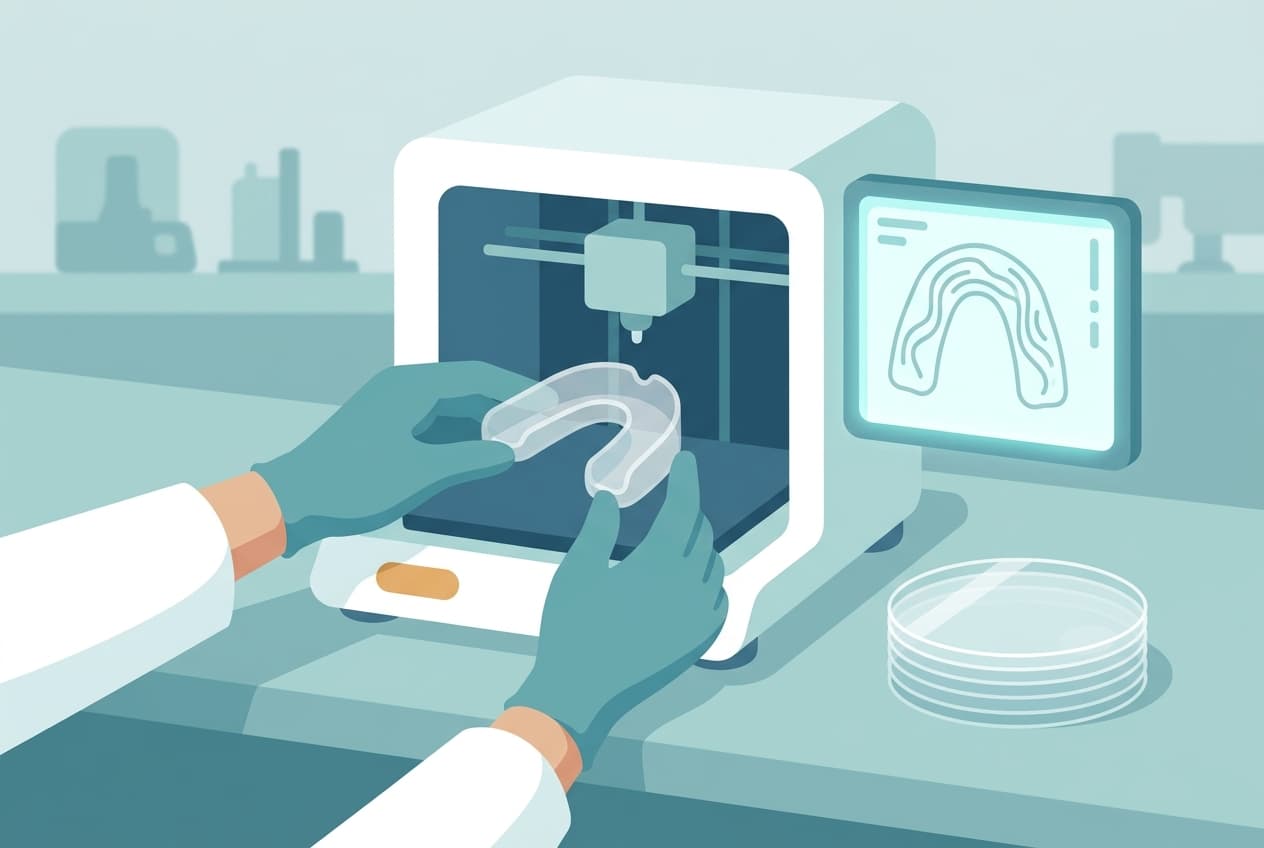
Digital Mouthguard Impressions Were Easier, But Handmade Ones Still Fit Better
More dentists are trying to make mouthguards with intraoral scanners and 3D printing instead of alginate impressions. The process now takes less time and is less uncomfortable, but the finished fit still hasn't caught up with handmade versions. In experiments that 3D-print the mouthguard material itself, impact resistance varied sharply by material.
4 min read
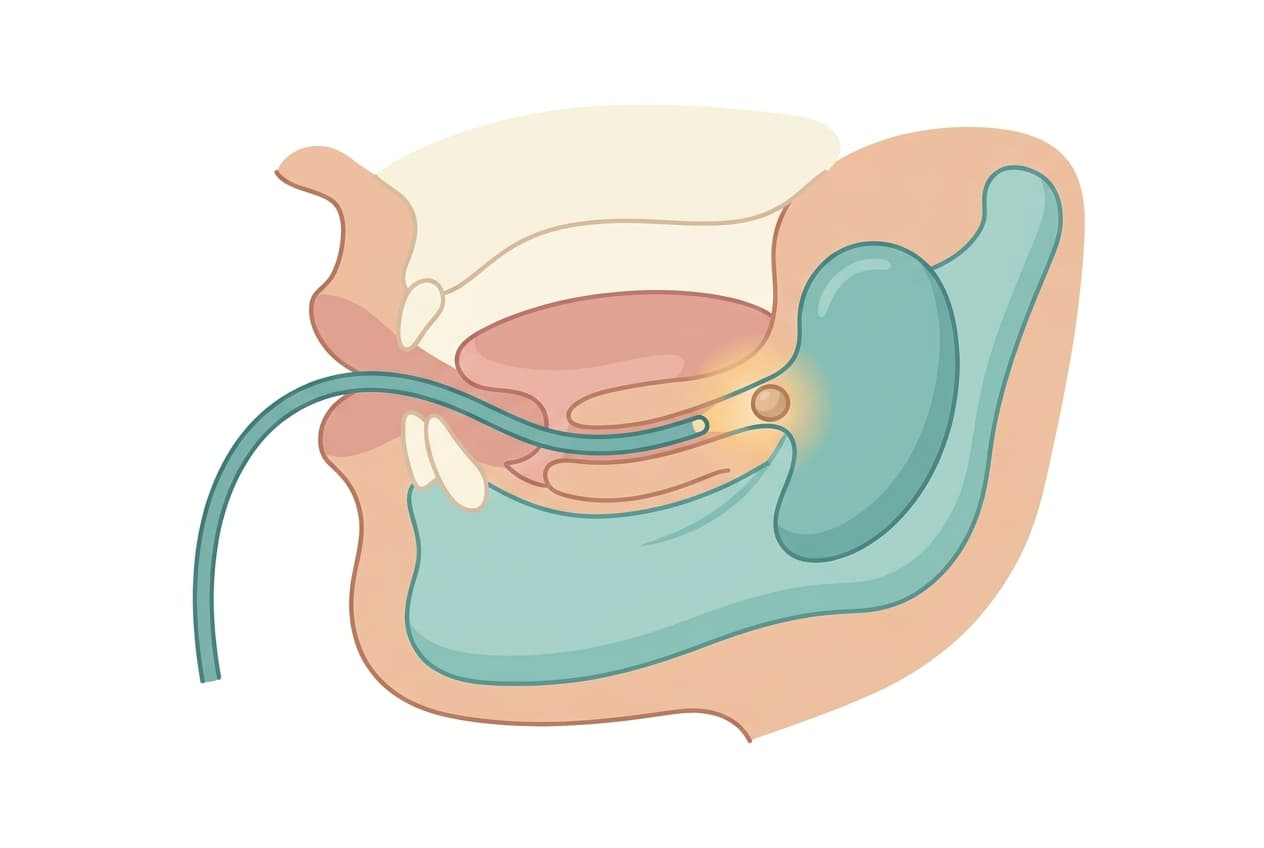
Salivary Stones: Sialendoscopy Breaks Them Up Without Removing the Gland
Salivary stones were long treated by surgically removing the entire gland. More recently, treatment has shifted toward threading a thin endoscope through a natural opening in the mouth to view the stone and break it apart with a laser or air pressure before removing it. This piece reviews the differences in removal rates and side effects between two lithotripsy methods confirmed in a 2025 comparative trial, along with the cases where this treatment does not work.
3 min read
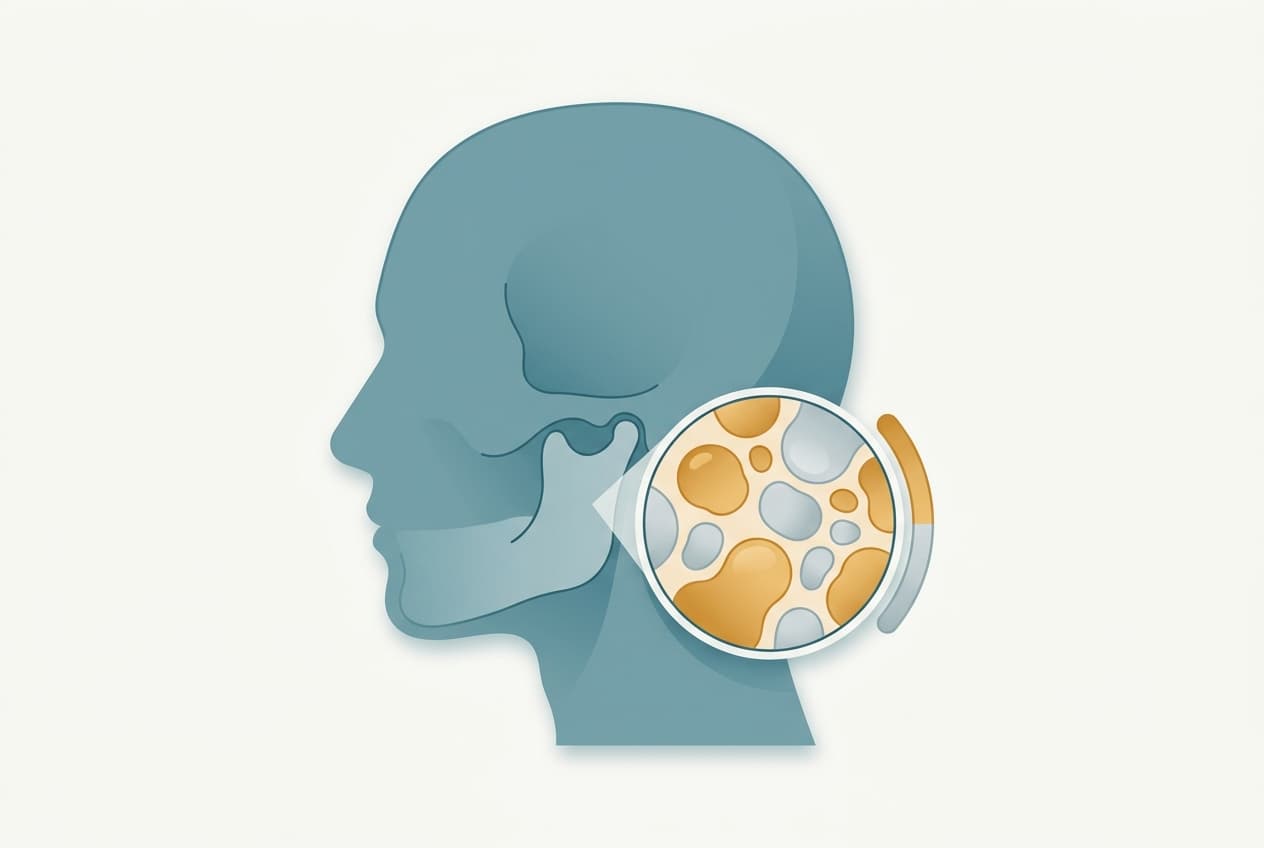
TMJ MRI Uses Marrow Fat Fraction to Distinguish Osteoarthritis Stages
A Chinese research team used an MRI technique that quantifies fat fraction inside temporomandibular joint bone to distinguish osteoarthritis from healthy joints, and even its subtypes. This article explains how it differs from conventional visual reading and how the Dixon technique separates fat from water.
3 min read
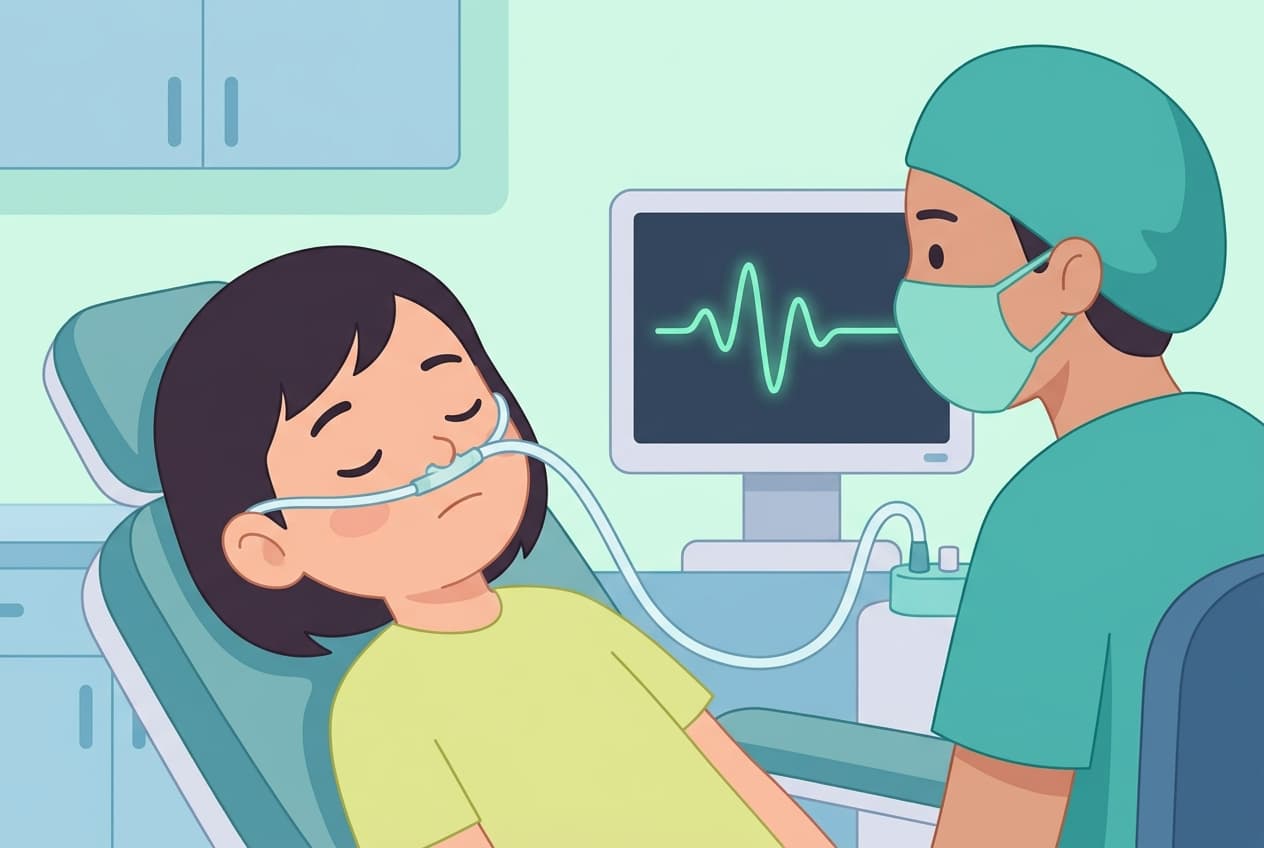
High-Flow Nasal Oxygen Kept Oxygen Saturation From Dropping During Deep Pediatric Sedation
When 20 preschool-aged children underwent complex cavity treatment lasting one to two hours under deep sedation, high-flow nasal oxygen therapy kept their oxygen saturation from ever dropping to a dangerous level throughout the procedure. It is the first evidence that a method previously confirmed only in short procedures also works for longer, more complex pediatric dental treatment.
4 min read
New in other areas
Invisalign Maker Align Faces Renewed Antitrust Suit Over Scanner Tying
- [Dental Q&A]How Do You Choose Between an Onlay and a Crown for a Broken Molar?
- [Dental Q&A]If the Resin Filling a Small Front Tooth Comes Off, Do I Need to Switch to a Laminate?
- [Dental Industry]vVardis, Which Fixes Cavities Without a Drill, Pursues a US IPO
- [Global News]Shark Teeth Crack More Easily as the Ocean Grows More Acidic
- [Dental Q&A]What Treatment Do I Need If My Gums Hurt and a Tooth Feels Loose?