Category·Articles
Dental Technology
What has actually changed in dental technology in recent years, read from the research

Biofeedback Chewing Trainers Are Pushing Out Gum-Chewing Exercises
A biofeedback device that lets older adults watch their bite force on a screen while training raised bite force and masseter muscle thickness more than gum-chewing exercises did in a clinical trial. The finding points to oral frailty care shifting from guesswork to number-based tracking.
3 min read
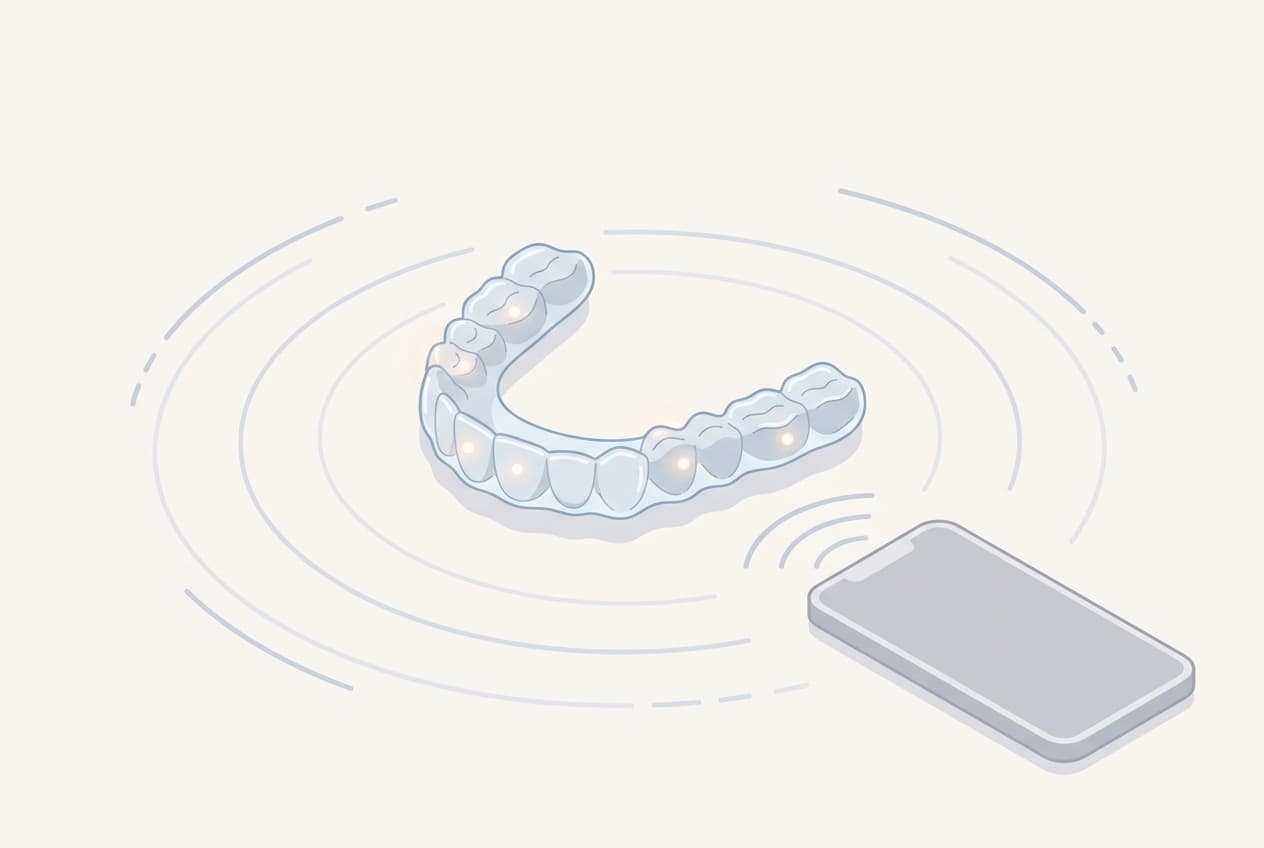
A Clear Aligner That Also Measures Bite Force
A device has been developed that embeds piezoelectric sensors into the biting surface of a clear aligner, converting bite force into electrical signals. This article explains how AI analysis of these signals can distinguish malocclusion types and habits like thumb sucking and teeth grinding.
4 min read
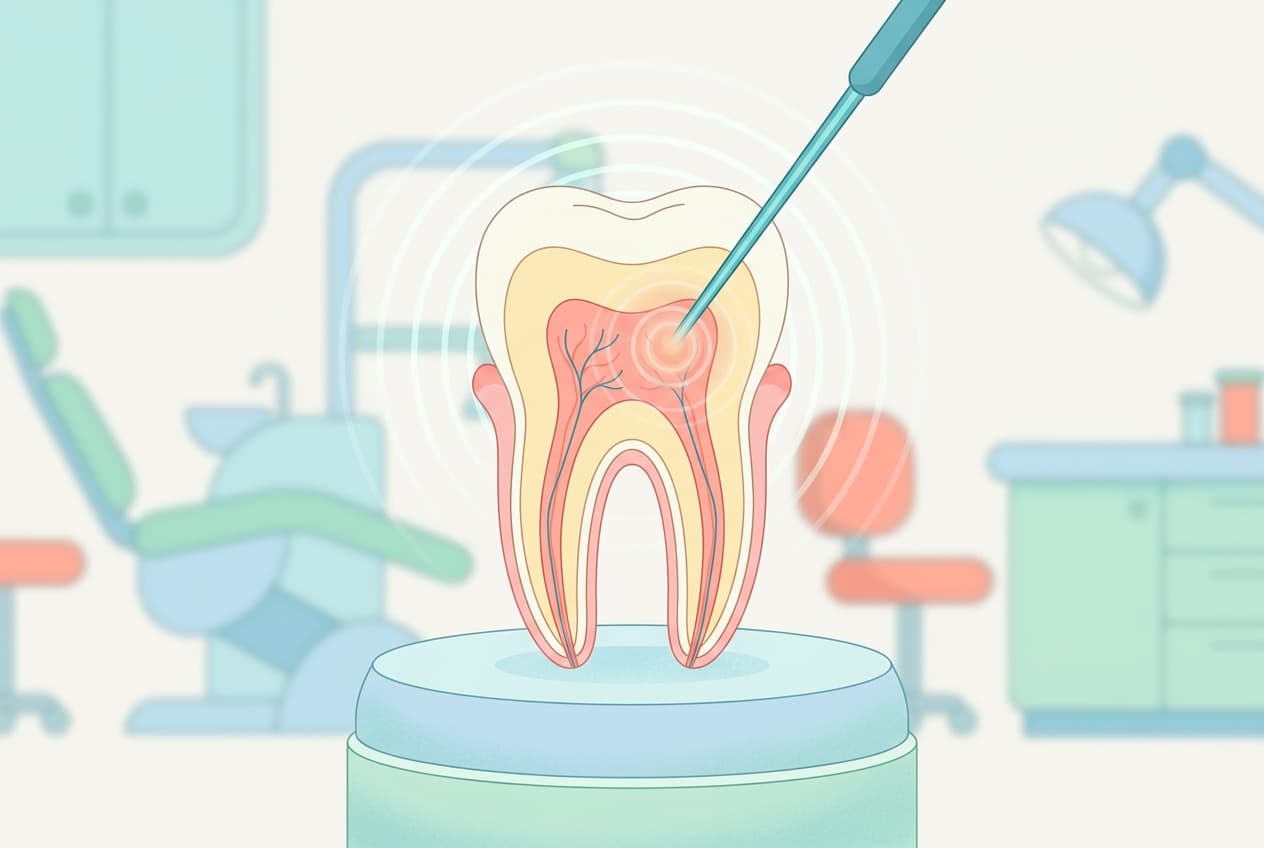
Where Laser Cavity Treatment Speed Diverged: Pulse Length
Laser cavity removal takes longer than drilling, but new research shows that adjusting the pulse length and repetition rate of the laser can speed up treatment while still protecting healthy tooth structure.
3 min read
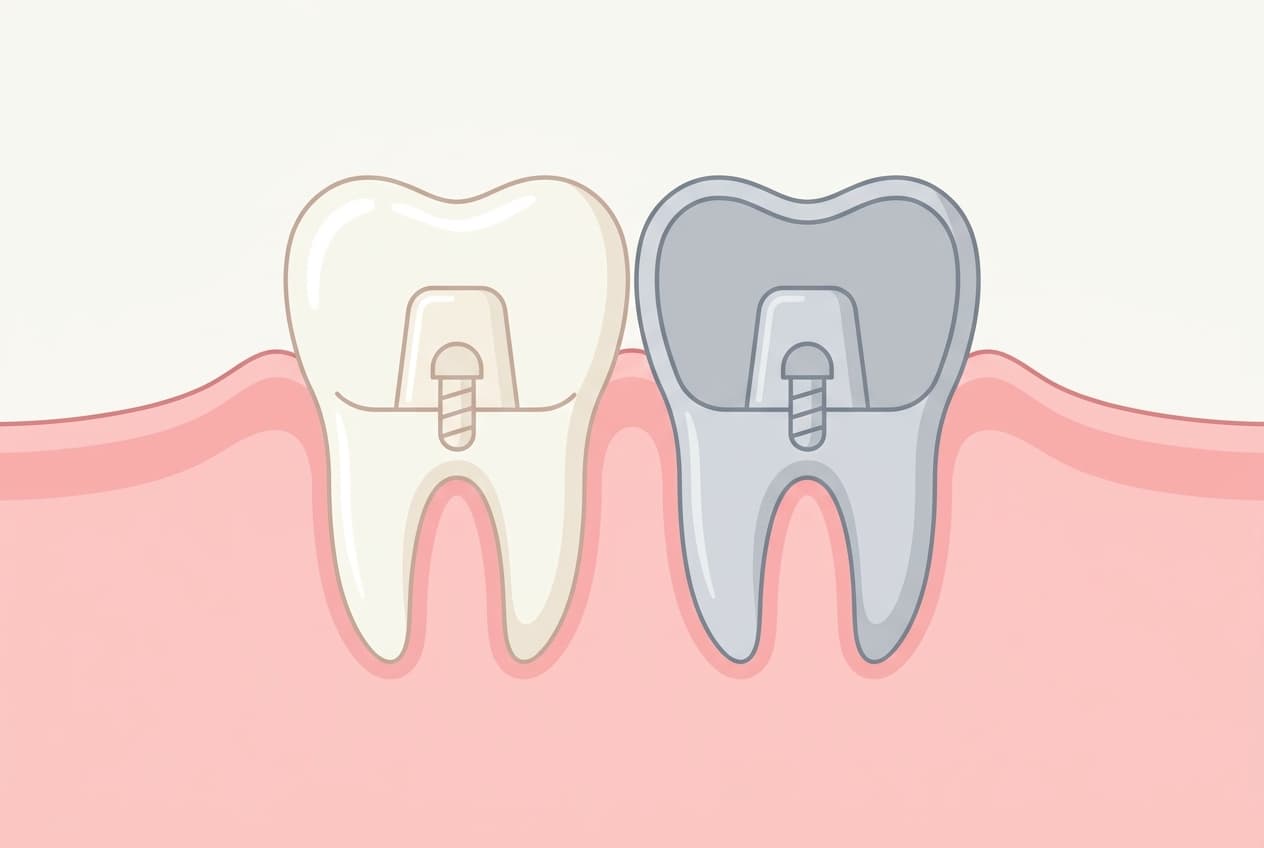
Zirconia Implants Now Come in a Screw-Retained Design
Implants have long been made only from titanium, but a screw-retained zirconia design has now emerged. In a one-year comparative trial by a Swiss-Austrian research team, bone loss and survival rates showed no difference from titanium.
3 min read
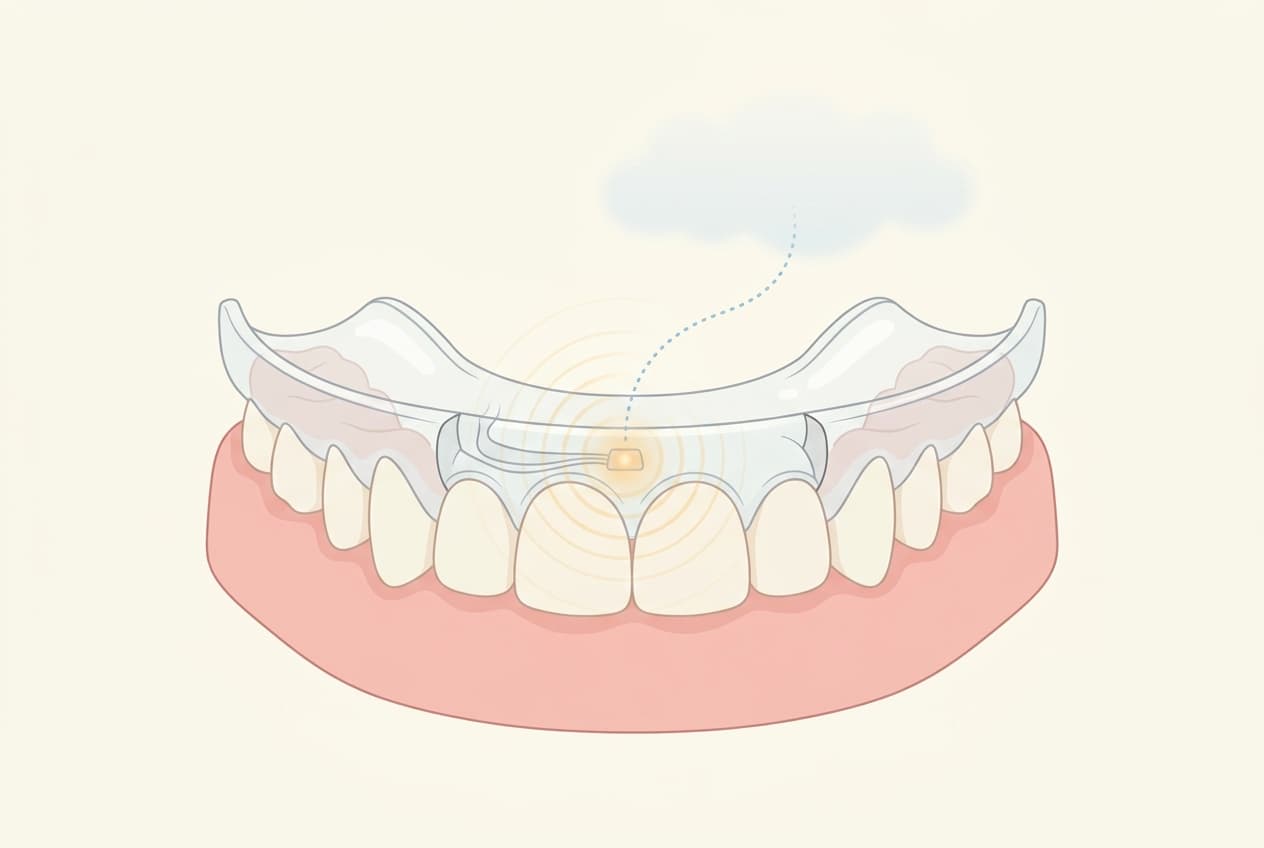
Smart Retainers Measure Wear Time Precisely, But Don't Improve Compliance
A new technology embeds a temperature sensor in the retainer worn after orthodontic treatment to track how long patients actually wear it. The sensor measures wear time accurately, but it hasn't made patients more diligent about wearing their retainers. Instead, the resulting data is now being used to identify patients at high risk of relapse.
4 min read
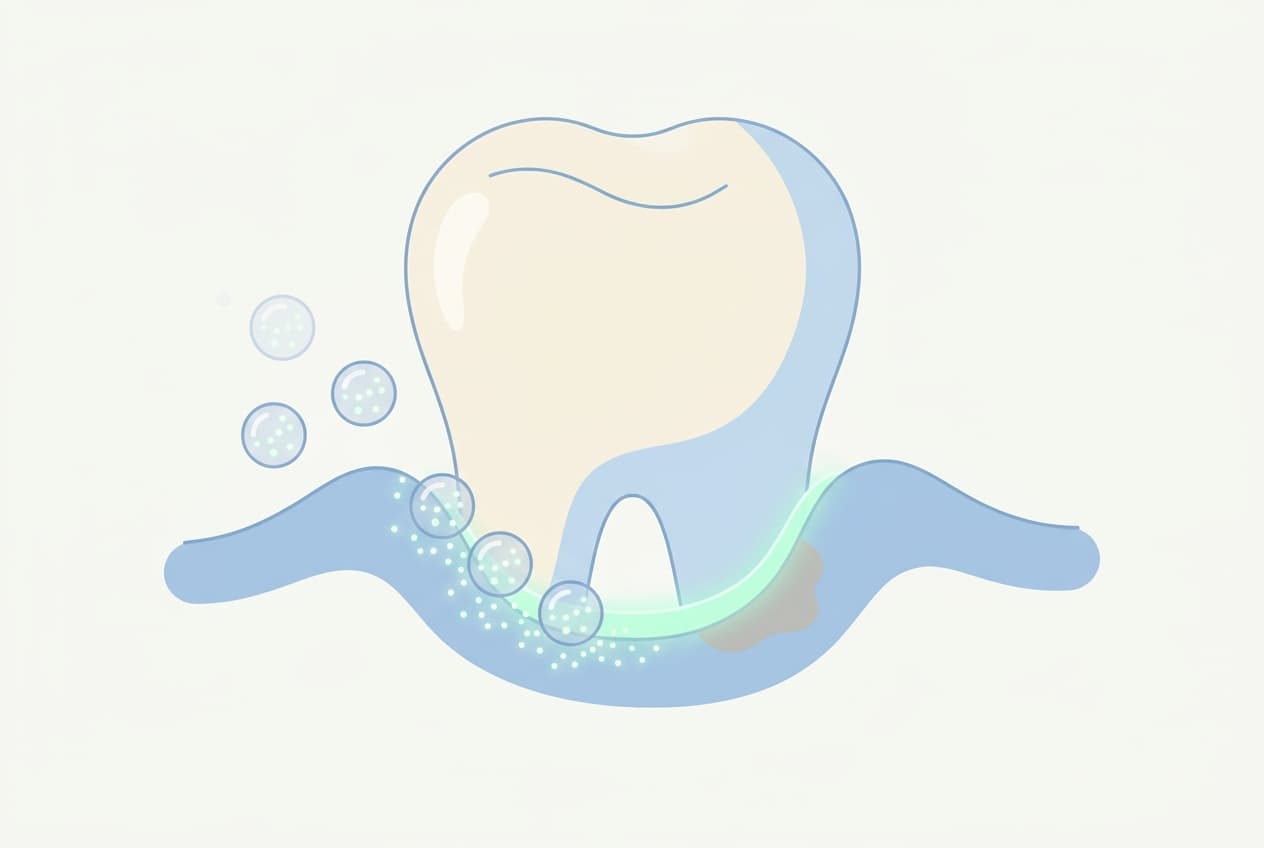
For Periodontitis, a New Capsule Treatment Plants Bacteria Instead of Killing Them
A lab study has introduced a new approach to gum disease treatment: instead of killing bacteria, it packages beneficial bacteria into capsules and plants them in the gums. Here's what's different and how far the findings actually go.
2 min read
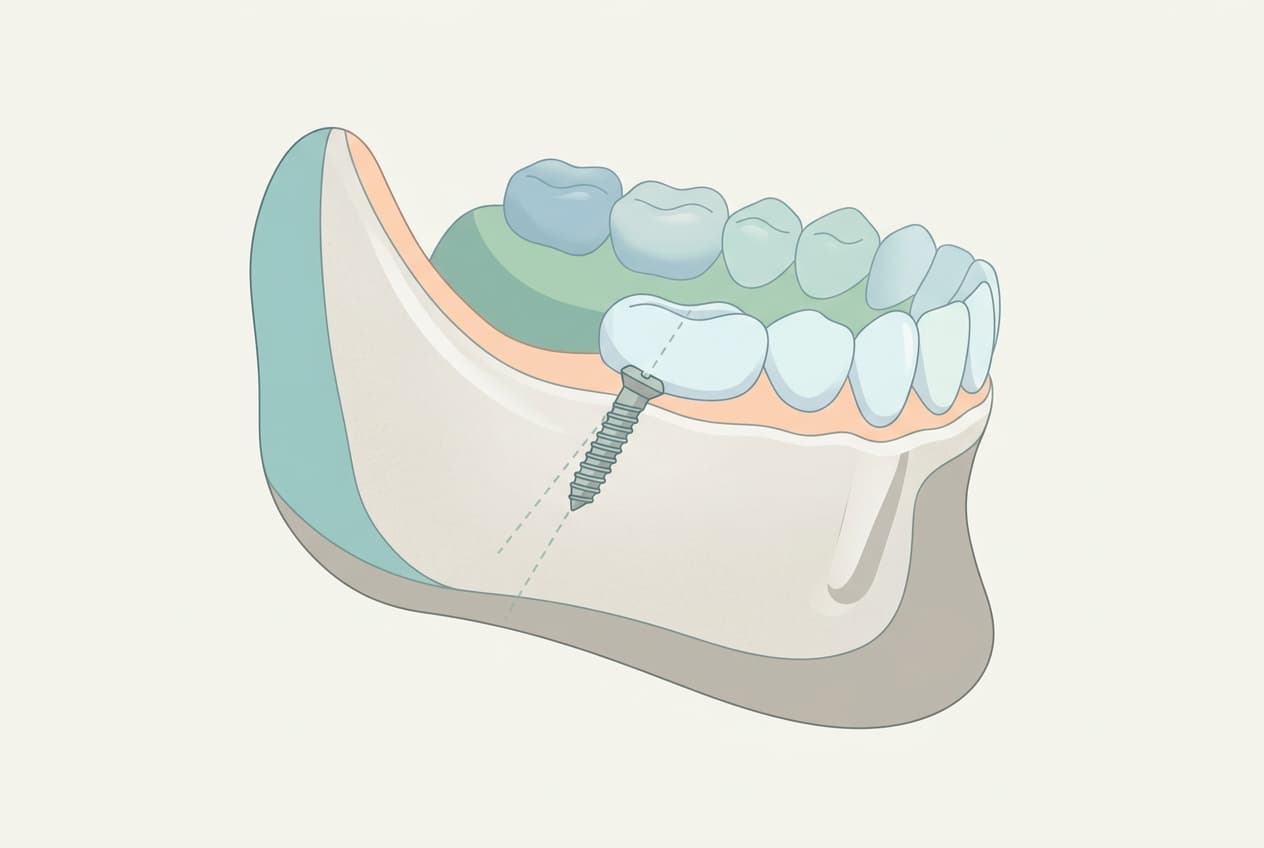
Miniscrew Insertion Angle of 45° vs. 70°: Success Rates Diverged
Miniscrews, small screws placed in the jawbone instead of teeth to serve as anchorage, are being used to push back the dental arch without extraction or headgear. New research shows that simply changing the insertion angle from 45 to 70 degrees can significantly shift the success rate.
4 min read
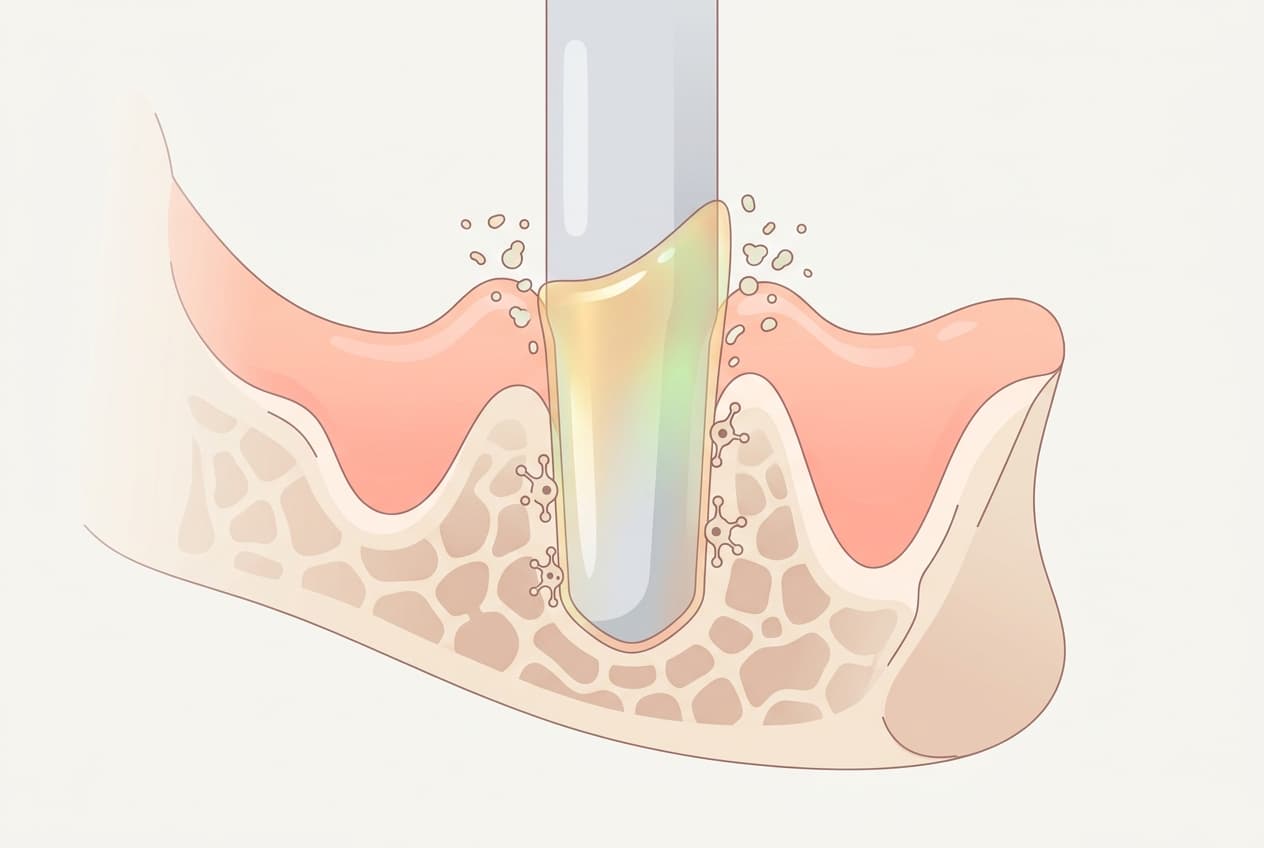
One Implant Coating Tackles Bacteria, Inflammation, and Bone Integration All at Once
One in four people with dental implants develops inflammation around the implant over time. Researchers at Sun Yat-sen University and Sichuan University confirmed in mouse experiments that a single coating combining polyphenols with an antibiotic reduces bacteria, calms the immune response, and even speeds up bone integration.
3 min read
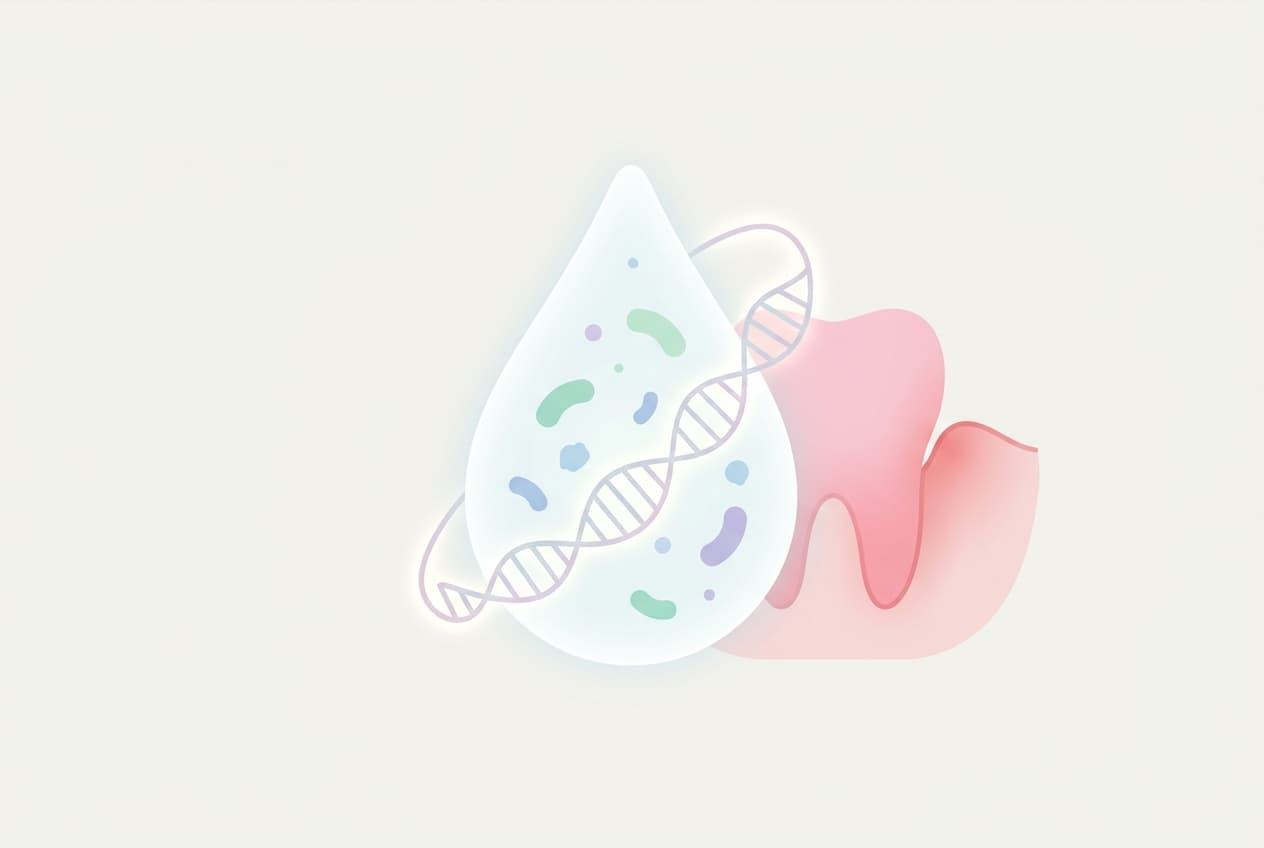
UNIST, Pusan National University Team Distinguishes Periodontitis Stages Using Salivary Bacteria
A team from UNIST and Pusan National University Dental Hospital developed a diagnostic model that reads saliva's bacterial composition to determine whether periodontitis is present and its stage (1 to 3). Analyzing saliva from 250 people, the model identified periodontitis with high accuracy, though accuracy for the earliest Stage 1 was lower. It was also validated using data from Spain and Portugal.
4 min read
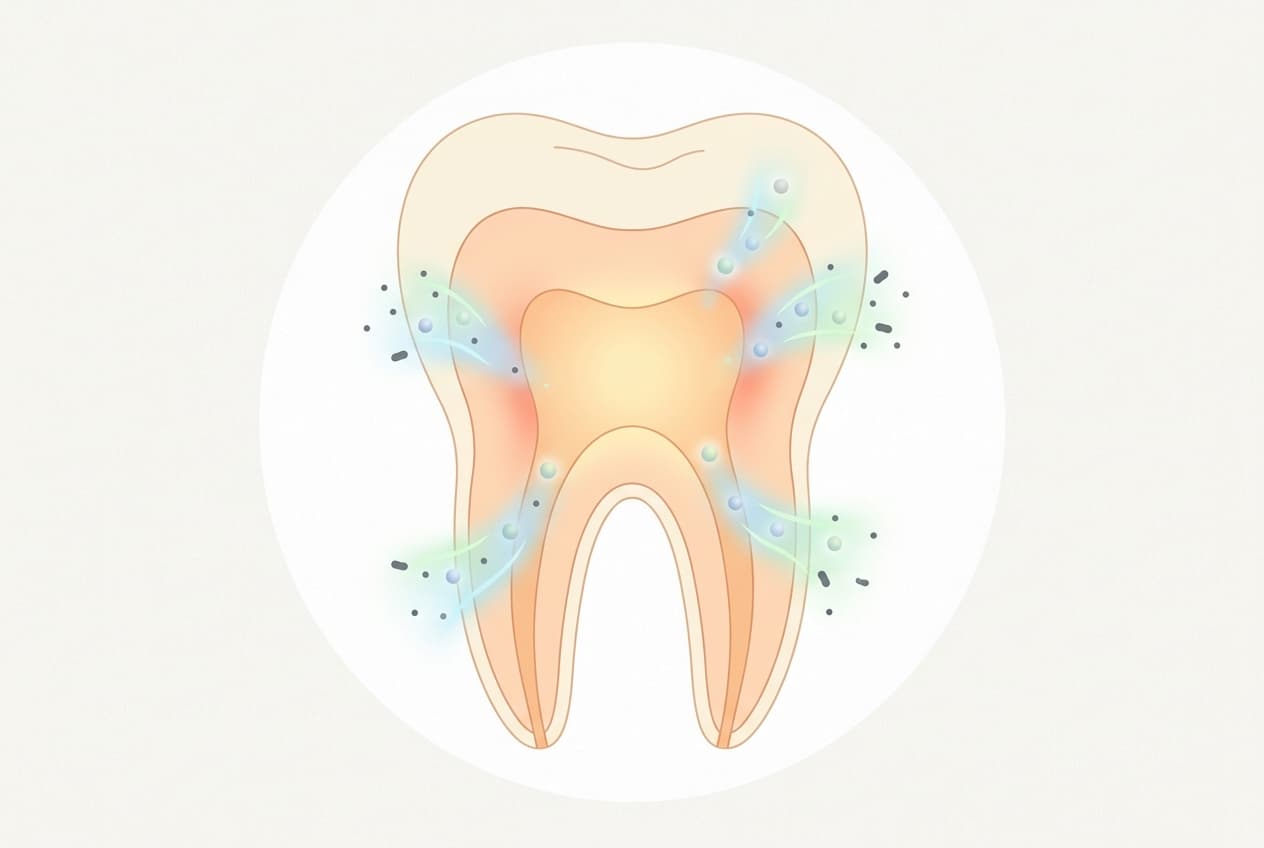
Pulp Capping Materials Are Evolving to Fight Bacteria and Inflammation, Not Just Rebuild Dentin
Materials used in vital pulp therapy are evolving beyond promoting dentin regeneration to directly targeting bacteria and inflammation. We look at what's changed through ion-releasing bioactive glass studies from research teams in China and Japan.
3 min read
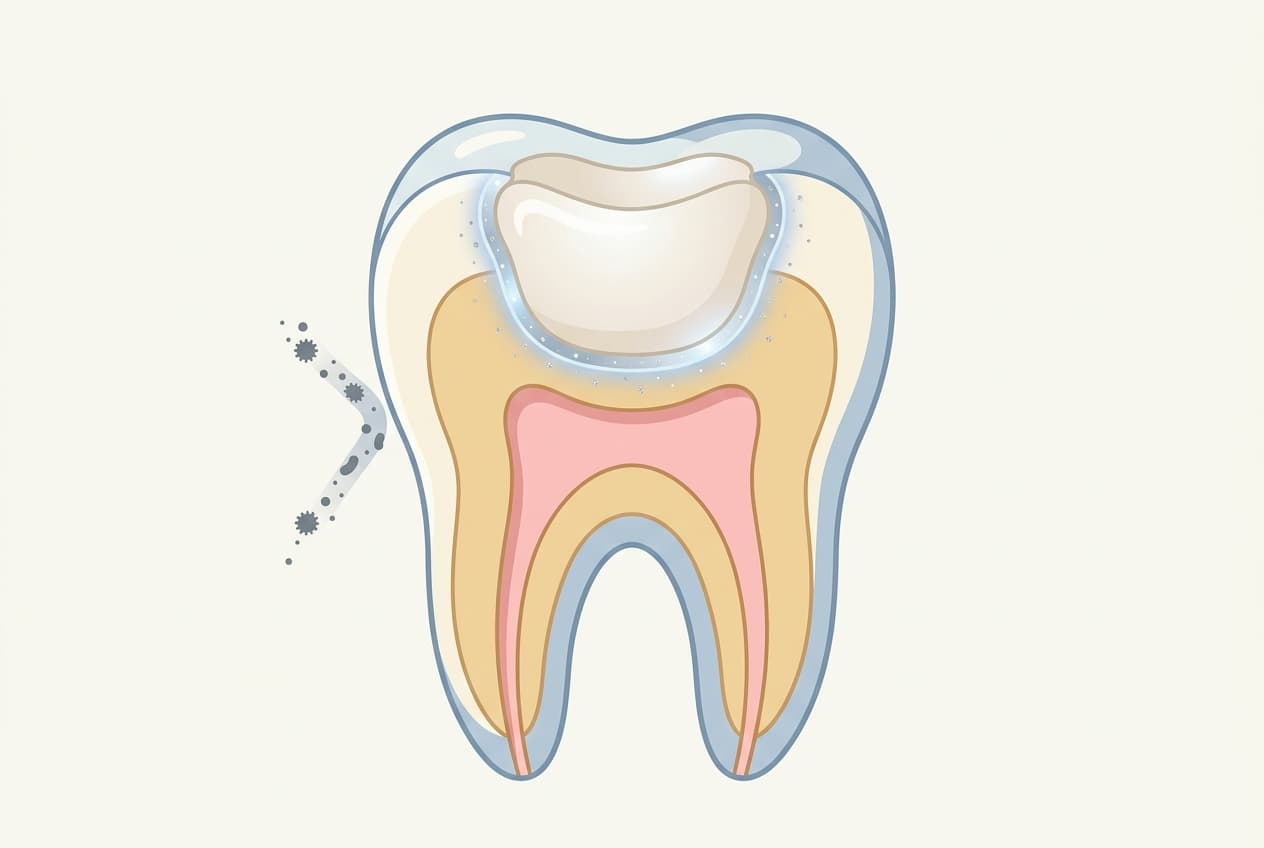
A New Multifunctional Dental Adhesive That Also Fights Bacteria
Resin fillings often decay again not because the filling itself breaks, but because the adhesive layer weakens over time and lets bacteria in. Researchers recently developed a dental adhesive that combines a component that chemically bonds with dentin collagen and silver nanoparticles, achieving both bonding strength and antibacterial activity, and confirmed its effects in the lab.
3 min read
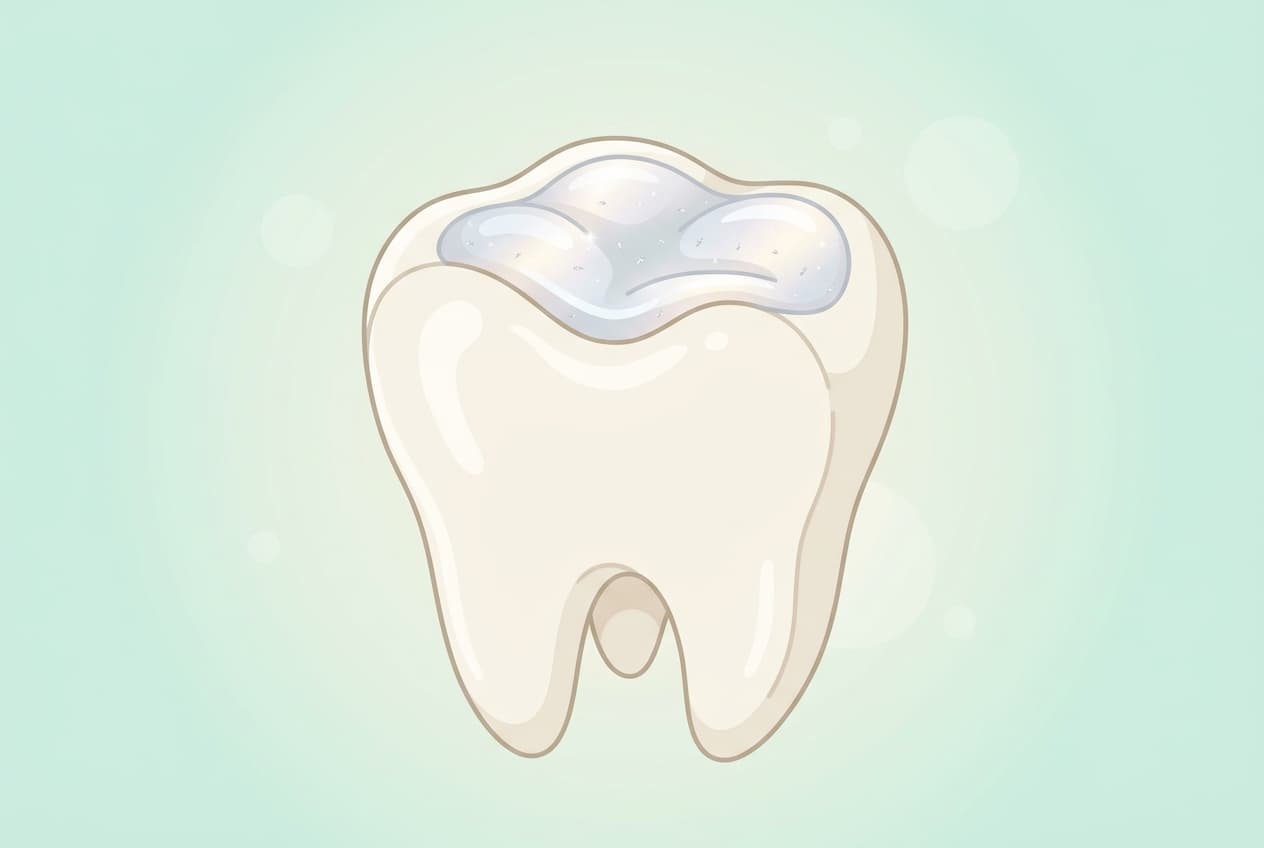
Silver Nanoparticle vs. Conventional Resin Sealants: One-Year Retention Rates Diverged
Adding silver nanoparticles to fissure sealants used on children's molars raised the one-year retention rate above that of conventional resin sealants, an Indian clinical trial found. However, the rate of new cavities forming did not differ between the two materials.
3 min read
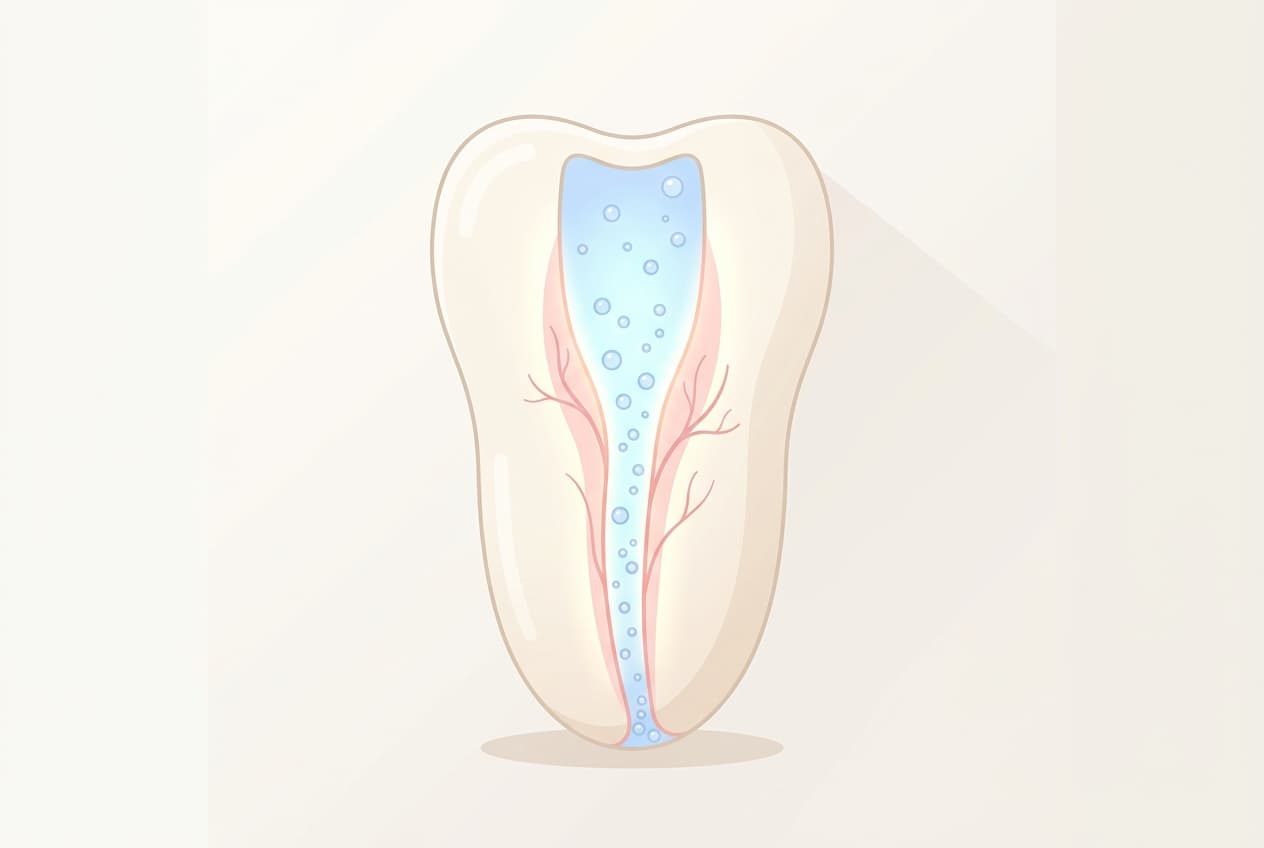
Sichuan University Team Drives Dental Pulp Regeneration With Oxygen-Glucose Releasing Material
A team at Sichuan University has developed a material that releases oxygen and glucose inside a tooth's root canal over an extended period. Animal experiments using this material showed more growth of pulp-like tissue and blood vessels than in untreated controls. The work aims to solve a long-standing problem in regenerative endodontics: implanted cells dying off inside the canal.
3 min read

A Hydrogel Inspired by Hagfish Slime Takes Aim at Root Caries
Caries that form on tooth roots have rough, always-wet surfaces that make it hard for materials to stay attached. Inspired by the slime hagfish release when threatened, researchers have developed a hydrogel that hardens into a gel on contact with water. We look at how it kills bacteria and replenishes minerals, along with the limitation that it remains a lab-stage material.
3 min read
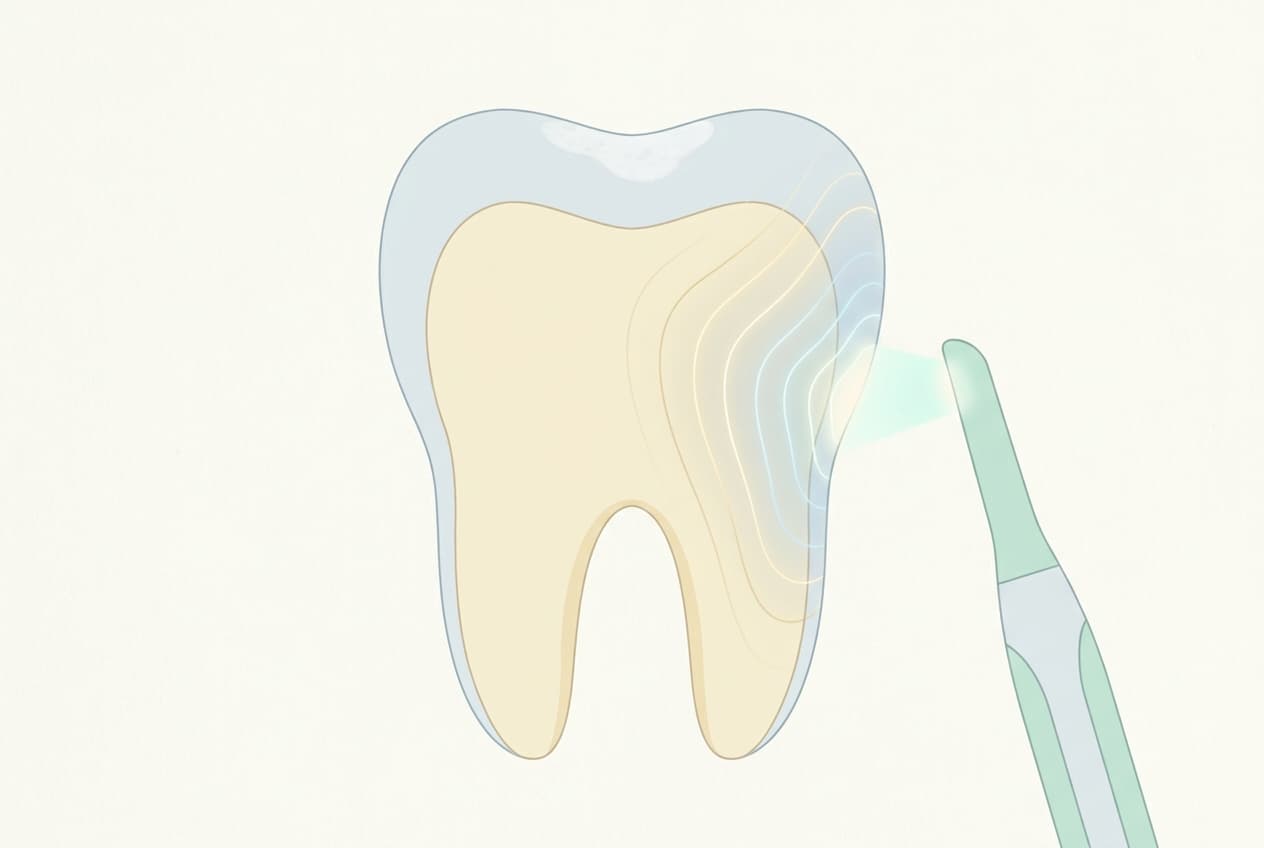
Resin Infiltration Treatment Gets a New Way to Time Itself: Watching Inside the Cavity with OCT
Resin infiltration treats early enamel caries before a cavity forms, filling the microscopic voids inside enamel with resin. A new technique uses optical coherence tomography (OCT) to measure etching and infiltration depth in real time, tailoring treatment duration to each lesion instead of using one fixed protocol. In shallow lesions this cut secondary caries further; in deep lesions results matched the conventional method.
3 min read
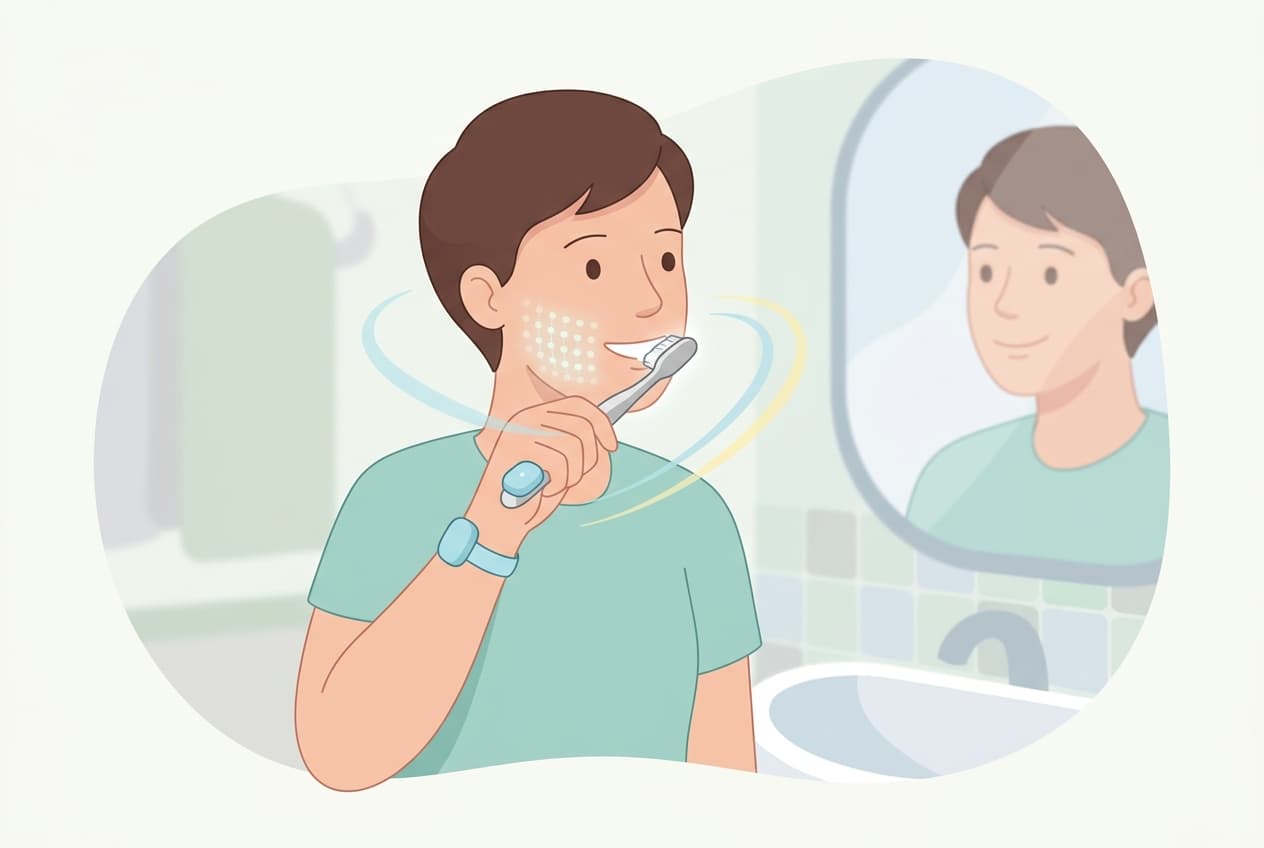
New Smart Toothbrush Sensor Identifies Up to 18 Brushing Regions
A new technology uses two inertial sensors, one on the wrist and one on the toothbrush handle, to distinguish up to 18 brushing regions in the mouth with 96% accuracy. Here is how it addresses the limits of existing smart toothbrushes, and the gap revealed in real-world use.
3 min read
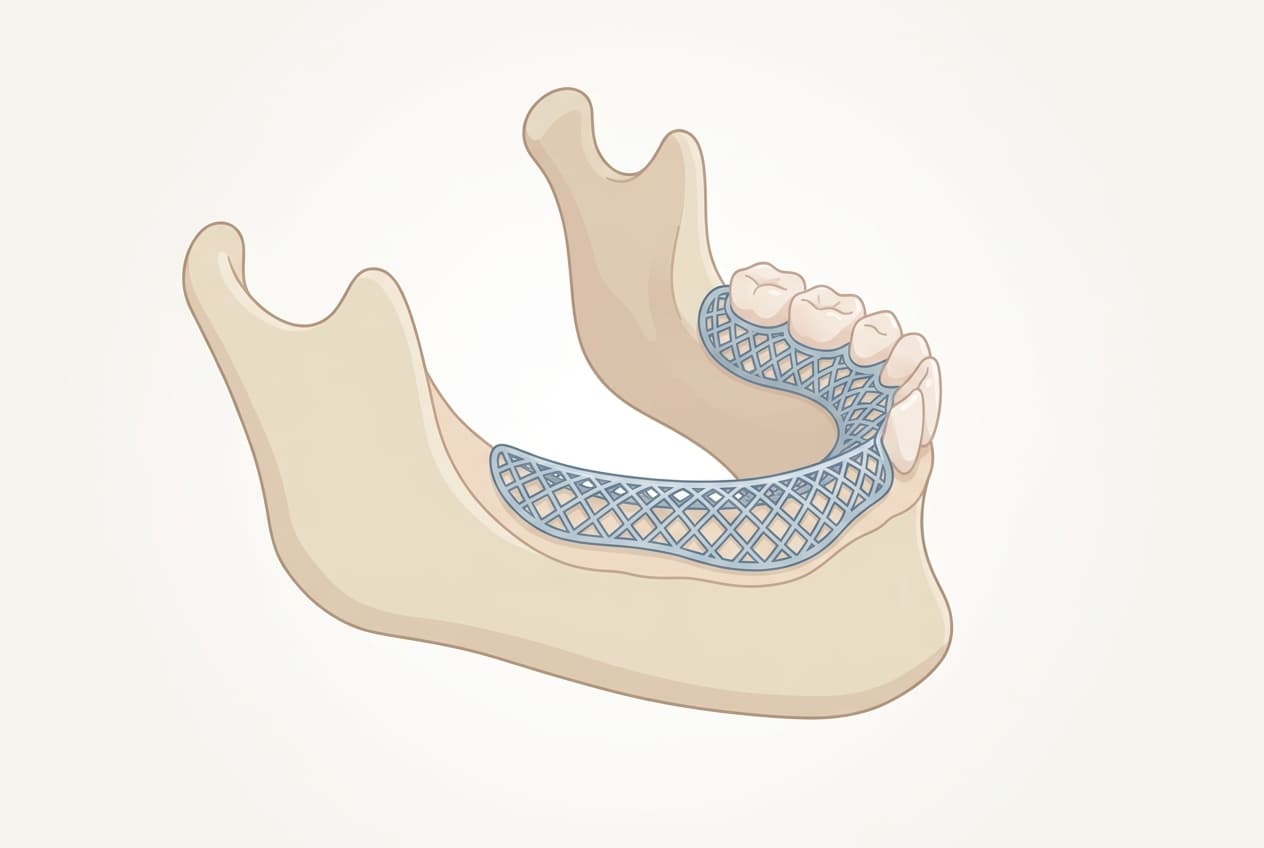
3D-Printed Subperiosteal Implants Now Reach Jaws With Almost No Bone Left
For jaws where alveolar bone has shrunk too much for standard implants, subperiosteal implants are now used: a titanium frame 3D-printed to match the exact bone shape captured on CT is placed on the bone surface. Short-term outcomes are good, but long-term survival drops noticeably in the upper jaw.
4 min read
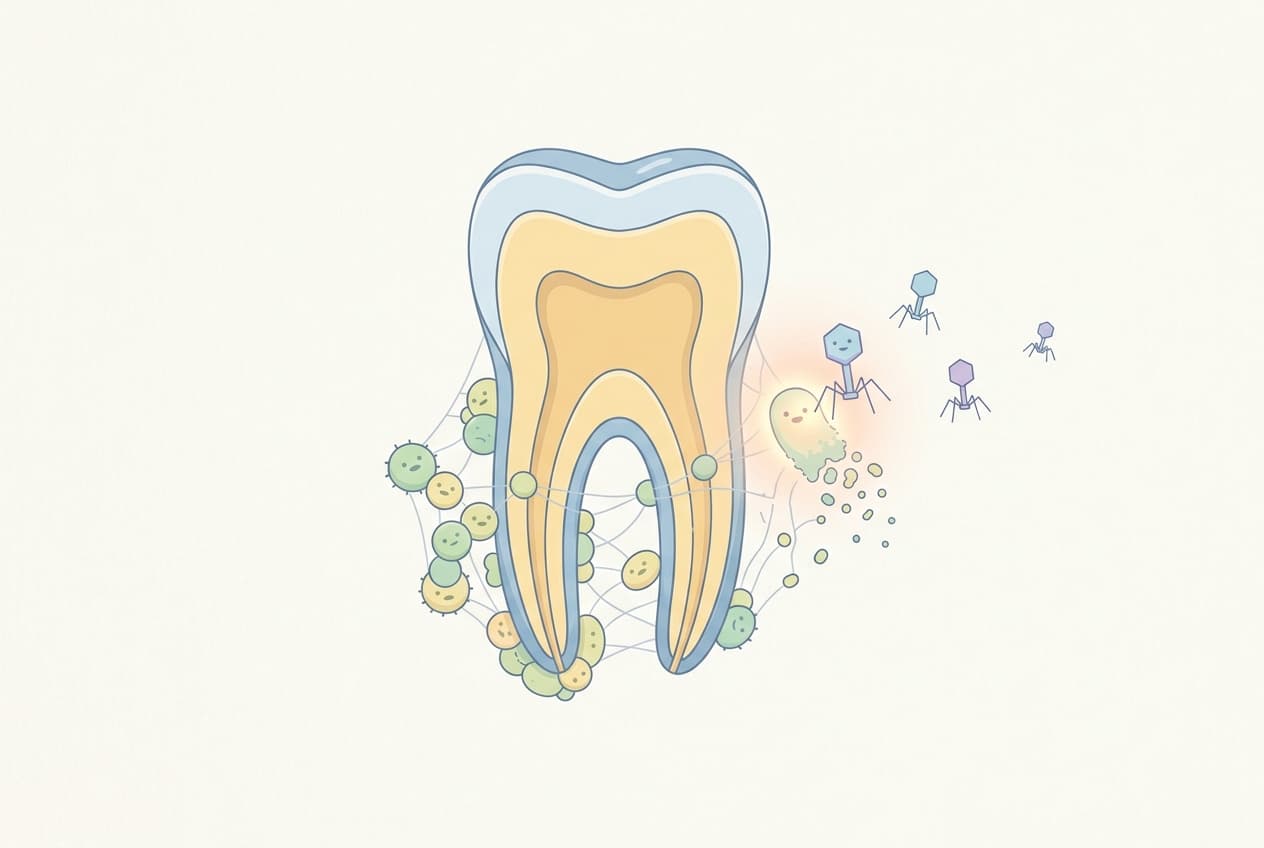
Bacteriophage Therapy Emerges to Selectively Kill Periodontitis Bacteria
Research is underway to target periodontitis and apical periodontitis bacteria that resist antibiotics using bacteriophages that kill only specific bacteria. This article covers two approaches: collapsing an entire biofilm by removing just one keystone species, and packaging phage enzymes in nanomaterials to also promote bone regeneration.
4 min read
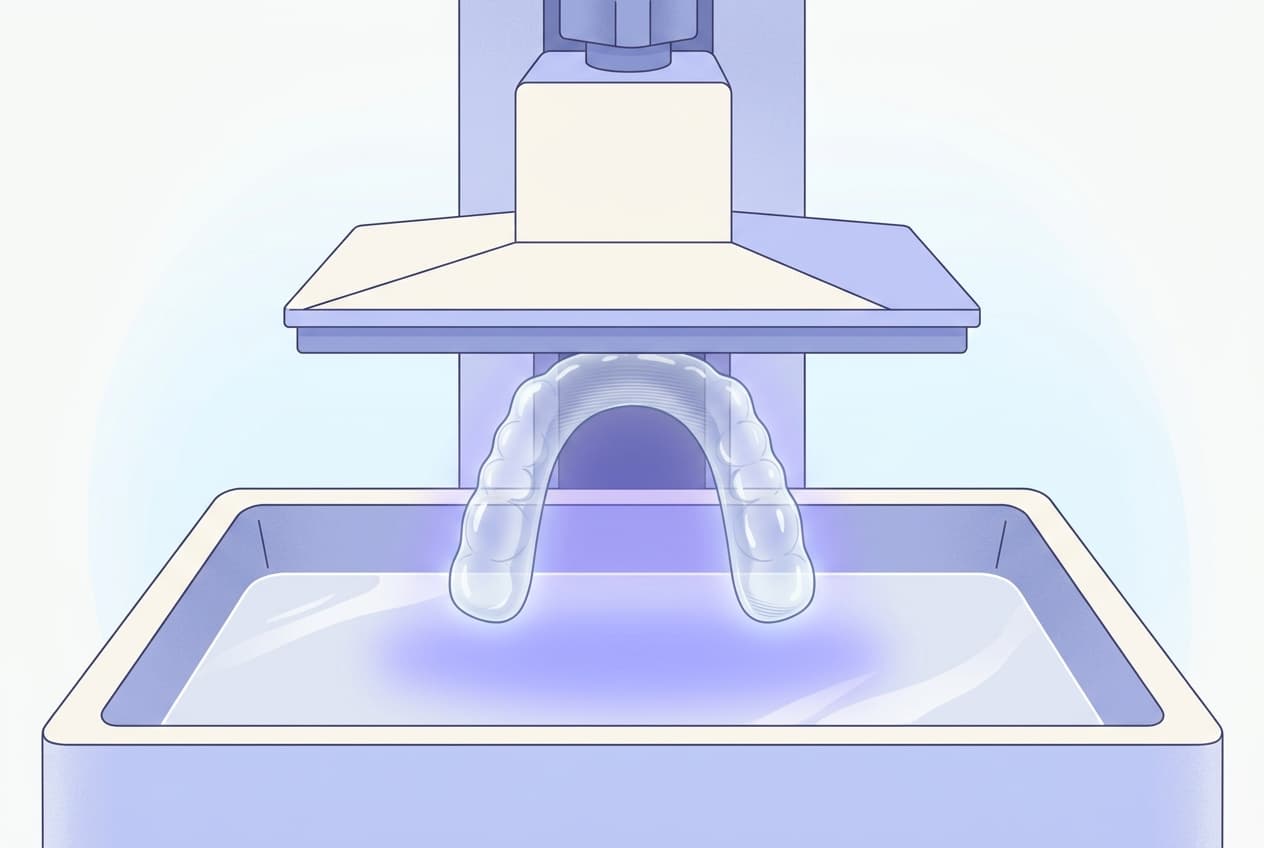
3D-Printed Aligners Are Displacing Thermoforming
Instead of thermoforming, which presses aligners onto a 3D-printed tooth model, more clinics are turning to a method that 3D-prints the aligner shape itself directly in resin. Starting with a resin developed by a Korean company, this piece explains how the technology works and what safety questions remain unresolved.
4 min read

Intranasal Sedation Is Pushing Out Oral Sedatives in Pediatric Dentistry
A sedative sprayed into the nose is establishing itself in pediatric dentistry as a substitute for oral sedatives and intravenous sedation. A recent pooled analysis found no clear difference in treatment success between dexmedetomidine and midazolam, but the two diverged in onset time and duration. In a Korean clinical trial, the intranasal approach sharply reduced side effects compared with conventional oral sedation.
4 min read