
Orthodontic treatment takes nearly 20 months on average, and the longer it lasts, the greater the risk of side effects such as root resorption or white spot lesions on the tooth surface. This has led to the development of several adjunctive devices claiming to accelerate tooth movement. A recent analysis that pooled and recalculated data from these devices found results that varied sharply by method. The heavily advertised vibration devices showed no clear effect, while a method that makes tiny perforations in the jawbone produced stronger evidence.
How Bone Responds to the Force That Moves Teeth
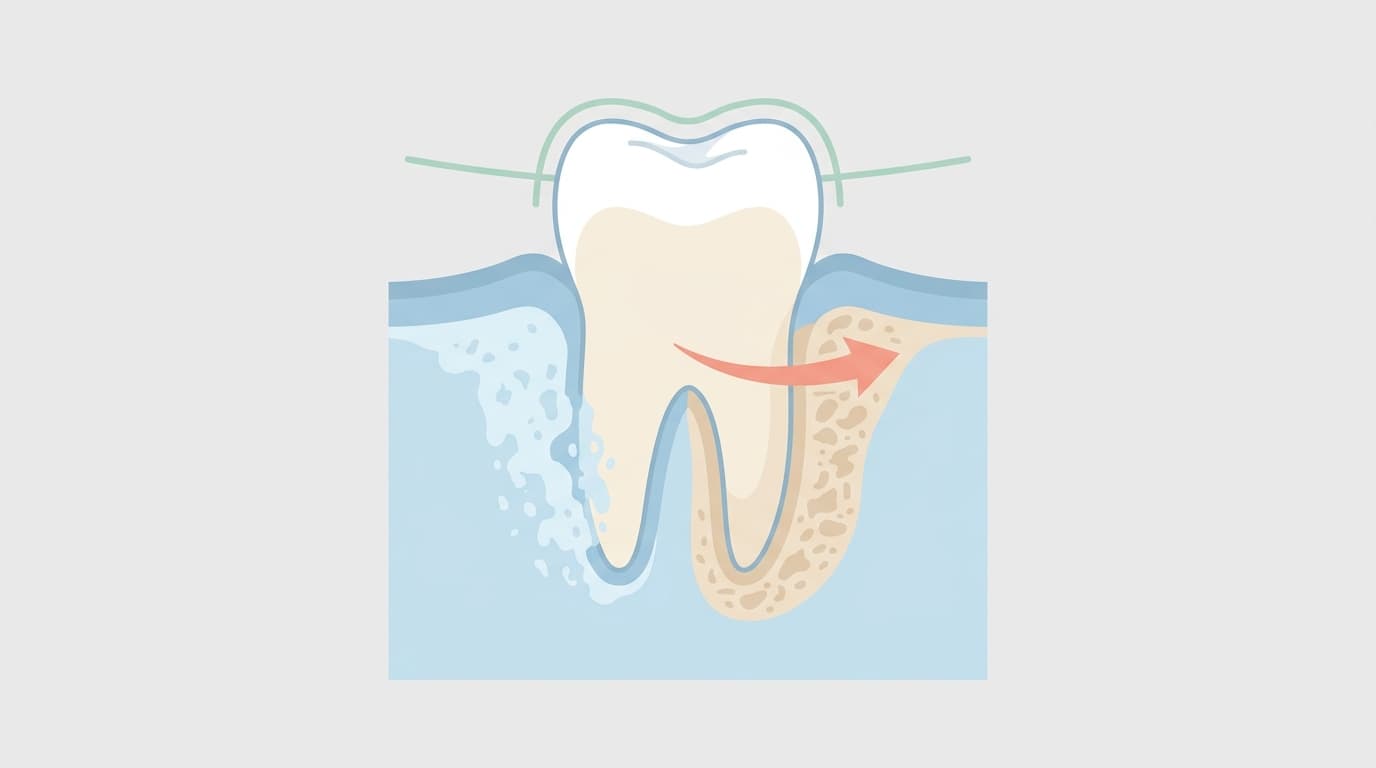
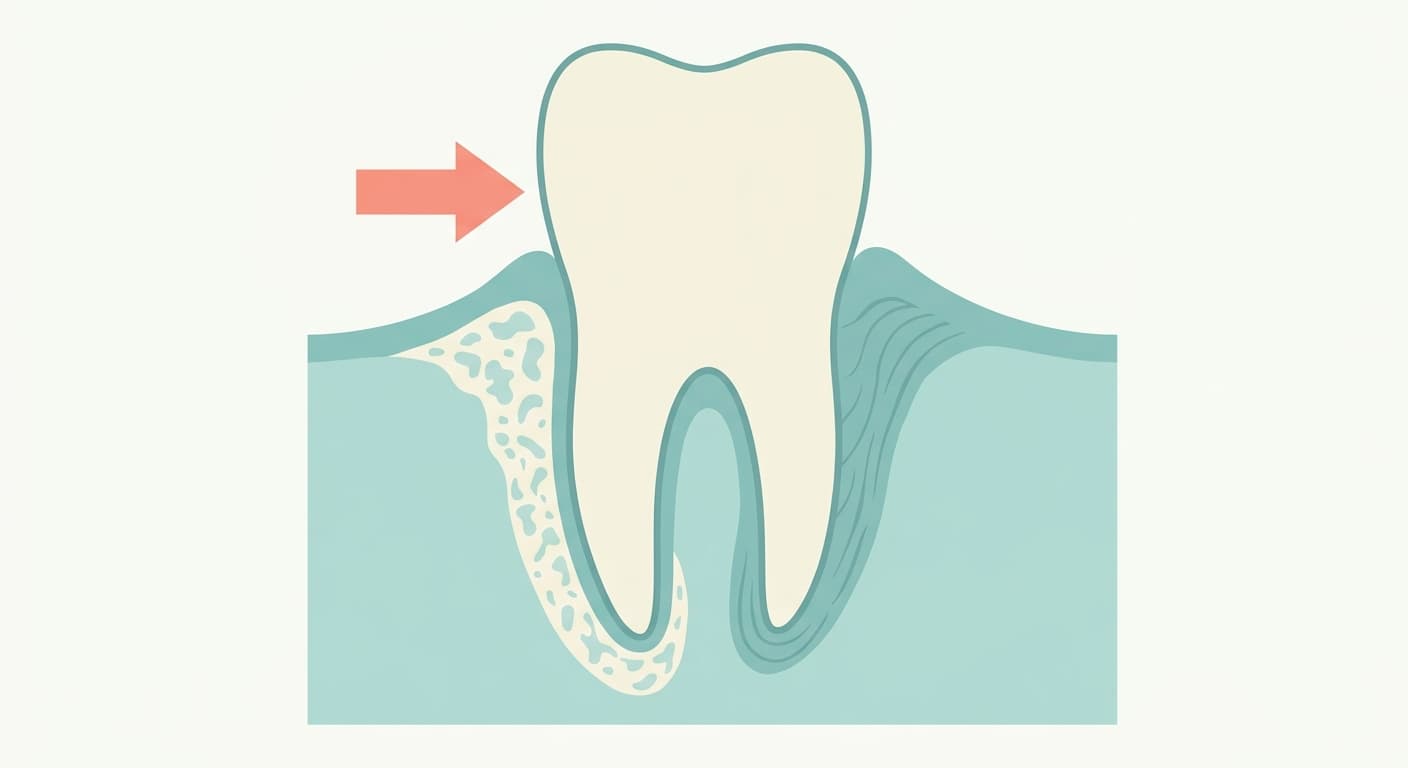
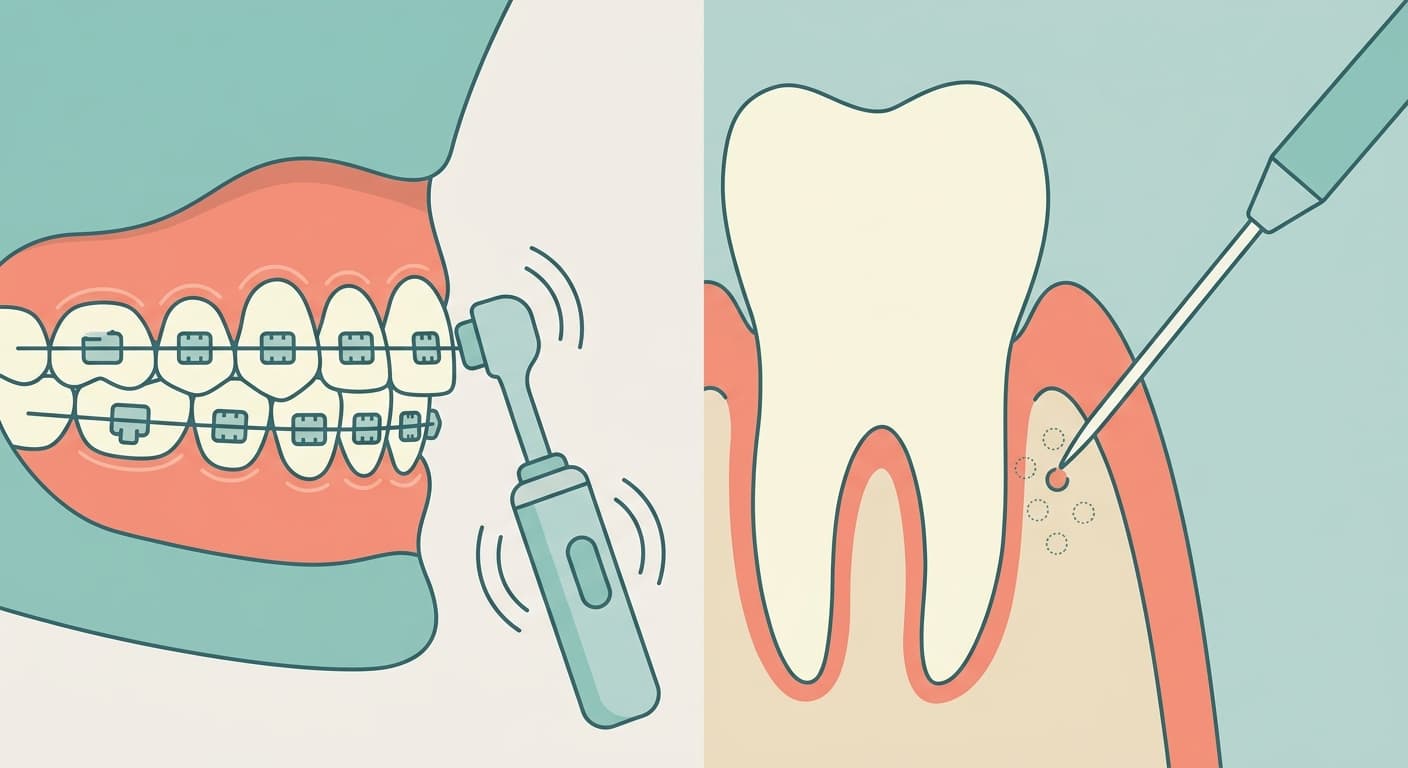
When an orthodontic appliance applies force to a tooth, the bone on the side being pushed against resorbs on its own, while new bone builds up on the opposite side. The speed at which this bone remodels determines how fast the tooth moves. That's why adjunctive devices each try to stimulate this process in different ways: some deliberately create small injuries in the jawbone to trigger an inflammatory response, while others shake the bone cells with vibration or a weak electric current. In the past, there was no clear way to speed up tooth movement, so patients simply had to endure the full treatment period.
The Widely Advertised Vibration Devices Had the Weakest Effect
An analysis published in early 2026 pooled and recalculated data from related studies conducted across multiple countries. During the initial leveling and alignment stage after brackets were placed, the difference between the vibration and non-vibration groups was just 0.05mm per month, effectively negligible. During canine retraction, the vibration group moved 0.27mm per month faster, but by the final stage of en-masse retraction involving the molars, this difference was hard to call statistically meaningful. Contrary to the belief that vibration reduces pain, studies comparing pain outcomes were also mixed: roughly equal numbers of studies found more inflammatory markers in the vibration group versus no difference at all. Vibration did not, however, cause additional root damage.
Individual studies did report different results, however. A 2026 clinical trial conducted in India found that a group using a vibration device oscillating at 120 Hz for five minutes a day moved teeth 1.22mm more in the upper jaw and 1.12mm more in the lower jaw over four months compared to a group using a placebo device. Even so, the researchers themselves noted that a difference of this size was not large enough to noticeably shorten the overall treatment period.
Perforating the Bone Worked Better
Micro-osteoperforation, which makes several shallow perforations in the jawbone, increased total tooth movement by 0.67mm and monthly speed by 0.2mm in another analysis published around the same time. The effect was larger when perforations were made in multiple sessions rather than just once, and it was most pronounced in studies using a device called "Propel." There was no clear increase in side effects such as root resorption or loosening of the mini-screws used as anchorage during tooth movement. Pain on the day of the procedure was greater, but it subsided within a few days.
Electrical Stimulation Showed Big Numbers but Thin Evidence
Electrical stimulation, which passes a weak current through the gums, moved teeth an additional 1.78mm over three months. That is a larger figure than the other methods, but because so few studies support it, the weight of the evidence is the lightest of all. Low-level laser therapy (photobiomodulation) was the one method among these that fairly consistently showed a pain-reducing effect, as covered in an earlier article, which found its effect on accelerating tooth movement was not yet substantial.
This analysis concluded that the heavily advertised vibration devices had the weakest evidence for effectiveness, while micro-osteoperforation showed a comparatively clearer difference. Still, since most of the underlying individual studies were rated as methodologically low in reliability, no method can yet be said to definitively shorten orthodontic treatment time.