Author

Noh Ha-jin
Reporter
Covers the things you weigh before a treatment. Whether it really has to be now, whether there is another way. Wants to answer the questions that are still there once the consultation ends.
Articles written 40
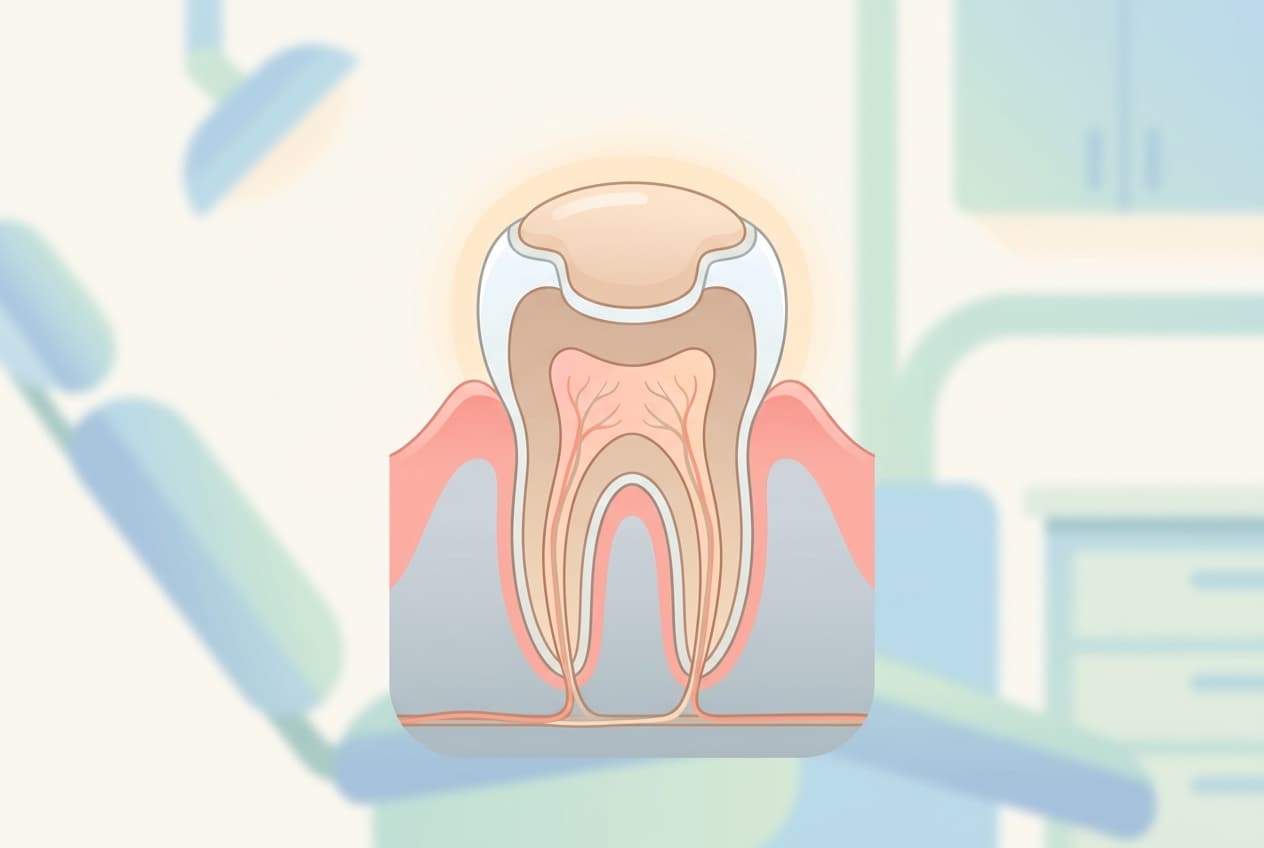
Why Do You Need a Temporary Filling While Waiting for an Inlay or Crown?
Explains why the temporary restoration placed during the lab fabrication period for an inlay or crown protects the prepared tooth's dentin and nerve and holds its position, and why a poor seal or a dislodged temporary should be checked again.
4 min read
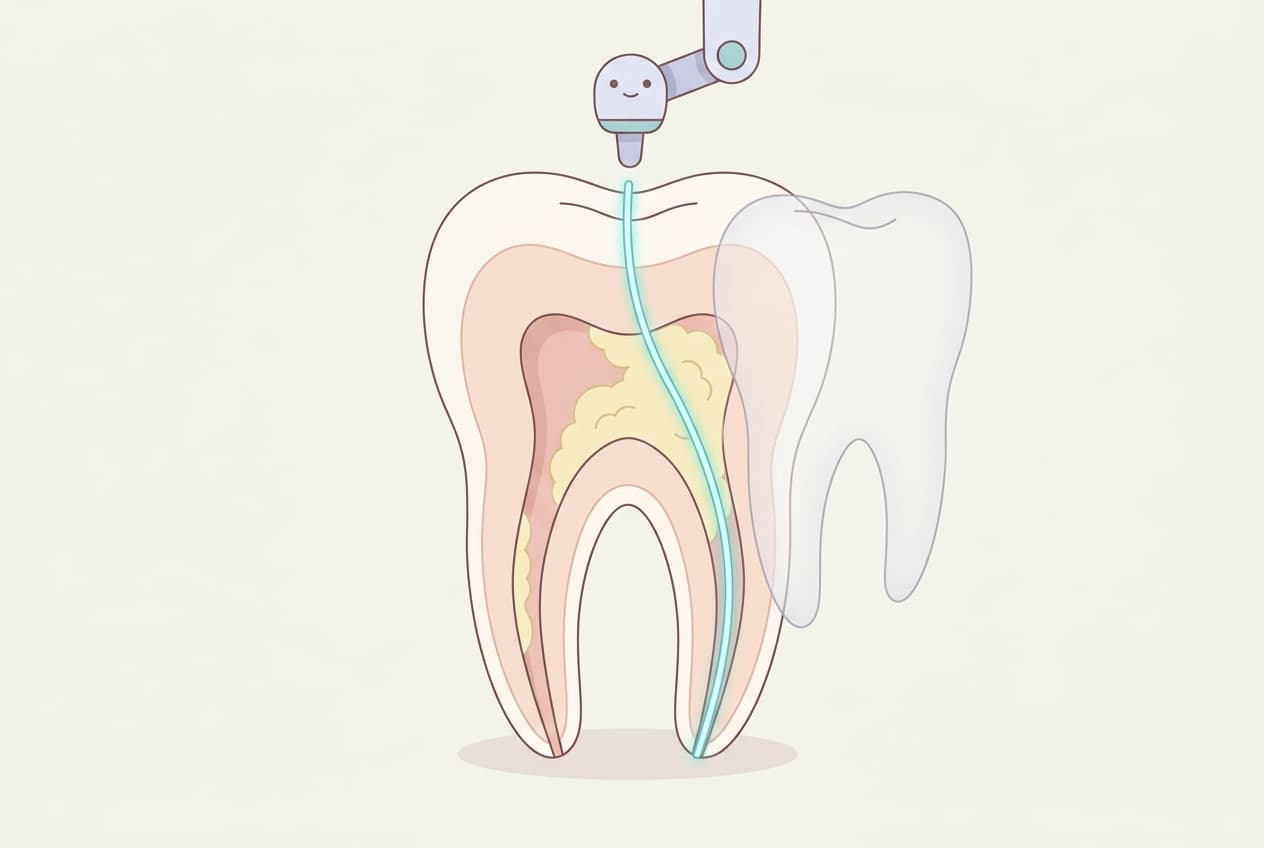
Elusive Root Canals: How Guides, Navigation, and Robots Find Them
A look at the principles, reported success rates, and remaining limitations of 3D-printed guides, dynamic navigation systems, and robot-assisted surgery, all developed to locate root canals narrowed or blocked by calcification.
4 min read

Biofeedback Chewing Trainers Are Pushing Out Gum-Chewing Exercises
A biofeedback device that lets older adults watch their bite force on a screen while training raised bite force and masseter muscle thickness more than gum-chewing exercises did in a clinical trial. The finding points to oral frailty care shifting from guesswork to number-based tracking.
3 min read
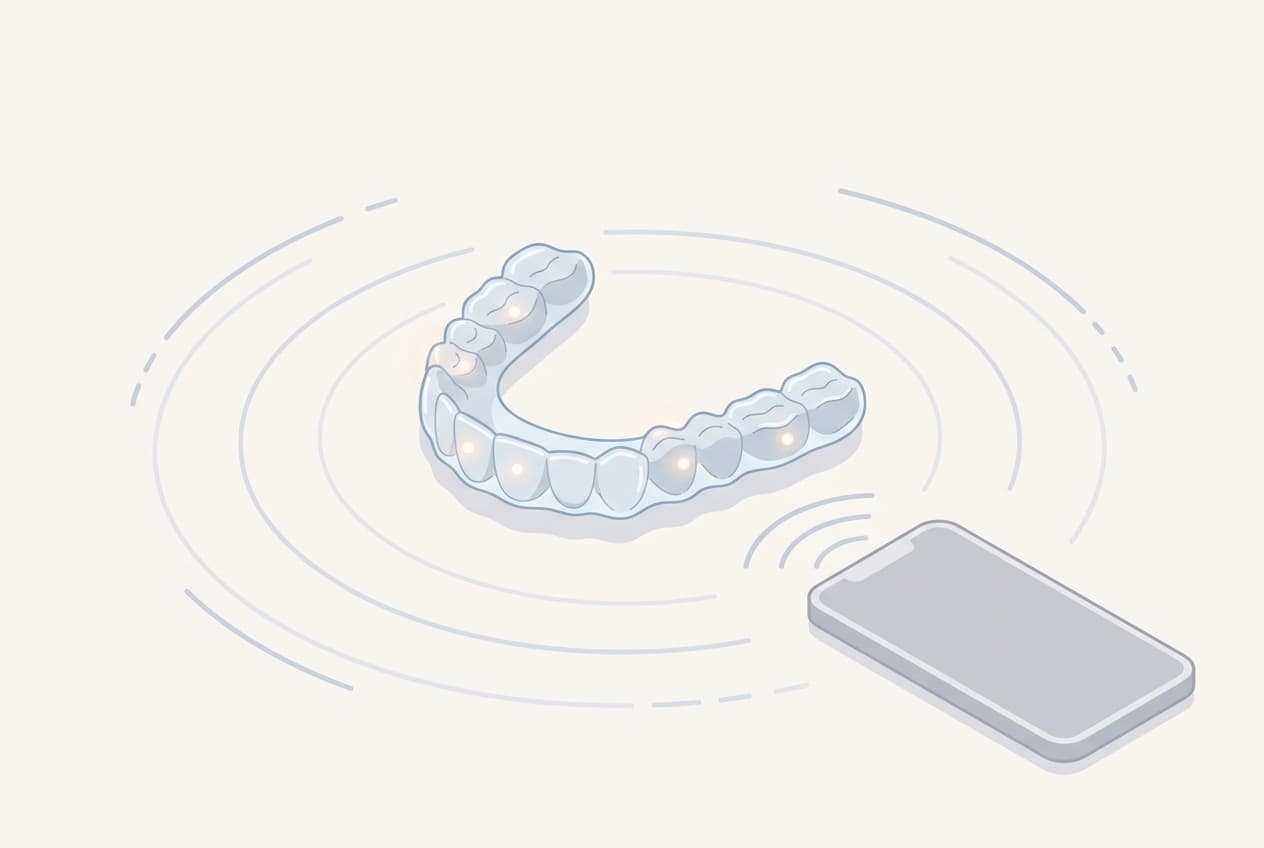
A Clear Aligner That Also Measures Bite Force
A device has been developed that embeds piezoelectric sensors into the biting surface of a clear aligner, converting bite force into electrical signals. This article explains how AI analysis of these signals can distinguish malocclusion types and habits like thumb sucking and teeth grinding.
4 min read
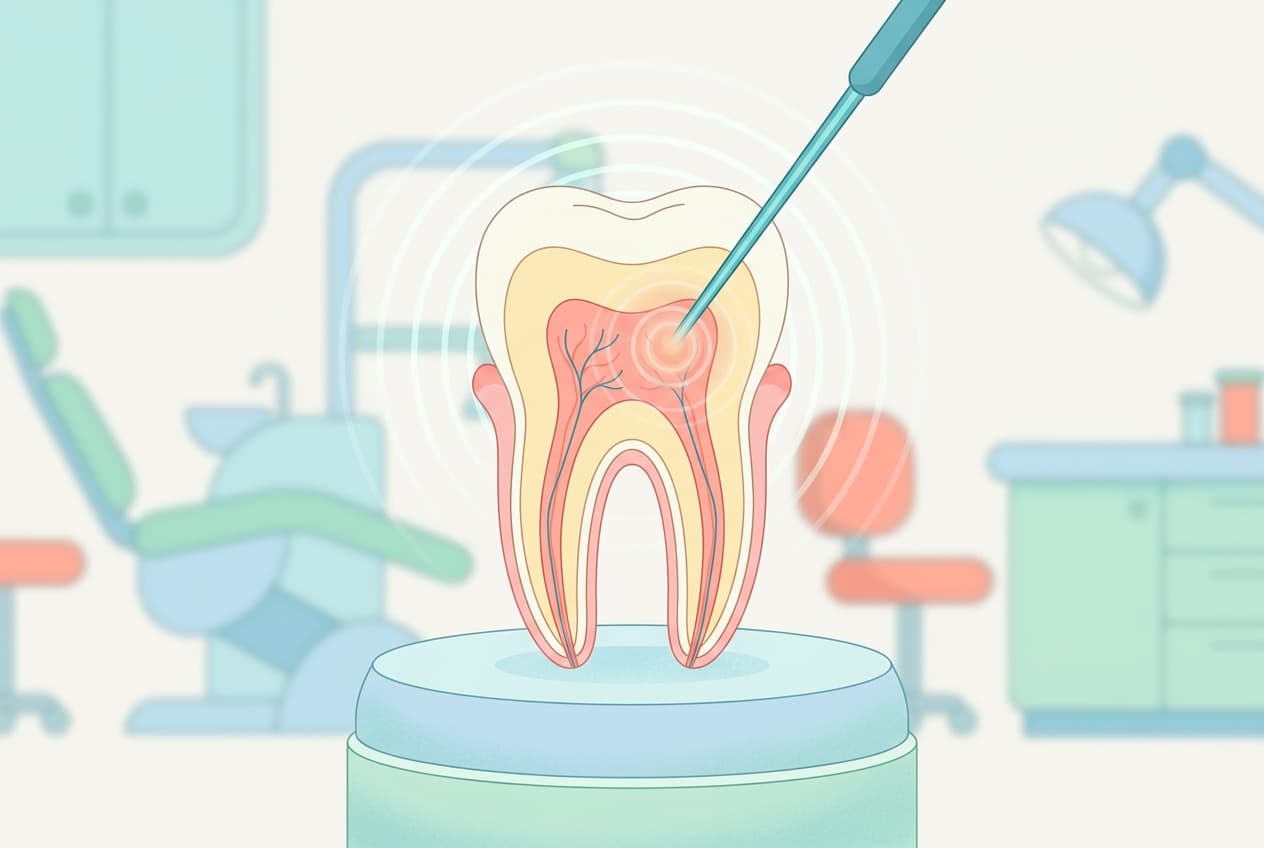
Where Laser Cavity Treatment Speed Diverged: Pulse Length
Laser cavity removal takes longer than drilling, but new research shows that adjusting the pulse length and repetition rate of the laser can speed up treatment while still protecting healthy tooth structure.
3 min read
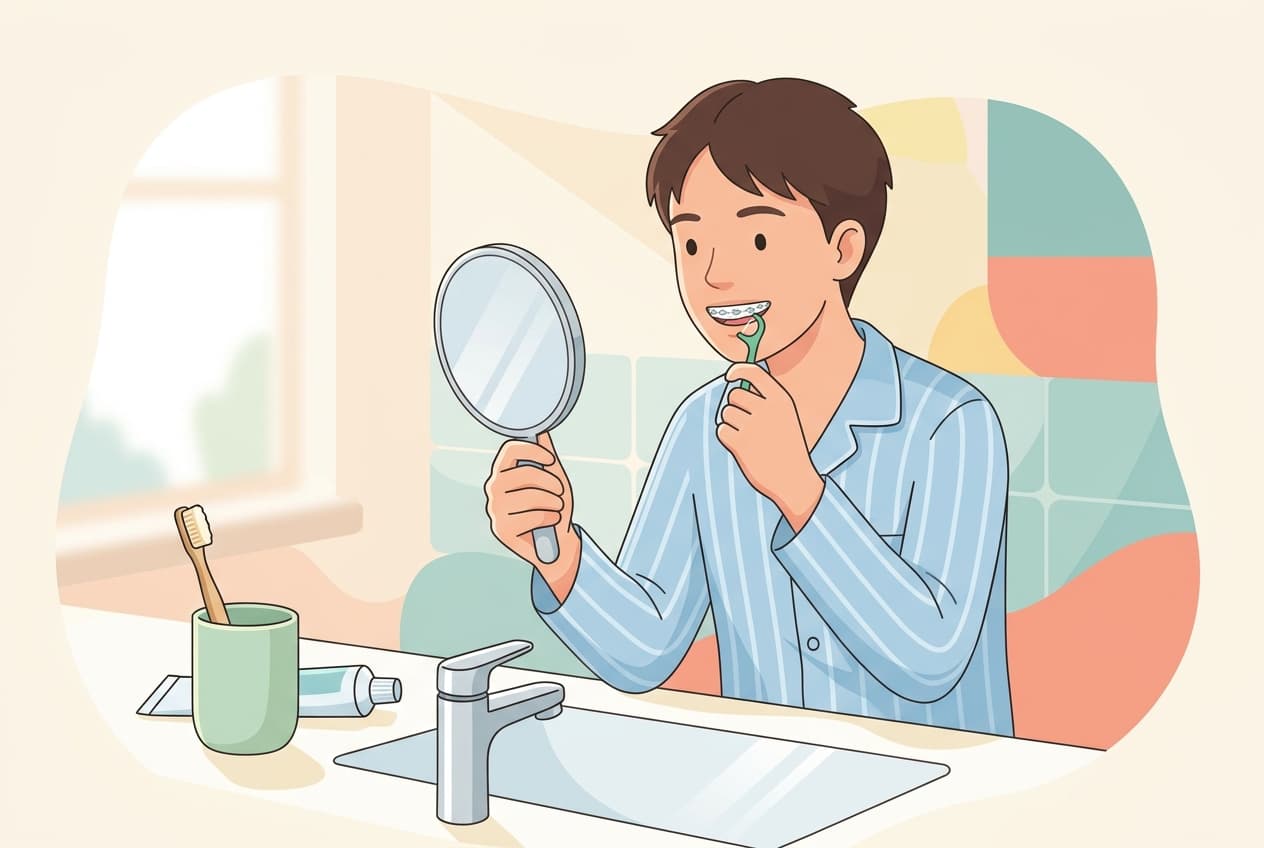
Do I Really Need to Floss Between Teeth Every Time During Orthodontic Treatment?
Explains which surfaces brushing and flossing each cover during orthodontic treatment, and why interdental cleaning is hard to skip.
4 min read
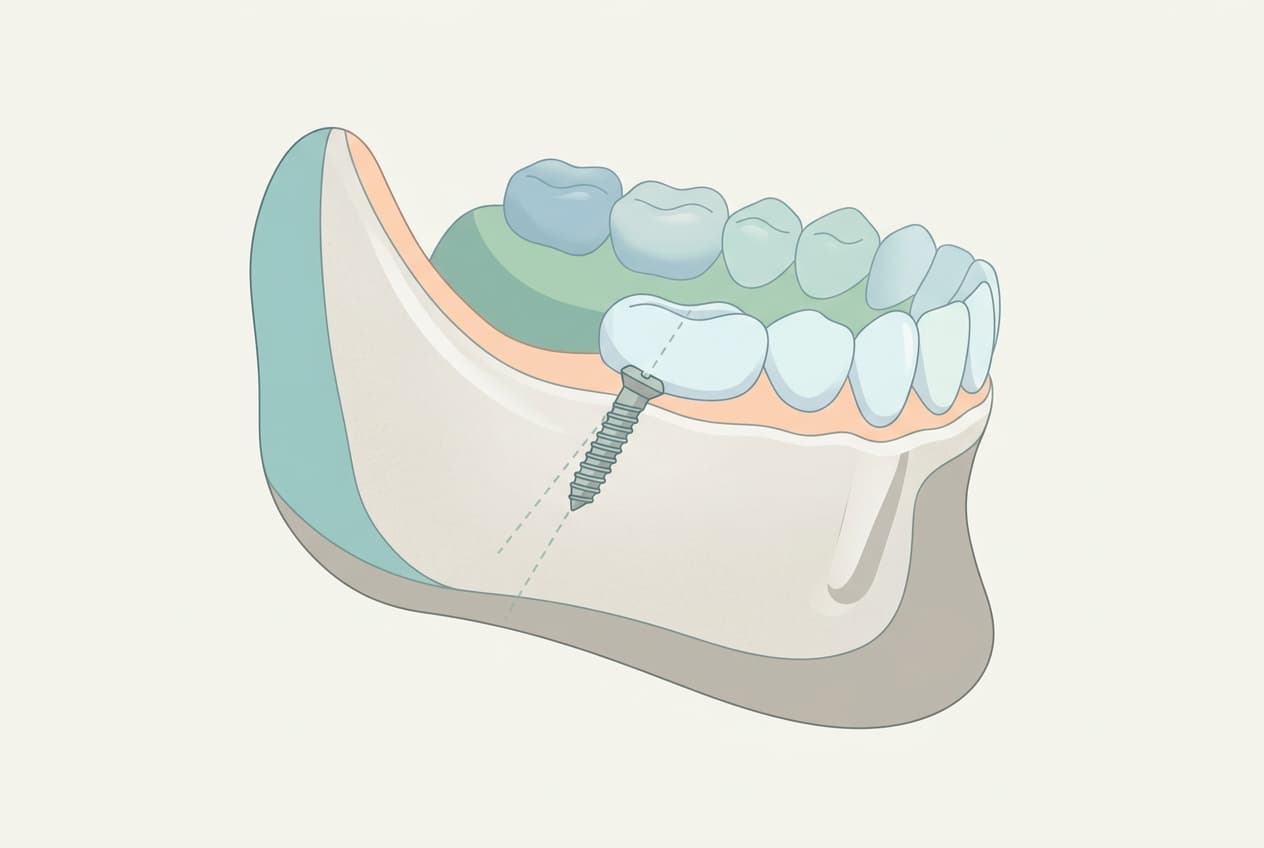
Miniscrew Insertion Angle of 45° vs. 70°: Success Rates Diverged
Miniscrews, small screws placed in the jawbone instead of teeth to serve as anchorage, are being used to push back the dental arch without extraction or headgear. New research shows that simply changing the insertion angle from 45 to 70 degrees can significantly shift the success rate.
4 min read
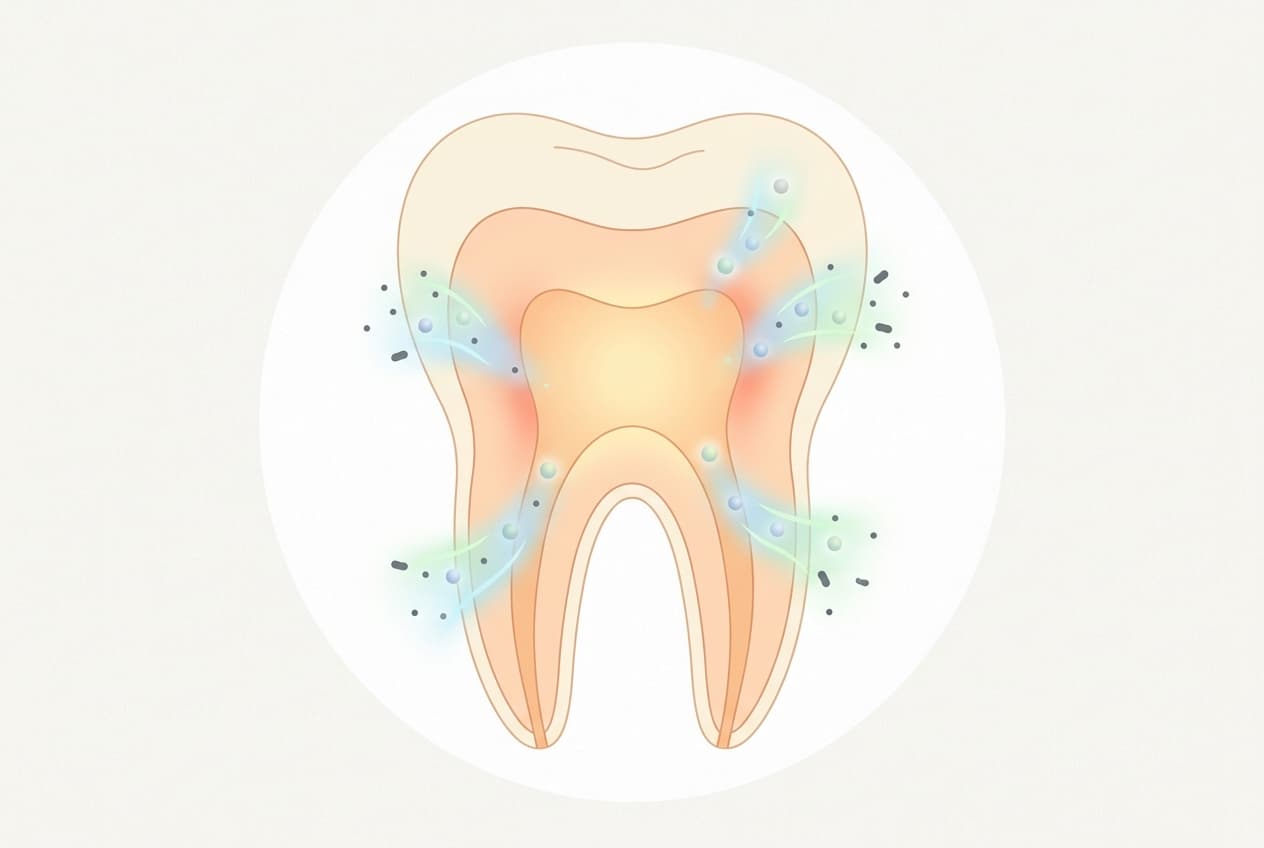
Pulp Capping Materials Are Evolving to Fight Bacteria and Inflammation, Not Just Rebuild Dentin
Materials used in vital pulp therapy are evolving beyond promoting dentin regeneration to directly targeting bacteria and inflammation. We look at what's changed through ion-releasing bioactive glass studies from research teams in China and Japan.
3 min read
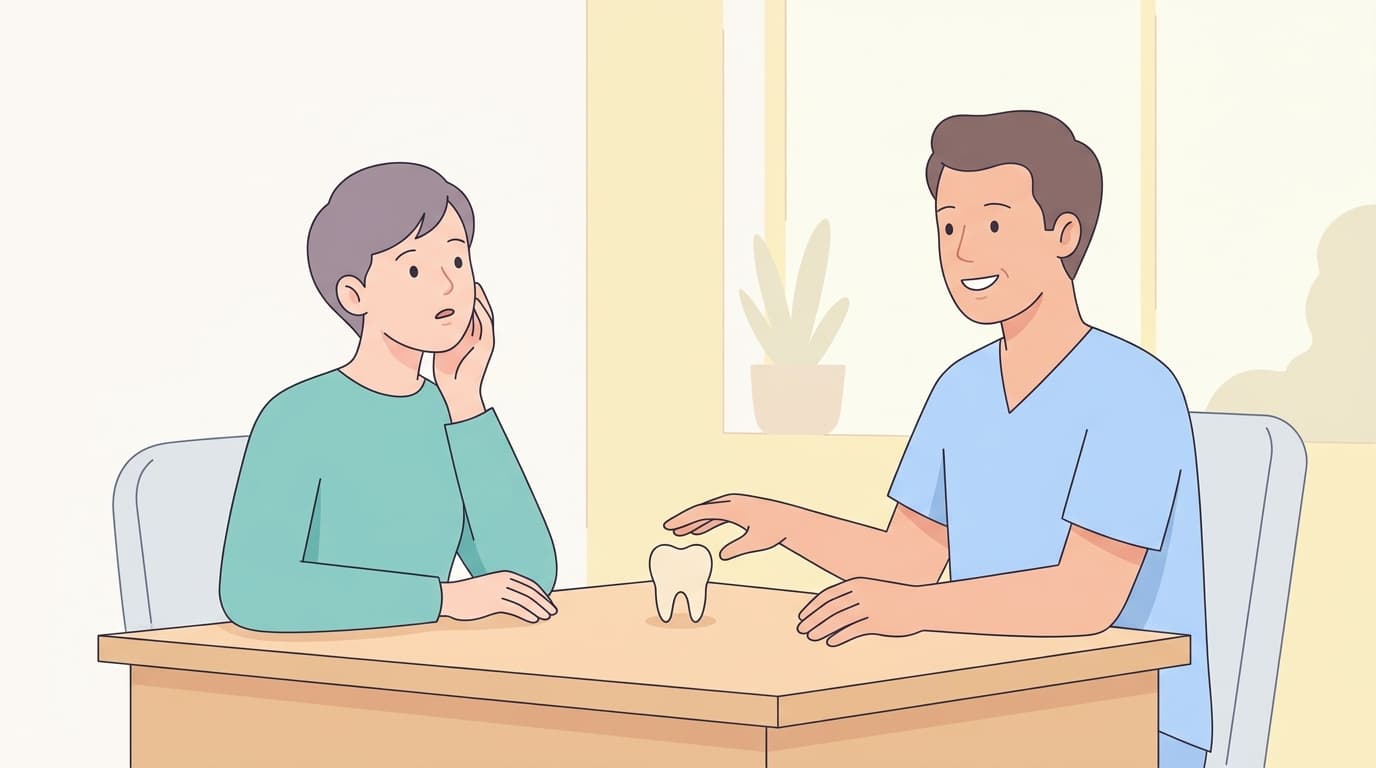
Is a Bone Graft Always Necessary for Dental Implants?
A bone graft for dental implants isn't a step every patient needs; it's a reinforcement procedure performed only when an assessment of the alveolar bone's thickness and height at the implant site finds it insufficient or defective. This explains what determines whether one is needed.
3 min read
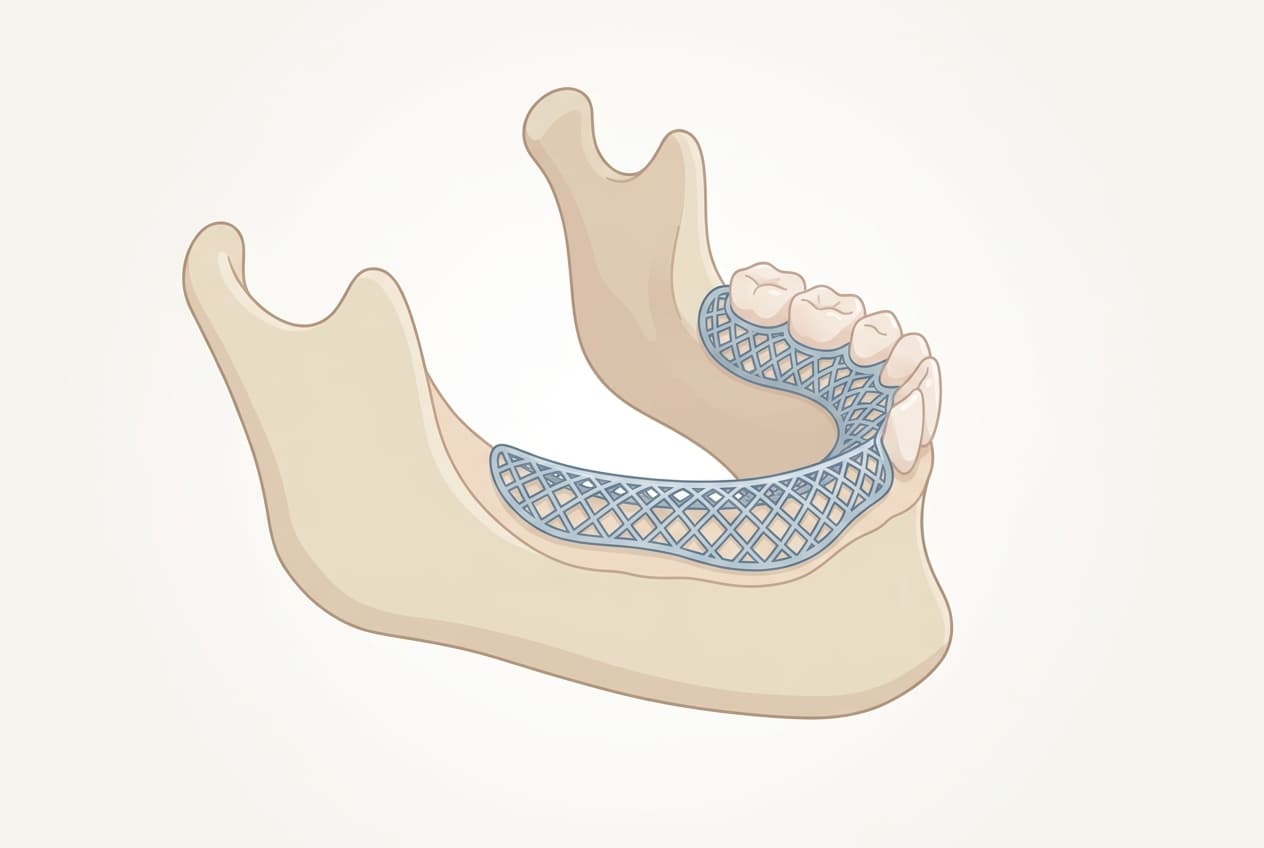
3D-Printed Subperiosteal Implants Now Reach Jaws With Almost No Bone Left
For jaws where alveolar bone has shrunk too much for standard implants, subperiosteal implants are now used: a titanium frame 3D-printed to match the exact bone shape captured on CT is placed on the bone surface. Short-term outcomes are good, but long-term survival drops noticeably in the upper jaw.
4 min read

A Hole in Your Tooth
This article covers the symptom of a visible hole or pit appearing on the surface of a tooth. It explains common causes, how to check for it yourself, and when to see a dentist.
2 min read
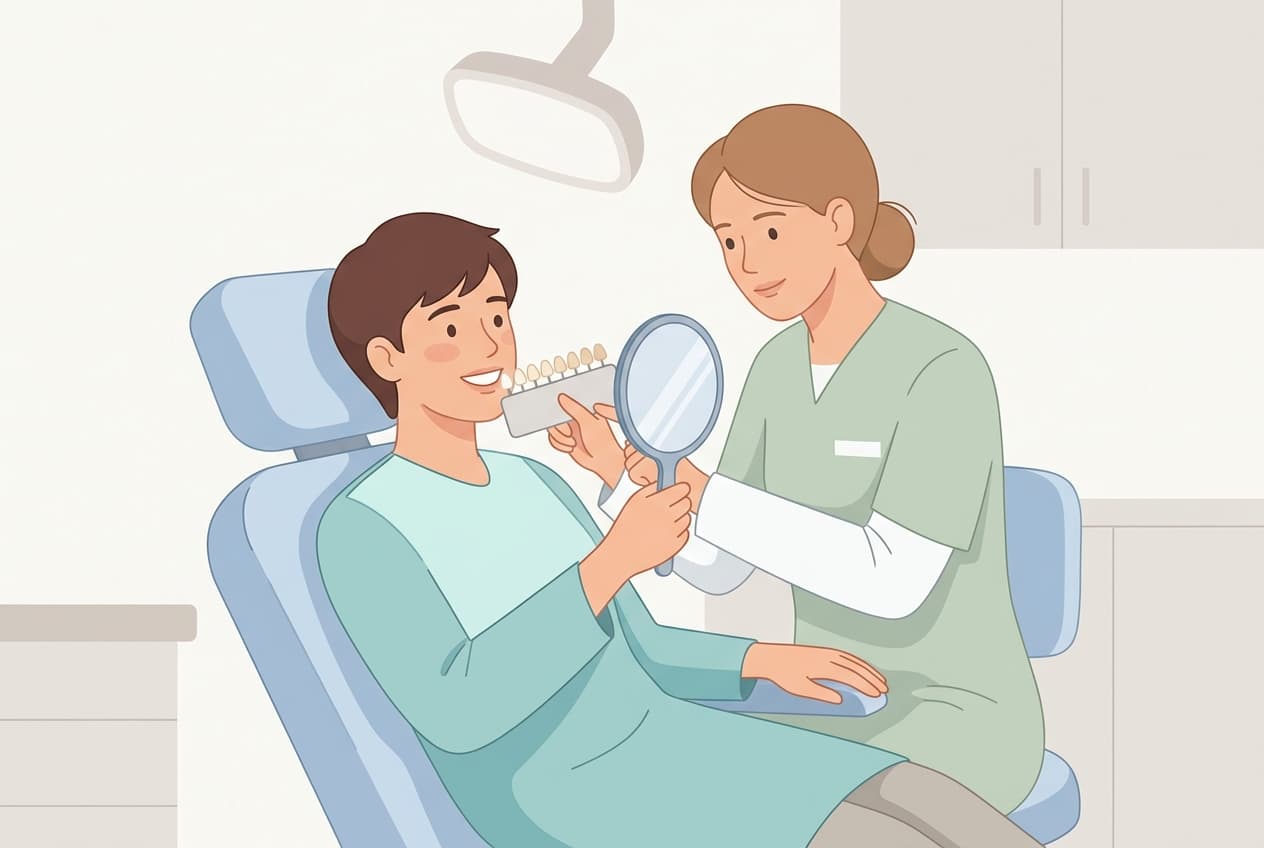
What Should You Check to Make a Front Tooth Crown Look Natural?
A front tooth crown's material alone isn't enough to make it look natural. This explains why a plan that also weighs the shade and shape of the existing teeth, the gum condition, and the bite relationship is needed.
5 min read

Virtual Reality Eases Dental Anxiety in Children, but Effects in Adults Still Unclear
A growing body of research shows virtual reality headsets reduce dental anxiety and pain in children. In adults, however, only the pain-reducing effect has been confirmed, and heart rate differed between immersive and non-immersive devices.
4 min read
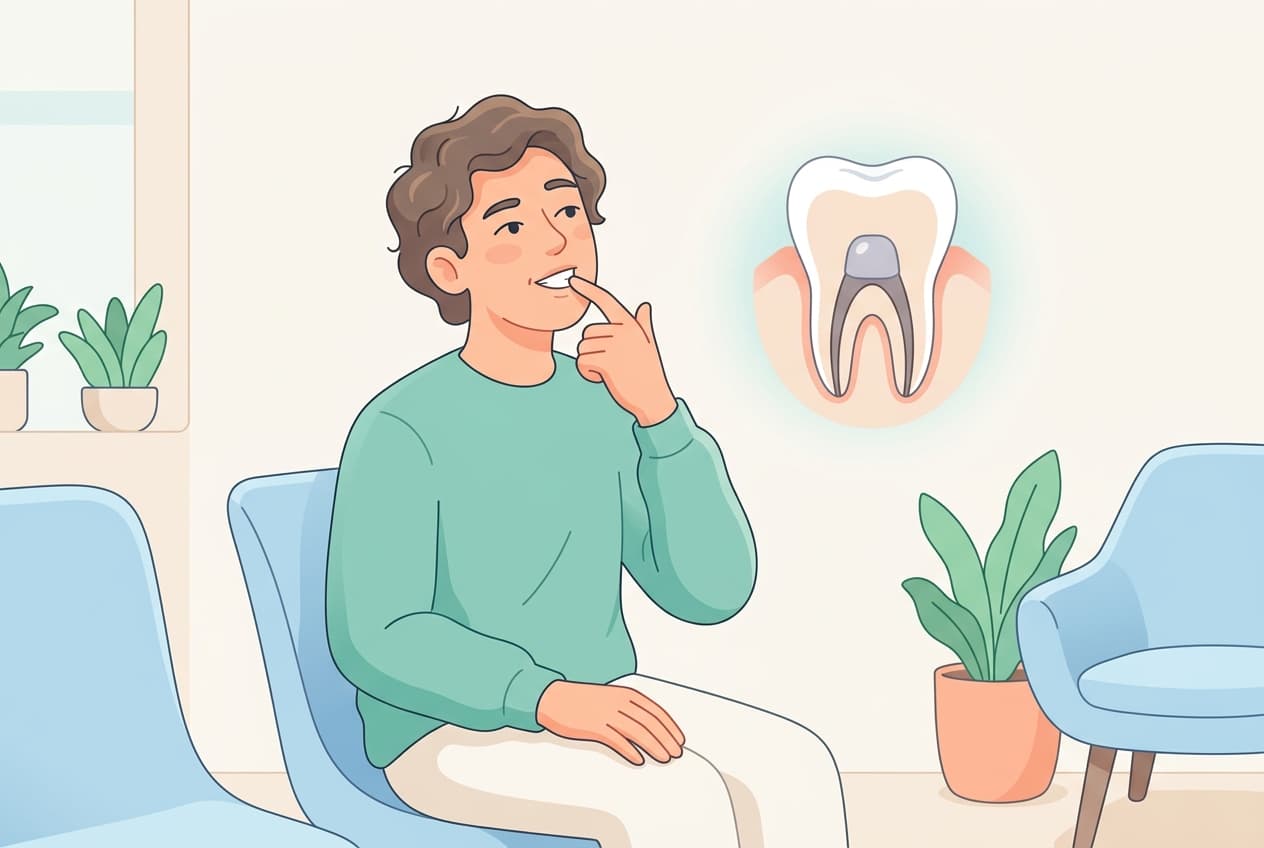
Does a Post After Root Canal Treatment Make the Tooth Stronger?
When you're worried a root-canal-treated front tooth filled only with resin might crack, this article looks at whether adding a post makes the tooth stronger. It explains why a post is a device for retaining the core rather than for increasing tooth strength, and why the need for one depends on how much tooth structure remains.
4 min read
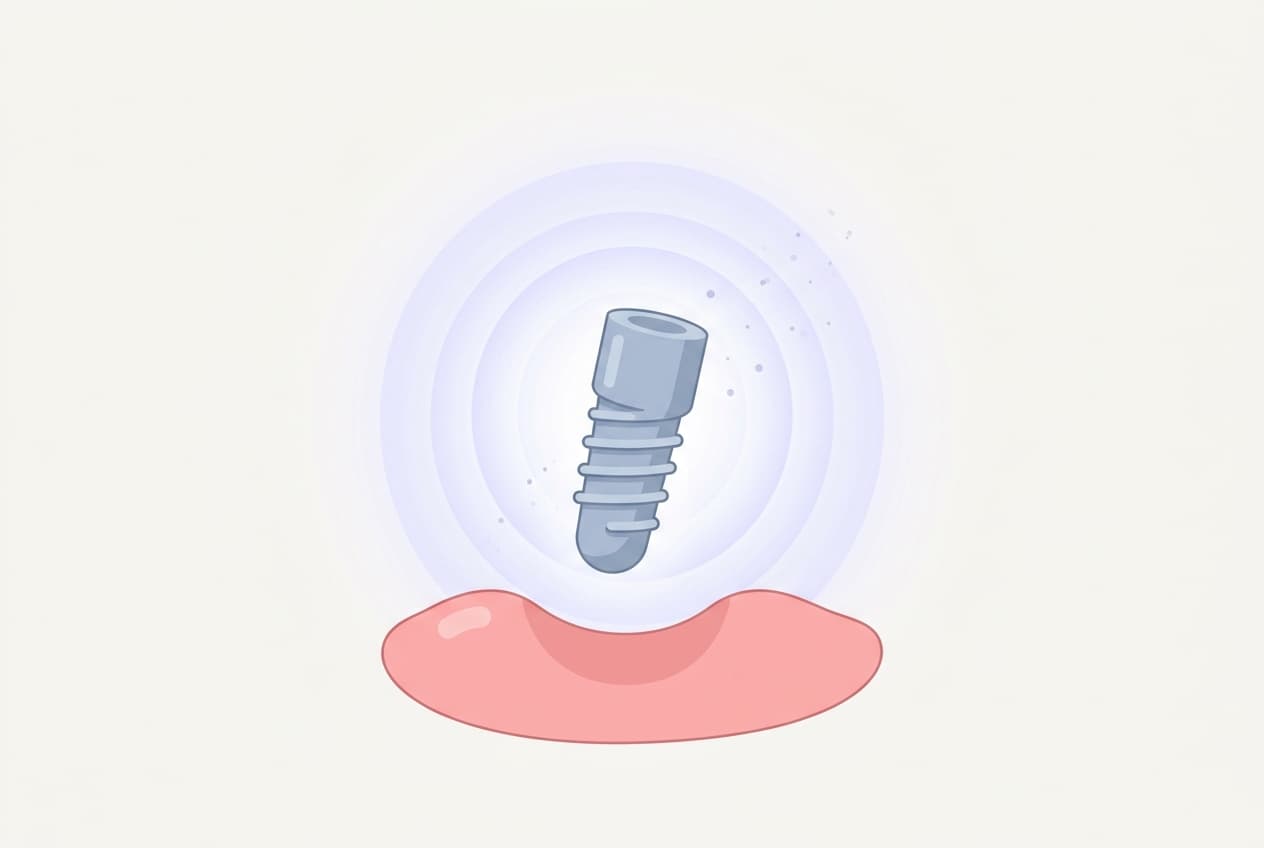
UCLA Team Accelerates Organic Molecule Breakdown for Implant Surface Treatment
A UCLA dental research team reported in 2023 that vacuum ultraviolet light decomposed over 90% of a model organic compound in just one minute. The study aims to shorten implant surface treatment time, and its results were measured using a dye inside a quartz container.
2 min read

If a Tooth Root Shortens During Orthodontic Treatment, Is Root Canal Treatment Needed?
When a tooth root shortens during orthodontic treatment, the appropriate response depends on whether it is pressure resorption caused by orthodontic force or resorption caused by infection or inflammation of the nerve or gums. This explains the tests and criteria used to tell the two apart.
3 min read
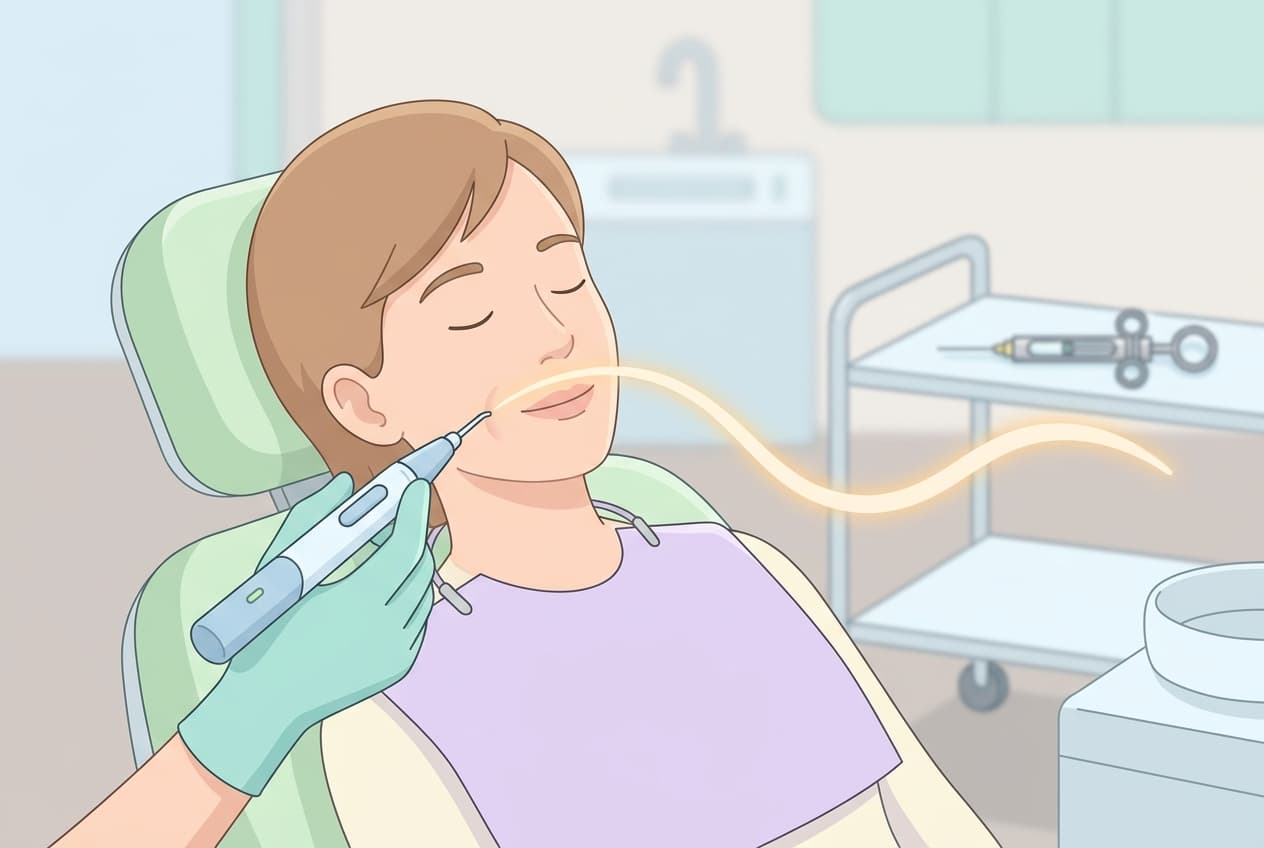
Digital Painless Anesthesia Is Replacing the Traditional Syringe
Digital painless anesthesia (CCLAD), in which a computer pushes the anesthetic in slowly at a steady rate, is expanding beyond pediatric dentistry into adult care. Here's what clinical trials comparing it with the traditional syringe show, along with differences between devices.
3 min read

Can Even Small Cavity Treatment Hurt? When Is Anesthesia Needed?
Explains why local anesthesia is used to control pain during restorative treatment that removes and fills a cavity, and how the anesthesia technique differs depending on the location of the tooth.
3 min read
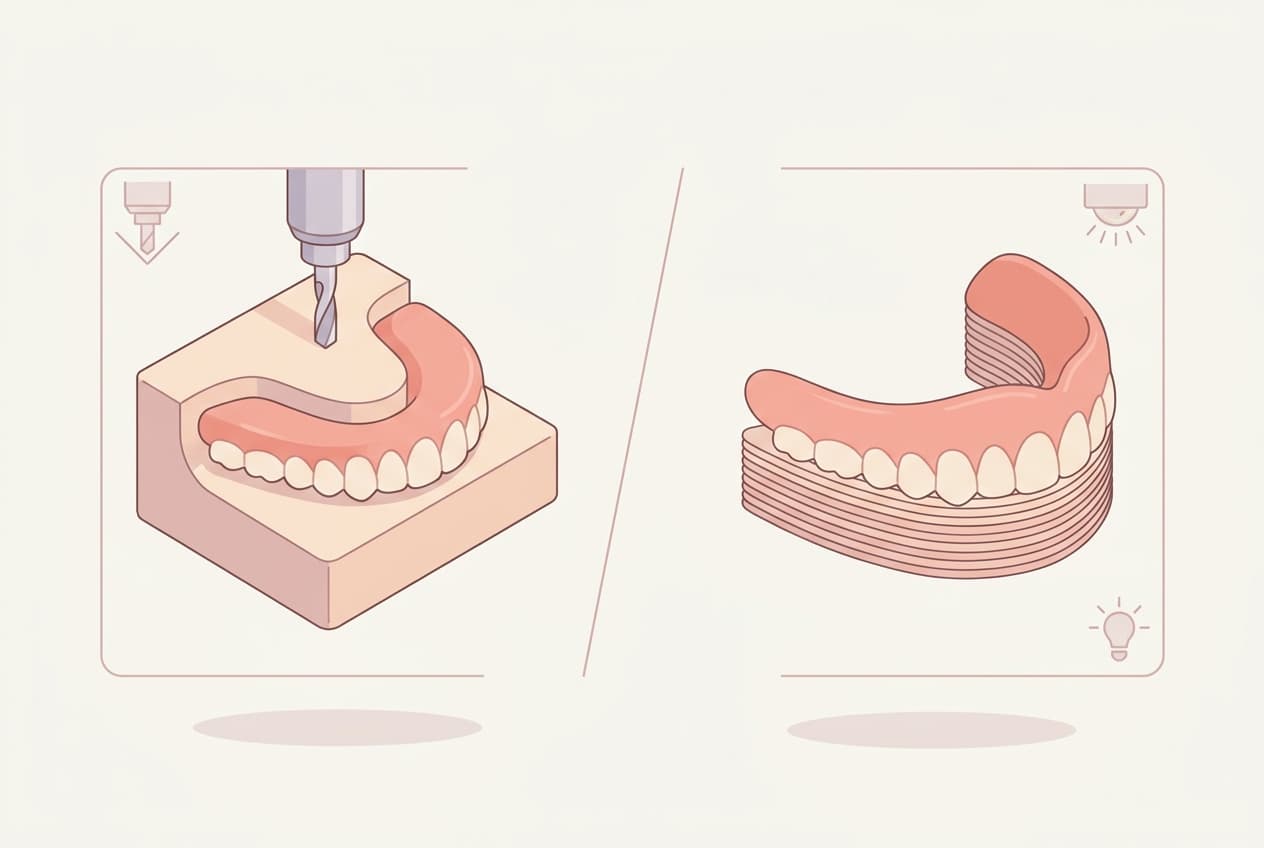
3D-Printed Dentures vs. Milled Dentures: A Split in Chewing-Force Strength
How well a denture withstands chewing force depends on how it was made. Pooling recent meta-analyses, CAD/CAM milling (computer-designed and machined from a material block) came out ahead on flexural strength and hardness, while 3D printing, which builds up liquid resin layer by layer, scored lowest on most measures. Impact resistance was the exception: there, the conventional method proved strongest, so the ranking shifted from measure to measure.
3 min read
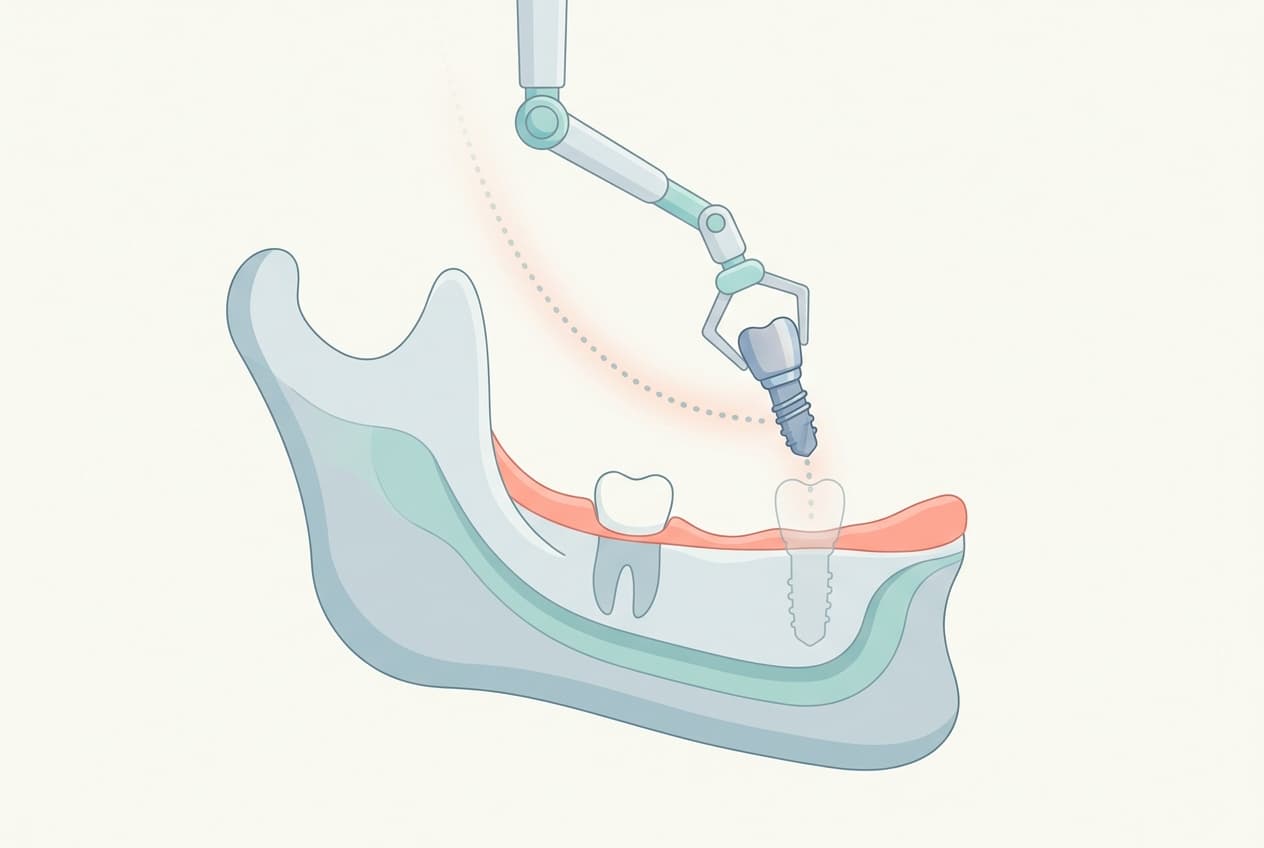
Guided and Robotic Implant Surgery: How Much More Accurate Is It?
Guided, navigation, and robotic implant surgery let dentists plan implant placement on a computer beforehand and carry that plan into the operation. Drawing on recent research, this article examines how much more accurate these approaches are than freehand surgery, and whether the differences between them are actually meaningful.
4 min read