
Overview
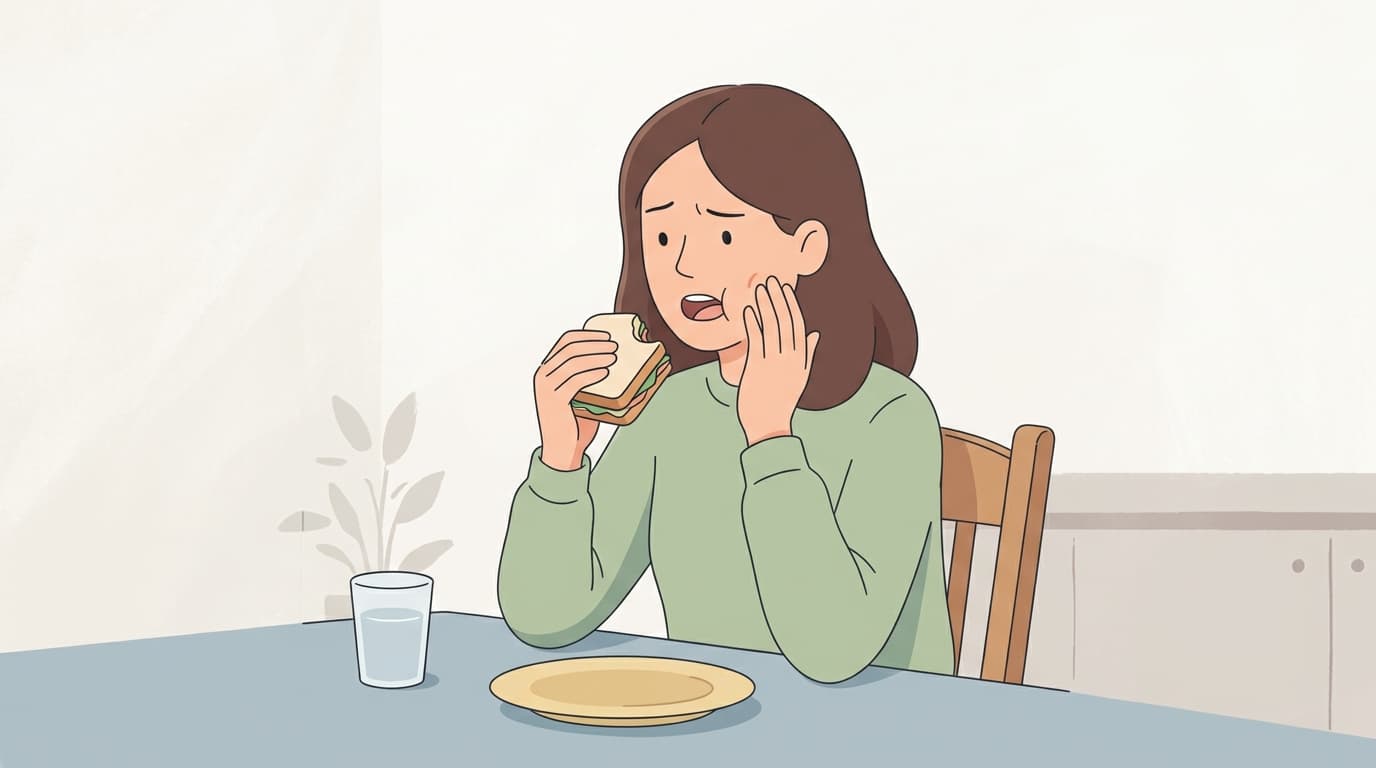
This refers to a visible hole or dent that forms on the surface of a tooth. It may start as a small white or brown discolored spot, then gradually grow into a hollow that you can feel with a finger or your tongue. If you notice, when looking in a mirror, that a tooth's surface is not smooth but dented, or that food keeps getting caught in one particular spot, this may be the symptom you're experiencing. Pain can accompany it, but when the hole is small, it is often discovered by chance without any noticeable pain.
Causes
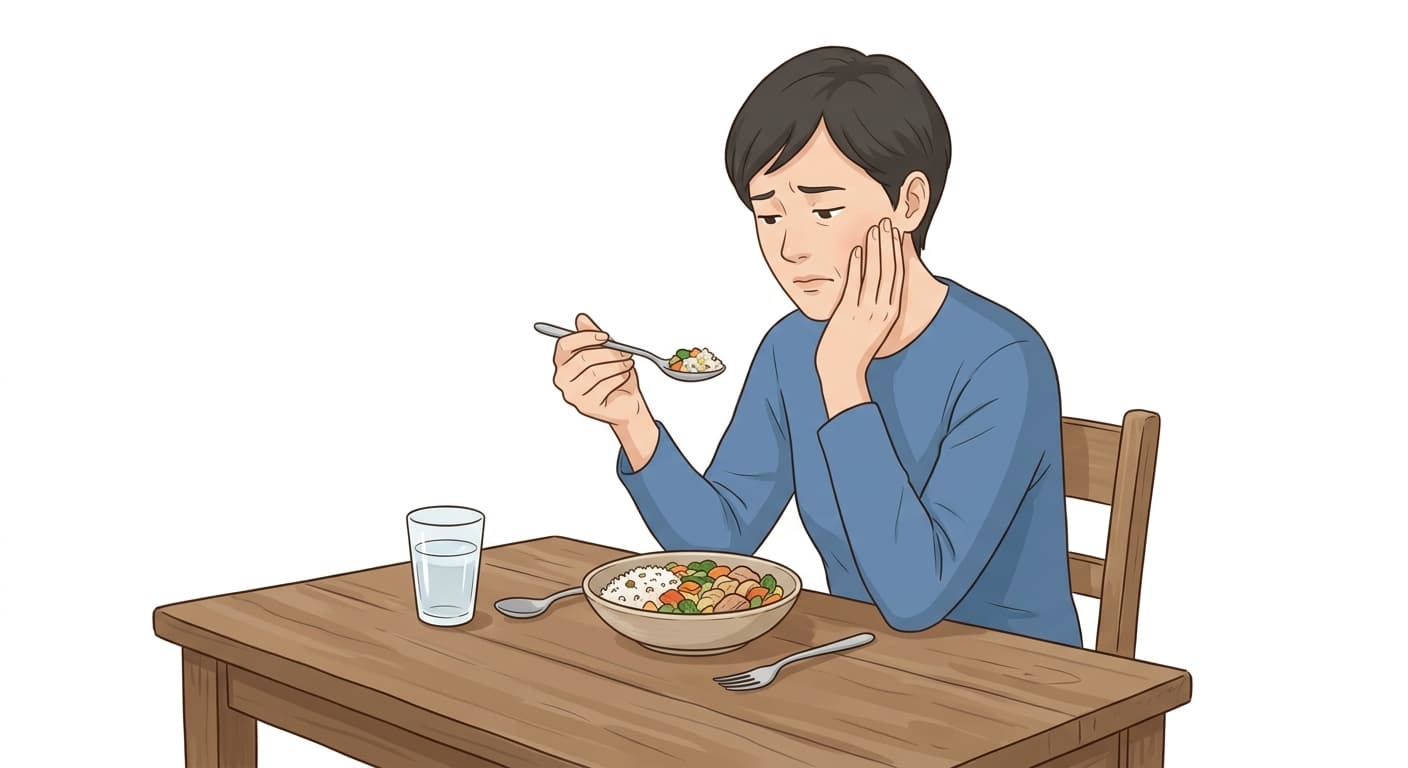
The most common cause is a spot that toothbrushing has trouble reaching, such as a narrow groove on a chewing surface or the space between two teeth, where the surface gradually turns brown or black and then becomes pitted. This happens because acid produced by food debris and bacteria in the mouth slowly dissolves the hard tissue on the tooth's outer surface. You can read more in the dental caries article.
Check Yourself
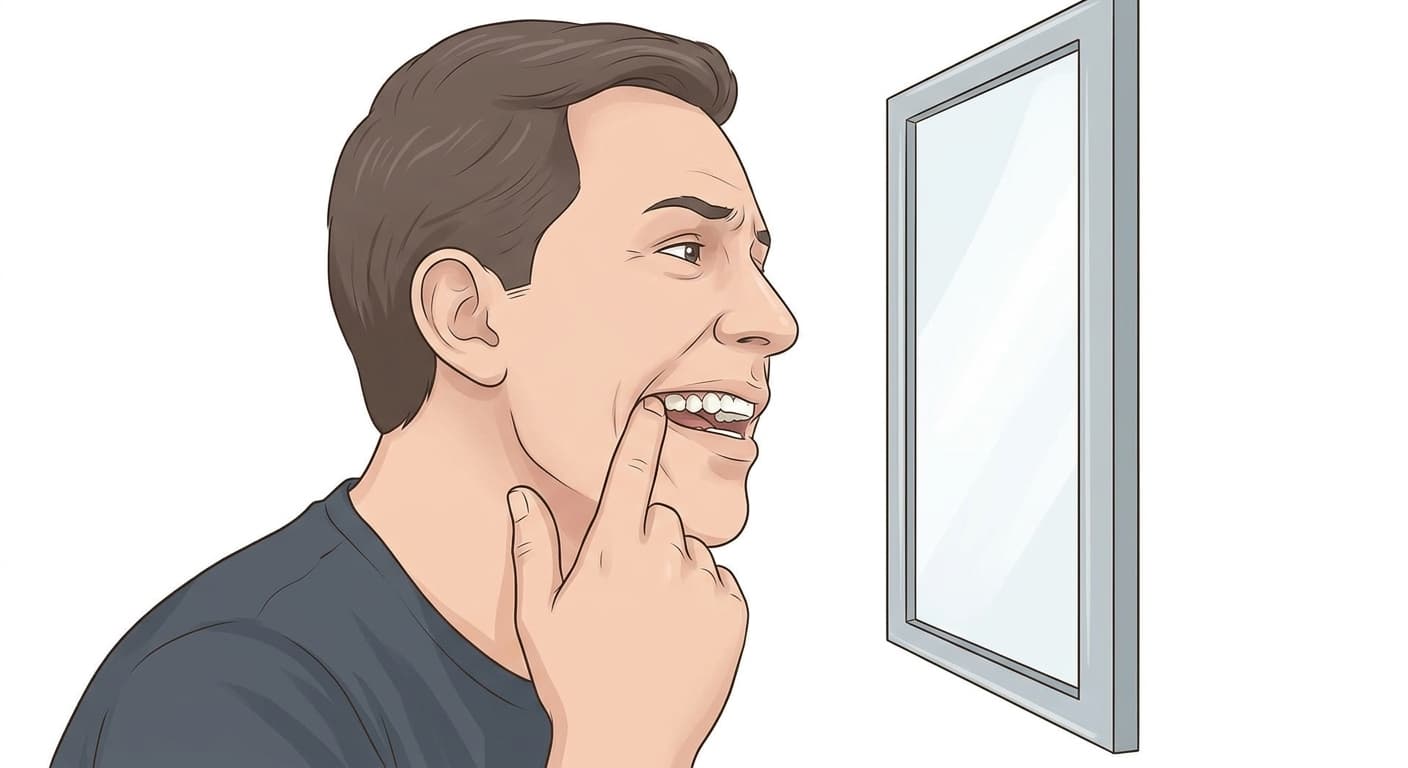
Look at your teeth in a mirror and check for any areas that have turned brown or black, or that appear dented. It is also worth checking for spots where the surface feels rough or catches when you run your tongue over it, or where floss or a toothpick keeps getting caught, or where food tends to collect. Also notice whether that spot feels sensitive when you eat cold or sweet foods. However, if the hole is very small or located somewhere hard to see, such as between two teeth, it can be difficult to check for it yourself.
When to See a Dentist
Once a hole has formed, it will not fill in on its own, so the rule is to see a dentist regardless of its size. In particular, if you feel sensitivity to cold or sweet foods, or pain when chewing, you should not delay and should see a dentist soon. Even if there is no pain, that does not mean it is fine to wait; it may look small on the outside while being more advanced underneath.
Treatment & Where to Go
Treatment depends on the depth of the hole and how far it has progressed, so the exact condition needs to be checked at a dental clinic. If an examination confirms that the cause is dental caries (tooth decay), you will receive treatment appropriate to its stage of progression.
Outlook & Precautions
If left untreated, the hole can grow wider and deeper and may eventually affect the tissue underneath. Until you see a dentist, it is best to avoid chewing on that spot and to cut back on foods that could be irritating, such as cold or sweet items. You should avoid forcefully poking at the hole with a toothpick or trying to widen it to check it yourself.