
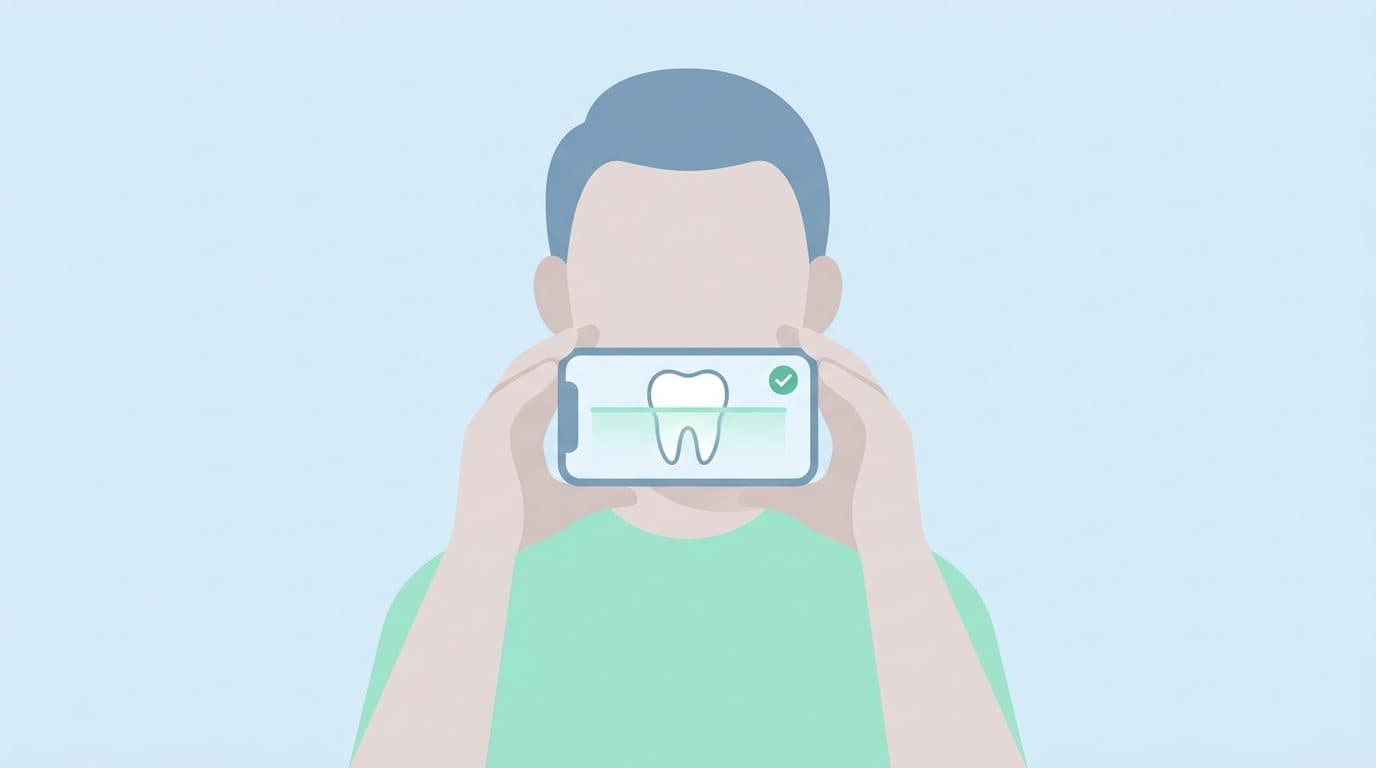
There is an app that lets you photograph your teeth with a smartphone camera so that artificial intelligence can flag possible cavities or gum problems and tell you when it's time to see a dentist. This service, from the US startup Kells, has just become the first such consumer-use tool to be formally registered as a medical device in Singapore.
On September 16, Kells announced that its 'KELLS AI Dental Scan' had been registered as a Class B medical device by Singapore's Health Sciences Authority (HSA). The company said this is the first time a consumer-use AI dental screening tool has been registered at this class in Singapore. Singapore sorts medical devices into four risk classes, from A to D: Class A only requires notification, while Class B and above require a formal review.
How It Works and What It Checks
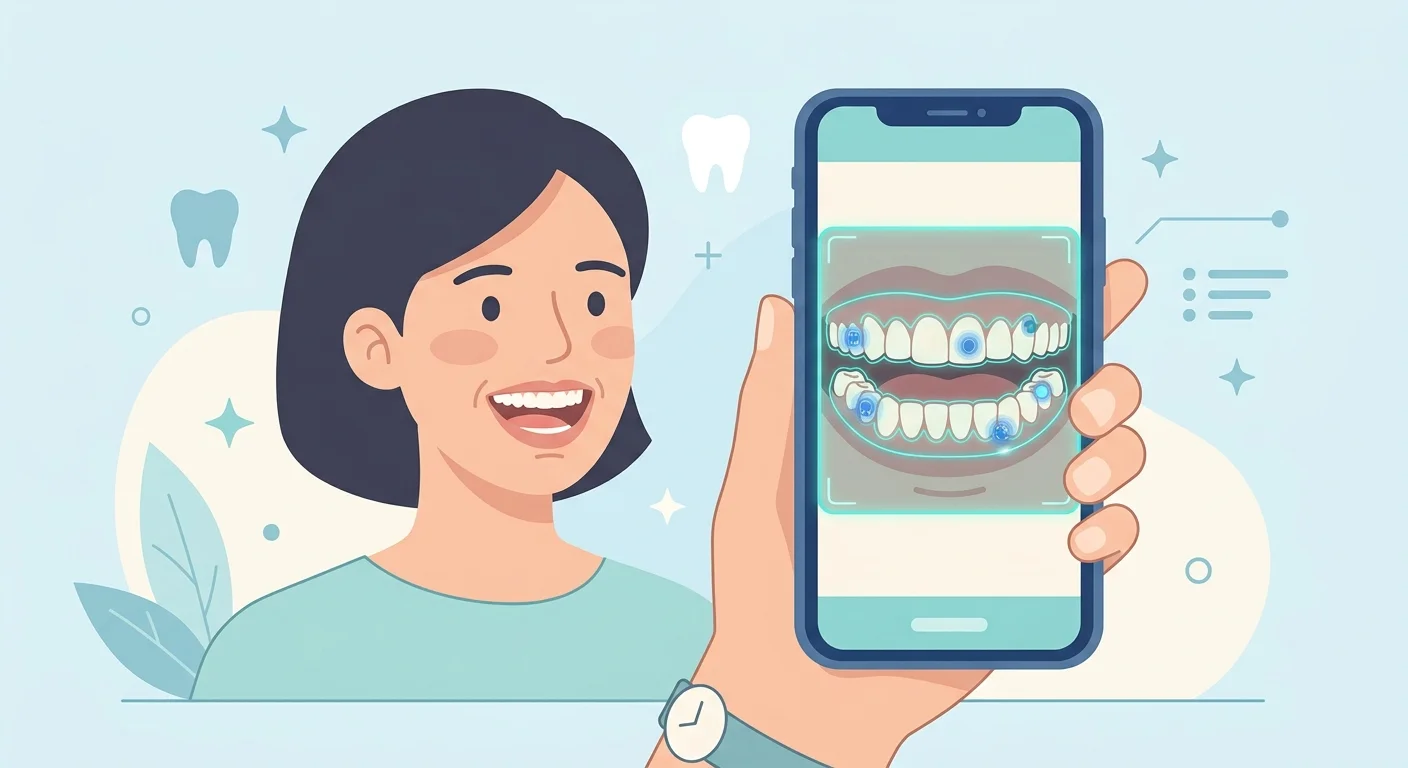
The KELLS AI Dental Scan works by analyzing a self-taken smartphone photo of the user's mouth with Kells' own AI, flagging areas that may show cavities or gum problems and indicating when to see a dentist. Dr. Jie Feng, co-founder and CEO of Kells, said, "Dental care has traditionally been centered around what happens inside the dental office, but much of oral health happens between visits." He added, "This registration is an important validation of the technology we have spent years developing."
A Different Niche from Dentist-Facing AI
This service targets a different niche from AI software that helps dentists read three-dimensional X-rays (CBCT). That kind of software re-reads scans of patients who have already had detailed imaging done at a clinic, working alongside the dentist, whereas Kells is a consumer product that lets patients attempt self-screening with a single smartphone photo before they ever set foot in a clinic. Being registered as a formal medical device doesn't mean the app diagnoses disease; it has only been recognized as a screening tool that tells users when it's time to see a dentist.
A Similar App Already Exists in Korea
A service built on the same concept already exists in Korea. 'Homden,' made by iClo, a company founded in 2020, is a free app that lets users photograph their mouth with a smartphone and get a staged readout of cavities, tartar, wear, and fractures. In May 2024, iClo signed a partnership with Gwangju Metropolitan City to run a pilot program, and after launching its official version, it set a goal of reaching 300,000 subscribers within the year. However, there is no confirmed evidence that Homden, like Kells, has received formal certification as a medical device approved for direct consumer use.
Singapore's registration is a case of formal status being granted to a service that lets people gauge whether to visit a dentist using nothing more than a single smartphone photo, before ever crossing the clinic threshold. Korea has yet to establish a clear approval track for this kind of consumer-use app, so the scene inside domestic dental clinics is unlikely to change right away. Still, as similar services abroad gain formal status one by one, discussion of related certification in Korea could follow.