
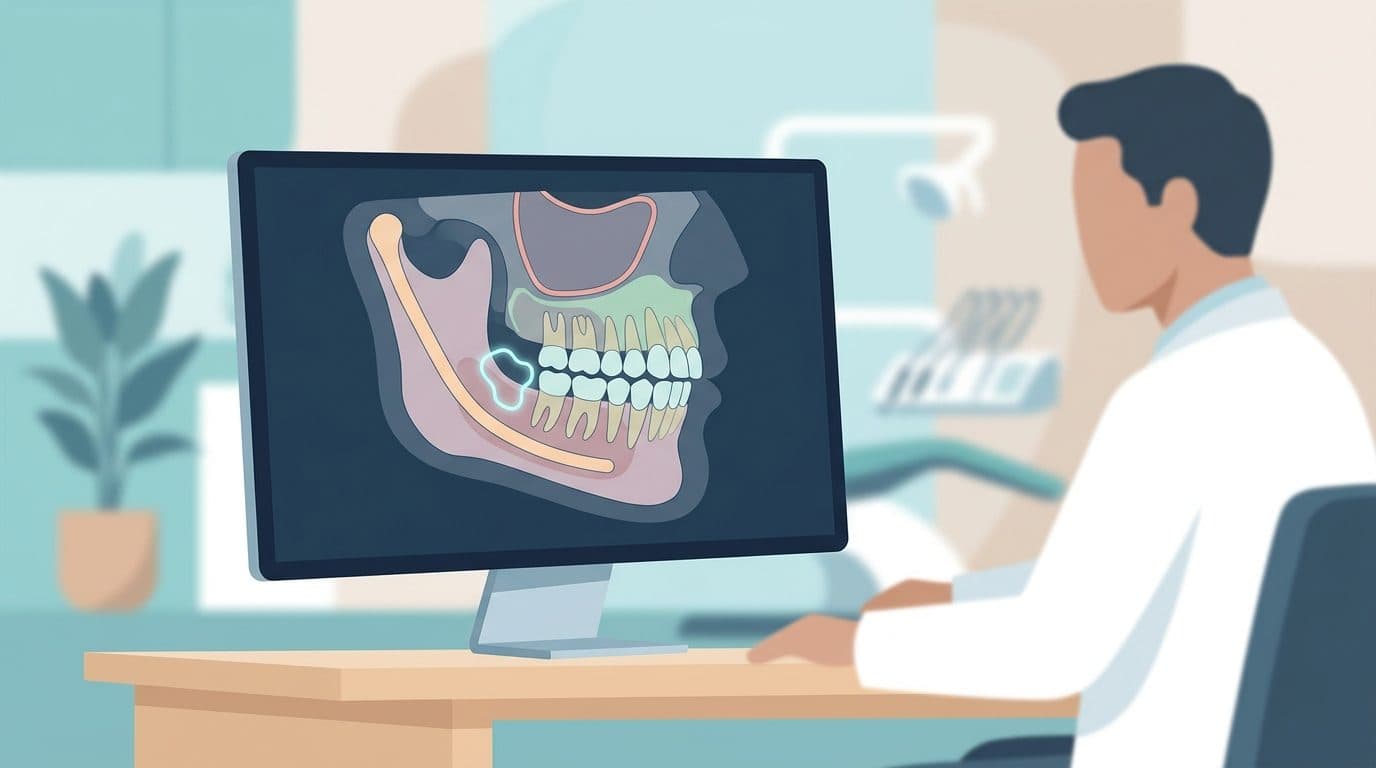
Software that has artificial intelligence (AI) scan dental X-rays or 3D imaging first and flag areas that are easy to miss has been winning government clearances in the United States one after another over the past year. Pearl, one of the companies behind this technology, launched its software this month as a commercial product that general dentists can use as well.
According to dental trade outlet Oral Health Group, Pearl's Second Opinion 3D received clearance from the U.S. Food and Drug Administration (FDA) in May of last year and officially launched as a product for general dentists on the 3rd of this month. Four other companies have received similar clearances over the same period.
| Company | Product | Clearance Date |
|---|---|---|
| Pearl | Second Opinion 3D | May 2025 |
| Overjet | CBCT Assist | December 2025 |
| Dentsply Sirona | DS Core Detect | January 2026 |
| Diagnocat | Reading Software | January 2026 |
| VELMENI | V4D | July 2026 |
Dentsply Sirona is also the company that earlier won FDA clearance for a dental-specific MRI developed with Siemens Healthineers. If the imaging equipment itself was the news back then, this time the news is AI reading the images captured by that equipment.
How CBCT Reading AI Identifies Anatomy and Flags Findings
These programs automatically identify and color-code anatomical structures in cone-beam CT (CBCT) images, which capture the mouth in three dimensions, such as the mandibular nerve canal, maxillary sinus, airway, and individual teeth. On top of that, they flag suspicious findings such as temporomandibular joint abnormalities, carotid artery calcification, impacted teeth, periapical inflammation at the tips of tooth roots, and sinus abnormalities. What each is best at detecting varies somewhat by company. Pearl and VELMENI focus more heavily on identifying anatomical structures, while Dentsply Sirona and Diagnocat are more specialized in detecting periapical inflammation. Pearl founder Ophir Tanz said that although general dentists have long had CBCT equipment in their offices, reading the scans properly had required specialist-level training.
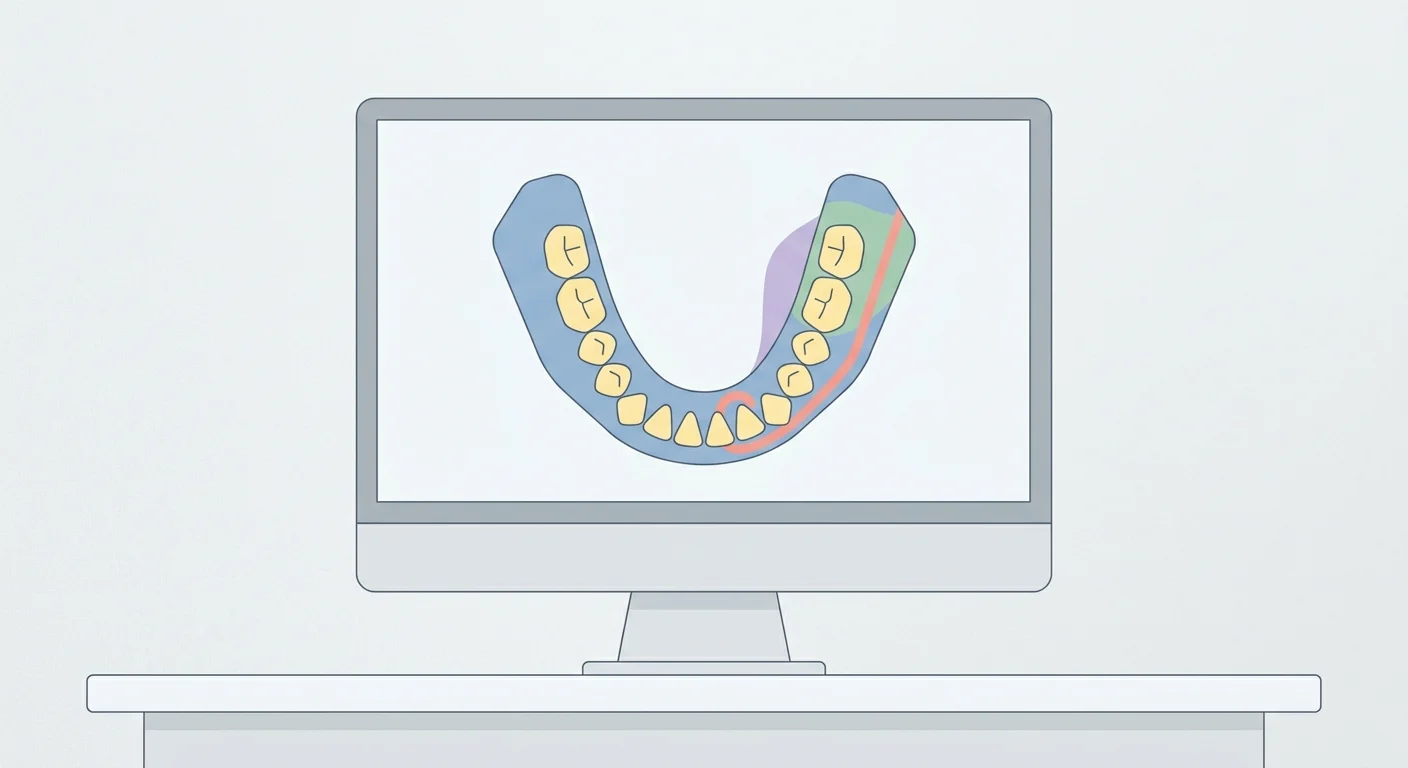
DDH's Pano: Approval Push and Status in Korea
In Korea, startup DDH is targeting the same market with Pano, an AI software that reads panoramic X-rays. A year and a half after launch, 420 dental clinics in Korea are already using the software, and DDH has received 3 billion won in funding over three years through the Ministry of SMEs and Startups' Scale-up TIPS program as it prepares to enter the U.S. and Chinese markets. In the United States, the company is going through preliminary steps toward FDA clearance, and in China it expects to receive a decision from the National Medical Products Administration (NMPA) sometime in October.

DDH's Pano has not yet received formal clearance in Korea or the United States, so it is not yet at the stage where clinics can use it right away. By contrast, the five products including Pearl are already on sale in the United States, so patients seeing a dentist there are increasingly likely to receive a report in which AI has already scanned their 3D images first. Since this kind of CBCT reading AI has not yet formally entered the Korean market, the scene in Korean dental clinics will not change right away.