
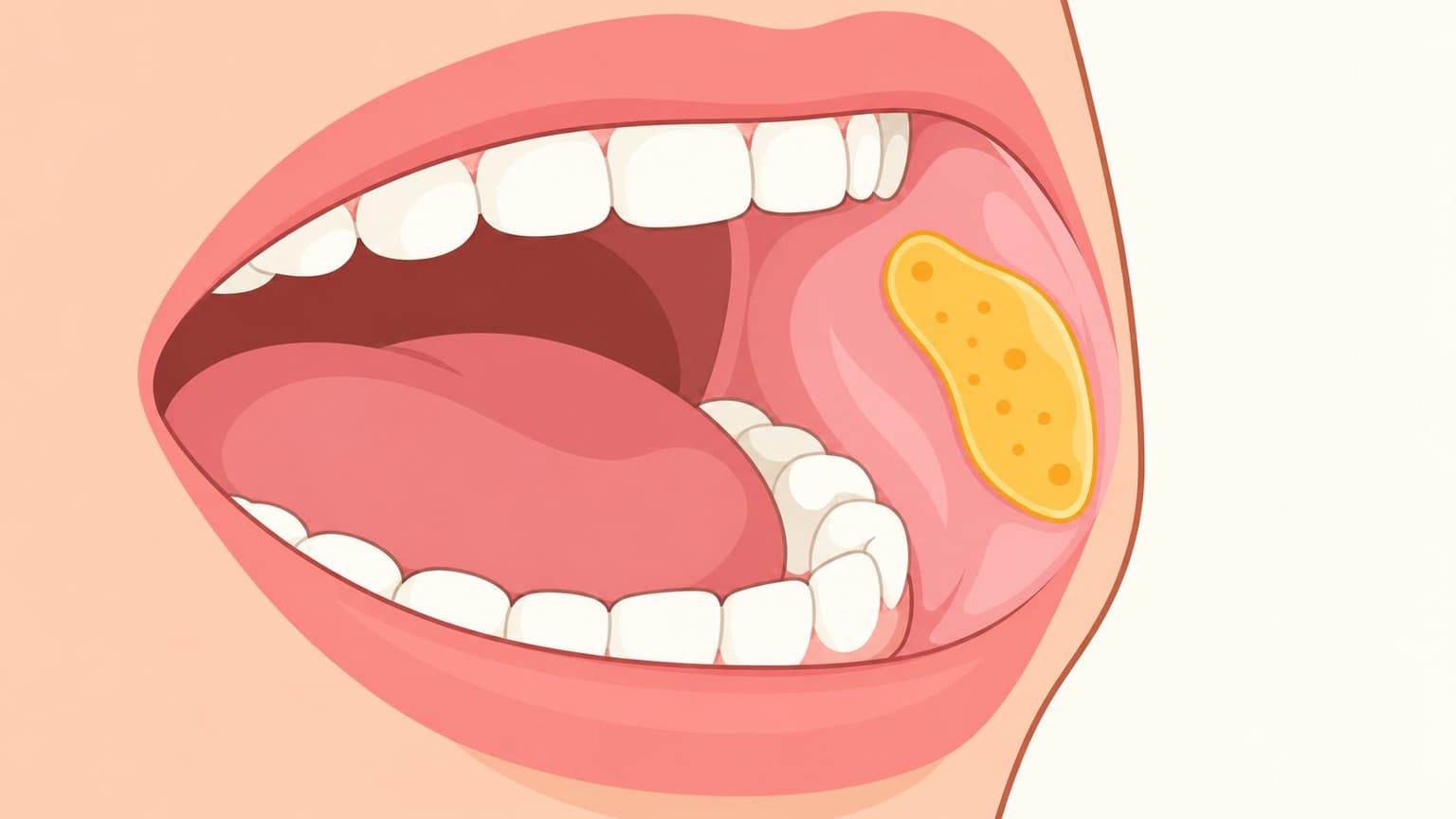
In rats with radiation-induced damage to the oral mucosa, a gel containing curcumin combined with vitamin E and zinc reduced mucosal damage more than a gel containing curcumin alone. These findings for Cur-VE-Zn@gel were reported in November 2025 by researchers at West China Hospital, Sichuan University, China. The key is changing both the combination of ingredients and the delivery method. The researchers altered the drug's structure and loaded it into a carrier that sets at mouth temperature to keep it at the damaged site.
A molecular combination that addresses curcumin's weaknesses
Curcumin, a component of turmeric, has been studied as a material for treating oral mucositis because of its antioxidant and anti-inflammatory properties. However, it dissolves poorly in water, and only a small amount is available for the body to use when taken orally. Higher concentrations can also suppress normal cell activity, so simply adding more does not solve the problem.
Cur-VE-Zn@gel chemically links curcumin and vitamin E, then adds zinc ions. Zinc acts as a binding point, bringing the linked molecules together into a stable complex. The resulting complex is incorporated into a hydrogel, a water-holding polymer network. Its molecular structure differs from that of a simple mixture of the three ingredients applied to the mucosa.
In cell tests, curcumin combined with zinc alone actually suppressed cell activity more strongly. Linking vitamin E into the combination reduced this problem. What matters, therefore, is the bonding structure created, rather than simply the addition of zinc. In irradiated cells, the completed complex also improved cell migration and measures related to DNA damage compared with curcumin alone.
A drug carrier that sets at mouth temperature
The drug-carrying base consists of poloxamers P407 and P188, along with chitosan. Poloxamers change from a flowing liquid to a gel depending on temperature, while chitosan adds adhesion to the mucosa. The formulation is designed to flow when cold and form an adherent layer in the warm mouth after application.
The finished formulation turned into a gel at about 31°C. The complex held within the porous network is released first from the surface, followed by slower release from the interior through diffusion and gel breakdown. This approach delivers the drug directly to the mucosa where it is needed, rather than relying on systemic absorption after swallowing.
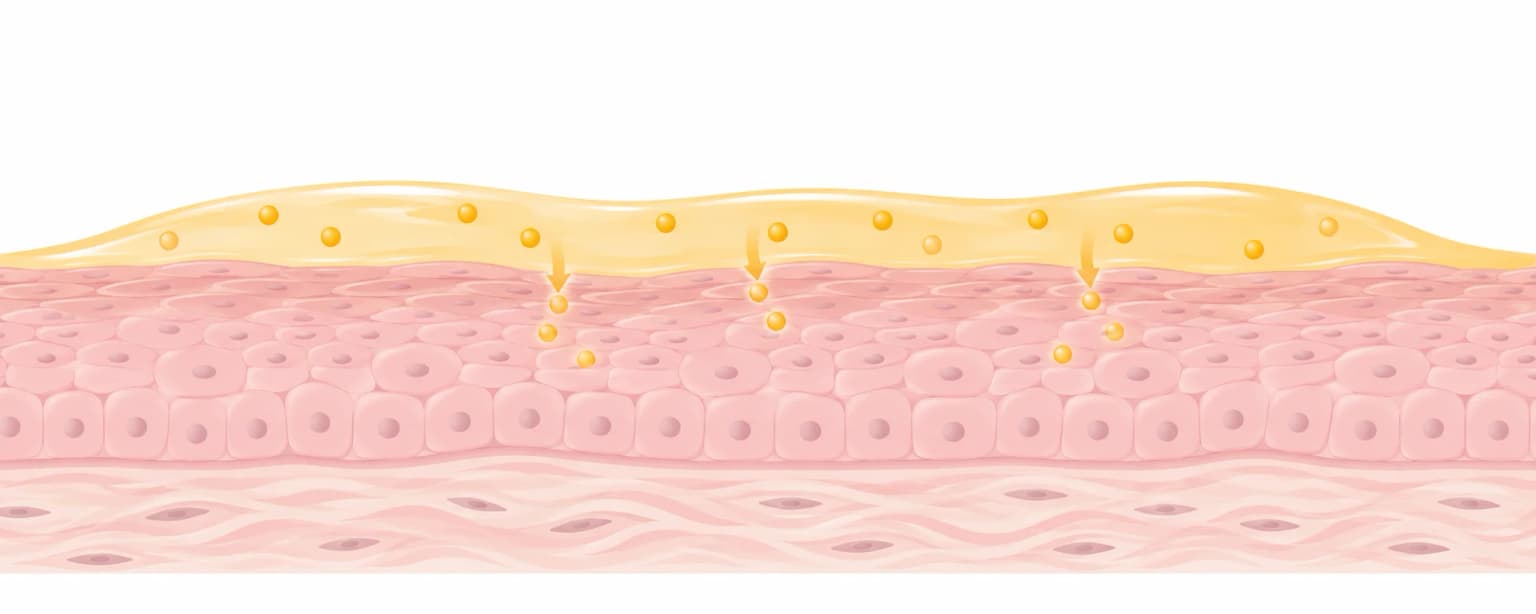
Adhesion was weaker in the presence of saliva than under dry conditions. This means moisture in the mouth affects adhesion. Even so, tracking a fluorescent label in rats' mouths showed that the complex incorporated into the gel remained longer than the complex administered without gel. This also confirmed that the temperature response observed in the laboratory translated into retention in the mouth.
Reduced damage observed in rat mucosa
The researchers applied the formulation inside the mouths of rats whose heads had been exposed to radiation, then examined their tongue tissue. Empty gel and gel containing curcumin alone also reduced some damage, but the complex-containing gel resulted in smaller areas of ulceration and mucositis. Tissue examination also showed a more orderly arrangement of the surface cell layer and less infiltration by inflammatory cells.
Beyond the visible wounds, cell death and inflammatory signaling also decreased. Measures related to DNA damage and oxidative damage fell, while vascular markers associated with tissue repair increased. These results are consistent with a design in which the layer covering the mucosa and the complex within it serve different roles.
However, these results came from rats given a single high dose of radiation. Whether the same protective effect would persist under the repeated radiation treatments used in humans, and whether it is safe over the long term, remain unconfirmed. This development illustrates a shift from increasing the amount of curcumin to designing molecular bonding and mucosal retention together.