
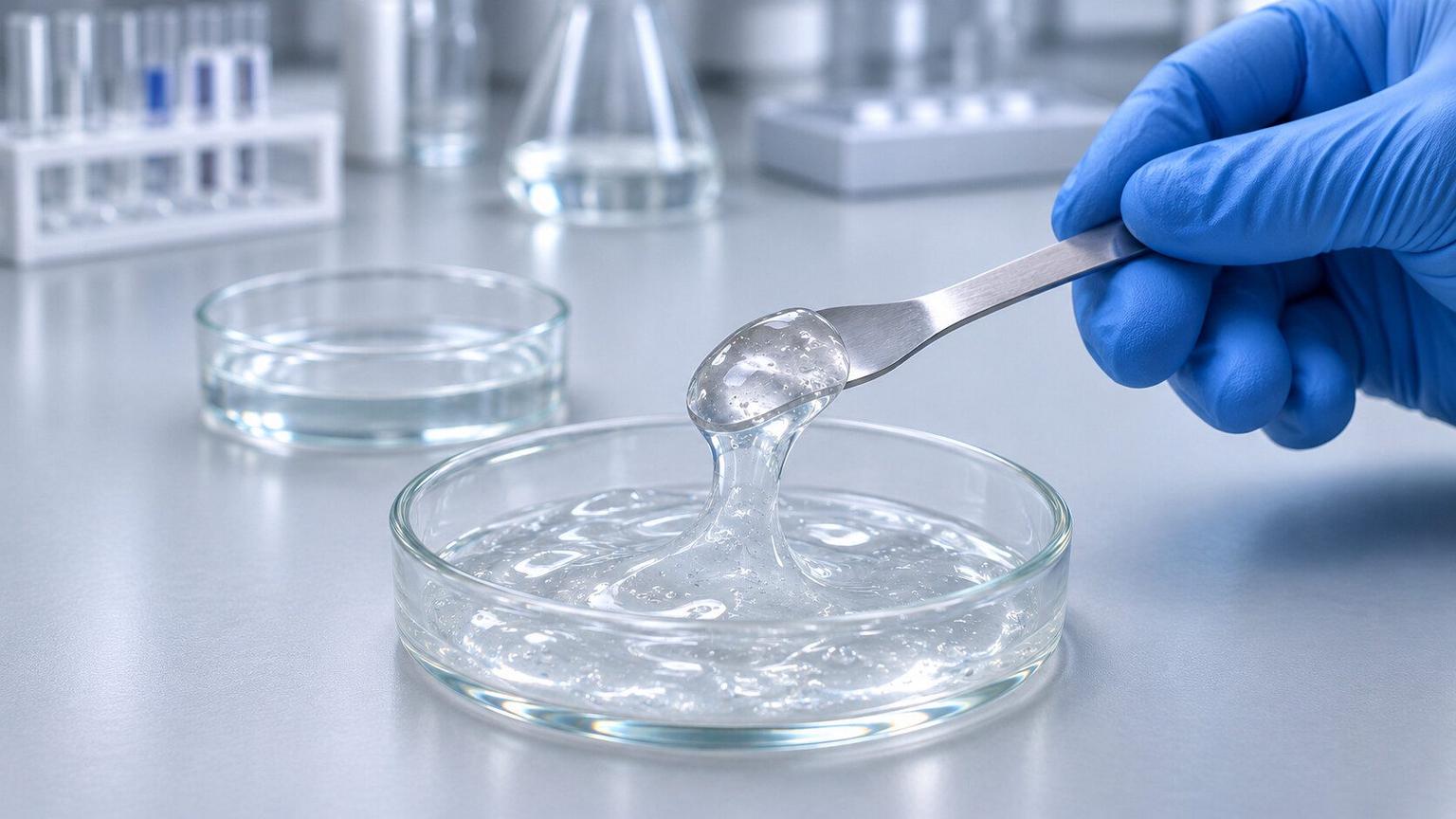
A saliva substitute developed by researchers at Rangsit University in Thailand retained moisture longer than water in pig tongue tissue. In results published in March 2025, the newly formulated gel showed no clear decline in wetness for up to two hours after application, following a pattern similar to commercially available GC Dry Mouth Gel. The findings reflect an effort to design formulations that keep moisture on oral surfaces.
Adding viscosity to water to make a saliva substitute
Saliva substitutes are materials that moisten the mouth in place of saliva. They are already used in various forms, including gels, sprays, and mouthwashes. The goal of formulation is to go beyond the brief wetting provided by drinking water and keep the mucosal surface moist. The ingredients and the degree of viscosity affect how much moisture remains, even when the same amount is applied.
Rangsit University's RSU formulations create viscosity by dissolving a polymer called hydroxyethyl cellulose in water. Propylene glycol was added as a humectant to retain moisture. Sodium, potassium, and calcium salts were also added to mimic the ionic composition of natural saliva. This composition differs from simply adding flavoring to water.
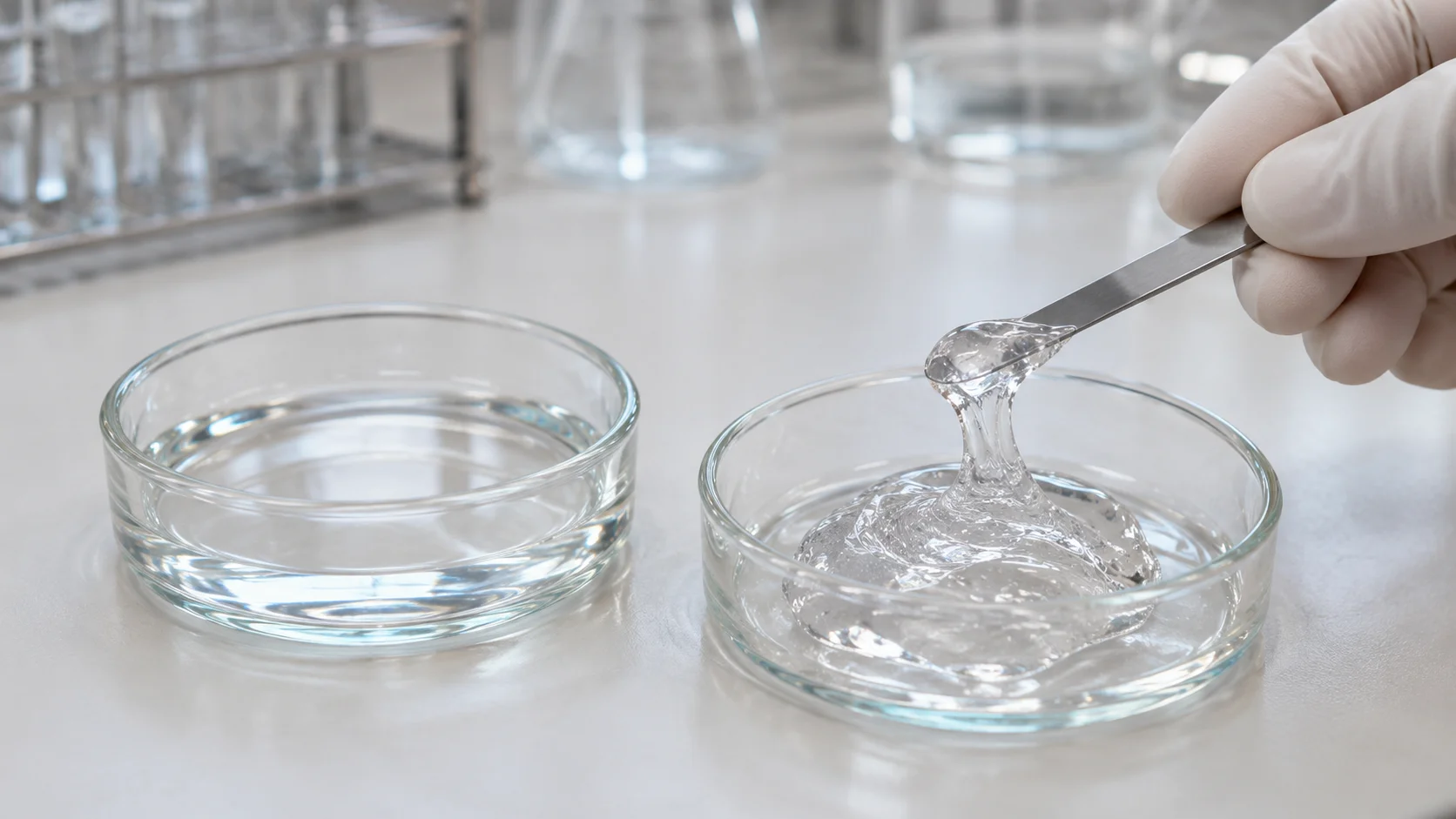
The same basic ingredients were used to make a thin liquid and a gel, with different polymer concentrations. The liquid was designed with use as a spray or mouthwash in mind, while the gel was made for topical application. The researchers explain that the application method could allow the liquid to coat a broad area and the gel to concentrate moisture in one place. In this comparison, equal amounts of both forms were spread in a thin layer.
Initial wetness and the difference two hours later
The results immediately after applying water differed from those measured later. Water initially wetted the tissue adequately, but wetness continued to decline. After two hours, it had fallen to almost half the level measured immediately after application. Saliva substitutes maintained higher moisture levels than water, particularly from one hour onward. The difference lay less in how wet the tissue became initially than in how long that wetness remained.
The comparison also included Haleon's Biotène mouthwash, GC Dry Mouth Gel, and a mouthwash prepared at a dental school hospital. RSU gel and GC gel showed no significant decrease in wetness during the two-hour observation period. Liquid saliva substitutes had lower readings after two hours than at the start, showing a different pattern over time from the gels. However, when RSU liquid and gel were compared across all measurement times, there was no clear difference in average wetness.
The two hours refer to measurements on excised pig tongue tissue, not to how long people felt comfortable. A Mucus moisture meter measured moisture at the tissue surface, and a cover reduced evaporation. In the mouth, saliva flow, tongue movement, and swallowing are also present, so this figure cannot be treated as a guaranteed duration of a product's effects.
Differences in sour formulations and a low-cost design
RSU liquid comes in sweet mint and sweet vanilla formulations, as well as sweet-and-sour mint and lemon formulations. The two sour formulations retained moisture better than the formulations without sourness and showed wetness similar to Biotène mouthwash. In the gels, however, there was no clear difference among the four flavors. Flavor differences did not produce the same results in every dosage form.
The findings should not be interpreted as the result of sourness stimulating the salivary glands. Increased saliva secretion was not demonstrated in the excised tissue. The researchers also explain that further investigation is needed to identify which ingredients and combinations caused the differences in moisture retention. What this study established was a difference in surface moisture between formulations, rather than flavor preference or relief from dryness.
The development began as an effort to create an alternative that would reduce the cost burden of commercial saliva substitutes in Thailand. The researchers formulated the products using ingredients commonly found in foods or oral cosmetics. Although the results did not provide an actual selling price, adjusting the ingredients and dosage forms produced moisture retention patterns close to those of commercial products. These findings show the importance of formulation in helping moisture remain longer when using materials to moisten the mouth.