
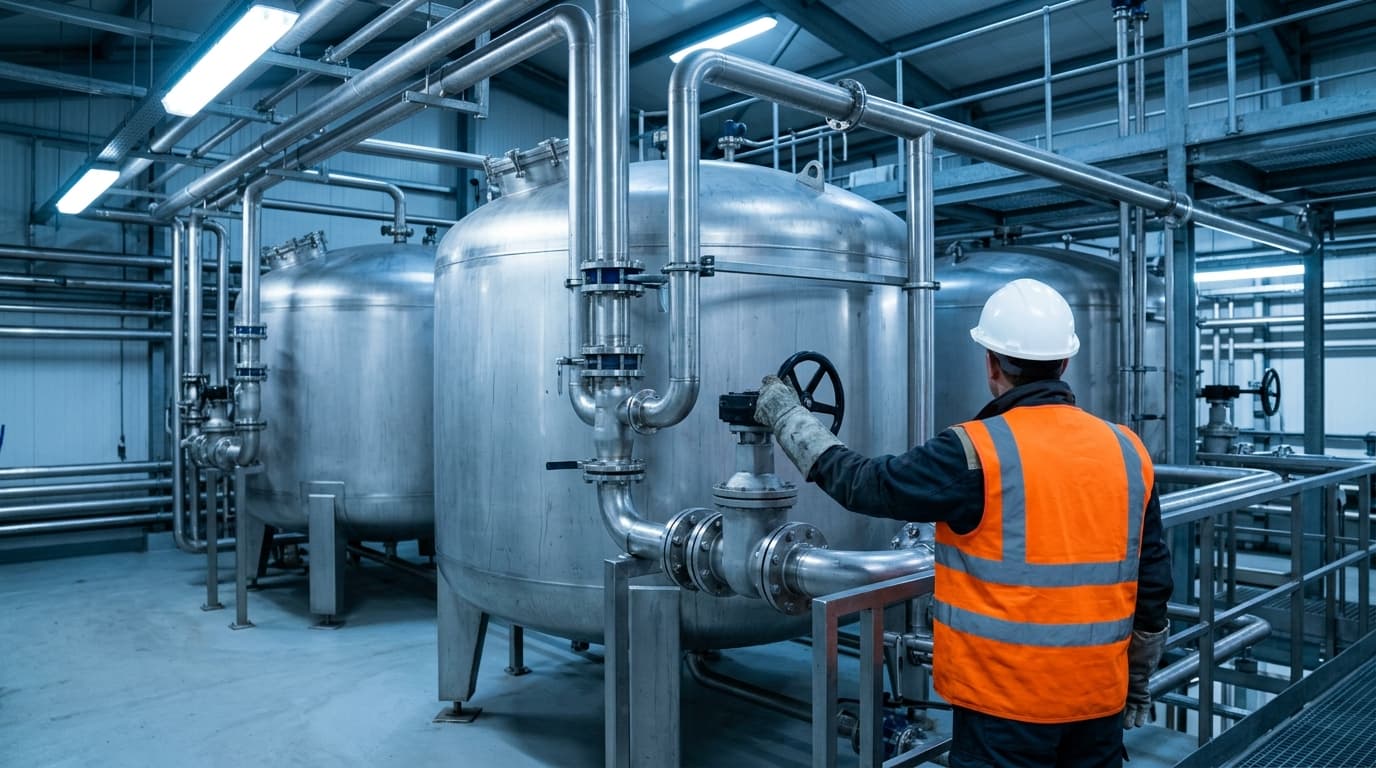
The raw material used to fluoridate tap water in the United States has been in short supply for more than half a year because of the war in the Middle East. Some areas lowered fluoride levels or stopped adding it altogether this spring, and in September new cities reported the same problem.
According to The Associated Press, several U.S. water utilities have faced supply disruptions of fluorosilicic acid, the raw material used for fluoridation, since April. Dan Hartnett, chief policy officer of the Association of Metropolitan Water Agencies (AMWA), said "there will likely be additional stressors placed on the supply chain, leading to shortages in additional communities," AP reported.
War Disrupts the Chemical Supply
Fluorosilicic acid is a compound added to tap water in only trace amounts to prevent tooth decay. According to the U.S. Environmental Protection Agency, Israel is one of the world's top exporters and the United States is a major importer. One Israeli producer saw output fall after many of its employees were called up as military reservists, and the effect fed straight through to U.S. tap water. WSSC Water in Maryland, which supplies 1.9 million people, lowered its fluoride level from the recommended 0.7 milligrams per liter to 0.4 milligrams per liter on April 7. The borough of Lititz, Pennsylvania, said it halted fluoridation altogether for several weeks.
A Shortage That Has Lasted Over Half a Year
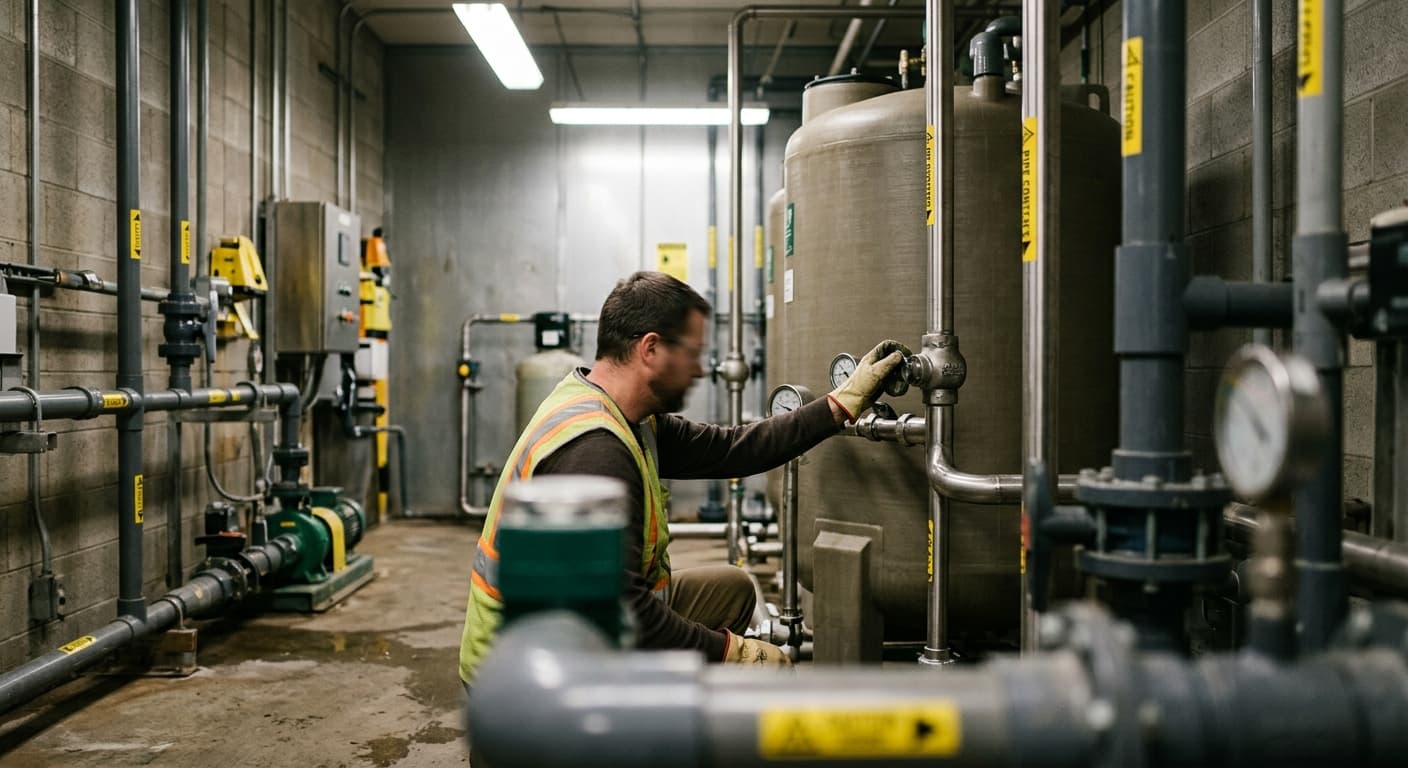
The shortage did not end with spring. According to local media reports, Shreveport, Louisiana, ran out of stock in late August and halted fluoridation, resuming only at a lower concentration after receiving a new shipment. Central Arkansas Water, which supplies Little Rock, Arkansas, reported the same problem starting in September.
Layered Onto an Already Unstable Policy
This shortage has hit at a time when the debate over water fluoridation in the United States was already intensifying. U.S. Health Secretary Robert F. Kennedy Jr. has repeatedly questioned fluoride's safety and restricted the use of fluoride in dental care. Last year, Utah became the first U.S. state to pass a law banning public water fluoridation, and Florida followed. Dr. Scott Tomar, a community water fluoridation expert with the American Dental Association, said that below about 0.5 milligrams per liter you likely won't see a preventive effect, but that a temporary drop lasting a few months should not be a problem for most people. Still, research from places that stopped fluoridation entirely, such as Calgary, Juneau and Israel, shows the effects emerged over years, with children whose teeth were still developing affected first.
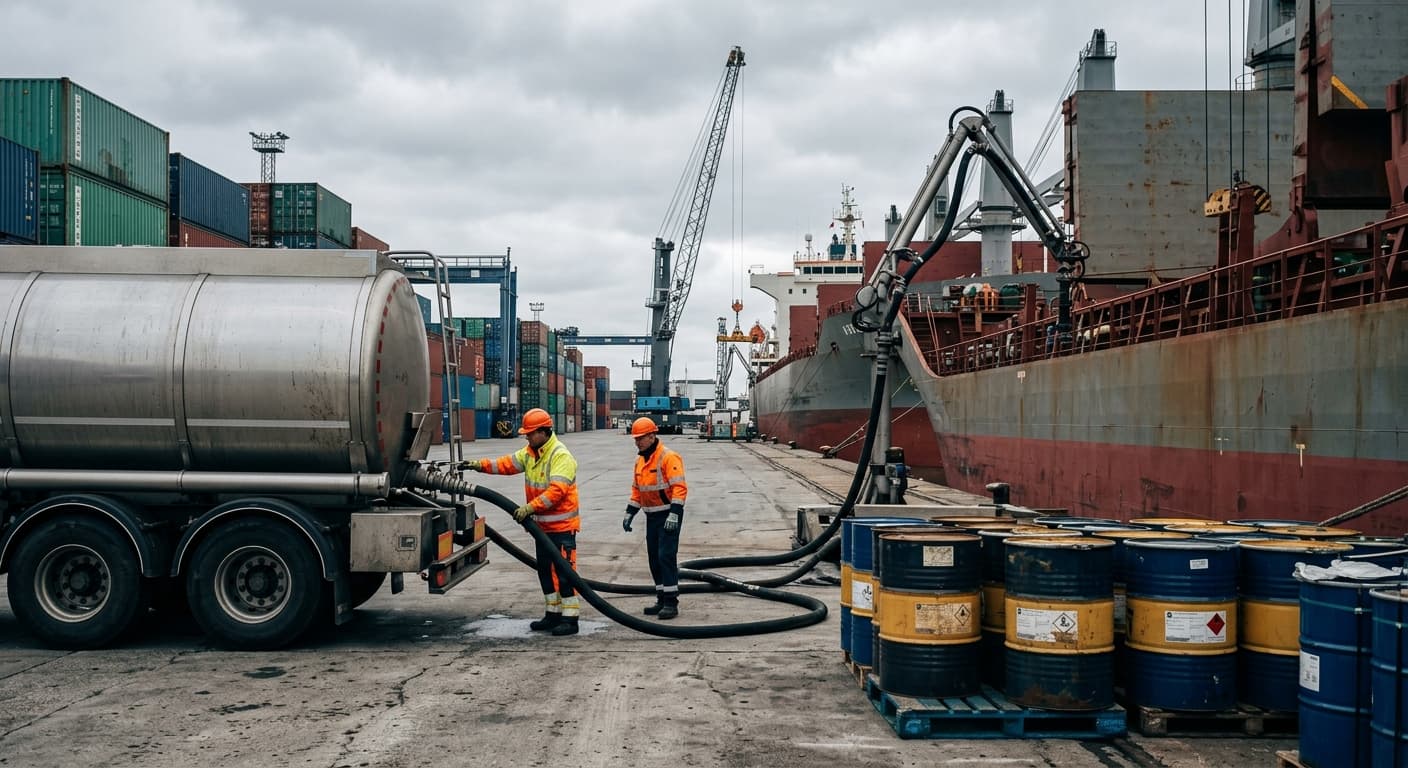
South Korea never had many regions practicing water fluoridation to begin with. The Ministry of Health and Welfare runs the program under the Oral Health Act and the National Health Promotion Act, with a target concentration of 0.8 milligrams per liter. But the program, which began in Cheongju, North Chungcheong Province, in the 1980s, has seen participation shrink sharply from its early years as local governments split over whether to continue it, and today it operates at only a small number of water treatment plants. Unlike the United States, where a disruption to raw material supply immediately threatens the preventive effect, South Korea relies on tap water fluoridation for only a small share of its population to begin with, so a disruption like this one would not have nearly the same impact.