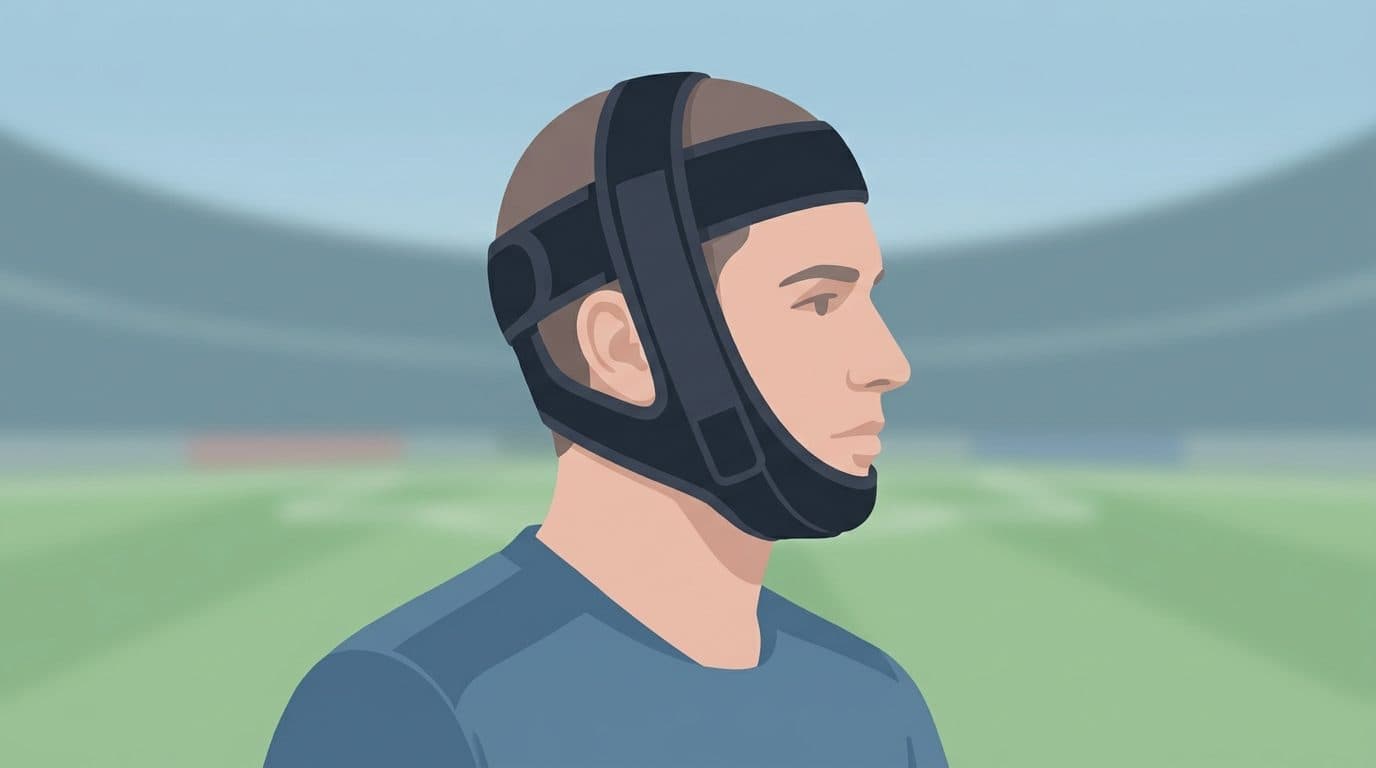
Two soccer players with fractured jaws returned to the 2026 World Cup field with nothing but a headgear brace, without surgery or having their teeth wired shut.
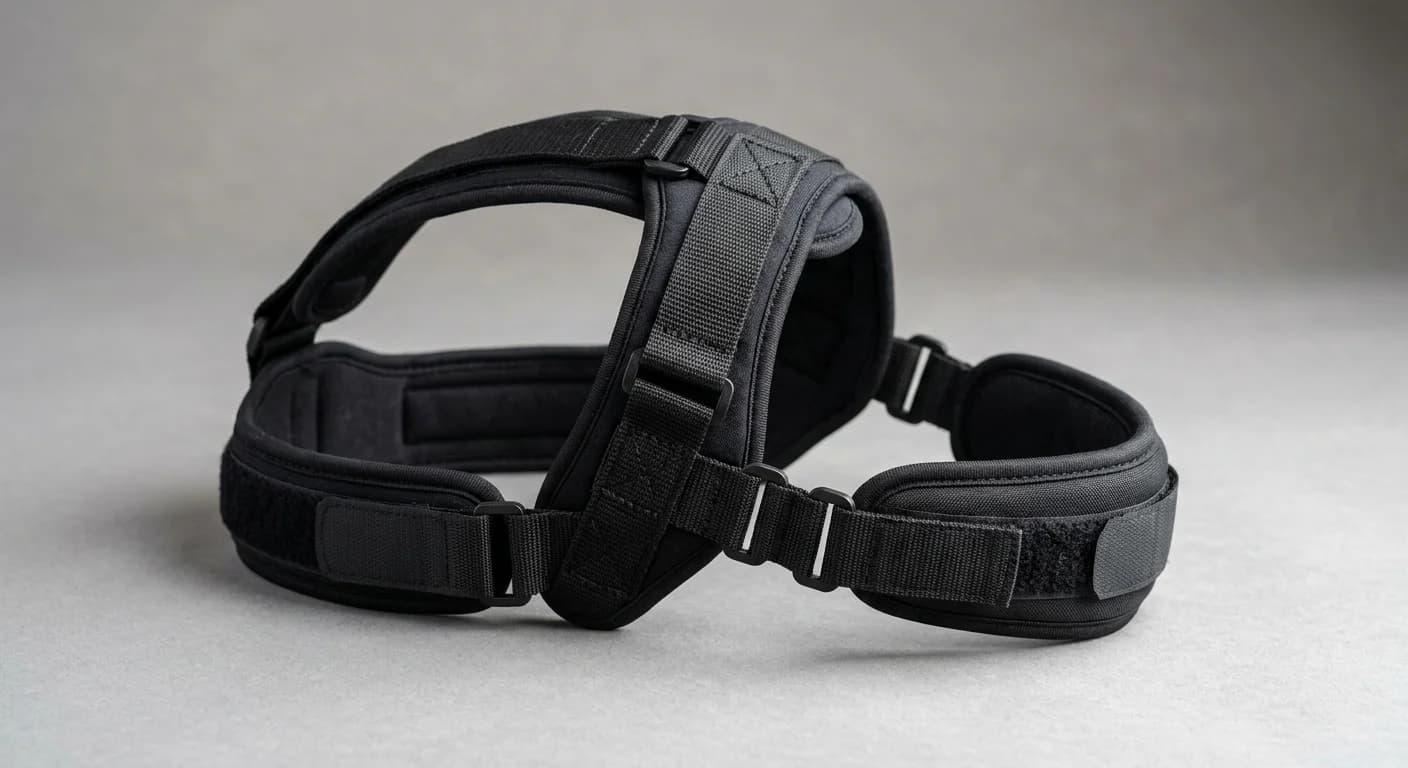
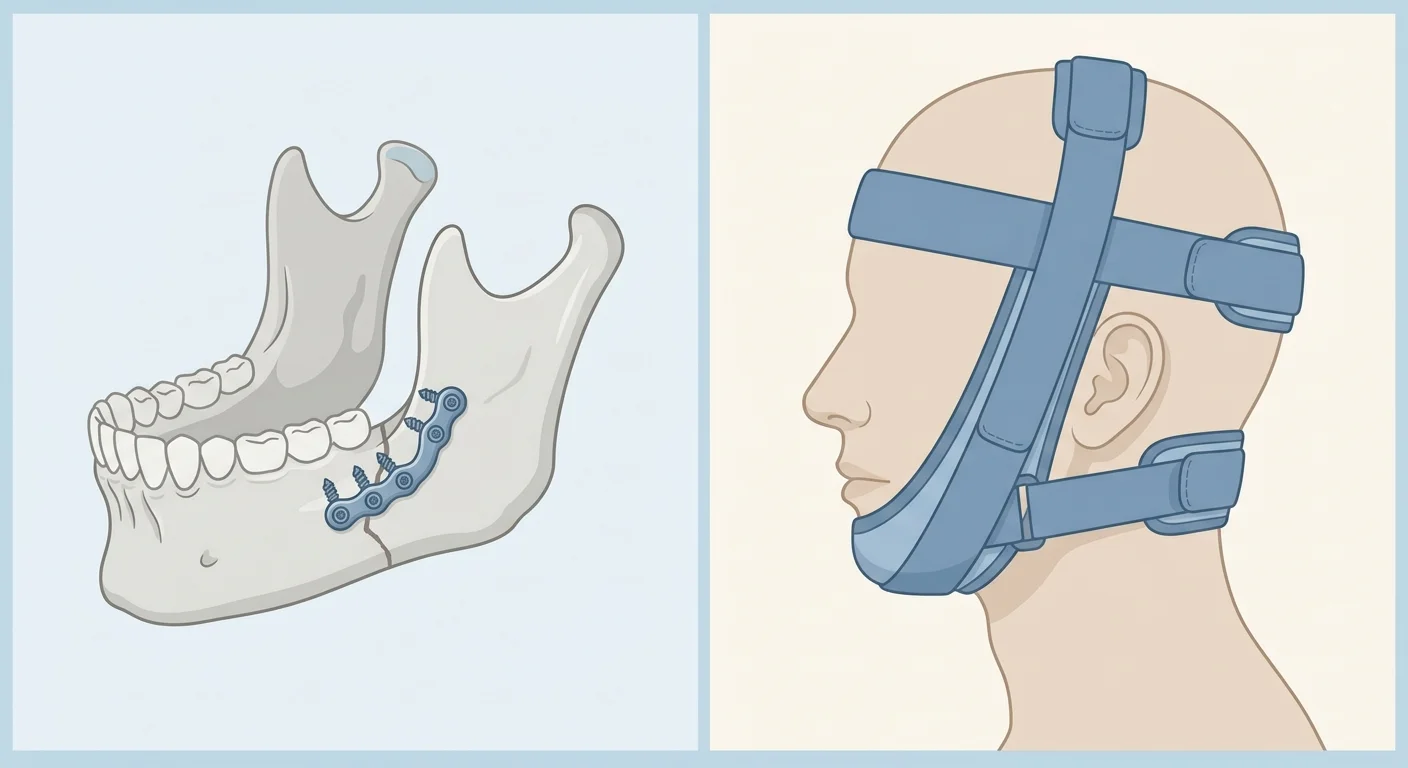
According to The Associated Press, Austria defender Stefan Posch and England defender Djed Spence wore black jaw braces and kept playing throughout the tournament. The custom-made devices wrap straps around the back of the neck, over the top of the head and under the chin to support the jawbone.
Players Who Chose a Brace Over Surgery
Spence fractured his jaw when he took an elbow to the face going up for a header in one of Tottenham's final matches of the Premier League season. Surgery could have put his World Cup spot at risk, so he chose the brace instead. Before the tournament, he called it uncomfortable but necessary. "Luckily I play football with my feet and not my jaw. So I was all good," he said. He has played in all four of England's World Cup matches so far and started the round of 32 win over Congo.
Posch injured his jaw in a collision with an opposing player in Austria's World Cup group-stage opener against Jordan. Austria feared he would miss the rest of the tournament, but after two trips to Los Angeles to be fitted for the brace, Posch was back in time for the next match against Argentina.
How the Jaw Brace Differs From a Nose Mask
Players covering an injured face to keep playing is nothing new. Kylian Mbappé wore a mask after breaking his nose in the opening match of Euro 2024. Former Czech Republic national team goalkeeper Petr Cech wore a helmet for years after a skull injury. A broken nose or cheekbone is a fixed bone that can simply be shielded from outside, but the lower jaw is a joint that moves every time a person speaks or chews, so the same approach does not work.
In Korea, mandible (lower jaw bone) fractures are usually treated in one of two ways. If the bone is only cracked and barely displaced, the upper and lower teeth are wired together to hold the jaw in place. If the bone is significantly displaced, surgery exposes the bone and fixes it with a metal plate and screws. With either method, patients cannot open their mouths wide or eat hard food for the 6 to 8 weeks it takes the bone to fully heal. The brace the players wore supports the jaw by wrapping around the outside of the head instead of wiring it shut from inside the mouth, opening a path back onto the field quickly without extraction or surgery. Even so, it does not let the jaw move freely, and everyday chewing and speech remain limited while wearing it.
A Custom External Jaw Brace Still Rare in Korea
In Korea, oral and maxillofacial surgery departments handle mandible fractures, and when the bone is significantly displaced, as in a traffic accident or collision, most cases are fixed with surgery using a metal plate. Even a relatively minor fracture requires wiring the teeth together for up to about four weeks, during which exercise, let alone normal eating, is difficult. Custom-made external jaw braces built for individual athletes are not yet widely used equipment in Korean hospitals or in school and amateur sports settings. This approach, which uses specially made equipment to get a player back on the field quickly without surgery, is therefore a departure from how jaw injuries are handled in Korean sports.