
Overview and Causes
A space between teeth
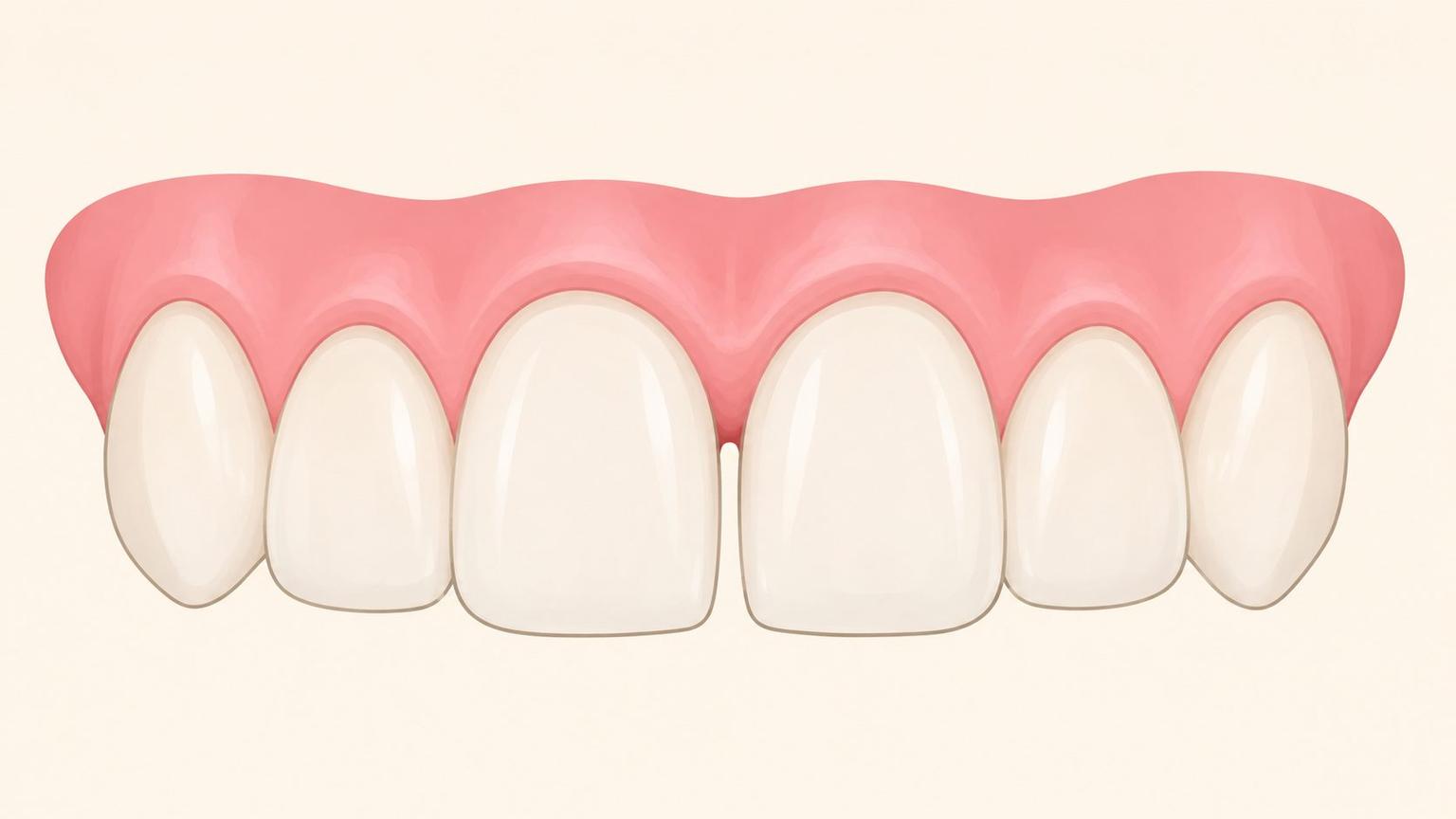
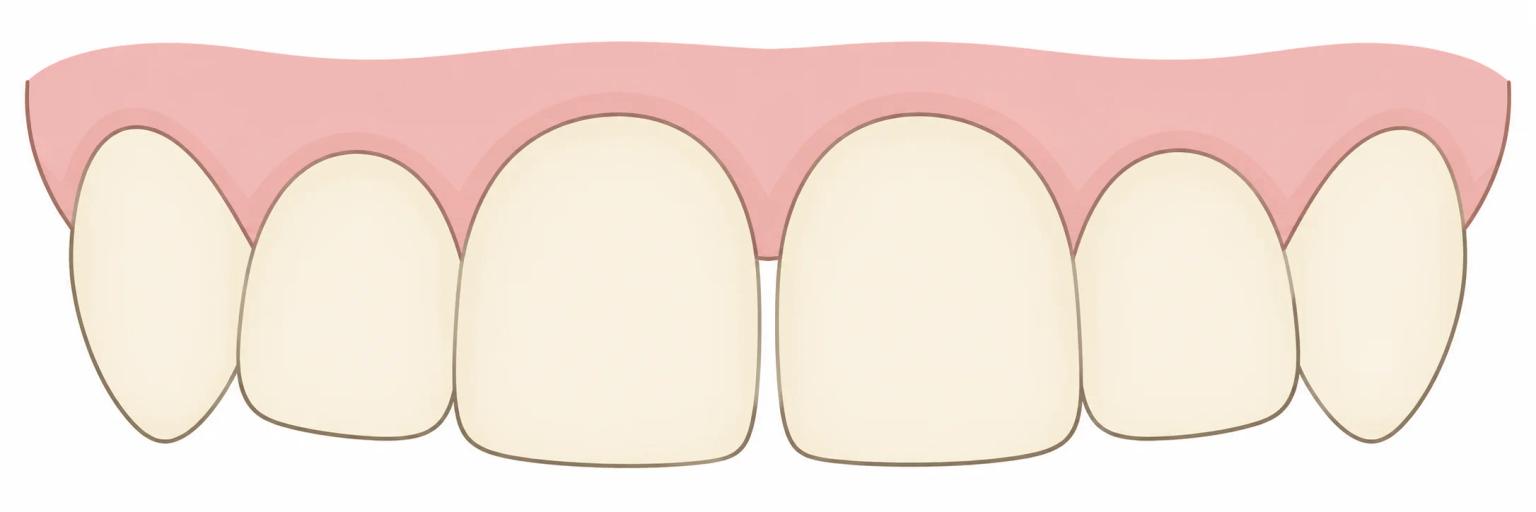
A diastema is a gap between neighboring teeth. It is particularly common between the two upper central incisors, where it is called a midline diastema. The way the space is closed depends on the cause and tooth alignment. If the teeth and gums are healthy and there are no functional problems, not every gap necessarily needs treatment.
Spaces can develop when teeth are small or congenitally missing, or when jaw size and tooth size do not match. Other causes include an abnormal attachment of the labial frenum, the tissue connecting the upper lip to the gums, and habits such as tongue thrusting or finger sucking. Hidden extra teeth and odontomas (masses made of dental tissue) also need to be checked for. Periodontitis can weaken the tissues supporting the teeth, allowing them to shift and gaps to develop.
Diagnosis and Treatment Path
Assessing the stage of growth and the cause
The cause is assessed by examining tooth size, number and alignment, the labial frenum, oral habits, and gum health together. In children, front-tooth gaps are evaluated in relation to age and tooth eruption as well as gap size. If a large gap, delayed eruption, or another finding raises concern, appropriate X-rays are used to check for extra teeth, odontomas, and other possible causes. Gap size alone does not determine the cause or treatment.
During the stage when both baby teeth and permanent teeth are present, a temporary gap may develop between the upper central incisors. A small gap of 2 mm or less with no other identifiable cause may naturally narrow or close as the lateral incisors and permanent canines erupt. Gaps larger than 2 mm are less likely to close naturally, so the cause is assessed and the gap is monitored. However, size alone does not determine whether treatment is needed. If extra teeth or eruption problems are present, treatment of the cause may be needed even before the canines erupt.
Closing the space according to the cause
Adding composite resin to the sides of the teeth can close a gap with little or no removal of tooth structure, although the material may chip, come off, or become discolored. Depending on tooth size and alignment, orthodontic treatment alone may close the space. If the teeth are small or their shape needs improvement, orthodontic treatment may first redistribute the space, followed by composite restorations. Veneers, which are thin restorations bonded to the tooth surface, are another option. Dentists who provide orthodontic treatment and tooth restorations assess which approach suits the alignment and shape of the teeth.
When spacing is caused by periodontitis, a dentist who treats periodontal disease addresses the inflammation first. Periodontal treatment alone may reduce the gap, and orthodontic and prosthodontic treatment are planned together for any remaining alignment problems. When the labial frenum is the cause, the recommended approach is to consider frenum surgery after closing the space with orthodontic treatment.
Symptoms and Precautions
Newly developing gaps and loose teeth
A diastema can cause concerns about appearance, such as a visible gap between the front teeth when smiling. When teeth shift because of periodontal disease, gaps may occur alongside loose teeth, rotation, or front teeth that flare forward or appear longer. If these changes develop, gum health should be checked before treatment to close the gap. Tooth movement caused by periodontal disease may worsen as the disease progresses.
Maintaining tooth shape and space closure after treatment
When closing a gap, the balance between tooth width and length is also considered. Restorations that are too bulky can irritate the gums. Spaces closed through orthodontic treatment can reopen, so retainer care after treatment is important. Fixed retainers bonded to the inner surfaces of the teeth or removable retainers are used according to the individual situation, with long-term care following the dentist’s instructions.