
Overview
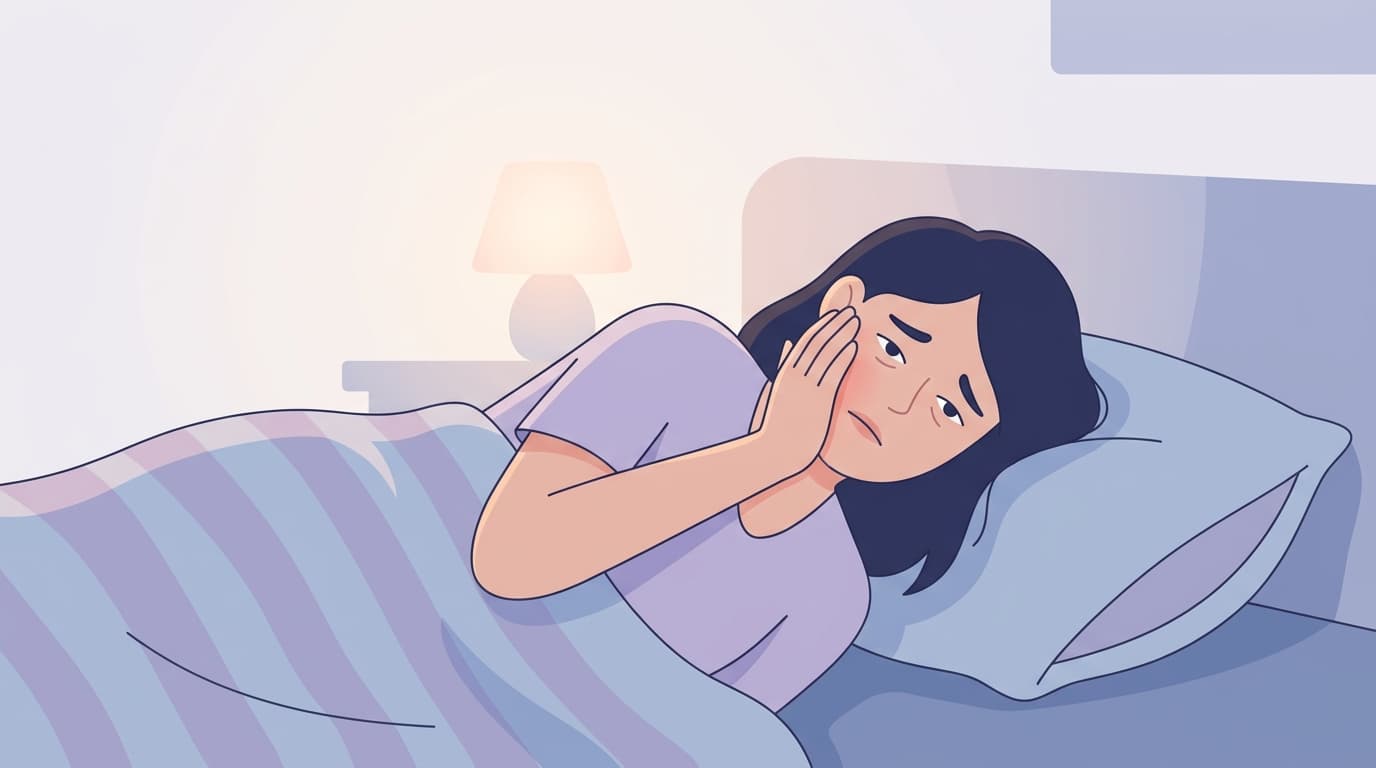
A tooth that throbs or aches even without a clear stimulus such as cold water or something sweet means the pain is arising on its own, with no obvious trigger. Unlike a brief twinge that occurs in response to something, the hallmark here is that the pain continues or keeps recurring even when nothing is happening to the tooth. It may come as a pulsing, throbbing sensation, and at times you can point to exactly which tooth hurts, while at other times it feels like a vague ache spreading across the whole jaw.
Causes
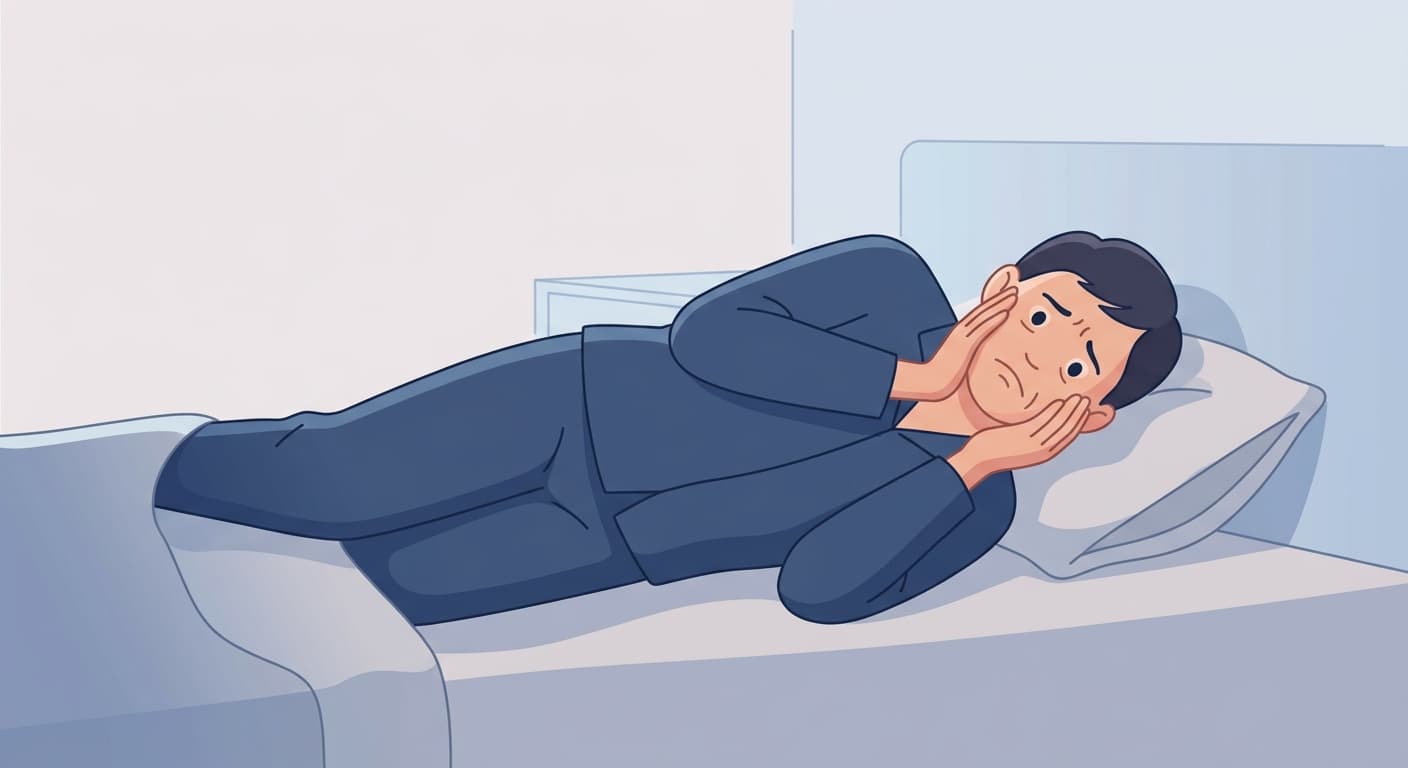
There are cases where a tooth throbs or aches without any clear stimulus like cold water or something sweet, with the pain starting on its own and lasting anywhere from a few minutes to several hours. The pain tends to worsen when you are still, especially when lying down or trying to sleep at night, and it may not ease much even after taking a painkiller. This pattern occurs because inflammation progresses in the nerve tissue inside the tooth while it is confined within a narrow space; as the internal pressure rises, pain signals can arise on their own even without any external stimulus. You can read more in the article on pulpitis (nerve inflammation).
Check Yourself
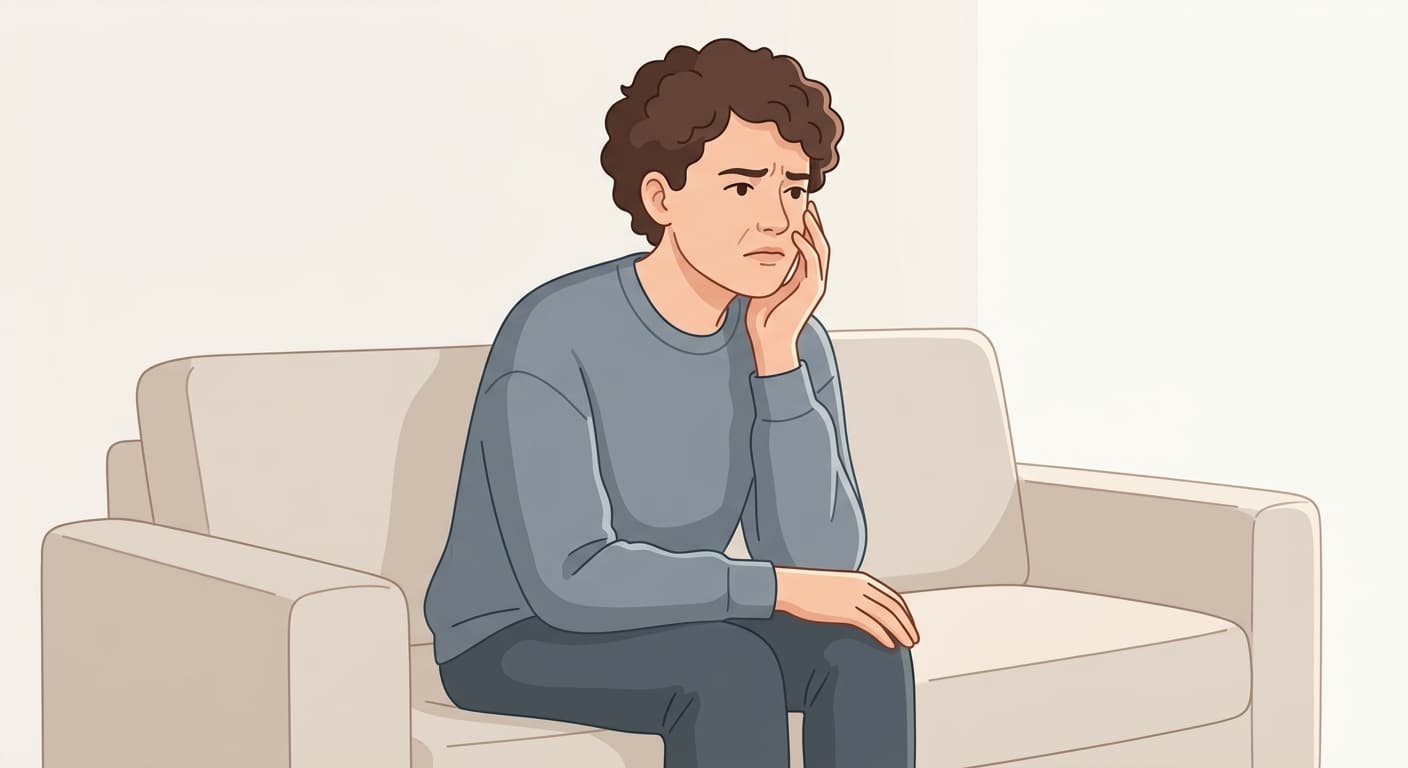
Checking a few points can help you tell which type of pain you are experiencing. Notice whether the pain appears only briefly when you eat something cold or sweet and then fades quickly, or whether it starts on its own with no trigger and lingers for a while. Whether the pain worsens at night rather than during the day, especially when lying down, is another important clue. Finally, check whether you can point to exactly which tooth hurts with your finger, or whether the ache feels vague, spreading across the whole jaw.
When to See a Dentist
Pain that arises on its own without any stimulus, especially pain severe enough to wake you at night, is a sign that you should not delay seeing a dentist. If the pain lasts more than a day or does not ease much even with painkillers, you should see a dentist as soon as possible. On the other hand, if it is only a brief twinge triggered by a specific stimulus that fades quickly, it may be reasonable to watch it for a few days.
Treatment & Where to Go
Treatment depends on the underlying cause, and an accurate diagnosis can only be confirmed at a dental clinic. If the cause is inflammation of the nerve tissue, root canal treatment (nerve treatment) may be needed. This treatment is generally handled by a dentist who performs root canal treatment. You can find more details on the treatment process in the article about the underlying condition.
Outlook & Precautions
If throbbing pain that arises without a stimulus is left untreated, symptoms may gradually worsen or the pain may occur more often at night. Even if the pain eases on its own, that does not necessarily mean the underlying cause has resolved, so you should not delay seeing a dentist just because the pain has lessened. At home, manage it only by avoiding hot or cold stimuli and not chewing on the affected side, and rather than repeatedly relying on painkillers over a long period, see a dentist as soon as possible.