Question
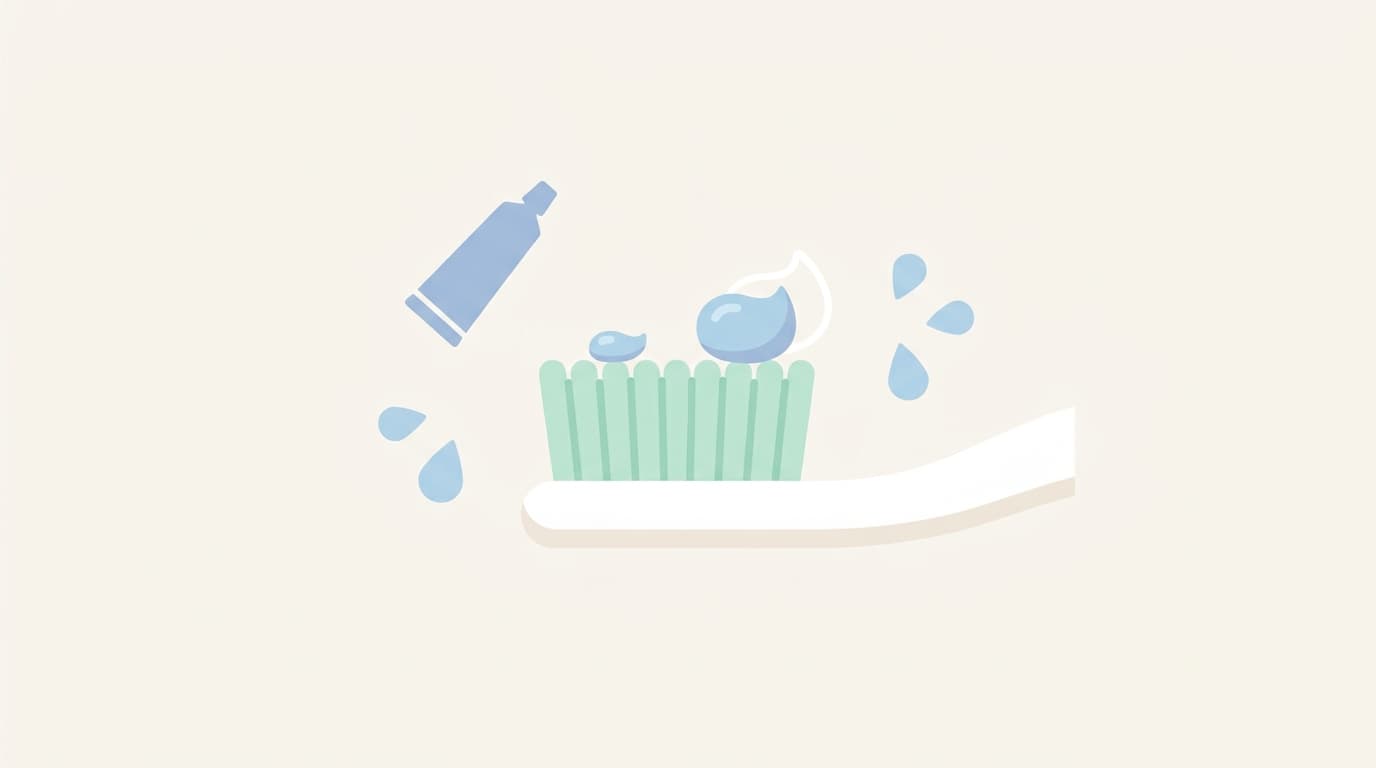
Young children often can't spit out toothpaste completely while brushing and end up swallowing what's in their mouth. This makes caregivers wonder whether it's still appropriate to keep using fluoride toothpaste, and whether swallowing fluoride could cause any problems.
Short Answer
Fluoride toothpaste can still be used for a child who swallows it. The conditions are that the amount of toothpaste is limited according to the child's age and that a caregiver directly guides or supervises brushing. The standard way fluoride toothpaste is meant to be used already assumes that "it is difficult to completely prevent a young child from swallowing it," so only a small amount safe enough to swallow is applied in the first place. Swallowing some toothpaste is not itself an immediate concern; the only thing to watch for is dental fluorosis, a discoloration that can occur when a child takes in a large amount of fluoride consistently over the period when the teeth are forming.
Why Is That?
Why the Amount of Toothpaste Is Limited by Age
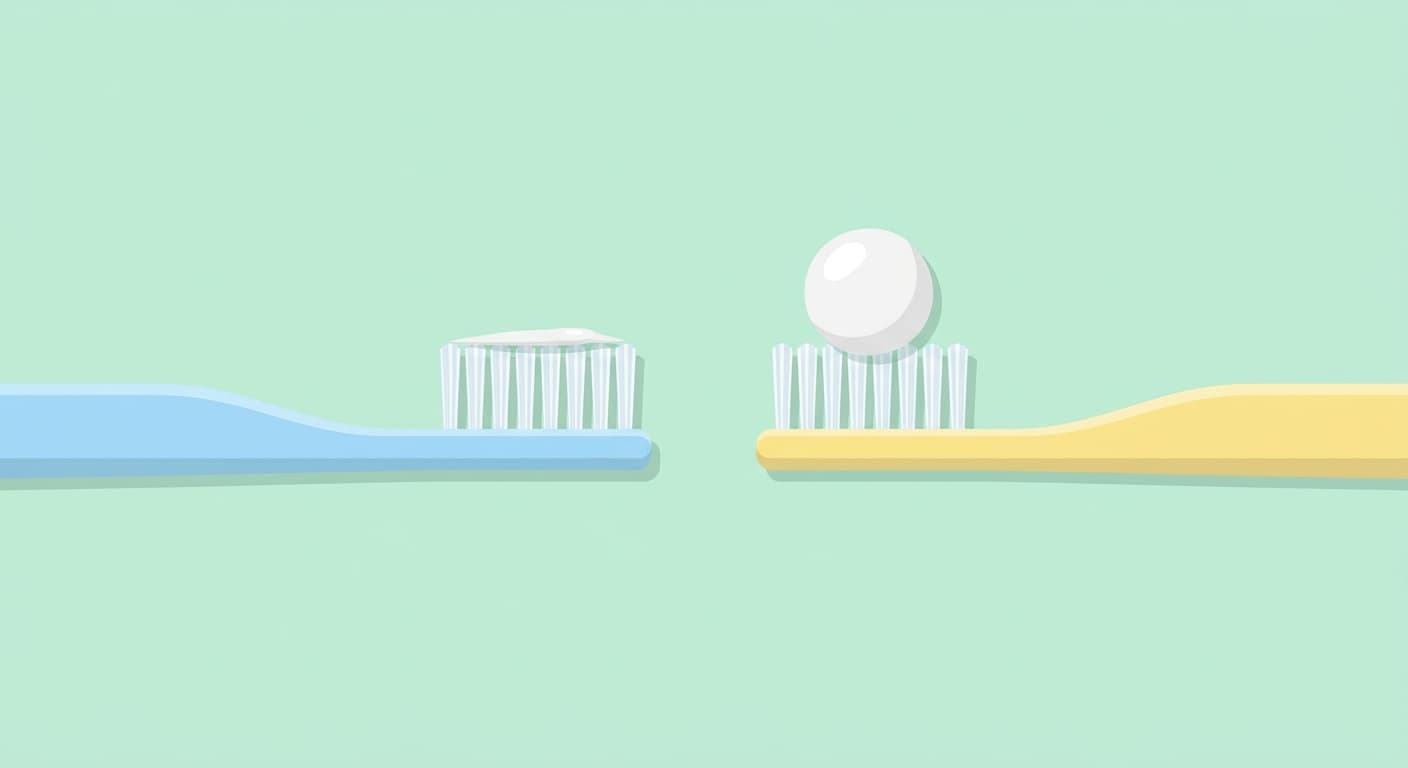
Fluoride toothpaste is a leading preventive tool that maintains fluoride concentration on the tooth surface with each brushing, helping prevent enamel demineralization (the loss of minerals from the tooth) and promote remineralization (the process by which lost minerals are restored). To get this benefit, using it twice a day is recommended. The issue is that younger children are less able to spit out toothpaste completely after brushing. For this reason, the instructions for using toothpaste itself are set to limit the amount by age. For children aged 3 and under, it's appropriate to use only a rice-grain-sized amount lightly applied to the bristles, and for children over 3, a pea-sized amount. At this amount, even if some is swallowed during brushing, the standard is designed so the total amount of fluoride entering the body does not increase significantly.
When Swallowing Actually Becomes a Problem: Dental Fluorosis
The real concern with swallowing toothpaste is dental fluorosis (mottled enamel). This is a discoloration that occurs when fluoride enters the body systemically in excess while the teeth are still forming beneath the gums, affecting the process of enamel formation. Its severity is determined less by how much is swallowed at once than by the combination of total intake, duration, and the timing of exposure. This risk is known to rise noticeably when a child around 1 to 3 years old repeatedly swallows toothpaste in large amounts, which is exactly why using a small amount like a rice grain and providing guidance is emphasized for children in this age range. Occasionally swallowing some of the prescribed small amount is already accounted for within this standard.
Even when dental fluorosis does occur, it commonly appears as a mild case where the tooth surface looks whitish and hazy or light brown, and when the discoloration is shallow, it can be improved with microabrasion, which smooths the tooth surface, or with tooth whitening.
What Caregivers Need to Do Too
Even with a set amount, it is ultimately up to the caregiver to make sure that amount is followed and to help the child spit it out after brushing. Preschool-age children often cannot judge the right amount themselves or spit it out thoroughly, so it's recommended that a caregiver brush the child's teeth directly twice a day, with children guided to brush on their own only once they reach elementary school age. The key to using fluoride toothpaste safely is for the caregiver to adjust the amount dispensed according to the child's age and to stay nearby during brushing, encouraging the child to spit it out rather than swallow it.
Separate from toothpaste use, the need for and frequency of professional fluoride application at the dentist's office is determined by a cavity risk assessment, which is applied differently from the fluoride toothpaste used daily at home. This standard is covered in more detail in How Is It Decided Whether a Child Needs Fluoride Varnish?.