

A small county in the U.S. state of Michigan has put the brakes on a water fluoridation practice that has continued for more than 80 years, and the dispute has escalated into dentists driving in from out of town to object.
According to reporting from local outlet Bridge Michigan, picked up by the Associated Press, the trigger was Dr. Remington Nevin, the medical director of St. Clair County.
Nevin's Fluoridation Halt Recommendation and Other Proposals
Nevin has described the state health department as "full of degenerates" with an "evil" agenda. In recent months he has pushed a string of proposals through local boards: recommending an end to water fluoridation, making it easier for parents to opt their children out of vaccines, and scaling back school health clinic services. He also had a hand in an ordinance declaring solar farms a possible "threat to public health." Most local officials in the county, home to 160,000 residents, have gone along with his recommendations. Nevin maintains that these decisions reflect the community's values, and says he doesn't mind being compared to U.S. Health and Human Services Secretary Robert F. Kennedy Jr.

Dentists' Opposition and the State of Fluoridation in the U.S. and Korea
Opposition From Local Dentists and the AAP
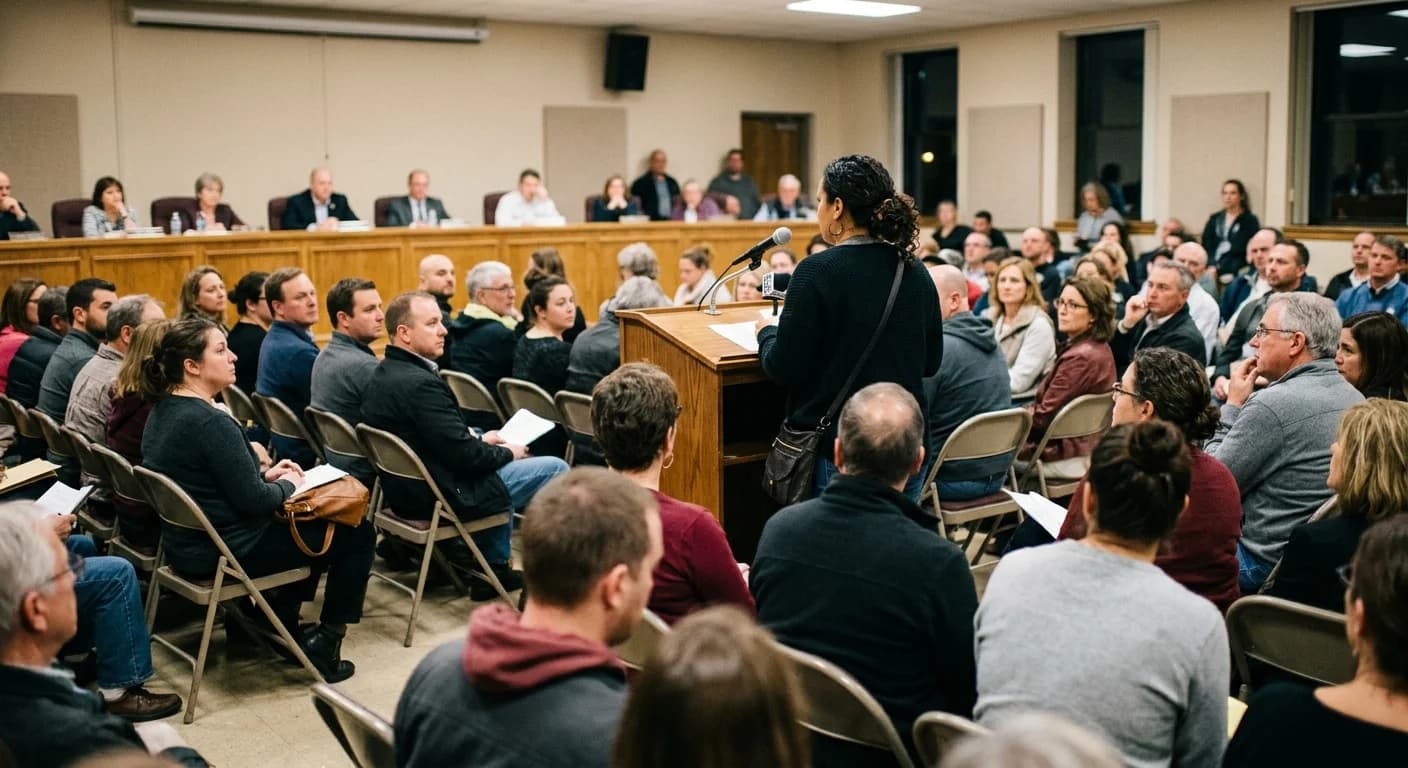
Adding fluoride to drinking water began in the United States in Grand Rapids, Michigan, in 1945. Today, three-quarters of the U.S. population drinks fluoridated tap water, and the Centers for Disease Control and Prevention counts it among the greatest public health achievements of the 20th century. Even so, the St. Clair County health advisory board sided with Nevin's position last October. The president of the American Academy of Pediatrics sent a letter reminding the county of the prevalence of childhood tooth decay and the effectiveness and safety of community water fluoridation. Several dentists from metro Detroit drove up in person to voice their opposition. "It doesn't matter what we say, or the volume of people that are educated that are bringing resources are saying," said retired dentist Randa Jundi-Samman. "There's always misinformation in the world, no matter where you go and what community you live in."
The 2019 Toxicology Study and the Scientific Mainstream
The debate is also fueled by a 2019 study from the U.S. National Toxicology Program, which concluded that exposure to excessive amounts of fluoride could cause neurodevelopmental problems, prompting a federal review of fluoride standards. That study, however, assumed exposure levels far above the concentrations typically added to drinking water, and the scientific mainstream still holds that fluoridation at current levels is safe.
Fluoride Bans and Restrictions Across the U.S.
The dispute in this one county is also a microcosm of a broader national trend. According to a separate AP investigation last October, groups aligned with Secretary Kennedy have pushed more than 70 bills nationwide to ban or restrict fluoride. Utah and Florida outright banned water fluoridation by law last year.
This publication covered the U.S. fluoride shortage back in April, a story about how the war in the Middle East had cut off imports of fluoride raw materials. St. Clair County's case is different: it's not about raw material supply but a local political fight over the policy itself.
The End of Korea's Water Fluoridation Program
South Korea finds this kind of debate unfamiliar territory. The country's water fluoridation program, which began in 1981, had already shrunk to 15 treatment plants across 13 cities and counties by 2016, before being discontinued completely nationwide in December 2018, 38 years after it started. Unlike the U.S., where a single county is now fighting to stop fluoridation, South Korea has had no municipality adding fluoride to its tap water for several years now. Instead, the country's approach to cavity prevention has long since shifted toward individual-level measures such as fluoride mouth rinse programs at schools, in-office fluoride treatments, and dental sealants.