
Overview
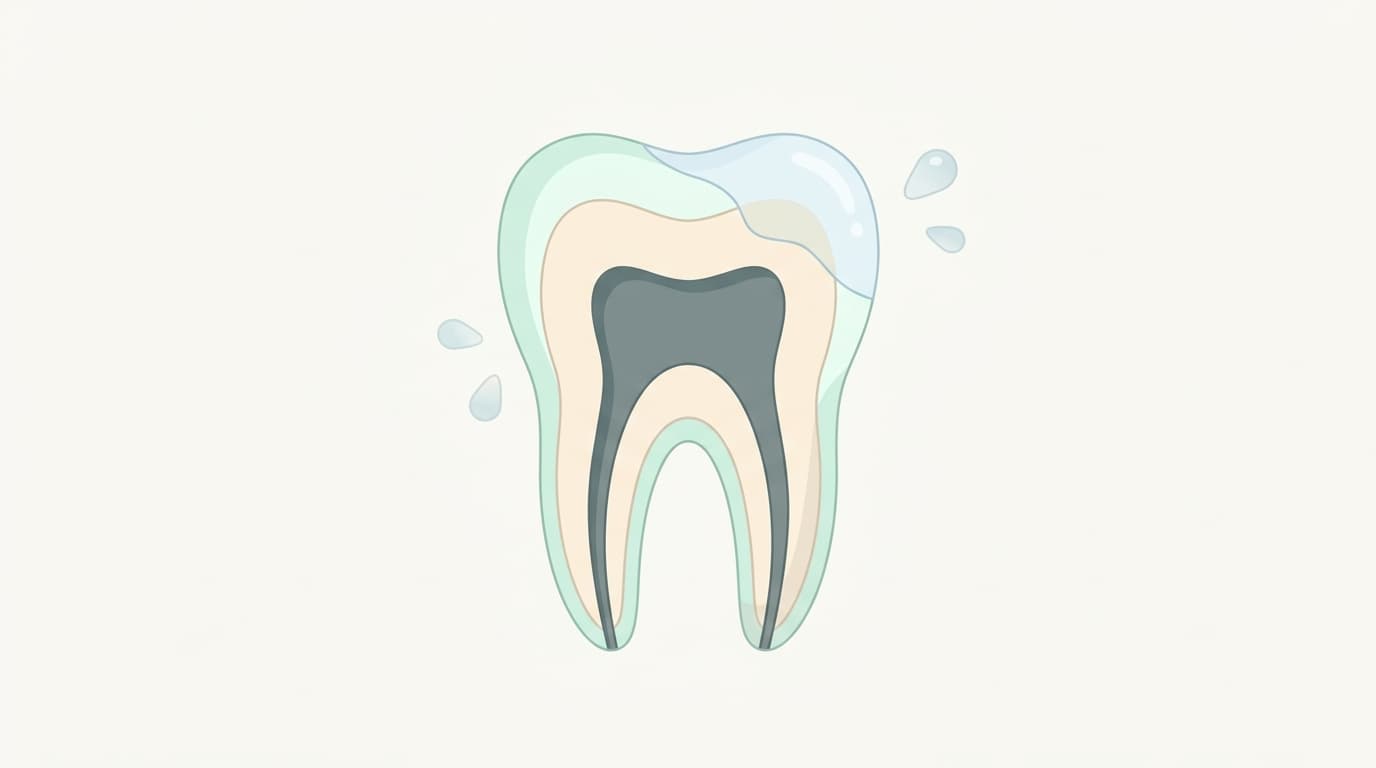
Dental erosion (chemical damage to tooth structure caused by acid) is irreversible damage in which enamel and dentin are chemically weakened and lost after acidic drinks or stomach acid come into direct contact with the tooth, rather than from bacteria. The damage can progress faster when the tooth is exposed to acid frequently or for long periods, or when mechanical friction such as toothbrushing is added on top of that.
Causes
Extrinsic causes are acids that come from outside the body, such as carbonated drinks and fruit juice, while intrinsic causes are acids that rise up from within the body, such as acid reflux or repeated vomiting. When saliva flow decreases and the mouth's ability to rinse away and neutralize acid weakens, the damage can progress more easily.
Symptoms
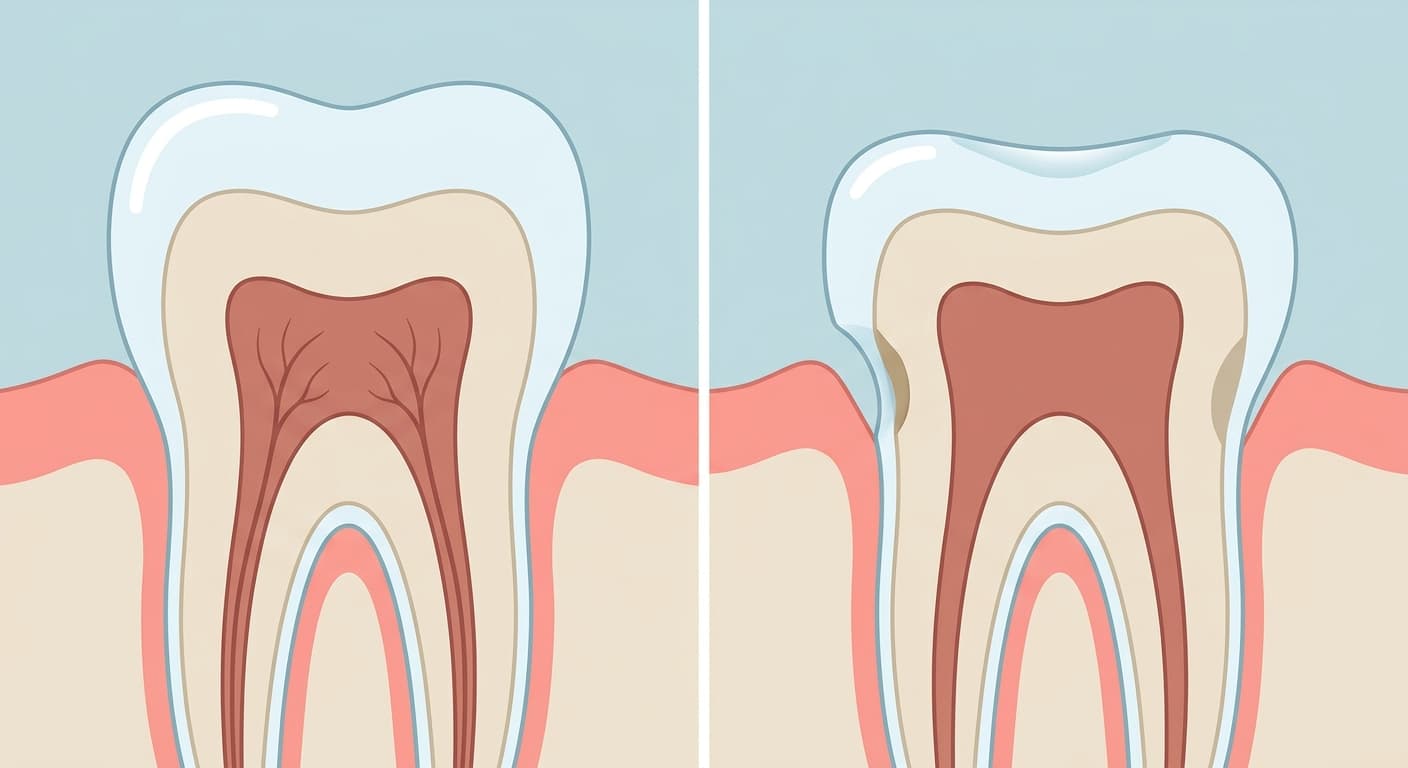
In the early stages, the natural texture of the enamel surface disappears and the tooth can look smooth and glossy. As it progresses, the edges of the front teeth can thin and become translucent, and shallow, broad concave defects can form on tooth surfaces or chewing surfaces. If dentin becomes exposed, sensitivity to cold water or sour foods can occur, but the condition can also progress without pain.
Diagnosis
Diagnosis begins with a history-taking to check for acidic drink consumption or a history of acid reflux or vomiting, together with an evaluation of the location, distribution, shape, and extent of the damage. Shallow, broad defects on the cheek- or lip-facing surfaces can suggest extrinsic acid, while flattened wear on the palate-facing surfaces can suggest exposure to stomach acid, but the cause is not determined from a single finding alone.
Treatment & Where to Go
Dental erosion is managed by a dentist who provides restorative dental treatment. Treatment focuses on reducing acid exposure, and if acid reflux or repeated vomiting is present, the underlying cause is managed together with the relevant medical department. In the early stages, remineralizing agents such as fluoride can strengthen the remaining tooth structure and ease sensitivity, helping to hold the damage in place. If the shape or function of the tooth is affected or sensitivity persists, restorative treatment is performed, and root canal treatment may be needed if pulp damage is confirmed.
Outlook & Precautions
Without management, the tooth can gradually thin, leading to sensitivity or problems with shape and function, and in very severe cases the damage can reach close to the pulp. Right after having an acidic drink or sour food, it's best to avoid brushing and instead rinse with water first, then brush with fluoride toothpaste after giving the tooth surface time to harden again.