
Overview
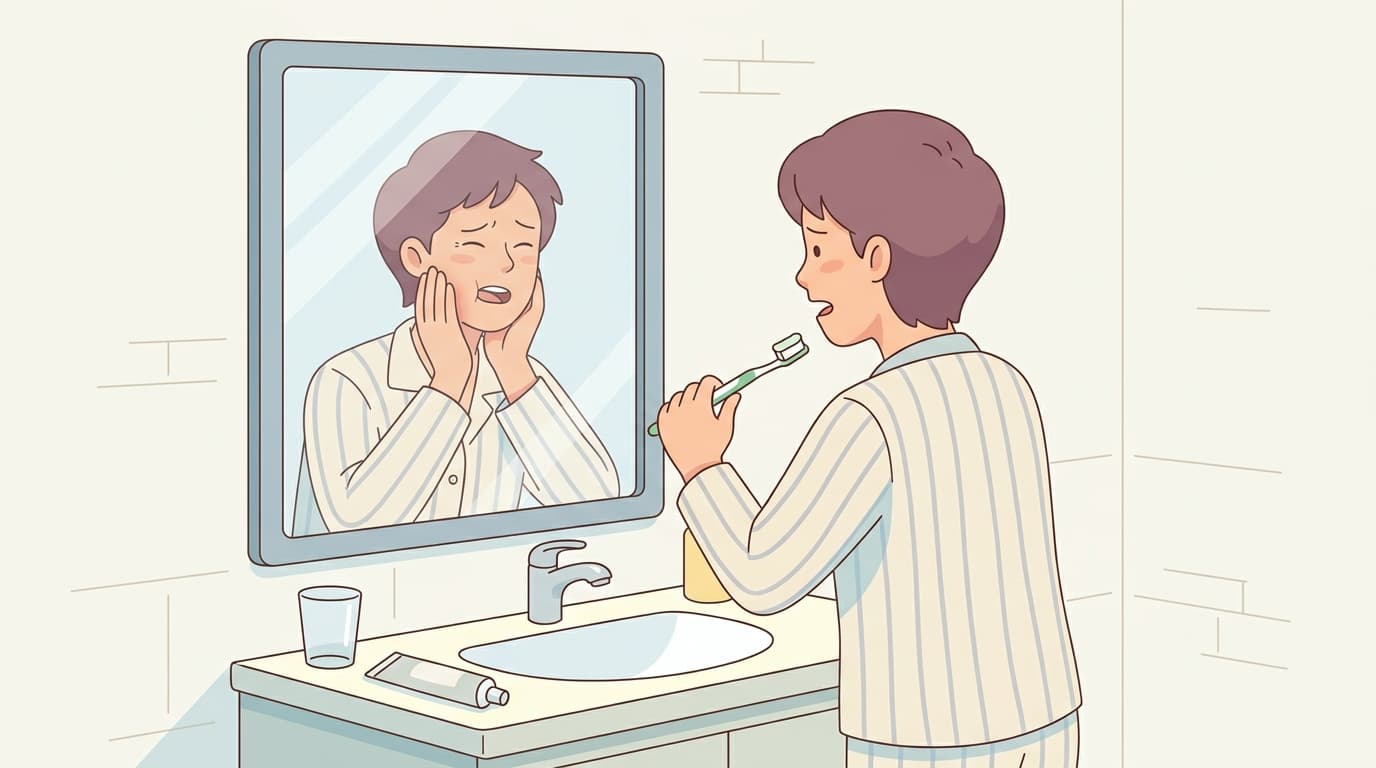
Tooth sensitivity while brushing refers to a short, sharp pain or tingling sensation that flashes the instant the bristles touch the tooth surface. In most cases the pain subsides as soon as the stimulus is removed, but which tooth is affected and how the sensation appears differs from person to person. In some cases, the outer surface of a tooth near the gumline is unusually sensitive; in others, the same one or two teeth are affected repeatedly. This sensitivity commonly occurs when dentin (the tissue beneath the enamel) inside the tooth is exposed directly to stimulation, but since there is more than one possible cause, it helps to look at the circumstances in which the sensitivity occurs.
Causes
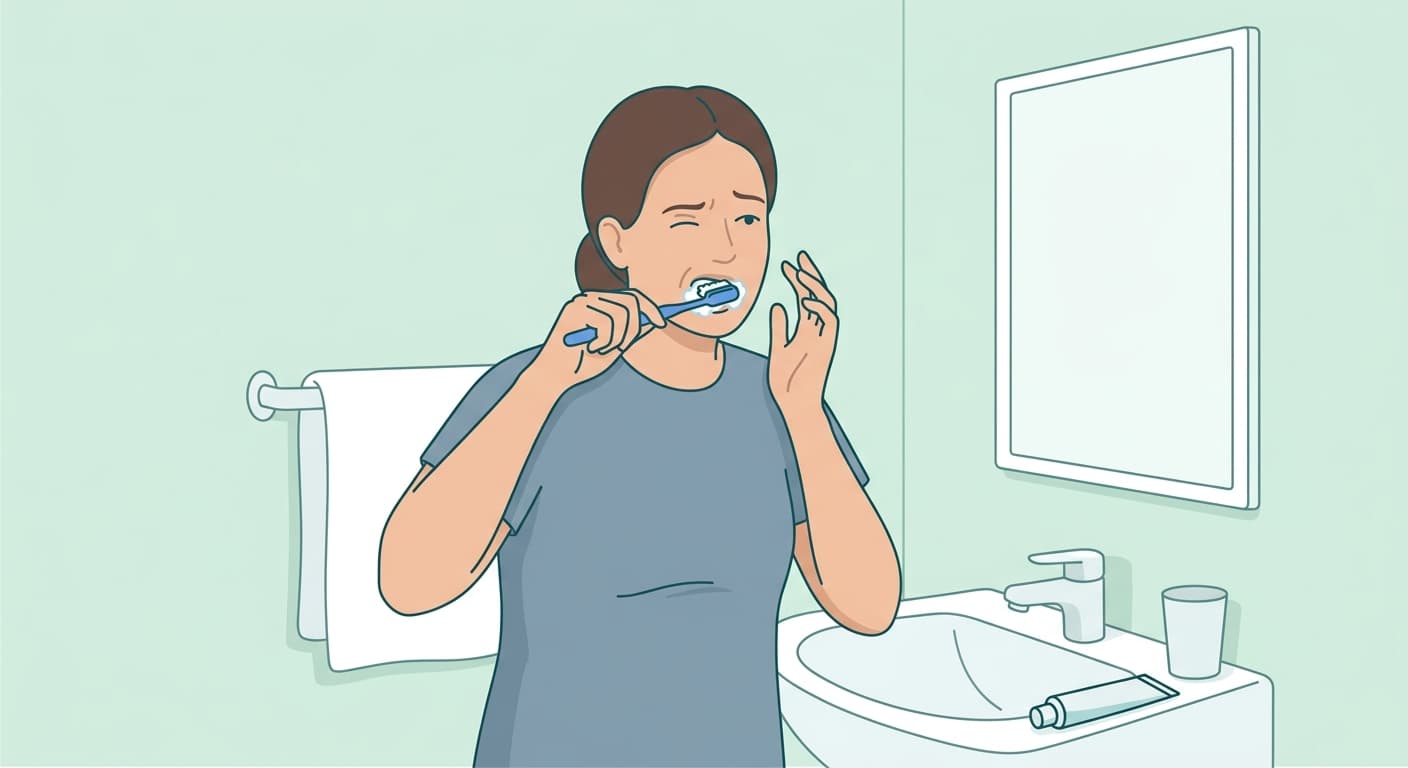
If the pain is brief and sharp only at the instant the brush touches the tooth, and it subsides as soon as the stimulus stops, exposed dentin is a common cause. When the gums recede or a habit of brushing too hard wears down the tooth surface, the dentin underneath becomes exposed, and stimulation reaches the nerve directly. You can read more in the article on dentin hypersensitivity.
If the same tooth also becomes sensitive repeatedly to cold or sweet foods, not just brushing, and a white or brown spot is visible on the surface, damage may already be underway. When bacteria break down sugars into acid that dissolves the tooth surface and reaches the dentin beneath, the same stimulus can trigger a sensitive sensation. You can read more in the article on dental caries (cavities).
Check Yourself
When checking yourself, first note whether the sensitivity is in one spot or several. If only one spot near the gumline is sensitive, an exposed area there is a common explanation; if several teeth or the areas between teeth are also sensitive, other possibilities should be considered as well. Whether the pain subsides immediately once the stimulus is removed, or lingers over time, is another important clue. Using a mirror, check whether the gums have receded compared to before, and look for any white, brown, or black discoloration, or a visible hole, on the tooth surface.
When to See a Dentist
If the sensation is brief and fleeting, and can be monitored simply by changing your brushing habits, seeing a dentist right away may not be urgent. However, if the sensitivity lingers, or if a new throbbing pain appears on its own without any stimulus, you should not delay and should see a dentist. The same applies if there is a visible hole or a brown or black discoloration on the tooth surface. A reduction in pain does not necessarily mean the problem has resolved on its own, so if symptoms persist, it is safer to get it checked.
Treatment & Where to Go
The approach depends on the cause. If the sensitivity is due to exposed dentin, desensitizing toothpaste or a dental coating or filling procedure can reduce the symptoms. If the tooth has been damaged by acid produced by bacteria, remineralization treatment alone may be enough in the early stages, but if the damage has progressed, the damaged area will need to be removed and filled. In both cases, treatment begins with a dentist who performs restorative (conservative) dentistry, and the appropriate treatment is determined through an examination.
Outlook & Precautions
If the underlying habit or damage is left unaddressed, the sensitive area can widen and the symptoms can worsen. At home, it helps to brush gently with a soft-bristled brush and to avoid brushing immediately after eating sweet or acidic foods. Desensitizing toothpaste needs to be used consistently for days to weeks before it takes effect, so it is best not to stop just because it doesn't work right away. On the other hand, leaving the issue undiagnosed for a long time, or enduring the pain while scrubbing hard, should be avoided.