
Research continues into ways to cut down on the opioid painkillers patients take for several days after having their wisdom teeth pulled. Recent clinical trials and meta-analyses have found that adding liposomal bupivacaine, a formulation that traps anesthetic in layered lipid (fat) particles and releases it slowly, to wisdom tooth extractions reduces how much opioid patients take. The pain patients actually felt, however, was not markedly less than with standard anesthesia.
Anesthesia That Lasts Up to 96 Hours
Local anesthetics like lidocaine or bupivacaine, used for wisdom tooth extractions, wear off within a few hours after being injected near the nerve. Once the pain returns, patients move on to their prescribed opioids. Studies on the subject have repeatedly pointed to wisdom tooth extraction as one of the most common ways teenagers are first exposed to opioids.
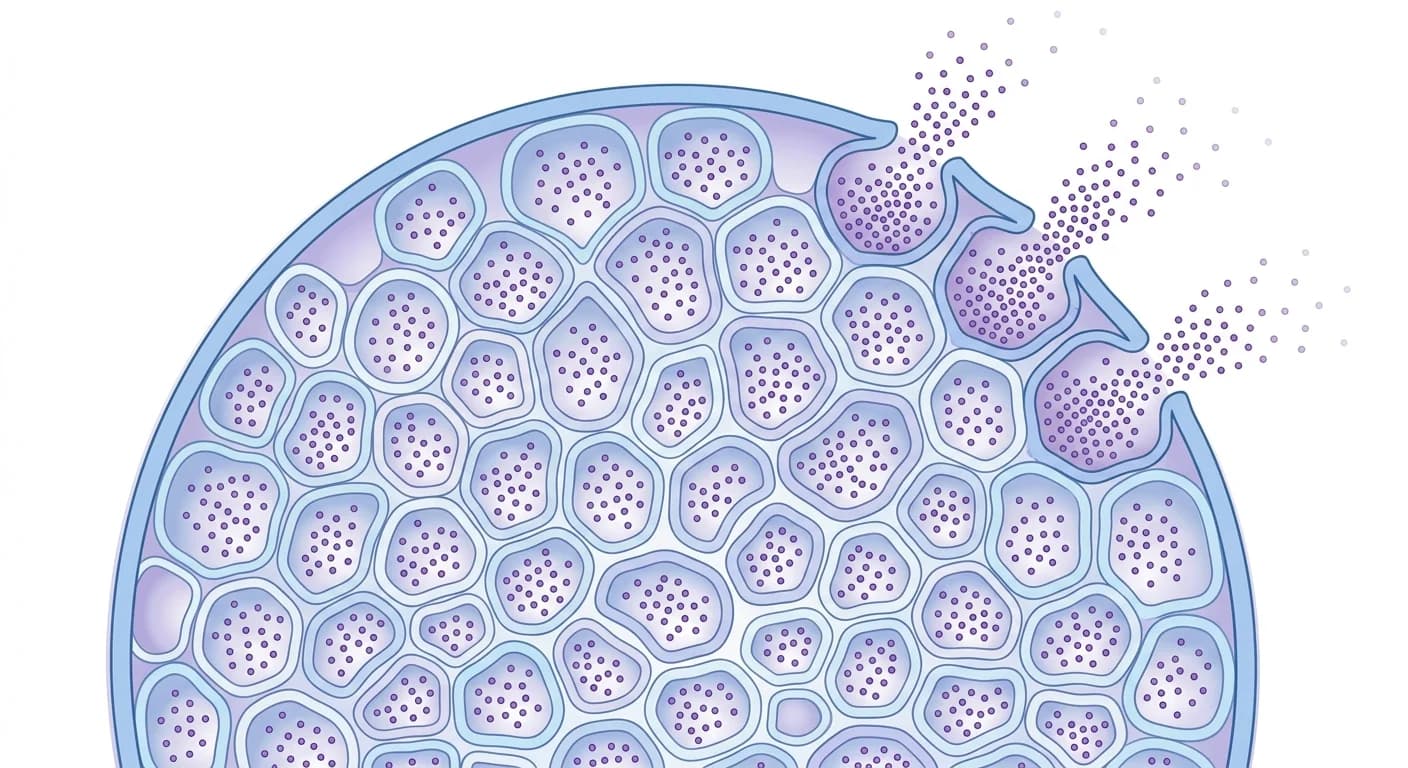
Liposomal bupivacaine is a formulation in which a single lipid particle is divided into many small internal chambers, each filled with bupivacaine. The outer membranes rupture in sequence, releasing the drug gradually. Earlier pharmacokinetic studies have confirmed that blood concentration rises once within an hour of injection, rises again 12 to 36 hours later, and the effect can last up to 96 hours. In the United States, the drug has already been used under the brand name Exparel for procedures such as hernia repair and knee replacement surgery, and literature reviewing its use in other surgical fields has found a side-effect profile similar to standard bupivacaine, while potentially helping shorten hospital stays and reduce analgesic-related side effects.
Wisdom Tooth Trials Where Only Opioid Use Fell
The most recently published comparative trial divided 93 patients, averaging 17 years old, who each had all four wisdom teeth removed in one sitting, into a group receiving standard anesthesia alone and a group receiving standard anesthesia plus liposomal bupivacaine. The share of patients who took at least one opioid pill during the five days after surgery fell from 53% to 26%, and cumulative opioid consumption, converted to morphine equivalents, dropped from 12.4 mg to 5.7 mg. However, there was no significant difference between the two groups' actual reported pain scores.
A meta-analysis pooling four related studies covering 858 patients showed the same pattern. The authors reported that the reduction in opioid use was statistically significant but amounted to only a 1.2 mg difference in morphine equivalents at 48 hours, a magnitude they said was not clinically meaningful. The difference in pain scores was not significant, and results varied widely across studies. An earlier split-mouth trial published in 2025 found slightly lower pain scores on the liposomal bupivacaine side, with the gap widening as extractions became more complex. A trial published in 2024 found lower pain scores than placebo, but numerous protocol violations during the trial made it difficult to draw firm conclusions.
Why Cut Opioids Even When Pain Stays the Same
All three studies acknowledged that the pain-relief effect was either modest or uncertain, while still placing value on reducing opioid consumption itself. Given how often wisdom tooth extraction is the occasion for a teenager's first opioid prescription, cutting the sheer number of pills prescribed has become a goal in its own right, separate from the size of the pain reduction.
A separate approach (applying laser pretreatment to reduce the pain of the injection itself) has been covered before. Liposomal bupivacaine targets a different point: not the moment of injection, but the pain and painkiller use that unfold over the days after the anesthesia wears off.
An Anesthetic Not Yet Available in Korea
Liposomal bupivacaine has not yet been approved in Korea. LG Chem has signed an exclusive Asia-region distribution agreement with developer Pacira Biosciences and says it plans to file for approval with Korea's Ministry of Food and Drug Safety within this year, aiming for a launch next year.
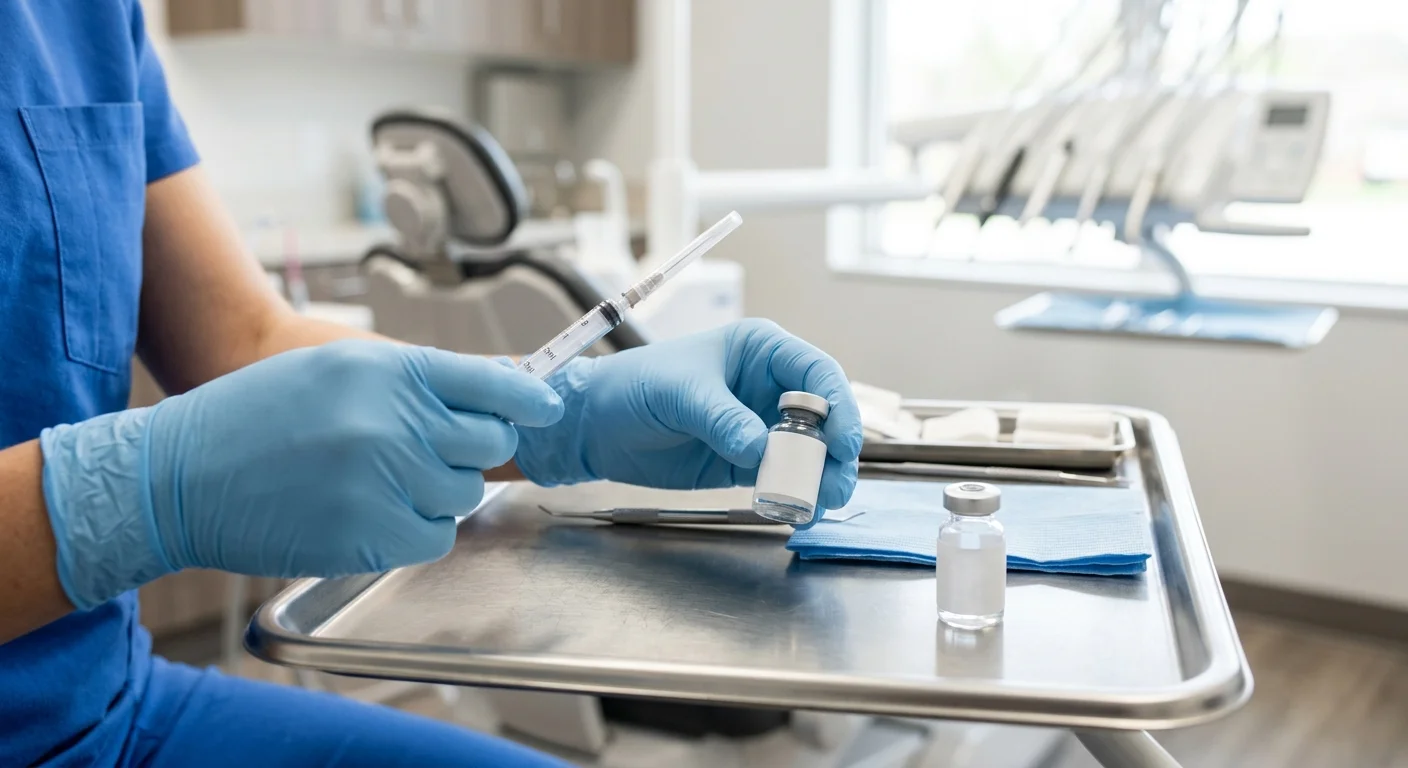
Liposomal bupivacaine is a technology for extending anesthesia's duration to several days, not one that dramatically reduces extraction pain itself. The finding that it reduces opioid consumption has recurred across multiple studies, but the magnitude has been small, and its effect on pain relief has varied from study to study.