Overview
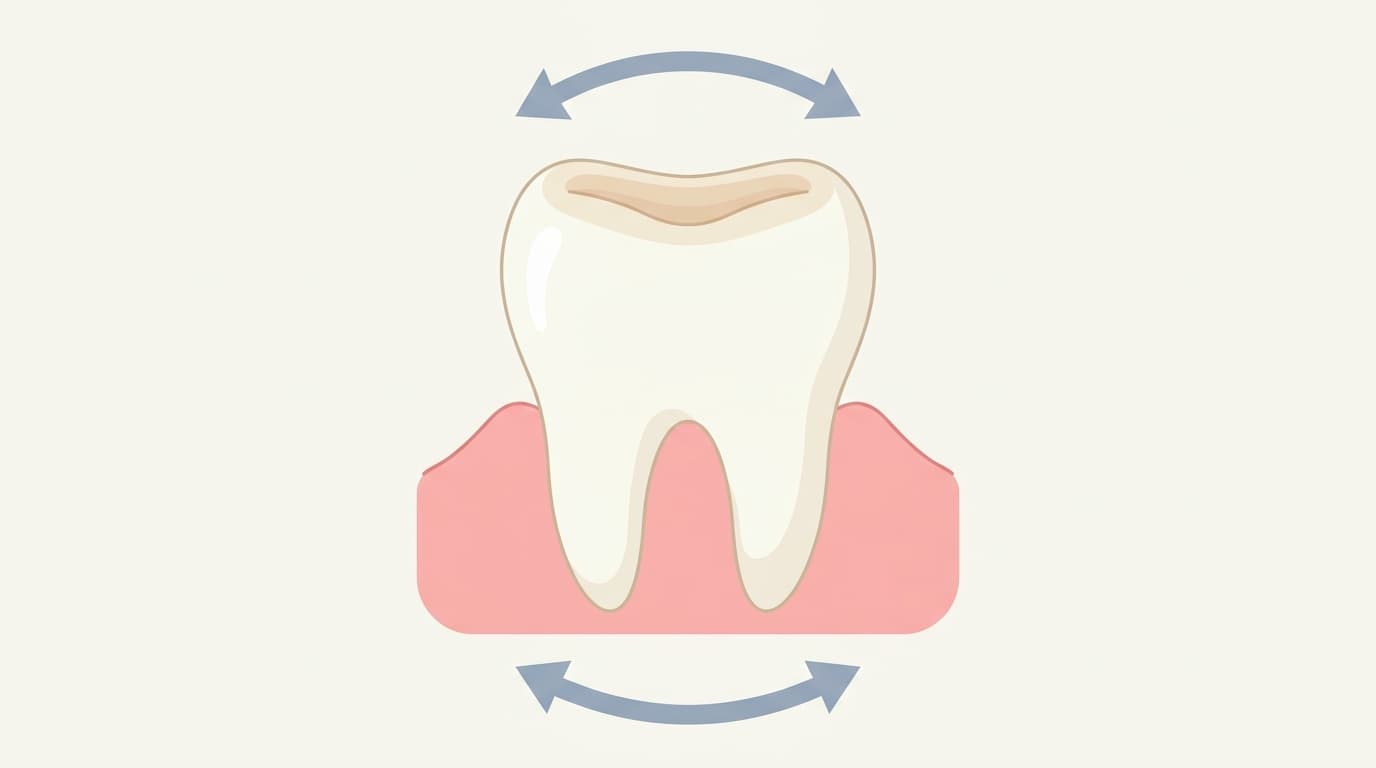
Attrition is a condition in which the hard tissue of the chewing surfaces, front tooth edges, or interproximal surfaces gradually wears away due to direct contact and friction between the upper and lower teeth or between neighboring teeth. It is a physiological change that progresses naturally and gradually with age, but abnormal habits such as bruxism (unconsciously grinding the teeth during sleep) or clenching can cause it to progress severely even over a short period. The worn area forms a smooth surface that matches exactly the shape where the upper and lower teeth meet. Its cause differs from abrasion caused by toothbrushing or erosion caused by acid.
Causes
A mild degree is also a natural change that appears in everyone with age. The most common causes are bruxism and clenching. The unconscious grinding of teeth or strong biting force during sleep or under tension rapidly wears down the areas where teeth contact each other. Psychological stress and sleep apnea are often identified as underlying factors behind these habits.
Symptoms
The first noticeable change is that the chewing surfaces or front tooth edges become flat, forming a smooth surface that matches exactly the shape where the upper and lower teeth meet. When the edges of the front teeth wear down, the contact surfaces between teeth become wide and flat and the edges become sharp, which can make a person look older than their actual age. In severe cases, fine cracks may appear on the surface, or the underlying dentin may become exposed, making the tooth appear darker in color. A concave appearance in the center of the chewing surface can also occur when acid erosion is acting together with attrition. Protective responses such as dentin sclerosis and the formation of secondary and tertiary dentin may reduce sensitivity, but the degree and speed of this response can vary from tooth to tooth. Reduced sensitivity does not mean the wear has stopped. If bruxism or clenching is the cause, a dull ache in the jaw or cheek muscles in the morning may also occur.
Diagnosis
Attrition is diagnosed by directly examining the tooth surface for a worn area that matches the way the upper and lower teeth meet. However, while the pattern of attrition can be a clue for suspecting bruxism, the wear pattern alone cannot confirm that bruxism is currently occurring. Whether bruxism or clenching habits are present, whether there is stress or sleep problems, whether the jaw muscles feel stiff in the morning, and whether people nearby have heard grinding sounds during sleep are also checked together. If needed, an electromyography test or a sleep study may be considered. It is common for abrasion caused by toothbrushing, erosion caused by acid, and abfraction caused by chewing forces concentrated at the cervical area to overlap on the same tooth, making it difficult to determine the cause from appearance alone. If sensitivity is also present, dentin hypersensitivity is also assessed.
Treatment & Where to Go
Treatment centers on managing the underlying habit and protecting the areas that have already worn down. If bruxism or clenching is confirmed, an occlusal protective device such as a mouthguard worn during sleep, also called a night guard, prevents further tooth wear and reduces grinding sounds. However, since the device only protects the teeth and does not eliminate the bruxism habit itself, it should be checked regularly and replaced if needed. If only the edges of the front teeth have become sharp, smoothing and reshaping them is often enough. If dentin is widely exposed and causing sensitivity, or if the chewing surface has become deeply concave, the defect is filled with resin, and in severe cases the damaged tooth is restored with a prosthesis. If the wear reaches the nerve and causes ongoing pain, or if the nerve is confirmed to be dead, root canal treatment may be needed. Care is provided by restorative dentistry, and if temporomandibular joint symptoms are also present, care is coordinated with oral medicine and oral and maxillofacial surgery.
Outlook & Precautions
Without management, the rate of tooth wear will not slow as long as bruxism or clenching continues. Fortunately, even when dentin is exposed, protective tissue usually forms quickly inside the tooth, so nerve exposure is rare. However, cases have been reported in which the nerve became exposed and died in severely worn molars, so it is not something that should simply be left to progress. If a device has been prescribed, wear it consistently as directed, and have it refitted if it becomes loose or torn. If sudden severe sensitivity to cold water occurs, if the tooth color becomes noticeably darker, or if a hole-like defect newly appears on the chewing surface, it is best not to delay and to get it checked.